Silverfish, house spiders, German cockroaches and Pharaoh ants can all live in a home for weeks before anyone notices them. Each one leaves a different clue. Check bathtubs and the cabinets under sinks at night for silverfish, look for webs that keep coming back in basement corners for spiders, look for droppings like ground pepper in kitchen cabinet hinges for German cockroaches, and watch for trails of tiny yellowish ants along plumbing and baseboards for Pharaoh ants.
If you have already found activity and want it confirmed, our residential pest control in Vancouver starts with an inspection to find out what the pest is and how it is getting in.
On this page7 sections
Four Overlooked Household Pests
These four share a habit. They stay in cracks, wall voids and damp corners during the day and come out when the house is quiet. A single sighting means something different for each one, so identification comes first.
1. Silverfish
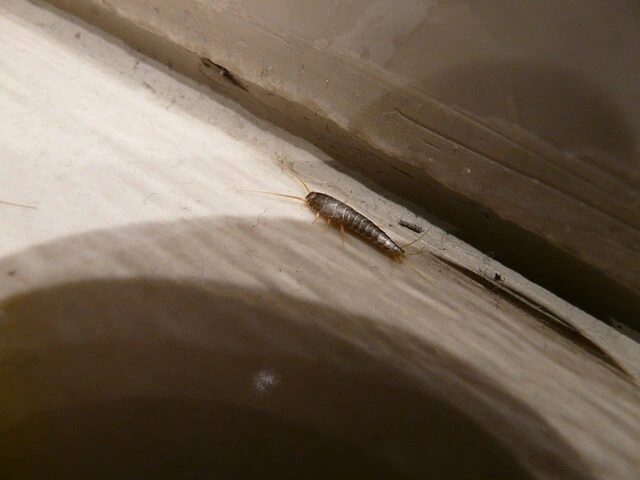
Silverfish are wingless, flattened insects about 12 mm long, shaped like a teardrop, with silver grey scales and three long bristles at the tail. They come out at night and favour humid rooms.
Where to look: Check bathtubs and sinks first thing in the morning, since silverfish that fall in cannot climb the smooth sides. Then look under kitchen and bathroom sinks, in basement storage, behind loose baseboards, and in boxes of books, papers and photos.
Useful clues: Irregular grazing marks or small holes on paper, book bindings and wallpaper, yellowish stains, and tiny shed skins or scales on shelves. Silverfish feed on starch, glue and paper, so damage to stored papers is often the first sign.
When identification is uncertain: Firebrats look almost identical but prefer warmer spots near furnaces and hot water tanks. Young centipedes are sometimes mistaken for silverfish too, and our guide to silverfish vs centipede covers the differences.
What one sighting means: One silverfish in a basement tub usually points to high humidity rather than a large population. Several a week, fresh paper damage, or sightings on upper floors suggest an established population. Our guide on how to get rid of silverfish covers treatment, and our silverfish control in Vancouver service can help when moisture fixes are not enough.
2. House Spiders
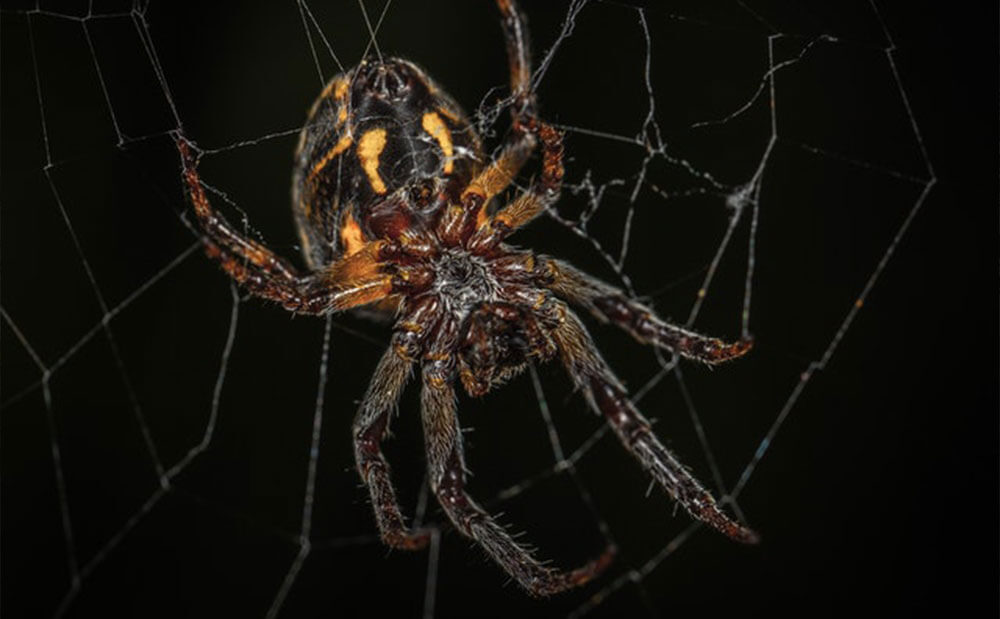
Most house spiders in the Lower Mainland are harmless to people and feed on other insects. They tend to stay put, so their webs usually tell you more than the spiders do.
Where to look: Basement and garage corners, behind stored boxes, under furniture, around window frames and near crawlspace openings. Funnel shaped webs low in corners and loose cobwebs near lights and windows are both common.
Useful clues: Webs that return in the same spots after you clear them, round silk egg sacs, and spiders caught on sticky monitors placed along walls.
What one sighting means: Sightings rise in late summer and early fall, when adult males of some common house spiders wander indoors looking for mates. One large spider crossing the floor in September is usually that. Webs in many rooms, repeated egg sacs, or spiders alongside plenty of small flies suggest the spiders have a steady food supply indoors, and that food supply is the real issue.
When identification is uncertain: Several species look alike and are hard to identify from a photo. Our article are house spiders dangerous explains what to watch for, and our spider control Vancouver service can confirm what you are seeing.
3. German Cockroaches
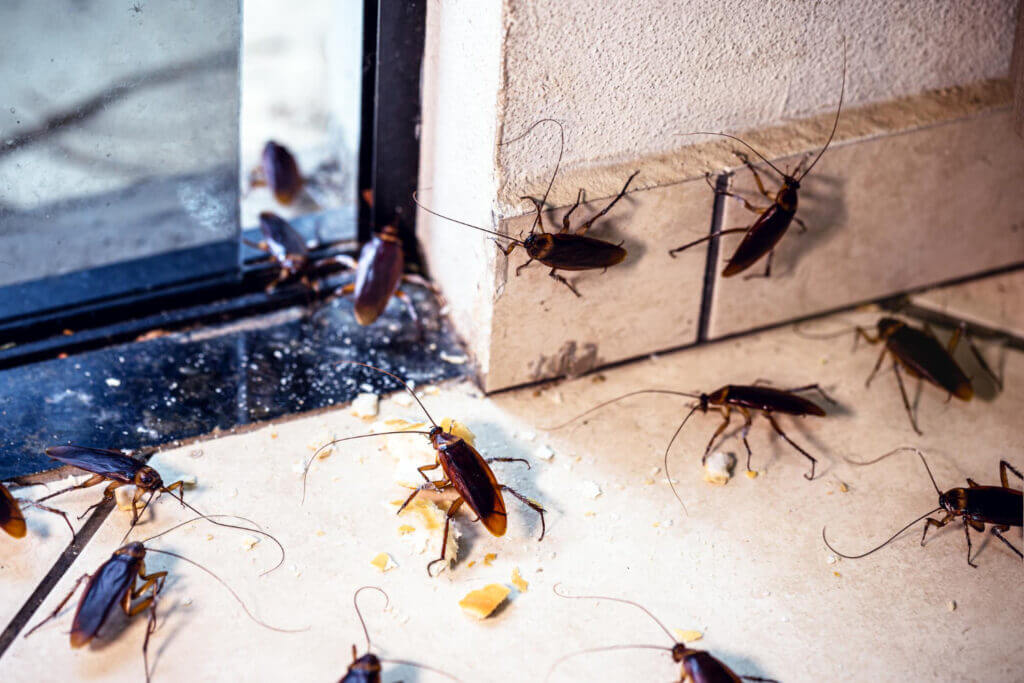
The German cockroach is the cockroach most often found living inside homes and apartments. Adults are light brown, about 13 to 16 mm long, with two dark stripes running lengthwise on the shield behind the head. They live almost entirely indoors and stay close to warmth, moisture and food.
Useful clues: Droppings that look like ground pepper or small dark smears, light brown egg cases about the size of a grain of rice, small dark nymphs, and a musty odour in cabinets once numbers grow.
What one sighting means: German cockroaches breed quickly, so one seen in a kitchen is worth taking seriously, and one seen in daylight often means a larger hidden population. A single large, dark roach near a basement drain may be a different species, and some beetles get mistaken for roaches. Our guide to cockroaches or beetles helps you tell them apart, and our article on signs of a cockroach infestation shows what to check next. For treatment, see our cockroach control in Vancouver service.
4. Pharaoh Ants
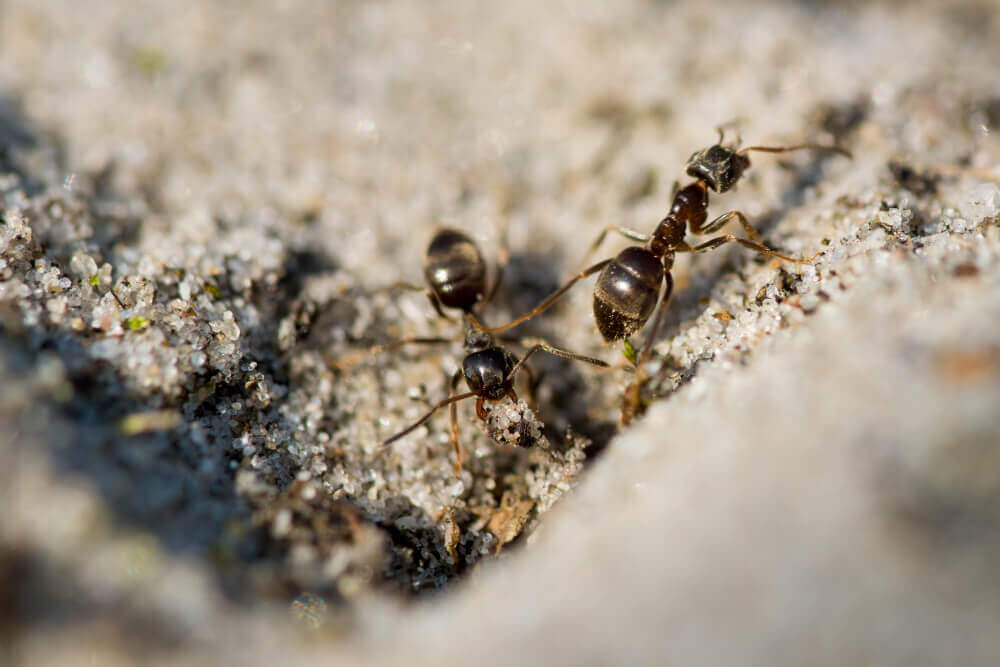
Pharaoh ants are tiny, about 2 mm long, light yellow to reddish brown with a darker abdomen. A colony has many queens and can be spread across several small nests inside one building.
Where to look: Follow trails along baseboards, countertops, plumbing and electrical cords. Check around bathroom and kitchen fixtures, behind baseboards and outlet cover plates, and in warm spots near hot water pipes. Nests are often in wall voids, under floors and inside stored items.
Useful clues: Steady trails of very small pale ants, ants gathering at sweets, grease or protein foods, and ants turning up in rooms far from the kitchen.
When identification is uncertain: Several small ants look similar, including thief ants. Telling them apart usually takes magnification, and the right treatment depends on the species, so confirm the identification before you treat.
What one sighting means: In a detached house, a short trail near the kitchen may be a small, local problem. In an apartment or condo, a trail that follows plumbing or a shared wall can be part of a colony spread across several units. Our guide on how to get rid of Pharaoh ants covers treatment in detail, and our ant control in Vancouver service starts with confirming the species.
Early Signs of Pest Activity
Hidden pests usually leave evidence before they show up in numbers. Note the date and the room each time you find one of these clues.
- Droppings: marks like ground pepper in cabinet corners and hinges point to cockroaches.
- Shed skins and scales: on shelves, in books or in storage boxes, often from silverfish.
- Damage to paper and glue: irregular grazing on book bindings, wallpaper and stored documents.
- Trails of tiny ants: along plumbing, baseboards or cords, especially away from the kitchen.
- Webs that come back: in the same corners after cleaning, a sign spiders are finding food.
- A musty smell: in cabinets, which can come with a larger cockroach population.
- Insects in sinks and tubs in the morning: common with silverfish.
One clue on its own rarely tells the whole story. Two or three clues in the same area, or the same clue returning after cleaning, is a stronger sign of an active population. Sticky monitors placed along walls under sinks and behind appliances can show which pest is present and where activity is heaviest.
Room by Room Pest Inspection
This route takes about 20 minutes. Bring a flashlight, check only areas you can reach easily, and do it once after dark, when cockroaches and silverfish are moving.
- Kitchen: Open the cabinet under the sink and look at the hinges, the corners and the gap where pipes enter the wall. Shine a light behind the fridge and stove and under the dishwasher. You are looking for cockroach droppings and egg cases, and for ant trails leading to food.
- Bathrooms: Check the tub and sink for trapped silverfish, then the cabinet under the sink, the base of the toilet, and gaps around pipes and the exhaust fan. Moisture here supports silverfish and cockroaches, and Pharaoh ants often trail along plumbing.
- Bedrooms: Look along baseboards, behind furniture on outside walls, and in closet corners. Spider webs and stray silverfish are the usual finds. An ant trail here, far from food, is worth noting.
- Storage areas: Open boxes of books, papers and photos in basements and closets. Check for grazing damage, shed skins and webs behind stacked boxes. Cardboard sitting on a concrete floor holds moisture and gives pests cover.
- Utility spaces: Look around the furnace, hot water tank, laundry hookups and floor drains, and where pipes and wires pass through walls. Warm, damp spots attract silverfish and firebrats, and warm pipes are a common route for Pharaoh ants.
In an apartment or condo, pay extra attention to shared walls, the pipes under sinks, and the gap under the door to the hallway. Leave wall voids, attics and crawlspaces you cannot reach easily for a professional inspection.
Preventing Hidden Pest Infestations
Prevention works best when it removes what each pest needs. Silverfish need moisture, cockroaches and Pharaoh ants need food and water, and spiders need other insects to eat.
- Control moisture: fix leaks under sinks, run bathroom fans during and after showers, and use a dehumidifier in damp basements. This is the main fix for silverfish.
- Store food properly: keep dry goods in sealed containers, wipe up crumbs and grease, and do not leave pet food out overnight.
- Manage garbage: use bins with lids and take kitchen waste out often.
- Reduce clutter: move stored papers and books into sealed plastic bins, keep boxes off concrete floors, and clear piles in basements and closets where spiders and silverfish hide.
- Seal where it helps: caulk gaps around pipes under sinks and behind appliances, repair torn screens, and fit door sweeps. Sealing removes hiding spots and travel routes, but it will not remove an established colony on its own.
- Cut the spiders’ food supply: fewer flies and other insects indoors means fewer spiders.
If you use any pest control product, choose one registered in Canada, which you can confirm by the Pest Control Products (PCP) number on the label, and follow the label directions. Avoid spraying ants you have not identified. With Pharaoh ants, repellent sprays can make the problem harder to solve, as the FAQ below explains.
When to Call a Pest Professional
Book an inspection when the evidence points to a pest that home measures rarely solve, or when activity keeps coming back.
- You suspect German cockroaches or Pharaoh ants. Both spread through buildings and usually need a planned, targeted approach.
- Activity returns after you have fixed moisture problems, cleaned up and stored food properly.
- You find evidence in several rooms or on more than one floor.
- Neighbours or other units report the same pest.
- You cannot tell what you are looking at, especially small ants or an unfamiliar spider.
- You are finding cockroach evidence and someone in the home has asthma or allergies.
Our article on when to call pest control covers broader warning signs. If you live in a condo or apartment, see our condo and apartment pest control service.
Conclusion: What to Do When You Find Pest Activity
Write down what you saw, where and when, and take a clear photo if you can. Match it to the clues above, fix the moisture or food source behind it, and watch the same spot for a week or two. If the activity continues, spreads to other rooms, or looks like German cockroaches or Pharaoh ants, hold off on sprays and request an estimate. We start by finding out what the pest is and how it is getting in, then treat it and recommend what will reduce the chance of it coming back.
Frequently Asked Questions
1. Does one indoor pest sighting mean an infestation?
Not always; how much one sighting means depends on the species, where you saw it, and what other evidence you find. One house spider in September or one silverfish in a basement tub is often an isolated sighting. One German cockroach in a kitchen, or a trail of tiny pale ants, is more likely part of a larger hidden population. Check the nearby area for droppings, egg cases, shed skins or trails, and watch for repeat sightings over the next week or two.
2. Can pests spread between apartments through walls?
Yes, some pests can move between units, especially German cockroaches and Pharaoh ants. They travel through wall voids, gaps around plumbing, electrical outlets, utility openings and the gaps under doors to shared hallways.
A gap around a pipe is a possible route, not proof that a neighbouring unit is the source. Evidence that points to another unit includes activity that starts along a shared wall or plumbing line, similar sightings reported by neighbours, and pests returning soon after your own unit has been treated. Tell your building manager, landlord or strata council as soon as you suspect German cockroaches or Pharaoh ants, or when activity shows up along shared walls, because treating one unit alone can leave the source untouched.
3. Can spraying Pharaoh ants make an infestation worse?
Yes, spraying Pharaoh ants with a repellent insecticide can make an infestation worse by causing the colony to split into new nests, a process called budding. Ohio State University Extension lists repellent pesticides as one trigger for budding, along with overcrowding and seasonal changes in a building’s heating and cooling, and notes that repellent pyrethroid sprays tend to push colonies to new locations.
Because a colony has many queens, the ants that move can start new nests elsewhere in the building. Slow acting baits that workers carry back to the nest are the usual approach, and spraying near bait placements can drive ants away from the bait. This is why identification matters before treatment: what works on other household ants is not the right approach for Pharaoh ants. Any product used in Canada should carry a PCP number and be applied according to its label.