Fly Control in Vancouver, BC
Phantom Pest Control provides fly control in Vancouver, BC and across the Lower Mainland and Fraser Valley, for homes, rental suites, restaurants and other businesses. Our certified technicians identify the fly and find where it breeds, and a visit may include a targeted treatment and sanitation recommendations that take away the places new flies breed.
- Fully licensed, insured and certified
- Read our Google reviews
- Treatment $250–$350 + GST For a house, condo, apartment or townhouse; fogging adds $195–$250 + GST
- Inspection From $125 + GST $150 + GST for a house; +$50 for an attic or crawl space, waived if you book the treatment the same day
- Stay out 6–8 hours From the start of the treatment; 24 hours for pets, children under 2 and some others, as the preparation sheet explains
- Area 24 communities From Squamish to Abbotsford
Types of Flies in Vancouver Homes
The house fly is the most common fly in the home, and cluster flies and blow flies are sometimes seen around B.C. homes too, the B.C. Home and Garden Pest Management Guide notes. Fruit flies and drain flies are the small ones that breed indoors. Size, colour and where you see a fly tell the kinds apart, and each points to a different breeding place.
House fly Musca domestica
Grey, about 6 mm long, with four dark stripes on the thorax; at rest it holds its wings apart in a V. It breeds in garbage, animal waste and rotting food, and UC IPM notes that large flies indoors almost always came in from outside.
Fruit fly Drosophila species
Tan, with a darker rear and usually red eyes, about 3 mm long. It breeds in any moist film of fermenting food, from ripe fruit to drains, empty bottles and cans, and goes from egg to adult in about a week to 10 days.
Drain fly Psychodidae
Dark and hairy, 2–4 mm long, with moth-like wings held over its back like a roof. It rests on walls near the drain it came from, breeds in the slimy film inside it, and doesn’t bite.
Illustrations, drawn to one scale. House flies peak in the hot summer months, fruit flies from late summer into fall, and cluster flies move indoors in late summer and early fall and stay until spring.
Other Flies and Gnats in Vancouver Homes
Cluster fly
A little larger and slower than a house fly, about 8–10 mm, with golden hairs on the thorax and wings that overlap at rest, Health Canada notes. It spends the winter in walls and attics without breeding there; sealing the gaps it uses is exclusion work.
Blow fly or bottle fly
Shiny metallic green or blue, often larger than a house fly. A sudden swarm of them indoors often means a mouse, rat or other animal has died in a wall void, attic or chimney: see rodent control.
Fungus gnat
Tiny, dark and mosquito-like, about 2–3 mm, a weak flier that stays near houseplants and often turns up at windows; its larvae live in damp potting soil. Phantom treats gnats as part of flying insect control.
Phorid fly
About 3 mm and fruit fly-like, but humpbacked, and it runs across surfaces instead of flying. Many phorids can point to a broken sewer or drain pipe leaking under a slab, a job for a plumber, Virginia Tech Extension notes.
A Few Flies vs a Fly Infestation
A fly or two that came in through an open door isn’t an infestation. Flies every day in the same room, small flies hovering over a drain or the fruit bowl, or maggots in a bin usually mean they’re breeding indoors or close by, and new flies keep coming until that source is cleaned out or removed.
Points to a breeding source
- Small flies over the same drain, fruit bowl or recycling bin day after day
- Flies caught overnight in a clear plastic bag taped over a drain, a test Kentucky Extension suggests
- Maggots in a garbage bin, green bin or compost pail
- Flies back within a day or two of a clean-up
- A sudden crowd of large, shiny flies in one room
- Tiny dark flies around houseplants: fungus gnats breeding in damp potting soil
Not proof on its own
- One house fly that came in through an open door or a torn screen
- Slow flies at sunny windows in fall or on warm winter days: cluster flies coming out of the walls, not breeding
- A few flies around outdoor bins in summer
Not sure which fly you have? Add a photo to your estimate request, and read where each one breeds below.
Where Flies Breed in a Vancouver Home
Flies lay their eggs in moist, rotting organic matter: the film inside drains, ripe fruit and food scraps, recycling, garbage and green bins, and damp potting soil. Cluster flies are the exception: they spend the winter in attics and walls and don’t breed indoors. Each spot below says what to check.
Inside the house
- A
Kitchen sink and dishwasher drains
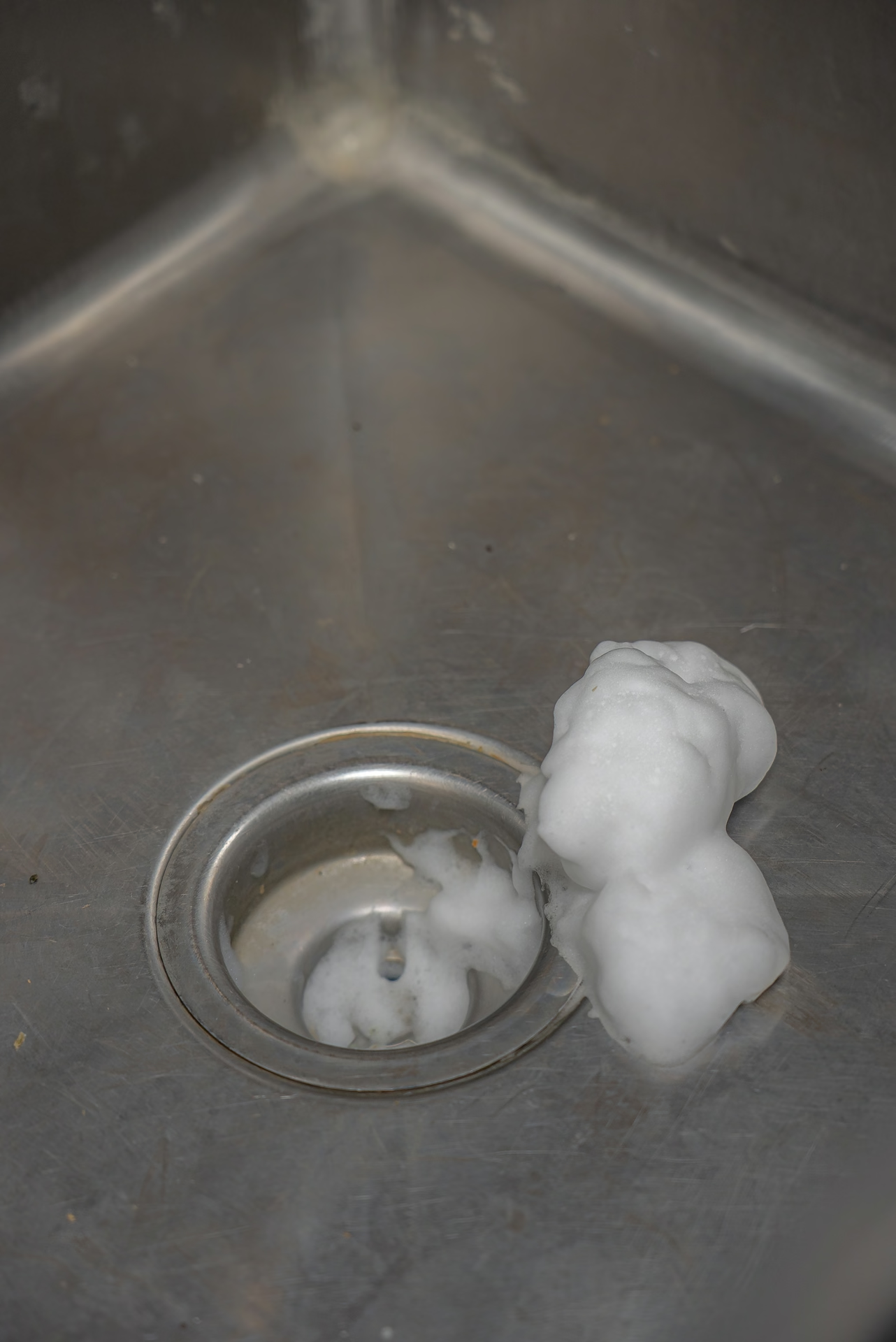
Fruit flies and drain flies breed in the slimy film that coats a drain. Bleach or boiling water alone won’t clear it, UC IPM and Ohio State Extension note, and Virginia Tech Extension advises against vinegar too: scrub it out with a stiff brush.
- B
Fruit bowl and compost pail
Ripe fruit and food scraps are where fruit flies start, and Kentucky Extension notes one forgotten potato or onion can breed thousands. Refrigerate ripe produce, Kentucky Extension advises, and wrap scraps in paper and empty the kitchen container into the green bin often, as the City of Vancouver suggests. How to get rid of kitchen bugs
- C
Recycling
Bottles, cans and cartons with a little juice, beer or pop left in them breed fruit flies. Rinse them before they go in the recycling.
- D
Bathroom and basement drains
In homes the usual drain fly source is a bathroom drain, UC IPM notes. Check basement and garage drains, a toilet that’s rarely used and the drain pan under the fridge too; drain flies often appear after a holiday away.
- E
Houseplants
Fungus gnats breed in overwatered potting soil. Water less and let the surface dry between waterings, UC IPM advises; a yellow sticky card shows whether they’re there.
Outside and in the walls
- F
Garbage and green bins
House flies and blow flies breed in garbage, pet waste and food scraps. Keep bins lidded and away from the door, and put them out every week even when they aren’t full: UC IPM notes garbage left for more than a week can breed blow flies.
- G
Gutters and standing water
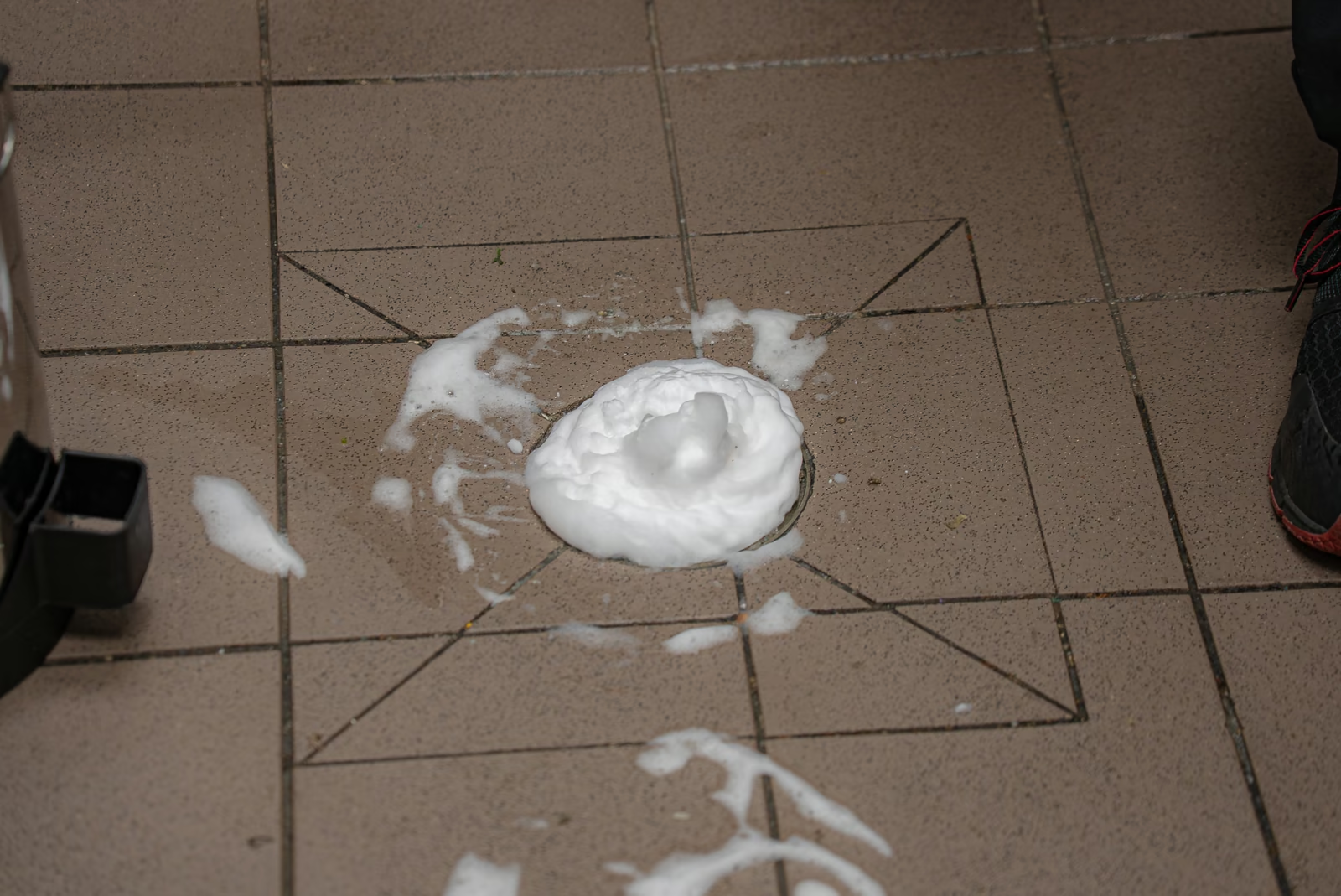
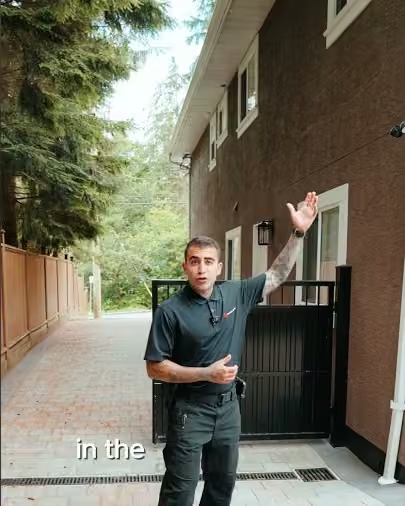
At one home, Phantom’s team traced the flies to water and organic debris collecting around a water line and in the gutters. Watch the video (1:13)
- H
Attic and upper walls
As the days shorten, cluster flies sun themselves on south and west walls, then crawl into gaps in the siding or under the eaves to settle in the walls or attic, Health Canada notes. On warm days they gather at windows.
- I
Wall void or crawl space
Indoors, blow flies usually breed in a dead rodent in a wall or ceiling, or in a rodent trap or glue board nobody has checked, Purdue Extension notes. The source has to be found and removed: see rodent control.
Sink drains
Drain film is where fruit flies and drain flies breed, at home and in restaurant kitchens.
Floor drains
On Phantom’s commercial fly jobs, the breeding source most often turns out to be the drains around the dish area.
Dumpsters and bins
Garbage and food waste breed house flies and blow flies, so dumpsters, bins and back lots are part of the inspection.
How Our Fly Control Process Works
Pest control for flies starts with naming the fly and finding where it breeds. A visit may then include a targeted treatment where the flies are active, fogging when the job needs it, and sanitation recommendations for the sources. You prepare from the crawling and flying insect preparation sheet.
Inspection
A technician identifies the fly, then looks for where it’s breeding: drains, garbage areas, compost and other organic waste.
Targeted treatment
The visit may include a targeted treatment where the flies are active.
Fogging, when needed
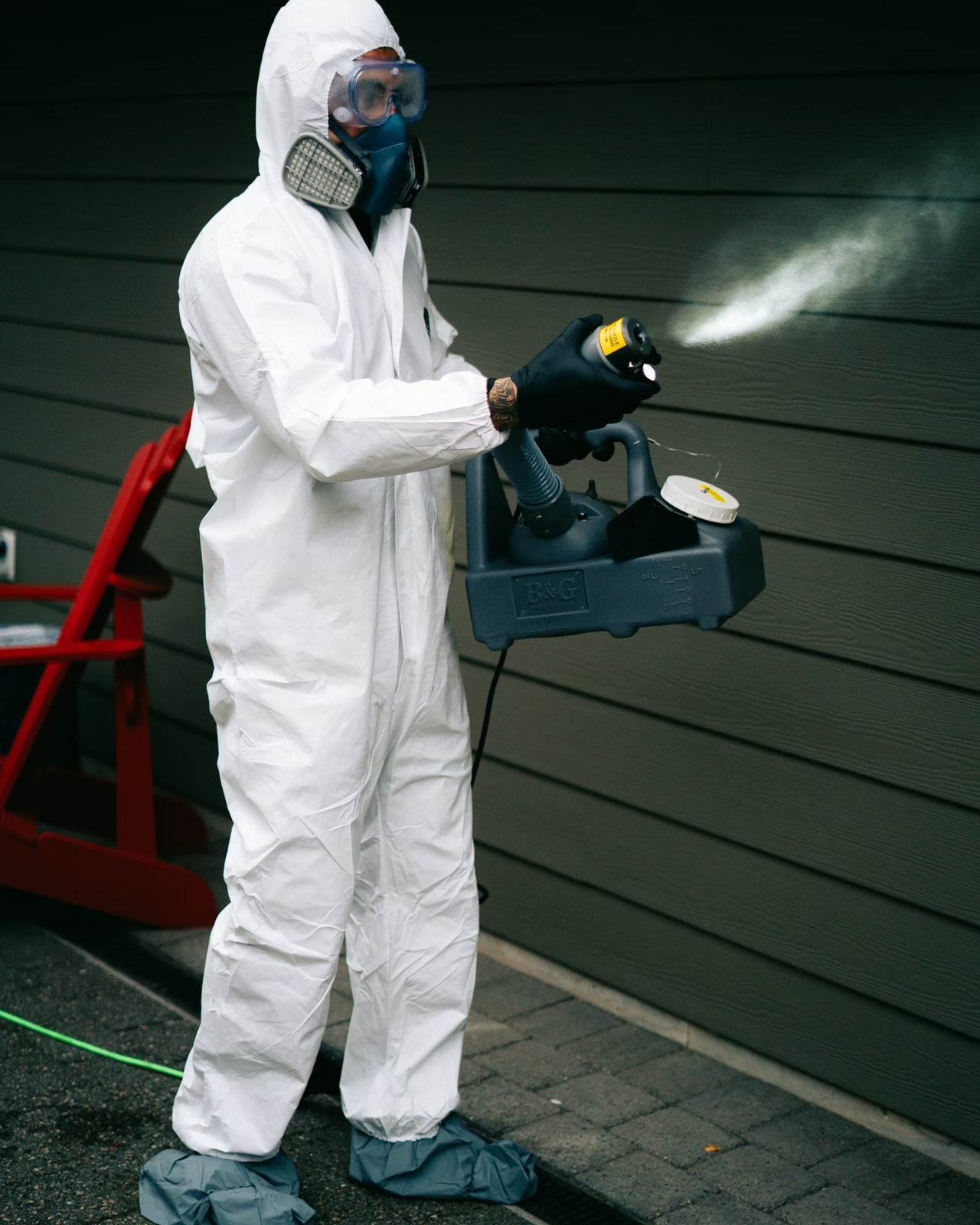
When the job calls for it, fogging is added to the treatment. The price list below shows it as a separate add-on.
Sources and follow-up
Sanitation recommendations, such as cleaning a drain or keeping a bin away from the door, take away the places new flies breed. Activity should drop within 72 hours, the preparation sheet says; if flies are still breeding after that, call or text the office.
Homes Crawling and flying insect preparation sheet
- Stay out Everyone stays out for at least 6 to 8 hours from the start of the treatment, the preparation sheet asks.
- Pets and some people Pets, people with respiratory complications, nursing mothers and children under 2 stay out for 24 hours, the preparation sheet asks.
- Fewer flies Activity should drop significantly within 72 hours, the sheet says.
- Baseboards No cleaning of treated areas, especially within 6 inches of baseboards, for at least 4 weeks.
- Residual The residual keeps working for up to 3 months if the aftercare instructions are followed, the preparation sheet says.
Restaurants and kitchens Commercial kitchen preparation sheet
- Area empty The commercial kitchen preparation sheet asks for the area to stay empty for 6 to 8 hours after the treatment is complete.
- Ventilate Ventilate the area for 2 hours after the service.
- Baseboards No mopping or cleaning within 6 inches of treated baseboards and surfaces for at least 2 weeks.
- Wandering Some wandering insects for up to 7 to 10 days is normal.
- Second treatment Another treatment may be needed 14 to 21 days later.
The preparation sheet for your booked service has the exact times.
How to Prepare for Fly Treatment
Before the technician arrives, seal infested items in plastic bags and throw them out, empty the lower cupboards and drawers, and move furniture, plants and appliances a foot from the walls. Leave the windows slightly open, then stay out for 6–8 hours from the start of the treatment, as the preparation sheet asks.
Before the treatment
- Seal infested items in plastic bags and throw them out
- Empty the lower cupboards and drawers
- Move furniture, plants and appliances at least a foot from the walls
- Leave the windows slightly open before you go
After the treatment
- Stay out for at least 6–8 hours from the start of the treatment, or 24 hours for pets, people with respiratory complications, nursing mothers and children under 2, as the preparation sheet asks
- Open the windows for another 30 minutes to an hour when you’re back
- Don’t clean treated areas, especially within 6 inches of baseboards, for at least 4 weeks
- Expect activity to drop significantly within 72 hours

Fly Control Cost in Vancouver
Phantom’s fly treatment costs $250–$350 + GST for a house, condo, apartment or townhouse, and fogging, when the job needs it, adds $195–$250 + GST. A house inspection is $150 + GST and a condo inspection $125 + GST, and the estimate call tells you whether your job needs one. Estimates over the phone are free.
Fly treatment
- House, condo, apartment or townhouse $250–$350 + GST
- Fogging, added to the treatment $195–$250 + GST
Estimate and inspection
- Estimate over the phone Free
- Inspection, house $150 + GST
- Inspection, condo, apartment or townhouse $125 + GST
- Attic or crawl space, added to the inspection +$50 Waived if you book the service the same day.
Businesses
- Commercial site inspection Free Businesses get a free site inspection and a quote made for their site.
Savings
- Two or more services together 15% off
- Seniors 5% off
- Referrals, for both you and the new client $25 off
Prices are in CAD and exclude GST. These are standard prices for homes in Greater Vancouver and the Lower Mainland, and they can change with the size of the property, how severe the infestation is and the treatment it needs.
One Fly Treatment or a Prevention Program
A one-time treatment suits flies breeding in your home now. Restaurants and other businesses that need flies kept down all year use a scheduled prevention program, and strata and rental buildings can book visits across the whole building.
Fly treatment
- When it fits Flies breeding in your home now.
- Visits One treatment, with fogging added when the job needs it.
- Price $250–$350 + GST for a house, condo, apartment or townhouse.
- When it fits Restaurants, food businesses and managed buildings.
- Visits Our fly prevention program services the fly lights, treats the floor drains and ends every visit with a written report.
- Preparation Only targeted treatments need the area empty, prepared from the commercial kitchen preparation sheet.
Strata and rental buildings
- When it fits Flies turning up in more than one suite.
- Notice Under B.C.’s Integrated Pest Management Regulation, the licensee must give a treatment notice to the resident and the owner or manager at least 72 hours before using a pesticide in an occupied suite.
- Program The multi-unit pest control program books visits for the whole building.
How to Keep Flies Out of Your Home
Flies need a moist, rotting place to lay their eggs, so prevention means taking those places away: refrigerate ripe fruit, rinse the recycling, empty the kitchen container often, keep bins lidded and away from doors, scrub drains and fit tight screens. Cluster flies are kept out by sealing gaps before late summer.
What helps at home
- Refrigerate ripe fruit and vegetables, and cut away damaged parts
- Wrap food scraps in paper and empty the kitchen container often
- Rinse bottles, cans and jars before they go in the recycling
- Scrub sink and floor drains with a stiff brush
- Keep garbage and green bins lidded and away from the door
- Pick up dog waste in the yard at least once a week
- Fit tight screens on windows and doors, and add door sweeps
- Seal gaps around windows, siding and vents before late summer
DIY or a Fly Exterminator: What Each Can Do
Vinegar traps and sticky strips
What it does Catch adult flies and show where they gather.
Where it falls short They give short-term relief only: Kentucky Extension notes the flies keep coming until the breeding sites are removed or cleaned.
Bleach, vinegar or boiling water down the drain
What it does Gives short-term relief at best.
Where it falls short Bleach and boiling water don’t clear the film where drain flies breed, UC IPM and Ohio State Extension note, and Virginia Tech Extension advises against pouring bleach, vinegar or insecticide down a drain.
Store-bought sprays and bug zappers
What it does Kill the flies they reach.
Where it falls short New flies keep coming until the source goes, and CFIA advises against bug zappers where food is handled. If you use a spray, check that its label names flies and carries a PCP number, as Health Canada advises.
Professional treatment
What it does Finds where the flies breed and treats the areas they use, with the preparation sheet’s timings.
Where it falls short It works best with the sanitation fixes: a drain left dirty keeps breeding flies.
Running a restaurant or café? Read about restaurant pest control.
Why Choose Phantom for Fly Control
Phantom Pest Control has served the Lower Mainland and Fraser Valley since 2019, publishes its fly prices and preparation sheets, and is fully licensed, insured and certified. Its own videos explain where flies breed, from the gutters at one home to the drains of a restaurant kitchen.
- Our owner 15+ years of pest control experience serving British Columbia
- Since 2019 29,000+ locations serviced from 2019 to 2026
- Credentials Fully licensed, insured and certified Licensed under B.C.’s pest control regulations
- Area 24 communities From Squamish to Abbotsford
Video, 1:13
At a home
What was breeding flies at this home: water and debris around a water line and in the gutters.
Video, 0:26
Behind the bar
Fruit flies in a restaurant bar: leftover citrus, open garbage and missed end-of-night cleaning.
Video, 1:10
In a restaurant kitchen
Why surface cleaning alone won’t stop restaurant flies: the buildup inside drains and waste areas.
Video, 0:40
Fly lights
Phantom’s fly control for businesses: breeding sources, entry points and fly lights.
At the bar
Taps, drip trays and the bar’s underside get a close look on a restaurant fly inspection.
Under counters
Spills under counters and equipment feed flies where nobody sees them.
Prep areas
Beneath prep tables, where food debris collects out of sight.
Cooking lines
A flashlight along the range finds what a quick clean-up misses.
Where We Treat Flies in Vancouver & the Fraser Valley
Phantom treats flies in 24 communities from Squamish to Abbotsford, each with its own service page. Not on the list? Tell us your city in the form, or call the office.
Vancouver, the North Shore and Squamish
Burnaby, the Tri-Cities and Ridge Meadows
Richmond and Delta
Surrey, Langley and Abbotsford
Fly Control FAQs
Prefer to talk?
604-771-0404Why do I suddenly have so many flies in my house?
Usually because a new batch has just come out nearby. In summer a house fly can go from egg to adult in as little as 7 days, so a few flies one week can be many the next. Fruit flies often ride in on produce, and drain flies can appear after a trip away, once a drain has sat unused. A burst of big metallic flies in one room usually means an animal has died close by. Summer pests in Vancouver
Do flies spread disease?
House flies can carry disease agents onto food. UC IPM lists bacteria and viruses behind diarrhea, food poisoning, dysentery and eye infections, picked up from feces and kitchen waste, and the dark specks house flies leave where they rest are their droppings. B.C.’s Home and Garden Pest Management Guide says filth flies can contaminate food with human pathogens, so keep food covered while flies are about.
Why are there flies in my house in winter?
Usually cluster flies that settled into the walls or attic in fall and crawl out on warm days. Vacuum them off the sills and empty the canister into a sealed bag outside, Virginia Tech Extension advises, rather than spraying inside the walls: Penn State Extension notes that thousands of dead flies there can feed carpet beetles. Sealing gaps around window trim and baseboards stops them reaching the rooms. Winter pest control tips
How do I get rid of maggots in a garbage or green bin?
Kill them, then take away what they feed on. The City of Vancouver suggests salt or vinegar for maggots in a green bin, and Virginia Tech Extension notes boiling water kills them; then rinse the bin. Wrap wet scraps, meat and bones in newspaper before they go in, as Metro Vancouver suggests, keep smelly scraps in the freezer until collection day, and put the bin out every week even when it isn’t full.
Are drain flies harmful?
Not directly. UC IPM notes they don’t bite or damage the house, but because they breed in drains they can carry germs to clean areas such as kitchens, and in high numbers dead flies may break down into allergens. They point to a slow or dirty drain, and scrubbing the film out of it removes the place where new ones grow.
Is a fruit fly problem a health inspection issue for my restaurant?
It can be. Section 26 of B.C.’s Food Premises Regulation requires food premises to be kept free of pests, free of conditions that let them breed and protected against their entry, and the Regulation names flies as pests. Vancouver Coastal Health takes complaints about pests in food establishments, and CFIA’s checklist for food businesses includes covered floor drains, lidded waste containers cleaned often, and screens of at least 16 mesh.
I rent or live in a strata building. Who arranges fly treatment?
Start with your landlord, property manager or strata council, and tell them where you see the flies. Vancouver Coastal Health notes that landlords must hire a licensed pest control operator to apply pesticides in rental suites. In a building, flies can breed in shared places, such as garbage rooms, chutes and drains, so one suite’s treatment may not reach the source; Phantom’s multi-unit pest control program schedules visits across the whole building.
How to Book a Fly Treatment
Tell us what the flies look like and where you see them most; the office calls you back, and a photo of the fly helps. Estimates over the phone are free.
Free estimate request
Prefer to talk?
604-771-0404Office and Service Hours: Monday to Friday, 9Â AM to 5Â PM.