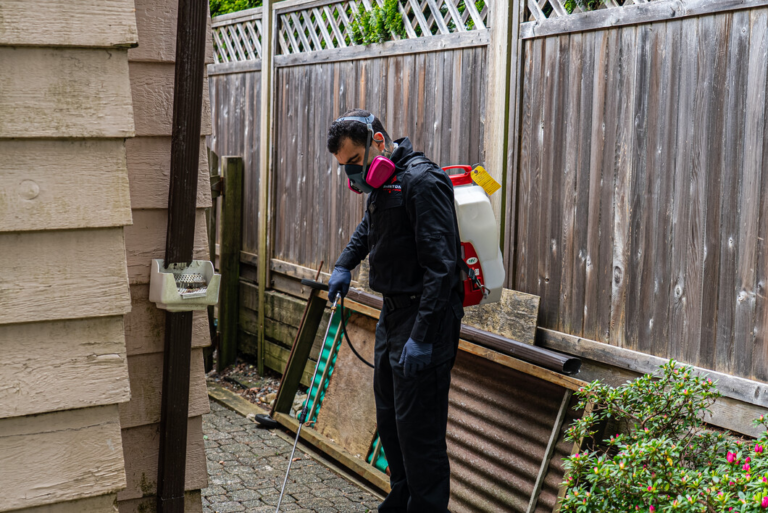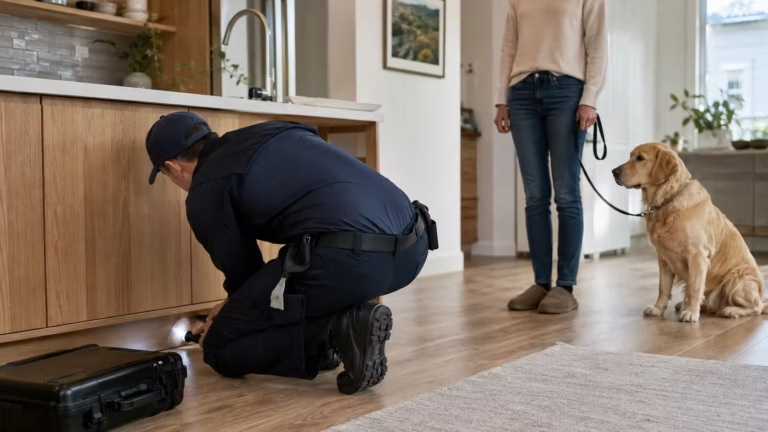
Vancouver winters may be milder than those in many other Canadian cities, but the combination of lower temperatures, frequent rain, and high moisture can still change pest behaviour. As outdoor conditions become less comfortable, mice, rats, spiders, cluster flies, and other pests may seek shelter inside homes.
Effective winter pest control is not simply about reacting when a pest appears. It involves inspecting the entire property, identifying possible entry points, reducing access to food and water, and making hidden areas less inviting.
By preparing your home before pest activity becomes established, you can reduce the risk of contamination, property damage, and recurring infestations throughout the colder months.
On this page9 sections
- Why Do Pest Problems Increase During Colder Months?
- Common Winter Pests in Vancouver Homes
- 5 Winter Pest Control Tips to Keep Pests Out of Your Home
- Where to Check for Winter Pest Activity
- Early Signs of a Winter Pest Problem
- What to Do If Pests Are Already Inside Your Home
- When Should You Call a Pest Control Professional?
- Protect Your Home Before Winter Pests Move In
- Frequently Asked Questions
Why Do Pest Problems Increase During Colder Months?
Pests need the same basic resources throughout the year: food, water, shelter, and a suitable place to remain protected. During colder and wetter weather, a heated home can provide all four.
Garages, attics, wall voids, crawl spaces, basements, utility rooms, and storage areas are especially attractive because they are sheltered and often receive little human activity. Small gaps around pipes, vents, foundations, siding, doors, and rooflines may give pests a direct route inside.
Vancouver’s wet winter climate also makes moisture management important. Leaking pipes, damp basements, blocked drainage areas, and persistent condensation can create favourable conditions for insects and other pests.
This does not mean every home will experience a winter infestation. It means that existing weaknesses around a property can become more significant as seasonal conditions change.
Common Winter Pests in Vancouver Homes
Mice and Rats
Mice and rats remain active throughout Vancouver’s colder months. They may enter homes through structural gaps and settle inside garages, attics, crawl spaces, walls, or storage rooms.
Droppings, gnawed packaging, scratching sounds, damaged insulation, and shredded nesting materials can indicate rodent activity. Because rodents may travel through several parts of a building, the location where they are seen is not always where they entered.
This article focuses on general winter pest management. Homeowners dealing specifically with rodents can find more detailed guidance in this resource about winter rodent prevention in Vancouver.
Spiders
Spiders may become more noticeable in garages, basements, storage rooms, and around windows or exterior doors. These areas offer quiet hiding places and may also contain the insects spiders use as food.
Recurring spider activity can sometimes point to a wider environmental issue. Exterior lighting, dense vegetation, clutter, moisture, and other insect populations may all contribute to the problem.
Most spiders found in Vancouver homes are primarily a nuisance, but frequent sightings or widespread webbing should not be ignored.
Cluster Flies and Other Overwintering Insects
Cluster flies and some other insects enter buildings to shelter in protected spaces during colder weather. They may remain inside wall voids, attics, roof spaces, or around upper windows before becoming visible on warmer or brighter days.
Seeing flies indoors during winter does not always mean they are breeding inside the home. They may have entered earlier through openings around rooflines, soffits, vents, siding, or window frames.
Correct identification is important because different types of flies and overwintering insects require different control strategies.
5 Winter Pest Control Tips to Keep Pests Out of Your Home
1. Inspect and Seal Exterior Entry Points
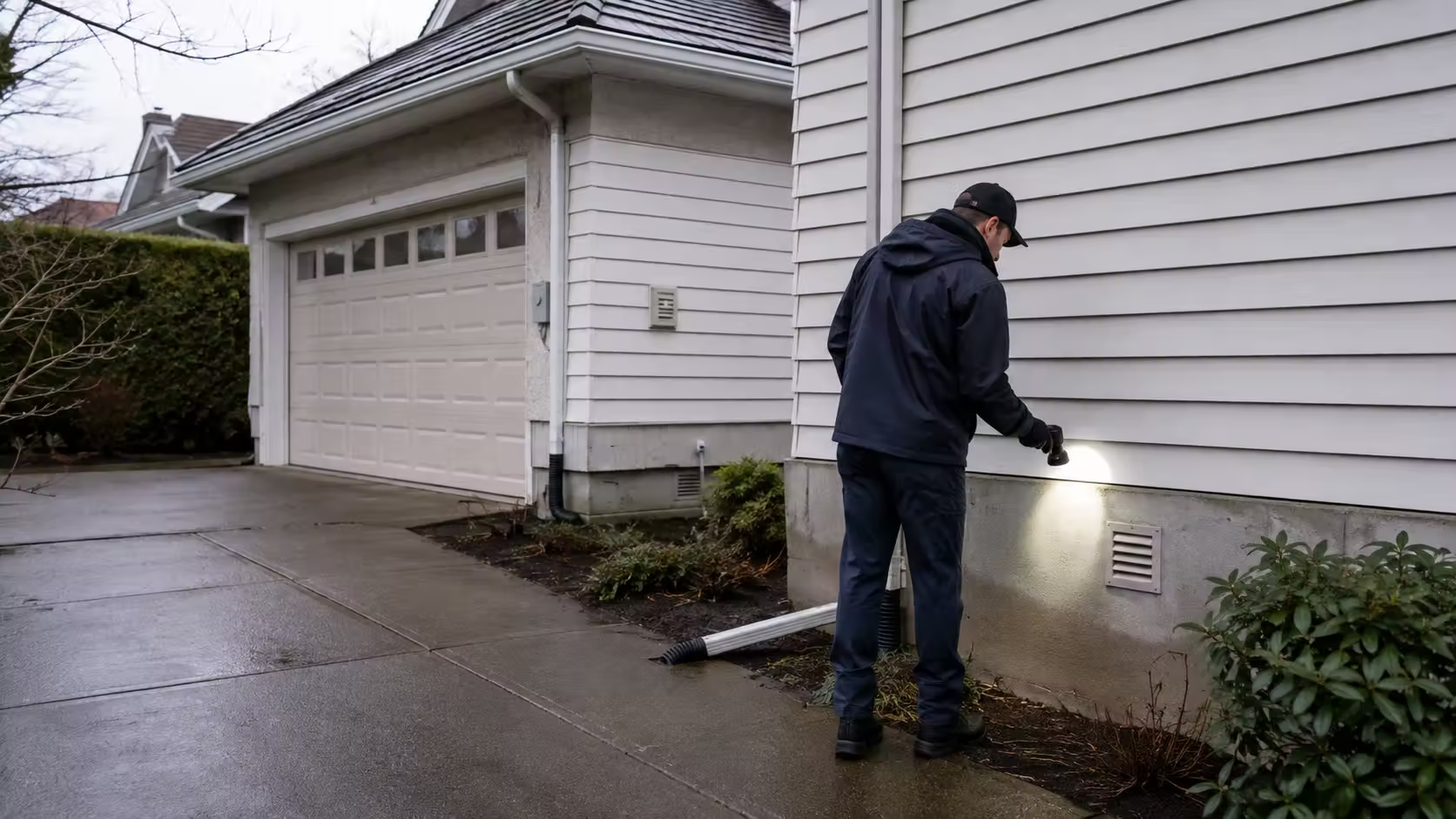
Begin your winter pest inspection outside. Walk around the entire perimeter and examine the building from the foundation to the roofline.
Pay attention to:
- Foundation cracks and damaged masonry
- Gaps between siding and other materials
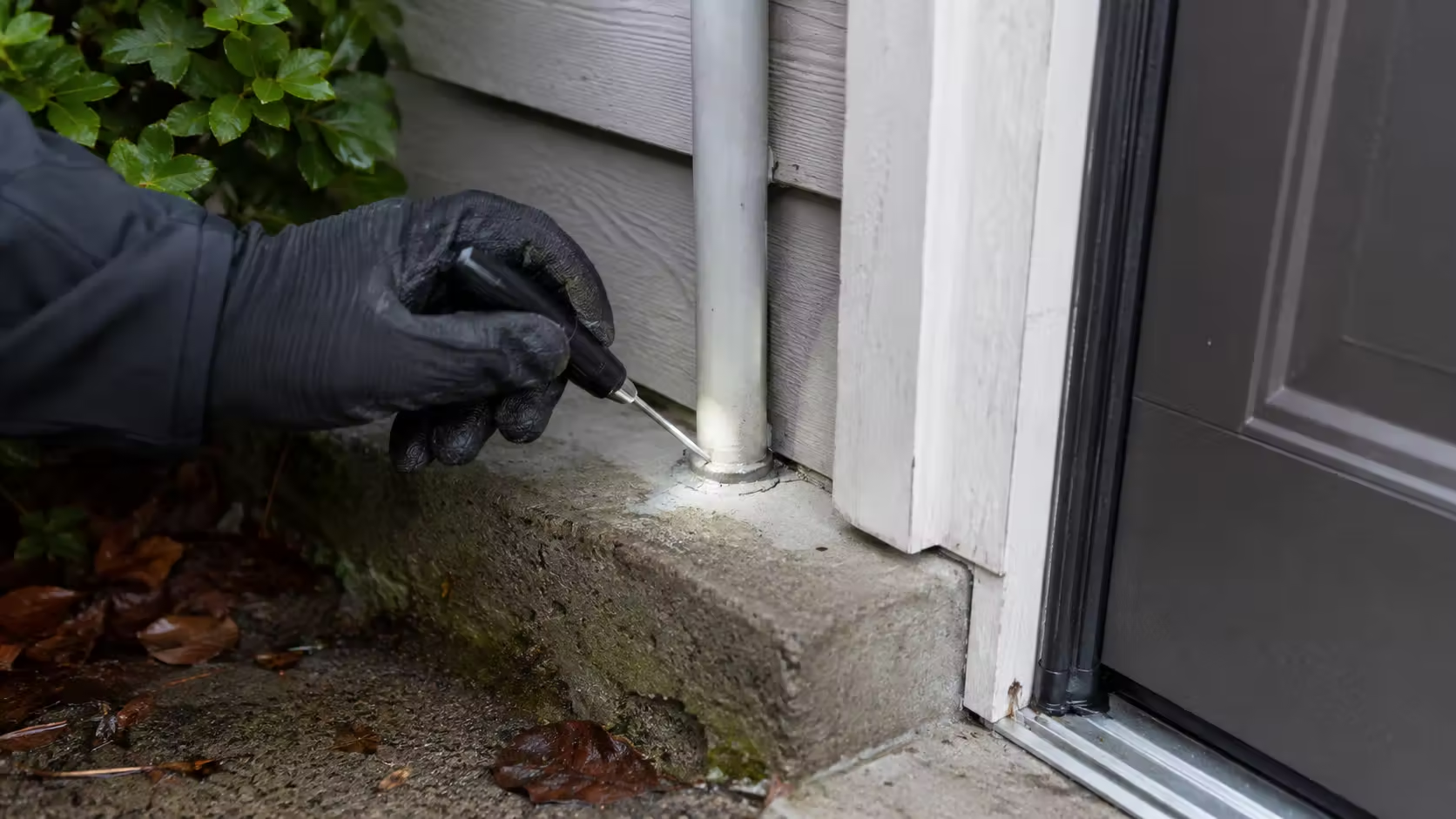
- Openings around pipes, cables, and utility lines
- Window and exterior door frames
- Garage walls and door corners
- Damaged screens or exterior covers
- Spaces beneath decks, stairs, and attached structures
Even a well-maintained home can develop openings as materials shift, deteriorate, or separate over time.
Use repair materials appropriate for the surface and size of the opening. If you suspect animals are already inside, avoid immediately sealing every gap. Closing an active entry point without addressing the infestation could trap pests within the building.
2. Check Doors, Windows, Vents and Soffits
Exterior doors should close securely without noticeable gaps around the edges or underneath. Inspect door sweeps and weatherstripping for wear, cracking, or poor contact.
Garage doors require particular attention. Small openings along the lower corners or sides can provide pest access, especially when food, cardboard boxes, or stored materials are available inside.
Repair torn window screens and inspect ventilation covers for damage. Look above eye level as well. Soffits, fascia, roof edges, attic vents, and upper window frames are commonly overlooked during homeowner inspections.
Never climb onto a wet roof or use an unstable ladder to inspect difficult areas. If a section cannot be viewed safely, arrange for a qualified professional to inspect it.
3. Trim Vegetation and Remove Outdoor Debris
Branches, shrubs, and vines that touch a home can create sheltered pathways toward walls, windows, and rooflines. Trim vegetation where practical and maintain enough clearance to inspect the exterior properly.
Remove accumulated leaves and organic debris from:
- Foundation edges
- Window wells
- Exterior stairs
- Decks and patios
- Drainage areas
- Sheds and garages
- Areas beneath dense shrubs
Move firewood, unused equipment, planters, and stacked materials away from exterior walls when possible. These items can create protected spaces where pest activity remains unnoticed.
Waste and recycling containers should have secure lids. Clean spilled materials and avoid allowing food waste to accumulate around the property.
4. Eliminate Indoor Food and Water Sources
Once the exterior has been inspected, focus on the conditions that could encourage pests to remain indoors.
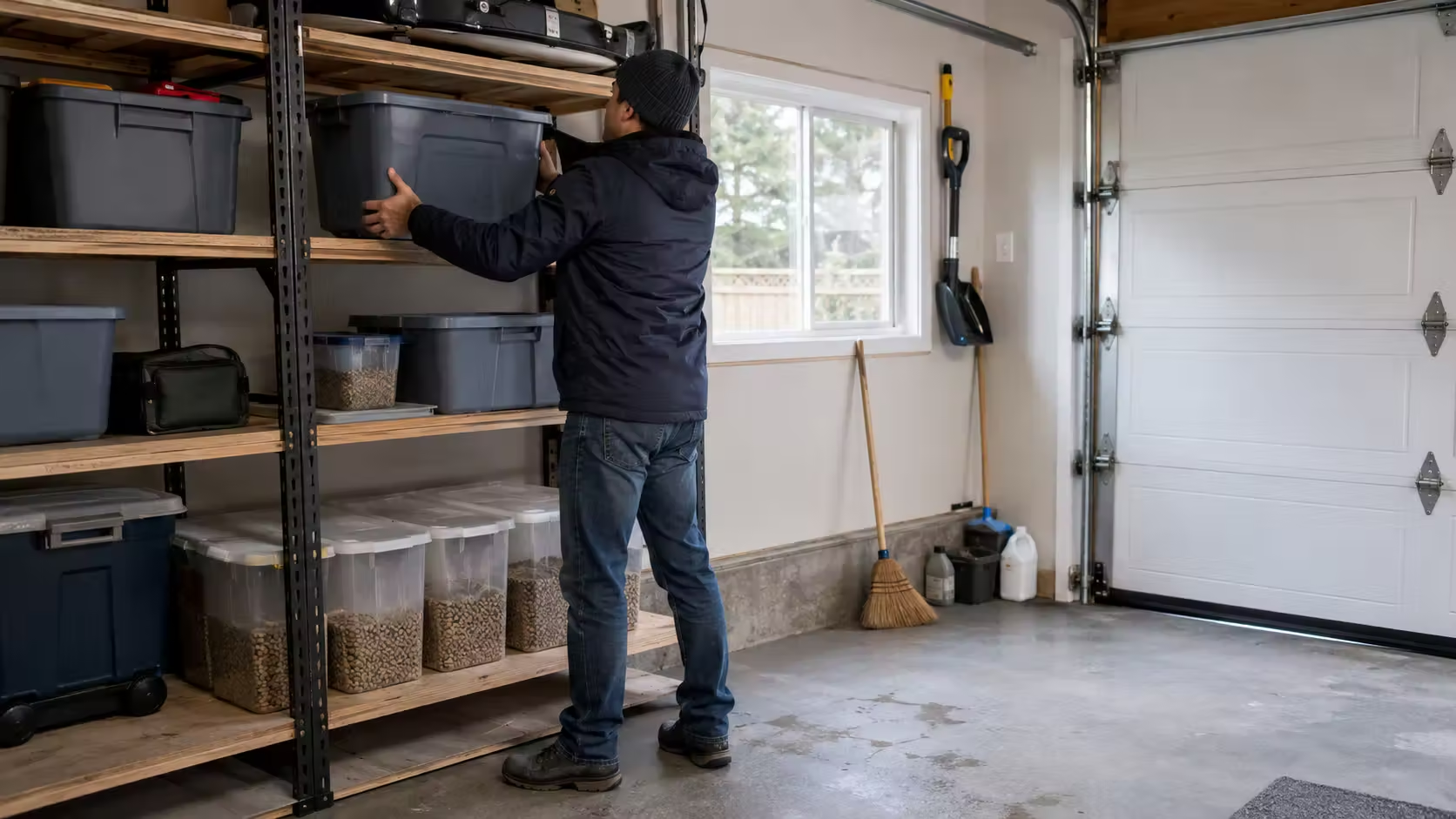
Store grains, cereals, baking ingredients, pet food, and other dry goods in durable containers with tightly fitted lids. Clean crumbs and spills beneath appliances, inside lower cabinets, and around pet-feeding areas.
Check older pantry products for holes, damaged packaging, droppings, or insects. Avoid leaving pet food available overnight, particularly in garages, basements, or utility rooms.
Water is another important attraction. Inspect beneath sinks, around appliances, and near plumbing connections for leaks. Address dripping taps, damp storage areas, persistent condensation, and moisture in basements or crawl spaces.
When droppings, gnawing, or repeated noises indicate an active infestation, professional rodent control in Vancouver can help identify the species, locate access points, and determine the appropriate treatment.
5. Reduce Clutter in Storage Areas
Winter often pushes outdoor belongings into garages, basements, attics, and storage rooms. When these areas become crowded, pests gain more places to hide and early warning signs become harder to detect.
Replace deteriorating cardboard boxes with sealed plastic containers where appropriate. Keep stored belongings off the floor when possible and leave enough space to inspect along walls, baseboards, and corners.
Regularly look for droppings, gnaw marks, webbing, egg sacs, damaged packaging, unusual odours, and shredded materials.
Reducing clutter does not guarantee that pests will stay away, but it improves visibility and makes inspections considerably more effective.
Where to Check for Winter Pest Activity
Attics and Crawl Spaces
Attics and crawl spaces provide darkness, protection, and minimal disturbance. Check accessible areas for damaged insulation, droppings, nesting material, webbing, unusual odours, or light entering through exterior gaps.
Inspect around vents, roof joints, pipes, cables, and access doors. Avoid disturbing suspected contamination or entering areas that are structurally unsafe.
Basements and Garages
Inspect garage door corners, foundation walls, floor drains, shelving, stored boxes, and utility penetrations. Look behind large items and along wall edges rather than checking only open floor areas.
In basements, watch for moisture, webbing, droppings, and activity around windows or plumbing connections. Frequent webs and repeated sightings may require professional spider control in Vancouver combined with measures that reduce the insects attracting spiders.
Kitchens, Pantries and Utility Areas
Check beneath sinks, behind appliances, inside lower cabinets, around baseboards, and near pipes entering walls. Look for food debris, damaged packaging, droppings, moisture, or unexplained marks.
Utility rooms may contain several pest attractions in one place, including warmth, water connections, drains, wall openings, and stored belongings. Keep the area clean and accessible enough for regular inspection.
Rooflines, Exterior Walls and Utility Openings
Not every pest enters at ground level. Examine vents, soffits, fascia, roof edges, upper siding, and exterior junctions where different building materials meet.
Cluster flies and other overwintering insects may access protected parts of a building before appearing around windows later. Recurring fly activity may require professional fly control in Vancouver to identify the insect and determine whether it is overwintering indoors or developing from another source.
Early Signs of a Winter Pest Problem
Winter pest activity often begins with small, easily overlooked clues. Early signs may include:
- Droppings along walls or inside cabinets
- Scratching sounds in ceilings or wall voids
- Gnawed food packages, boxes, or wiring
- Shredded paper, fabric, or insulation
- Webbing in corners and storage areas
- Flies appearing around closed windows
- Unusual odours in enclosed spaces
- Repeated pest sightings in the same area
- Pets focusing on a wall, cabinet, or appliance
Photograph anything unusual and record where and when it appeared. Note whether activity is increasing or occurring at a particular time. This information can help a pest control professional investigate the problem more efficiently.
What to Do If Pests Are Already Inside Your Home
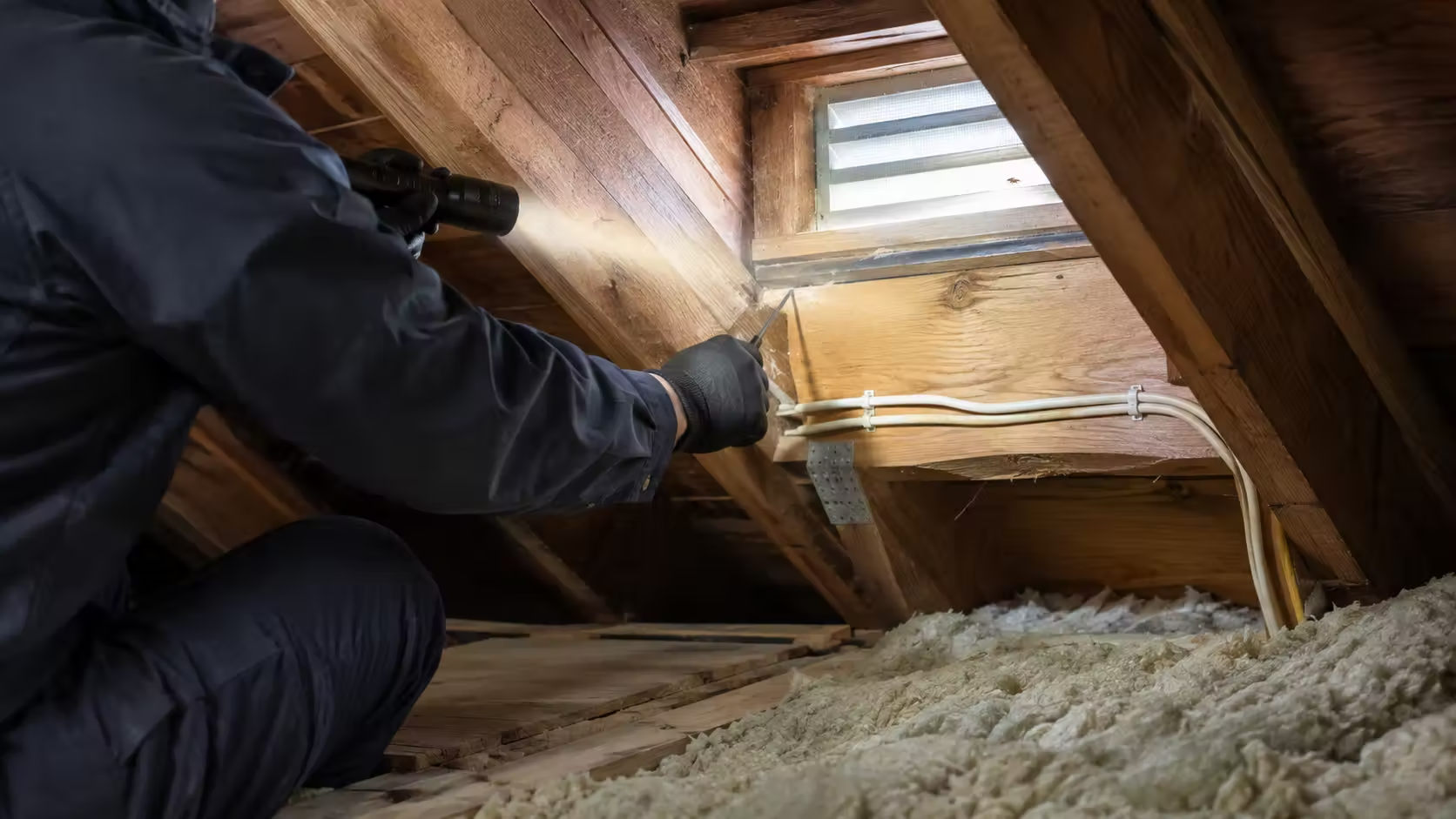
If pests are already inside, prevention alone may not resolve the issue. Sealing the first opening you find or placing traps only where a pest was seen can overlook additional entry points, nesting locations, or contributing conditions.
Avoid touching droppings or nesting materials with bare hands. Do not apply unidentified pesticides or place products where children or pets could reach them.
Remove accessible food sources, document the evidence, and arrange for proper pest identification. Once the active problem has been assessed, treatment and exclusion work can be coordinated safely.
When Should You Call a Pest Control Professional?
Consider professional assistance when:
- Pest sightings continue after cleaning and preventive work
- Droppings or damage repeatedly appear
- Noises are coming from walls or ceilings
- You cannot locate the entry point
- The affected area is difficult or unsafe to access
- Contaminated material may be present
- The pest cannot be confidently identified
- Activity is spreading to multiple rooms
A professional inspection should consider the entire property rather than only the place where the pest appeared. Entry points, moisture, food, shelter, vegetation, and structural conditions may all contribute to the infestation.
Protect Your Home Before Winter Pests Move In
Successful winter pest control begins with preparation. Inspect your home from the foundation to the roofline, correct vulnerable areas, manage food and moisture, trim vegetation, and keep storage rooms organized.
Most importantly, look beyond the room where a pest was first noticed. The actual source may be an exterior opening, damp crawl space, cluttered garage, attic vent, or utility penetration elsewhere on the property.
If you are noticing unexplained pest activity, Phantom Pest Control can inspect your Vancouver home, identify contributing conditions, and recommend the appropriate next step before a small seasonal issue develops into a larger infestation.
Frequently Asked Questions
1. What Are the Most Common Winter Pests in Vancouver?
Mice, rats, spiders, cluster flies, and other overwintering insects are commonly noticed during Vancouver’s colder months. Pest pressure varies depending on the condition of the property, surrounding vegetation, moisture, storage practices, and available entry points.
2. Why Do Bugs Come Inside the House in Winter?
Some insects enter buildings to find protection from colder temperatures, rain, and changing outdoor conditions. Attics, wall voids, window frames, roof spaces, and storage areas can provide sheltered overwintering locations.
Warm indoor environments can also allow certain pest species to remain active throughout winter.
3. Does Pest Control Work During Winter?
Yes. Winter pest control can be effective when the treatment is based on correct pest identification and a proper inspection.
Professional service may include addressing active pest populations, identifying access points, reducing contributing conditions, and recommending monitoring or exclusion work. The correct approach depends on the pest and the property.
4. How Can You Keep Mice and Rats Out During Winter?
Inspect the exterior, repair appropriate openings, maintain door sweeps, store food securely, manage waste, reduce clutter, and check garages, attics, and utility areas regularly.
If rodents are already inside, the active problem should be assessed before every suspected access point is sealed. This helps avoid trapping animals within walls or other inaccessible spaces.