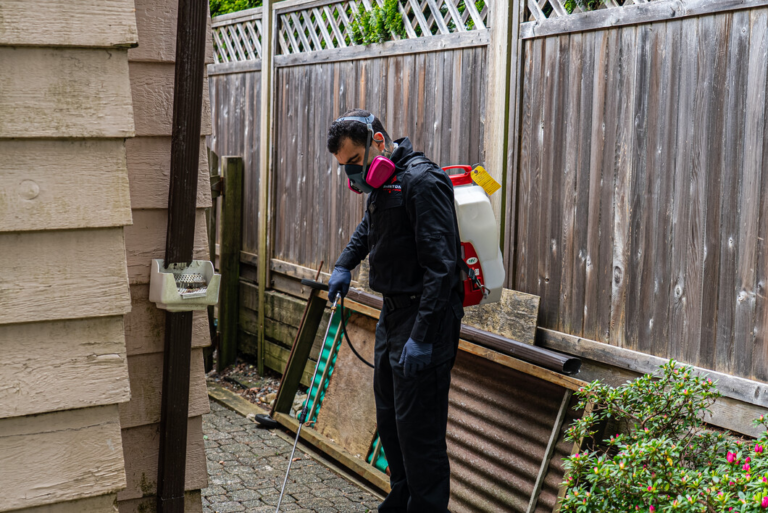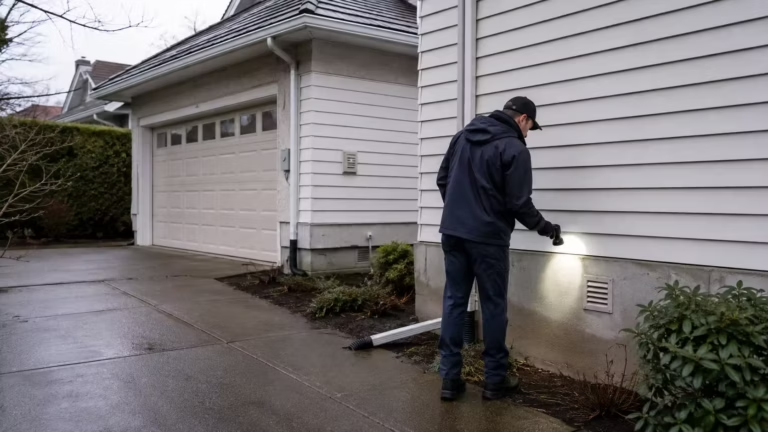

Common household pests in Vancouver include rats, house mice, carpenter and pavement ants, German cockroaches, bed bugs, silverfish, wasps, hornets, and house spiders. Fleas, carpet beetles, pantry moths, and clothes moths can also cause problems. Look for repeated activity, physical specimens, and damage before deciding what action to take.
This guide focuses on homes in Vancouver, British Columbia. These are locally relevant pest groups, not a ranking of prevalence. A single insect or spider does not necessarily indicate an infestation. Photograph what you find, note the location and date, and seek identification when the evidence is unclear.
On this page7 sections
Common Household Pests in Vancouver
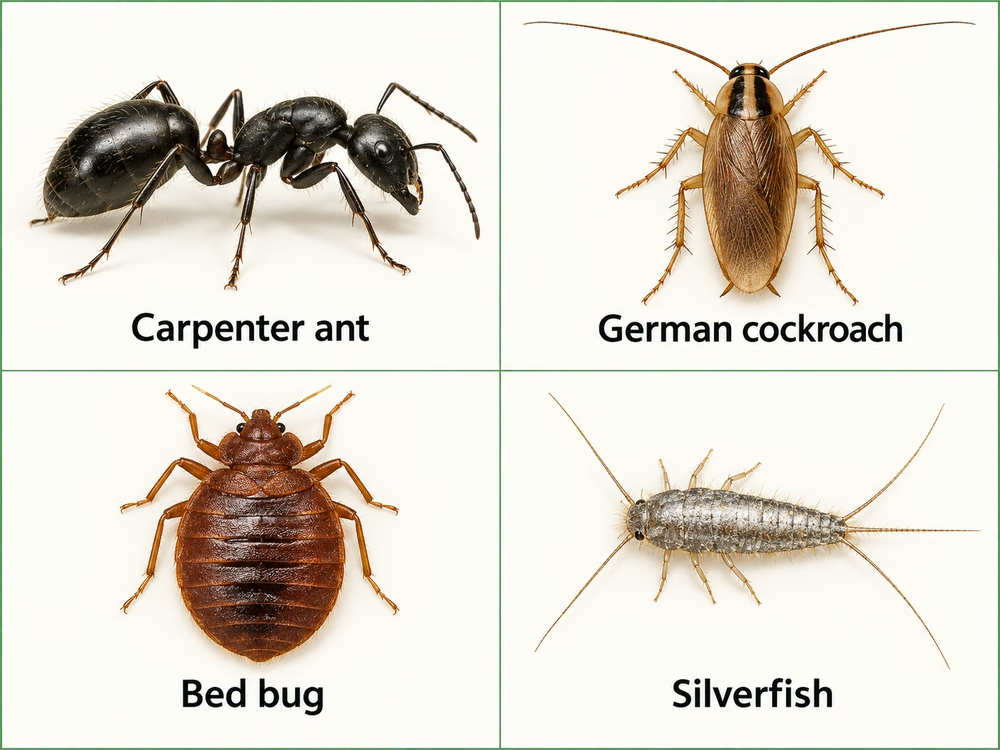
Use these clues to narrow your search. Colour, droppings, bites, or damage alone may be misleading; a specimen and an inspection can provide stronger evidence.
Household pest clues, hiding places, and concerns
| Pest | Identification Clues | Typical Hiding Places | Main Concern |
|---|---|---|---|
| Rats and house mice | Droppings, gnaw marks, torn packaging | Wall voids, cupboards, crawl spaces, attics | Food contamination and chewing damage |
| Carpenter ants | Large ants; sawdust-like debris near wood | Damp wood, wall voids, window frames | Wood excavation for nesting |
| Pavement ants | Small, dark ants; recurring food trails | Foundation edges, paving cracks, cabinets | Food contamination and nuisance activity |
| German cockroaches | Tan adults with two dark stripes behind the head | Warm appliance gaps and plumbing areas | Food contamination and allergens |
| Bed bugs | Flat, oval insects; shed skins and dark spotting | Mattress seams, bed frames, upholstered furniture | Bites, sleep disruption, and spread |
| Silverfish | Silvery, tapered body and three tail bristles | Damp crevices, storage, and bookcases | Damage to paper and starchy materials |
| Wasps and hornets | Repeated flight to one opening or a paper nest | Eaves, shrubs, wall cavities, ground nests | Stings when nests are disturbed |
| House spiders | Eight legs; webs or wandering individuals | Quiet corners, garages, basements | Usually a nuisance rather than damage |
| Fleas | Tiny jumping insects; pets scratching | Pet bedding, carpet edges, upholstery | Bites and irritation |
| Carpet beetles | Small oval beetles; bristly larvae or shed skins | Rug edges, closets, lint accumulations | Larval damage to animal-based materials |
| Pantry moths | Moths, larvae, or webbing in dry food | Food packages and cupboard crevices | Stored-food contamination |
| Clothes moths | Small moths; silken webbing or cases on textiles | Dark closets and undisturbed wool items | Larval fabric damage |
Rats and House Mice
Norway rats, roof rats, and house mice are common local rodents. Mice are much smaller, with relatively large ears. Norway rats are stockier; roof rats are sleeker and capable climbers.
Mouse droppings are usually about 6 mm long; rat droppings are larger, roughly 13–19 mm depending on species. Size is a clue, not a definitive identification. Chewed wiring, damaged insulation, or contaminated food warrant prompt attention. Secure food and record where signs appear; recurring evidence may require rodent control in Vancouver.
Do not sweep or vacuum rodent droppings. Follow HealthLink BC’s rodent clean-up guidance on ventilation, wet disinfection, and protective equipment. Extensive contamination deserves professional assessment.
Carpenter Ants and Pavement Ants
Carpenter ants are generally larger than pavement ants, and workers within a colony can vary in size. Under magnification, carpenter ants have one waist node and a smoothly rounded upper body; pavement ants have two waist nodes. Small dark ants cannot reliably be named by colour alone.
Carpenter ants excavate wood to build nests; they do not eat it. Sawdust-like debris near damp framing deserves investigation, although other wood pests can leave debris too. Pavement ants usually nest in soil or beneath paving and enter for food, rather than excavating structural wood.
Start by following trails without disturbing them, removing accessible food, and checking for leaks. Persistent trails or suspected wood damage are reasons to arrange ant control in Vancouver.
German Cockroaches
Adult German cockroaches are approximately 13–16 mm long, with two dark parallel stripes on the shield behind the head. Young cockroaches are smaller and darker. Pepper-like droppings, egg cases, or repeated sightings near warm appliances can indicate activity.
They shelter in narrow gaps near food and water, including fridge motors and sink cabinets. Cockroaches can contaminate food and contribute to indoor allergens. Clean spills, dry accessible moisture, and use monitoring traps according to their instructions. Repeated sightings in a shared building call for coordinated inspection. Phantom’s cockroach control in Vancouver focuses on identifying hiding areas and addressing food and moisture sources.
Bed Bugs
Adult bed bugs are flat, oval, and reddish-brown before feeding; younger stages can be pale and difficult to see. Inspect mattress seams, bed-frame joints, and nearby furniture for insects, shed skins, tiny eggs, or dark faecal spots. Bites alone cannot confirm bed bugs.
The concerns include itchy reactions, disturbed sleep, and movement between belongings or rooms. Take clear photographs and retain a safely contained specimen if possible. Avoid moving potentially infested furniture elsewhere. Bed bug control in Vancouver can help confirm the problem and plan follow-up.
Silverfish
Silverfish have a wingless, carrot-shaped body, long antennae, and three tail bristles. They move quickly when disturbed. Look in damp storage, beneath sinks, behind baseboards, and among books or cardboard.
They may scrape paper, feed on glue and starch, and stain stored items. They are not considered harmful to people. Repair leaks, improve ventilation, and reduce paper clutter. If sightings or material damage continue, consider silverfish control in Vancouver to assess the affected areas.
Wasps and Hornets
Yellowjackets often have black-and-yellow markings, while bald-faced hornets have black-and-white markings. Names and colours can be confusing; do not approach a nest to identify its occupants. Repeated flights into a siding gap, ground opening, or paper nest are more useful observations from a distance.
Wasps also prey on insects, so an isolated visitor does not automatically require treatment. A nest beside a doorway or play area presents a different concern. Keep people and pets away and seek assessment, especially where sting allergies are involved. For a nest near occupied areas, wasp control in Vancouver can help assess the location and plan removal.
House Spiders
Spiders have eight legs and two main body regions; some make webs, while others hunt without them. Webs may collect around window frames and undisturbed corners, but one spider is not evidence of an infestation.
Many household spiders help control insects and cause no structural damage. Remove unwanted webs, repair screens, and reduce insect access. Avoid handling an unfamiliar spider. If indoor activity remains a persistent nuisance, spider control in Vancouver can assess entry points and the insects attracting them.
Fleas
Fleas are tiny, dark, wingless insects that jump. Pet scratching or dark specks in fur can prompt investigation, but itching alone is not proof. Their immature stages develop around animal resting places. Vacuum carpets and upholstery, wash pet bedding, and ask a veterinarian about a species-appropriate treatment. If activity continues indoors, flea control services in Vancouver can address affected resting areas alongside veterinary care for pets.
Carpet Beetles
Carpet beetle adults may be mottled or dark; their larvae are bristly and can leave shed skins near damaged wool or other animal-based materials. Inspect rug edges and stored textiles, remove lint and pet hair, and clean affected items according to their care labels. The larvae, rather than the adults, cause fabric damage. For recurring damage or uncertain identification, beetle control services in Vancouver can help determine the species and source.
Pantry and Clothes Moths
Pantry moths and clothes moths require different searches. Indianmeal moths, a pantry pest, have two-toned forewings with pale bases and reddish-brown outer portions. Their larvae leave webbing in dry goods. Isolate and discard infested food, then check nearby packages and cupboard seams. Recurring webbing or larvae in dry goods may require pantry pest control services in Vancouver.
Webbing clothes moths are small and golden, usually staying near dark textile storage. Their larvae damage wool, fur, and feathers, sometimes leaving silken webbing; other clothes moth larvae make portable cases. Inspect and clean vulnerable items before covered storage. A moth’s location is a starting clue, not confirmation of its identity. If textile damage continues, moth control services in Vancouver can help locate the source and distinguish clothes moths from pantry pests.
Where Pests Hide in Vancouver Homes

These locations help organize an inspection. Pests are not confined to one room: food, water, shelter, and access routes can connect several areas or neighbouring units.
Kitchens: Cockroaches and Pantry Pests
Check cabinet hinges, the sink cabinet, and accessible gaps beside appliances with a flashlight. Inspect flour, cereal, nuts, spices, and pet food for insects or webbing. Avoid reaching into electrical equipment. Pantry larvae may wander away from food to pupate, so a moth on the ceiling does not reveal the original source.
Bathrooms: Silverfish
Look around plumbing penetrations, vanity bases, and loose trim. Repeated silverfish sightings can justify checking for condensation, ineffective extraction, or hidden leaks. Drying the room after use helps, but bathroom cleaning alone will not correct moisture inside a wall or adjoining crawl space.
Bedrooms: Bed Bugs and Fleas
Inspect bed seams and joints without dismantling electrical fittings or spreading belongings through the home. Check pet sleeping areas and carpet edges for fleas. Upholstered chairs and sofas also matter, especially where people or pets regularly rest. Keep a record of findings rather than relying on a pattern of skin marks.
Attics and Crawl Spaces: Rodents
Roof rats may use elevated spaces, while Norway rats often favour ground-level shelter. Mice can occupy either. Check accessible vent screens, hatch edges, and utility openings. Do not enter unsafe, cramped, or heavily contaminated areas; noises overhead can also come from wildlife and need proper identification.
Vancouver Pest Activity by Season
Seasonal patterns are tendencies, not deadlines. Weather, building conditions, and available food can change when activity becomes noticeable.
Spring and Summer: Ants and Wasps
Ant foraging and winged reproductive activity often become more noticeable during warmer months. Wasp colonies develop through spring and summer, with larger colonies attracting attention later in the season. Observe eaves and garden structures from a safe distance, and clean outdoor food spills promptly.
Fall and Winter: Rodents
Cooler, wetter conditions can make indoor shelter attractive to rats and mice. Check door sweeps, foundation gaps, and food storage before winter. However, rodents can remain active locally throughout the year; finding signs in July deserves the same attention as finding them in November.
Year-Round: Indoor Infestations
Heated rooms, reliable food, and persistent moisture can support cockroaches, bed bugs, silverfish, fleas, and stored-product pests regardless of the season. Bed bugs may arrive with belongings at any time. Regular monitoring is more useful than assuming winter has ended an indoor problem.
How to Prevent Household Pests
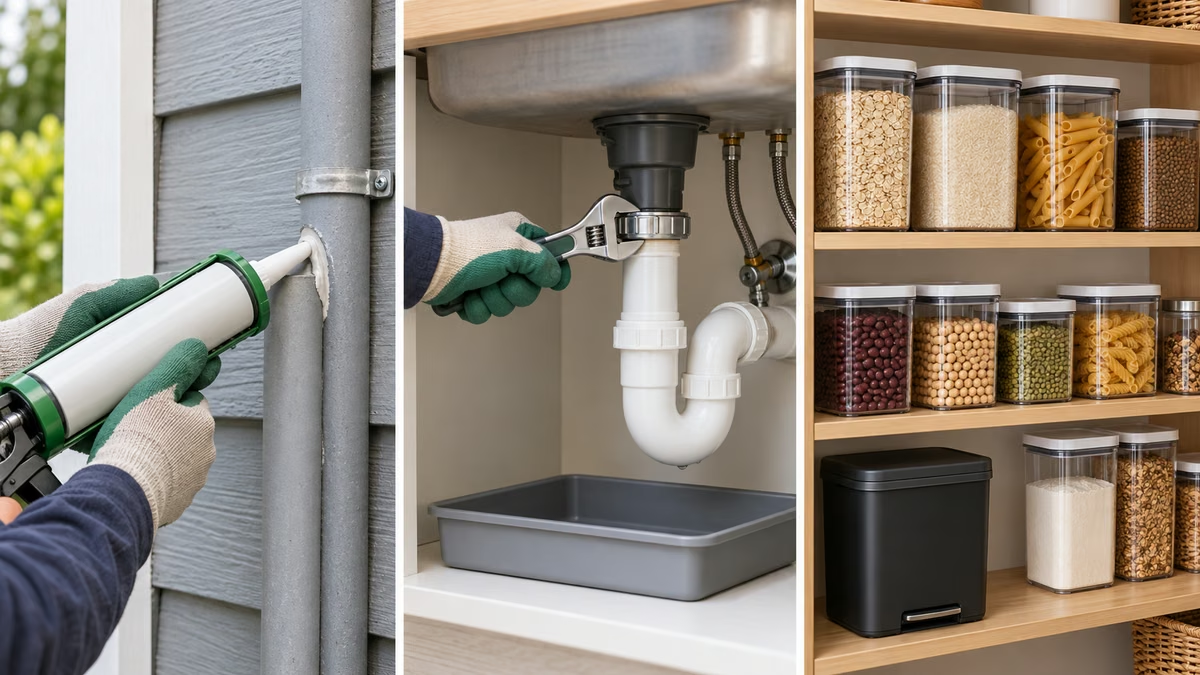
Integrated pest management combines identification, monitoring, prevention, and targeted control when needed. Keep a simple log of sightings and repairs so you can judge whether activity is falling. Cleanliness reduces resources for some pests, but an infestation does not establish that residents have been careless.
Seal Gaps and Fix Moisture Problems
- Inspect exterior doors, window screens, foundation cracks, and gaps around service pipes. Fit sound door sweeps and repair damaged screens.
- Use durable, suitable materials for rodent entry points; easily chewed filler alone may fail. Preserve required ventilation and drainage openings.
- Repair dripping taps and plumbing leaks. Use bathroom extraction and investigate recurring condensation or damp timber.
- Keep firewood and stored materials away from exterior walls, and reduce vegetation touching the building.
- Inspect second-hand furniture and travel belongings before bringing them into living spaces.
If animals are already using an opening, arrange assessment before closing it. Phantom’s pest proofing exclusion work addresses entry points and building vulnerabilities.
Secure Food, Garbage, and Compost
- Store dry groceries, birdseed, and pet food in sturdy containers with tight-fitting lids. Inspect new packages before adding them to storage.
- Wipe spills and remove crumbs from accessible appliance edges and cupboards. Clear uneaten pet food after feeding.
- Keep garbage covered, clean food residue from bins, and follow local composting instructions. Avoid loose food waste beside collection containers.
- Remove fallen fruit and spilled birdseed outdoors. Reduce clutter that prevents inspection or provides nesting shelter.
- Clean wool garments before covered storage and periodically inspect rug edges, closets, and pet bedding.
If a pesticide is needed, choose a Health Canada-registered product with a Pest Control Products registration number and follow every label direction. Never apply it to people, pets, or bedding unless that use is explicitly permitted.
When to Call a Pest Control Professional
Professional help is appropriate when the problem needs reliable identification, safe access, or treatment beyond straightforward prevention. Useful reasons include:
- Fresh signs recur after food, moisture, and accessible entry problems have been addressed.
- Activity spreads between rooms or units, or suspected bed bugs need confirmation.
- You find wood excavation, chewed wiring, extensive droppings, or inaccessible nesting areas.
- A wasp nest is close to people, inside a building cavity, or unsafe to assess.
- Children, pets, or health concerns make treatment choices harder to manage safely.
Share photographs, dates, affected locations, and previous treatments. Ask what evidence supports the identification, what preparation is required, and how follow-up will measure results. Renters should notify their landlord promptly so building-wide action can be coordinated. Phantom’s residential pest control covers homes and rental properties, with inspections, targeted treatment, and prevention recommendations.
Conclusion
Recognizing common Vancouver pests starts with observable evidence, not assumptions about bites, cleanliness, or the season. Identify the likely pest, remove accessible food and moisture, address entry points, and monitor the result. For recurring activity or concerns requiring safe assessment, explore Phantom’s pest control in Vancouver or call 604-771-0404 to discuss the next step.
FAQ
1. What Pests Are Common in Vancouver Homes?
Common household pests include rats, house mice, ants, German cockroaches, bed bugs, silverfish, wasps, and house spiders. Fleas, carpet beetles, and pantry or clothes moths can also occur. The likely pest depends on the signs, affected materials, and location; a sighting alone does not establish an infestation.
2. Are Silverfish Harmful to People?
Silverfish are not considered harmful to people. Their main impact is damage or staining to paper, books, wallpaper, and other starchy materials when activity persists. A single sighting is usually a reason to check moisture and storage conditions. Repeated sightings or damage justify a closer inspection and targeted prevention.
3. Do Carpenter Ants Eat Wood?
No. Carpenter ants excavate wood to create nesting galleries and push debris out; they eat other foods, including insects and sugary substances. Damp or decaying wood can provide a starting point, although nests may extend into sound wood. Sawdust-like debris needs investigation because it can also have other causes.
4. Can Bed Bugs Infest a Clean Home?
Yes. Bed bugs can arrive on luggage, furniture, clothing, or other belongings and establish themselves in a clean home. Cleanliness does not prevent introduction, although reducing clutter can make inspection and treatment easier. Look for insects and other physical evidence; bites alone cannot establish that bed bugs are present.
5. What Should Vancouver Renters Do About Pests?
Notify your landlord in writing, document signs with photographs and dates, and cooperate with inspection and preparation. In buildings with shared walls or plumbing, report the affected rooms so an inspection can consider neighbouring units and common areas. If responsibility or repairs are disputed, seek case-specific guidance from the Residential Tenancy Branch.