If you share your home with a dog, cat, bird, fish, reptile, or another companion animal, it is natural to think about their safety before scheduling pest control. After all, pets spend more time close to floors, baseboards, yards, and other areas where pest activity—and treatment—may occur.
So, is pest control safe for pets? In most cases, professional pest control can be performed safely in a home with pets when the correct product is selected, the treatment is applied properly, and all preparation and re-entry instructions are followed. However, safety depends on the pest being treated, the application method, the species living in the home, and whether pets can access treated areas.
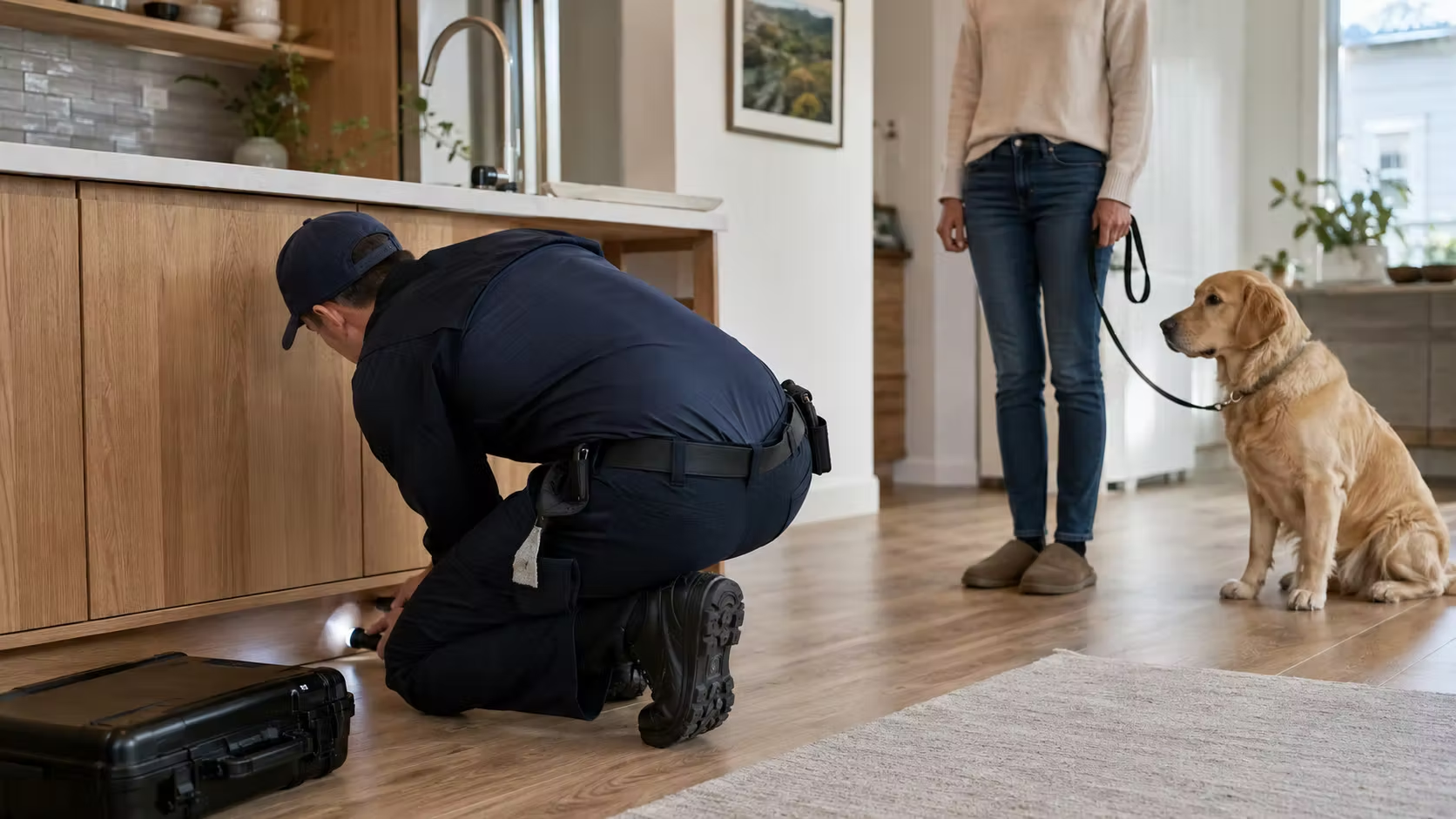
The most important step is to tell your pest control provider about every animal in the home before the appointment. This allows the technician to plan the treatment around your household and explain exactly what you need to do before, during, and after the service.
On this page8 sections
- Is Professional Pest Control Safe for Pets?
- What Affects Pest Control Safety?
- How to Prepare Pets Before Pest Control
- How Long Should Pets Stay Away After Treatment?
- What to Do When Pets Return Home
- Why DIY Pest Control May Put Pets at Risk
- Choosing Pet-Conscious Pest Control in Vancouver
- Frequently Asked Questions
Is Professional Pest Control Safe for Pets?
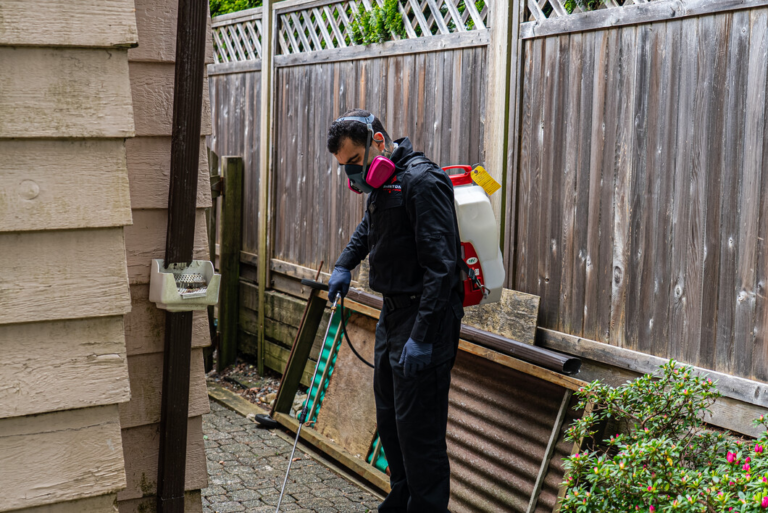
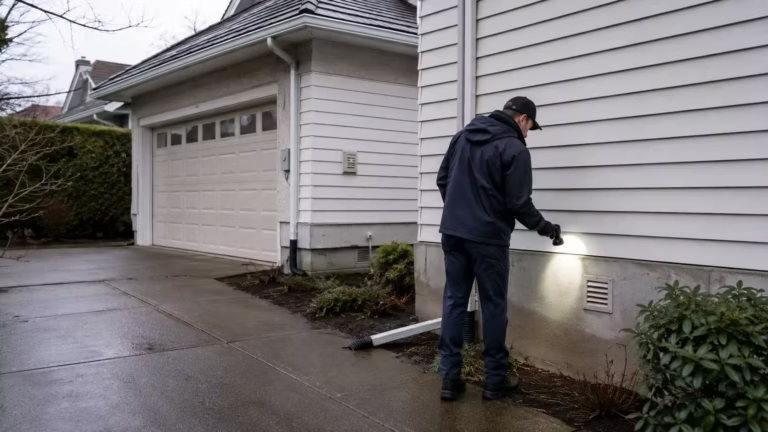
Professional pest control is designed to control a specific pest in specific areas of a property. A trained technician should begin by identifying the pest, determining where it is active, and choosing an appropriate treatment instead of unnecessarily applying products throughout the home.
In Canada, pest control products must be registered and used according to their approved labels. Those labels specify where and how a product may be applied, along with precautions, ventilation requirements, and any period during which people or animals must remain away.
Professional treatment can therefore be pet-conscious, but that does not mean every product or application is harmless in every situation. A product suitable for use in a crack behind a kitchen cabinet may not be appropriate near an open aquarium, pet bedding, or a bowl of drinking water.
Pets may also encounter pest control products differently from people. A dog might lick a treated surface, while a cat may walk through an area and later groom its paws. Birds have sensitive respiratory systems, and fish or amphibians may be affected by relatively small amounts of certain airborne or waterborne substances.
That is why the answer is not simply “yes” or “no.” Pest control safety depends on correct planning, controlled application, and strict adherence to the instructions provided for that particular treatment.
What Affects Pest Control Safety?
Several factors determine whether a pest control service can be carried out appropriately in a home with animals.
Type of Treatment and Product
Pest control is not a single treatment. Depending on the infestation, a technician may use:
- Enclosed bait stations
- Gel baits
- Crack-and-crevice applications
- Targeted residual treatments
- Traps or monitoring devices
- Dust applied inside inaccessible voids
- Heat or non-chemical control methods
- Exclusion work that seals pest entry points
Each method has different precautions. A gel bait placed inside a protected cabinet hinge, for example, presents a different exposure concern from a liquid treatment applied along an exterior foundation. Rodent control also requires special care because rodenticides and unsecured traps can put curious pets at risk.
Professional rodent control in Vancouver should include careful inspection, appropriate placement of control devices, and steps to prevent pets from accessing traps or bait.
The active ingredient is only part of the safety assessment. The formulation, amount, application site, ventilation, and accessibility of the treated area also matter. Products should never be described as universally “pet-safe” without considering how and where they will be used.
Application Area and Re-Entry Time
Treatments applied inside wall voids or inaccessible cracks may require different precautions from broad surface applications. In many cases, dogs and cats must remain outside the treatment area during application and until the product has dried. Other services may require a longer absence.
The correct re-entry period is the one specified on the product label and communicated by the technician. It should not be replaced by a general rule found online because products and treatment methods vary.
Outdoor treatments also require planning. Keep pets away from treated lawns, garden edges, patios, and building perimeters until the technician confirms that access is permitted. Rain, humidity, temperature, and the type of surface may affect drying time.
How to Prepare Pets Before Pest Control
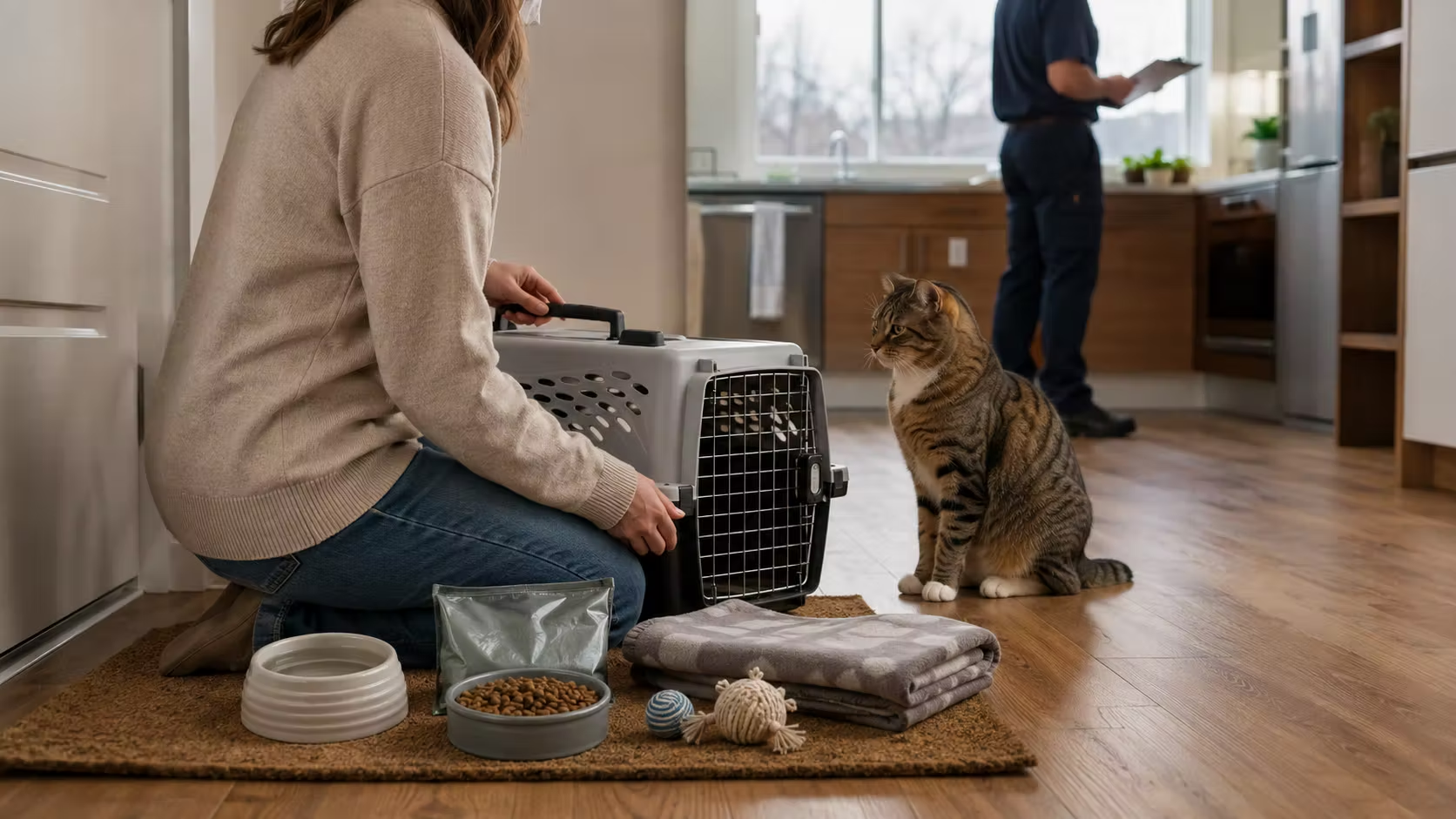
A little preparation can prevent accidental exposure and help the technician work efficiently.
Before the appointment, tell the pest control company:
- What types of pets live in the home
- How many animals are present
- Whether any pet is elderly, pregnant, unwell, or unusually sensitive
- Where cages, tanks, beds, feeding stations, and litter boxes are located
- Whether pets roam freely indoors or outdoors
- Whether your dog or cat tends to chew, dig, lick floors, or investigate unfamiliar objects
Do not wait until the technician arrives to mention an aquarium, bird room, or free-roaming reptile. Some animals require preparation that should be completed before treatment begins.
Remove Pets and Their Belongings
Unless the technician specifically says otherwise, arrange for pets to stay in an untreated part of the property or, preferably, away from the home during treatment.
Remove or securely store:
- Food and water bowls
- Pet food and treats
- Toys and chews
- Beds, blankets, and scratching pads
- Litter boxes
- Grooming supplies
- Leashes and fabric carriers near treatment areas
Covering these belongings may not always provide enough protection, particularly if a spray, aerosol, or dust application is planned. Removing them from the treatment area is generally the more reliable option.
If fleas are the target pest, the technician may provide special instructions for washing bedding, vacuuming carpets, and coordinating treatment of the home with veterinary care for the pet. A household treatment does not replace flea medication prescribed or recommended by a veterinarian.
Protect Fish Tanks, Bird Cages, and Terrariums
Fish, birds, amphibians, and reptiles deserve special attention. Some pest control ingredients can be especially hazardous to aquatic animals, and birds may be more sensitive to airborne contaminants than dogs or cats.
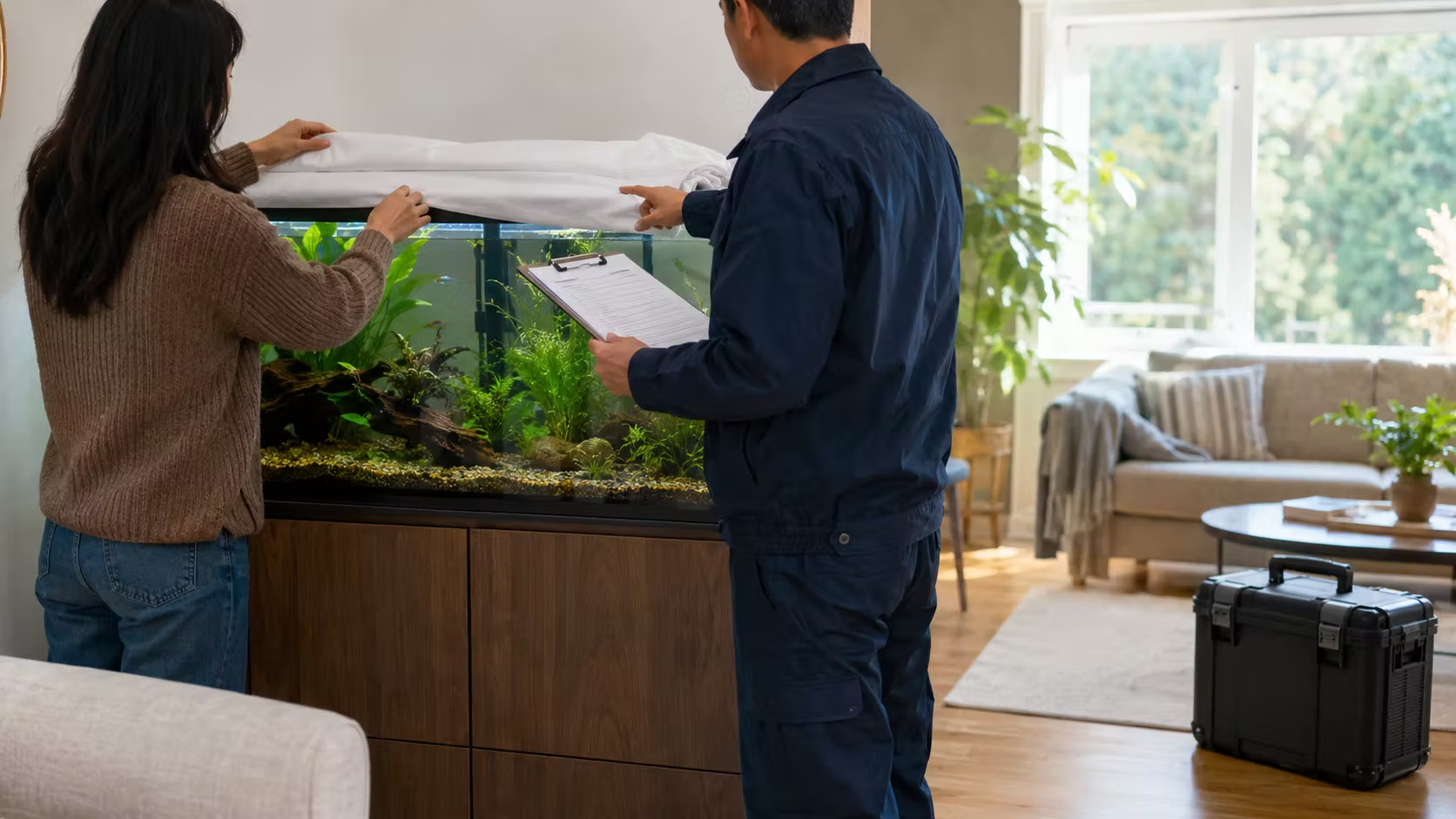
Whenever possible, move small tanks, terrariums, and cages out of the treatment area. If an aquarium cannot be relocated, ask the technician for product-specific instructions. These may include securely covering the tank and temporarily turning off air pumps so they do not draw airborne material into the water.
Never turn off filtration, heating, or oxygenation equipment without first considering the needs of the animals. The correct setup depends on the tank, the species, the duration of treatment, and the product being applied.
Bird cages should normally be removed from any area where airborne products may be used. After treatment, ventilate the space as instructed before returning birds or uncovering their enclosure.
How Long Should Pets Stay Away After Treatment?
There is no universal waiting period for every pest control service.
For certain liquid applications, pets may be allowed to return once treated surfaces are completely dry and the room has been ventilated. Other products may have a stated re-entry interval of several hours or require additional precautions. Treatments involving aerosols, fogging, fumigation, heat, or extensive interior applications can follow very different procedures.
Always ask the technician these questions before leaving:
- When can people return?
- When can dogs and cats return?
- Are the instructions different for birds, fish, or reptiles?
- Which rooms or outdoor areas were treated?
- Does the home need to be ventilated?
- Can pets touch the treated surfaces once dry?
- Are any bait stations, traps, or monitoring devices present?
- Is there anything that must not be cleaned or moved?
Get a clear answer based on the actual treatment rather than assuming that a familiar waiting period applies. If you are unsure whether an area is ready, keep pets away and contact the pest control provider.
What to Do When Pets Return Home
Before bringing pets back inside, confirm that the required re-entry time has passed. Check that treated surfaces are dry, complete any ventilation instructions, and make sure food bowls, toys, bedding, and litter boxes are returned only after the area is ready.
Inspect accessible spaces for anything your pet might disturb. Do not move bait stations or monitoring devices, but contact the technician if one appears loose, damaged, or within your pet’s reach.
For the first few hours, pay attention to your pet’s behaviour. Excessive drooling, vomiting, tremors, weakness, breathing difficulty, unusual agitation, or loss of coordination can indicate possible exposure to a harmful substance. These symptoms can have many causes, but they should not be ignored.
If you believe your pet touched, licked, inhaled, or swallowed a pest control product:
- Move the animal away from the area.
- Prevent further licking or grooming if you can do so safely.
- Contact a veterinarian or emergency veterinary clinic immediately.
- Call the pest control provider to identify the product and active ingredient.
- Keep the product label or treatment record available.
- Do not induce vomiting or give a home remedy unless a veterinarian directs you to do so.
Knowing exactly what was applied will help the veterinarian assess the situation more efficiently.
Why DIY Pest Control May Put Pets at Risk
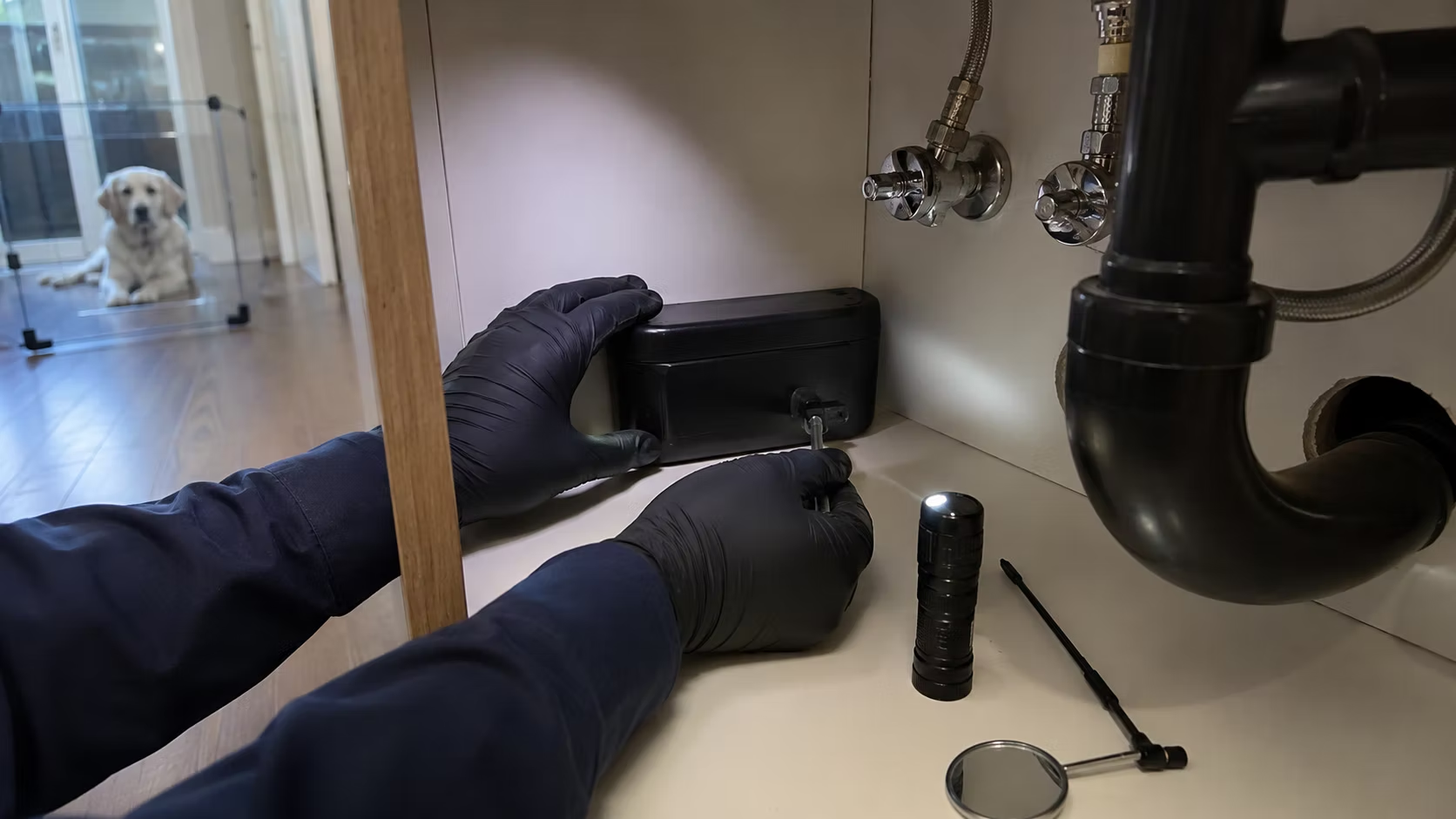
Over-the-counter pest control can appear simple, but misuse may increase both the exposure risk and the severity of the infestation.
Common DIY mistakes include:
- Applying more product than the label permits
- Combining several pesticides or household chemicals
- Spraying open floors where pets walk and rest
- Placing loose rodent bait where an animal can reach it
- Using outdoor products inside the home
- Applying treatment near food or water bowls
- Leaving ant or cockroach bait exposed
- Assuming a “natural” product cannot harm animals
- Reapplying before the recommended interval
Poor pest identification creates another problem. Different insects can require completely different control strategies. For example, spraying certain ants may scatter the colony and make the infestation harder to eliminate. Phantom’s guide on how to get rid of Pharaoh ants explains why correct identification and careful bait placement matter, particularly in homes with children or pets.
DIY treatments may also control only the pests you can see. Applying repeated sprays without addressing nests, harbourage areas, moisture, food sources, or entry points increases the amount of product in the home without necessarily solving the underlying issue.
If ants are repeatedly entering kitchens or pet-feeding areas, professional ant control in Vancouver can focus on the colony and its travel routes instead of relying on frequent surface spraying. Similarly, targeted cockroach control services in Vancouver can address hidden harbourage areas behind appliances, inside cracks, and along utility lines.
Choosing Pet-Conscious Pest Control in Vancouver
When choosing a pest control company, ask more than whether its services are “pet-friendly.” A trustworthy provider should be willing to explain how the proposed treatment works and what precautions apply to your animals.
Before booking, ask:
- Is the treatment appropriate for a home with pets?
- What products or control methods may be used?
- Where will they be applied?
- Do all pets need to leave?
- How long is the re-entry period?
- Are there special instructions for aquariums, birds, or reptiles?
- How will bait stations and traps be secured?
- Can you provide treatment details if my veterinarian needs them?
- Are prevention and exclusion options available?
A pet-conscious approach should begin with inspection and accurate identification. The goal is to apply the right treatment in the right place, reduce unnecessary exposure, and correct the conditions that allowed the pests to become established.
If you are dealing with pests in a pet-friendly household, Phantom Pest Control can assess the property, explain the available options, and provide preparation and re-entry instructions based on the pest, treatment, and animals in your home.
Frequently Asked Questions
1. Can Pets Stay Home During Pest Control?
Sometimes pets can remain in a separate, untreated part of the property, but this depends on the application method and the layout of the building. Pets should never be present in an area while a pesticide is being applied unless the product instructions expressly allow it.
Dogs and cats may also become stressed by unfamiliar technicians, equipment, sounds, or open doors. Even when chemical exposure is not a concern, arranging a safe space away from the work area may be the better choice.
2. Is Pest Control Safe for Dogs and Cats Once Dry?
Some registered spray treatments permit people and pets to return after the product has fully dried, but this is not a universal rule. The label may also require ventilation or a specific waiting period.
Ask the technician to confirm that the area is ready before allowing pets to walk, lie down, or groom themselves there. Never use “once dry” as a substitute for the instructions attached to the actual product.
3. What Should I Do If My Pet Contacts a Treated Area?
Move your pet away from the area and contact a veterinarian promptly. If possible, obtain the product name, active ingredient, registration information, application time, and estimated amount of exposure from the pest control provider.
Do not wash the animal, induce vomiting, or administer food, milk, medication, or another home treatment unless a veterinarian recommends it. The appropriate response depends on the substance and whether exposure occurred through the skin, eyes, mouth, or lungs.
With careful preparation, clear communication, and correct re-entry procedures, professional pest control can be carried out responsibly in homes with pets. Tell your technician about every animal in advance, follow the treatment-specific instructions, and ask questions whenever anything is unclear.