Pest Control in Squamish, BC
Phantom Pest Control is a licensed exterminator and pest control company for homes, strata buildings and businesses in Squamish, BC, from the condos of Downtown and the townhouses of Dentville to the large lots of Garibaldi Highlands and the river side of Brackendale.
- Fully licensed, insured and certified
- Read our Vancouver Google reviews
- Shores and riverbanks
- District boundary
- Creeks and rivers
- Parks and forest
- Serves
- The District of SquamishAt the head of Howe Sound, from Valleycliffe north to Brackendale
- Pests we treat
- Rats and mice, carpenter ants, wasps and bed bugsAlso raccoons, skunks and squirrels. Bears go to the Province’s line
- Health authority
- Vancouver Coastal HealthInspects Squamish restaurants and food premises
- Hours
- Office and Service Hours: Monday to Friday, 9 AM to 5 PMOpen 24/7 for pre-arranged commercial services
Why Book Phantom in Squamish
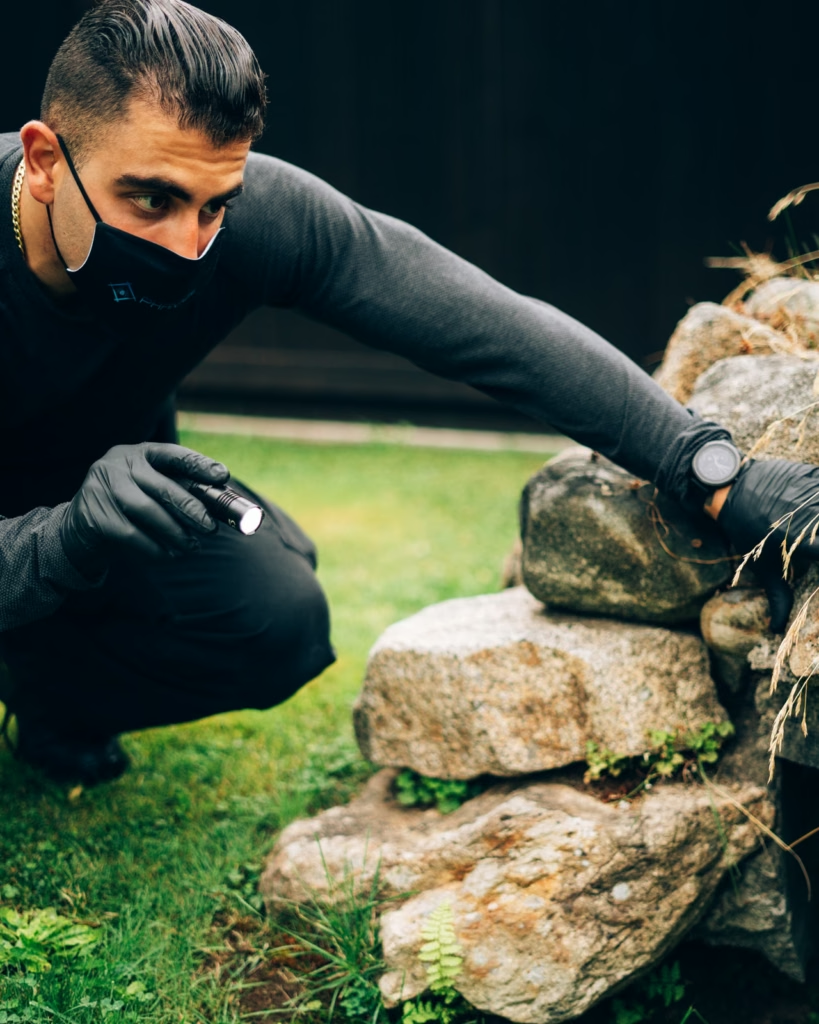
Checking a yard with a flashlight, what to have ready when you call, and reasons to book Phantom.

Why book Phantom
- 15+ years of pest control experience serving British Columbia
- A three-visit rodent program that seals gaps up to toonie size
- Our own K9 teams for bed bug screening
- A written report with photos after a home buyer or seller inspection
- Preparation sheets for bed bug, insect and rodent treatments, on the client forms page
Before you call
- Which part of town you’re in: Valleycliffe, the Estates, the Highlands, Brackendale or another
- What you’ve found and where, with a photo if you can take one
- Anything in your yard that feeds animals, such as compost, fruit trees, hens or a bird feeder
Estimates over the phone are free, Monday to Friday, 9 AM to 5 PM.
Pests to Watch Across Squamish
Squamish runs almost 15 km from south to north, and it’s wet: about 2,344 mm of precipitation a year at the airport, against 1,537 mm at Vancouver Harbour (1991–2020 normals). Black bears made up 472 of the 577 wildlife calls about Squamish to the Province’s line in the first ten months of 2017. We found no published count of rats, mice or insects by neighbourhood, so those notes follow the housing in each area, and the wildlife notes are dated reports.
- A
Downtown Squamish and Dentville
Cleveland Avenue, the estuary’s edge and the townhouses a walk north
The District’s economic development site describes new condos and townhomes Downtown, cafes and shops along Cleveland Avenue, and new higher-density townhouses in Dentville. Vancouver Coastal Health’s food premises guide names rodents, cockroaches, flies and birds as the most common pests in food businesses, and says an opening of ¼ inch lets rodents in. Bears reach the centre too: on September 17, 2026, an adult male black bear with a conflict history downtown walked into a grocery store, and conservation officers killed it. CBC calls the estuary next door a well-known spot for bear activity.
Related services
- B
Valleycliffe and Hospital Hill
The Stawamus River, the Smoke Bluffs and Crumpit Woods, under the Chief
Hospital Hill overlooks Highway 99 and Downtown beside the Smoke Bluffs, with large and small family homes, and Valleycliffe follows the Stawamus River at the south end of town, next to the Crumpit Woods development. In late September 2016 five bears came daily to Rose and Smoke Bluffs parks for English oak acorns and berries, then crossed the highway. A cougar was reported on a Crumpit Woods trail in August 2020. For the houses themselves, B.C.’s home and garden guide says carpenter ants infest homes particularly where wood is moist or unsound.
Related services
- C
Garibaldi Estates, Brennan Park and North Yards
The flat middle of town: Highway 99, the Mamquam River and the Business Park
This is the flat central valley. The Estates mix homes, townhouses, condos and businesses just off the highway, Brennan Park has been adding houses and townhomes, and North Yards has newer townhouses near the Business Park. Backyard animals have drawn trouble here. In 2016 a bear was destroyed after killing the hens from four coops in the Estates, none with a working electric fence. Separately, both of that year’s black bear attacks happened in the Estates, with relatively minor injuries. WildSafeBC’s bylaw guide says backyard hens have also contributed to rodent problems, so coops and feed are worth checking first.
Related services
- D
Garibaldi Highlands
The slope above the Estates, including University Heights
The Highlands are mainly single-family homes on large lots, with parks and mountain bike trails close by, and University Heights is the newer part. A resident was injured by a sow black bear here on May 21, 2017, and cougar alerts went out that fall. Bigger yards mean more to keep up: WildSafeBC says compost attracts animals from rats to bears and that seed left under feeders draws rats, and B.C.’s guide says hornets mostly nest in cedar hedges and dense vegetation.
Related services
- E
Brackendale
The north end, along the Squamish River, across from Brackendale Eagles Park
Brackendale sits where the Squamish River runs through the valley, with new and old detached homes, duplexes and townhouses and a rural feel. On September 8, 2026, the Conservation Officer Service told trail users to avoid the Ross Road and Ray Peters trails after reports that a grizzly sow and her cubs had returned, and in November 2019 it warned of aggressive coyotes, particularly here. CBC reported in 2026 that bears tip one Brackendale resident’s bins and have chewed off the handles, so start with bins and feed on a rural lot.
Related services
Who Handles What in Squamish
Phantom’s work is pests on private property. Bears and other dangerous wildlife go to the Province, the District enforces its attractant bylaw, and B.C. law sets the duties of landlords and food businesses. We read the provincial and health rules in November 2026. The District’s bylaw is described from dated reports, so confirm it and current amounts with the District.
| If you have | Who handles it | What to know |
|---|---|---|
A bear, cougar, coyote or wolf that’s a danger to people | BC Conservation Officer Service: 1-877-952-7277 | The line answers day or night. Call it if a bear is an immediate threat or a danger to public safety. The Province also asks people to report dangerous wildlife in town that’s getting into garbage or other human food. Source: RAPP line, Province of B.C. |
Garbage, fruit or feed left where bears can reach it | District of Squamish bylaw office | The Squamish-Lillooet Regional District’s page lists 604-815-5067 and bylaw@squamish.ca for unsecured attractants. The Wildlife Attractant Bylaw’s tickets ran from $230 to $500 when the Squamish Reporter covered its 2021 update, so check the current amounts and tote hours with the District. B.C.’s Wildlife Act s. 33.1 separately bars leaving attractants where people are or are likely to be, if they could draw dangerous wildlife and it could reach them. Source: Regional District, Squamish Reporter, Wildlife Act |
Rats, mice, raccoons, skunks, squirrels or insects at home | You, or a licensed pest control company | The Province says conservation officers don’t attend low-risk conflicts with raccoons, squirrels or skunks. For any District rule on rodents or property upkeep, ask the District. Source: Province of B.C. |
Pests in a restaurant or other food business | The operator, with Vancouver Coastal Health inspecting | The Food Premises Regulation, s. 26, makes operators keep premises free of pests and of conditions that lead to them. Inspections happen regularly and on complaint, with Squamish reports published online. Vancouver Coastal Health’s guide tells operators to keep pest control reports on site for at least 3 months. Source: Inspection reports, Food premises guide, Regulation |
Insects or rodents in a rental home | The landlord for insects, generally | The Residential Tenancy Branch says landlords are generally responsible for insect infestations such as bed bugs, and that local standards of maintenance bylaws decide who handles other pests such as rodents. It tells people to check with their local government. Source: Residential Tenancy Branch |
When Pests Peak in Squamish
Phantom publishes these seasons in words, such as “spring and summer”, and the months are our reading of them. Each note says where its detail comes from. The bear row is the span of dated Squamish encounters we found, not a published season, so a bear can still turn up outside it.
This month: November 2026
- Rats & mice
- Black bears (call the Province)
Not seasonal
- Bed bugs
- Cockroaches
Ants
March to August
B.C.’s guide says winged carpenter ants appear as early as February and are most numerous in May.
Wasps
May to September
B.C.’s guide says to destroy nuisance nests in early summer, before numbers build. In 2026 a Squamish cycling group warned riders about ground nests.
Rats & mice
October to March
November and January are the wettest months at Squamish’s airport station, and the Province suggests checking for entry points in spring and fall.
Wildlife
March to June
WildSafeBC says raccoons peak in breeding in March and April, with kits about two months later, and skunk kits are born in early May.
Black bears (call the Province)
March to November
Dated encounters we found run from a bluff charge in mid-March 2026 to an attack on November 8, 2016. That isn’t a full count of reports. WildSafeBC says bears typically den from November until April.
Not seasonal
Bed bugs
Phantom publishes no season for them, and it requires a K9 detection before bed bug treatment.
Cockroaches
Phantom publishes no season for them either. Vancouver Coastal Health lists them among the most common pests in food premises.
Neighbourhoods We Serve in Squamish
We work across the District of Squamish. These names come from the District’s plan and its economic development site, and they aren’t a complete list, so ask if yours isn’t here.
South and centre
- Downtown Squamish
- Dentville
- Valleycliffe
- Hospital Hill
- Brennan Park
- North Yards
The Estates and north
- Garibaldi Estates
- Garibaldi Highlands
- University Heights
- Brackendale
Nearby service areas
Further up or down Highway 99? Call or text 604-771-0404 and the office will confirm.
What Pest Control Costs, and How a Visit Works
Phantom’s published inspection fees and the four steps of a visit. When you call, confirm the fee for your Squamish address.
Inspection fees
- House
- $150 + GST
- Condo, apartment or townhouse
- $125 + GST
- Attic or crawl space
- + $50
- Waived if the service is booked on the same day.
- Commercial site inspection
- Free
- Estimate over the phone
- Free
Treatment prices for each pest
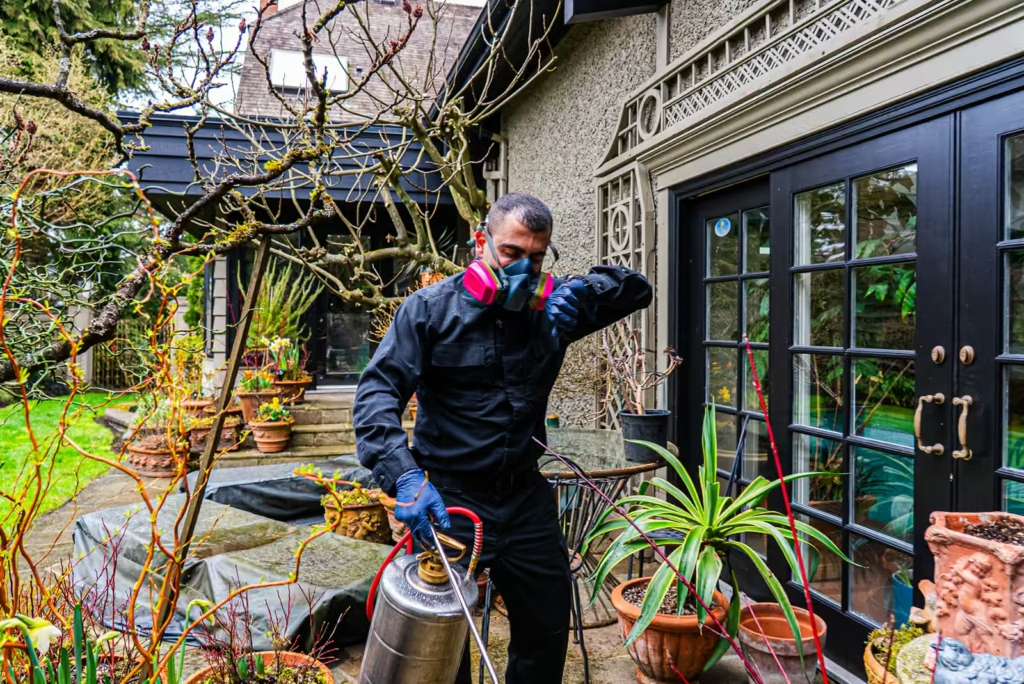
Describe the problem by phone
Call or text 604-771-0404 on a weekday between 9 AM and 5 PM. The estimate costs nothing.
An inspection where one is needed
The technician identifies the pest and finds how it gets in.
Get ready with the preparation sheet
For bed bug and cockroach treatments, the preparation sheets ask everyone to stay out for at least 6 to 8 hours. The bed bug sheet extends that to 24 hours for infants under 2, pregnant or nursing mothers, people with respiratory or immune conditions, and pets; the cockroach sheet lists its own group. The sheets are on the client forms page.
Treatment, then the weeks after
A few pests for a while after treatment is normal. Past the time on your sheet, call us.
Pest Control Services in Squamish
Start with the pest you’ve found or the kind of property you have; the pages linked below walk through the work.
By pest
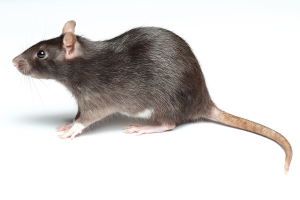
Rats and mice, with WildSafeBC’s advice in mind: block openings over 6 mm and don’t leave seed on the ground.
Raccoons, skunks and squirrels, which conservation officers don’t attend. Bears go to their line.
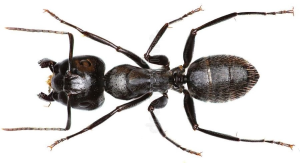
Carpenter ants, which B.C.’s guide says nest in wood, moist or unsound wood especially, but don’t eat it.
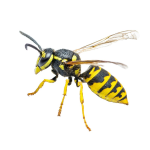
Yellowjackets nest in roofs, attics and sheds, B.C.’s guide says, and hornets mostly in hedges.
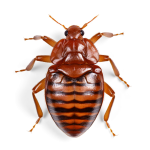
A K9 detection comes first: Phantom requires it before bed bug treatment.
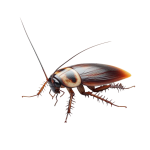
Gel baiting, dusting and monitoring. Vancouver Coastal Health lists cockroaches among the most common pests in food premises.
Birds are on Vancouver Coastal Health’s list of common pests in food premises.
Openings larger than the rodent program’s toonie-sized gaps, quoted as their own job.
For homes
Single-family and laneway homes
Large lots in the Highlands and detached houses in Brackendale.
One suite in a new Downtown building or an Estates complex.
The newer complexes of Dentville and North Yards.
Where rats and mice get in, above and below.
For hosts in a town where visitors spent over $400 million in 2024, Tourism Squamish says.
For buildings and businesses
Kitchen programs for food premises that Vancouver Coastal Health inspects.
Strata and apartment buildings
Building-wide programs for strata councils and landlords.
Retail stores and shopping centres
The shops of Cleveland Avenue and the businesses of the Estates.
Construction sites and new developments
New building work, from Downtown to the Business Park.
Squamish Pest Control Questions
Answers for homeowners, renters and businesses in Squamish.
Prefer to talk?
604-771-0404What do treatments cost in Squamish?
Phantom publishes its prices by pest. Cockroach gel baiting, dusting and monitoring runs $250–$350 + GST. A K9 bed bug detection for one unit is $195–$275 + GST, and bed bug treatment is $525–$695 + GST for a condo, apartment or townhouse or $725–$1,595 + GST for a house. Each pest page lists the rest. Those are the published prices, so confirm the price for your Squamish address when you call or text 604-771-0404.
How does rodent control work in Squamish?
It’s a three-visit program, published at $495–$650 + GST for a house and $395–$495 + GST for a condo; confirm the price for your address. Gaps up to the size of a toonie are sealed as part of it, and exclusion work covers larger openings. WildSafeBC advises blocking openings over 6 mm against mice and rats, and the Province suggests inspecting in spring and fall. Phantom’s program sheet says it removes its devices when a program ends.
Can you use rodent bait stations on a street with bears?
Ask before you book. Exterior baiting is published at a $150 + GST minimum setup, then $78.75–$95 + GST a visit with 30-day cancellation, but bears complicate it. The North Shore Black Bear Society’s sheet for West Vancouver tells residents to remove bait boxes, because bears break them open and eat the poison. We haven’t seen guidance on this specific to Squamish, so ask the District too. The Province says traps should come first and tells people to use domestic rodenticides only in tamper-proof stations, so talk through traps and sealing with the office first.
Is rat poison allowed in Squamish?
Not the strongest kind at most homes. Since January 21, 2023, B.C. has barred second-generation anticoagulant rodenticides in or around homes, offices, parks, schools and shops that aren’t essential services, under s. 81 (5) of the Integrated Pest Management Regulation. Traps and other baits are still allowed. The Province’s reason is wildlife poisoning: hawks and owls can die from eating poisoned rodents. A federal-provincial study of 741 raptors found dead or taken into rehabilitation in B.C. from 1988 to 2018, mostly in the Lower Mainland, detected at least one of these poisons in 74%.
What draws bears to a yard in Squamish?
Garbage first. If a bear is an immediate danger, call the Conservation Officer Service at 1-877-952-7277; Phantom doesn’t handle bears. A wildlife update on 2019, reported in March 2020, called residential garbage the primary cause of bears being destroyed here, then kitchen organics and domestic fruit trees. WildSafeBC’s 2018 list adds dirty barbecues, pet food, bird feeders and unrinsed recycling. The 2026 alerts remind residents to pick ripe and fallen fruit, and the Province says to keep garbage inside until the morning of collection.
What are the District’s rules on garbage and fallen fruit?
They’re in its Wildlife Attractant Bylaw, and the District is the place to check them. As the Squamish Reporter described the update in January 2021, tickets run $230 to $500, fallen fruit and nuts count however long they’ve been on the ground, and the bylaw spells out when totes can be unlocked and set out. WildSafeBC gives its number as No. 2781, 2020, and CBC reported in September 2026 that 90 tickets have been issued, without giving a period. The Squamish-Lillooet Regional District’s page lists bylaw@squamish.ca and 604-815-5067 for reporting unsecured attractants.
What pests are most common in Squamish?
There’s no ranking for rats, mice or insects, because we found no public count of them here. The wildlife counts we found are led by black bears: 82% of calls about Squamish to the Province’s line in the first ten months of 2017, and 88% in the same months of 2016.
In food premises, Vancouver Coastal Health names rodents, cockroaches, flies and birds. For houses, B.C.’s home and garden guide says roof leaks may attract carpenter ants, and with this much precipitation a leak is worth finding early: that’s our advice, not a local finding. We treat carpenter ants through ant control.
What should a tenant do about pests in a Squamish rental?
Ask for the repair in writing, as the Residential Tenancy Branch requires. It says a tenant can apply for dispute resolution if a health or safety repair request gets no response in a reasonable time. Landlords are generally responsible for insects such as bed bugs; for rodents it depends on local standards of maintenance, so check with the District. In private buildings of 4 or more units, using a pesticide in suites or shared areas generally needs a licence, though a tenant can use one other than a second-generation rodenticide in their own suite.
Do you remove raccoons, skunks and squirrels?
Yes, through wildlife control. The Province says conservation officers don’t attend low-risk conflicts with these animals, so the job falls to you or a company like us. The work is finding how the animal gets in and keeping it out; we can’t promise to catch it. WildSafeBC says small animals may shelter under decks and porches, so check those first. For squirrels in a garden, see how to keep squirrels away.
Do you work past the District, or on Squamish Nation lands?
Call first, because this page covers the District of Squamish only. Britannia Beach and Furry Creek are Squamish-Lillooet Regional District communities, and reserves such as Stawamus 24 are Squamish Nation lands, with the Nation’s own bylaws and business licences. Call or text 604-771-0404, Monday to Friday, 9 AM to 5 PM, and the office will confirm whether we can take the job.
Get a Free Estimate in Squamish
Tell us your neighbourhood and add a few photos, and we’ll call you back to talk through the job.
- Office and Service Hours
- Monday to Friday, 9 AM to 5 PM: calls, estimates and call-backs.
- Commercial
- Open 24/7 for pre-arranged commercial services: evening, night and weekend visits when booked ahead.
Free estimate request

Book a Squamish Inspection
Say whether you’re in Valleycliffe, the Estates, the Highlands or Brackendale and what you’ve noticed, and the first visit gets planned around it.
Estimates over the phone are free, Monday to Friday, 9 AM to 5 PM. Open 24/7 for pre-arranged commercial services.