Pest Control in Fort Langley, BC
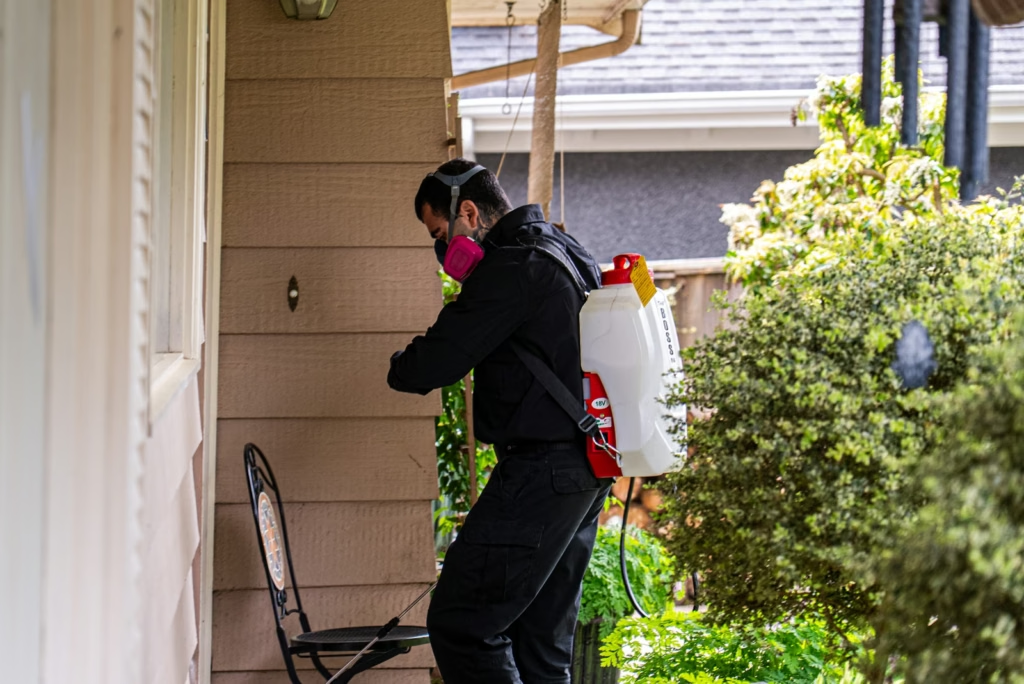
Phantom Pest Control is a licensed pest control and exterminator service for homes and businesses in Fort Langley, BC, including the shops and restaurants on Glover Road, the houses on the rise above the Salmon River and the riverside homes by Bedford Channel.
- Fully licensed, insured and certified
- Read our Vancouver Google reviews
- Shores of the Fraser and Bedford Channel
- Township of Langley boundary
- Fort Langley’s outline on OpenStreetMap; not a legal boundary
- Salmon River
- Regional parks and the national historic site
- Serves
- Fort Langley, in the Township of LangleyA village the Township estimated at 3,435 people in 2021, on a rise above the Fraser and Salmon River floodplains
- Pests we treat
- Rats, mice, carpenter ants, wasps and raccoonsPlus cockroaches, bed bugs and chafer beetles
- Health authority
- Fraser HealthTakes restaurant and food store complaints for Aldergrove, Fort Langley and Langley
- Hours
- Office and Service Hours: Monday to Friday, 9 AM to 5 PMOpen 24/7 for pre-arranged commercial services
Why Book Phantom in Fort Langley
What Phantom offers, and what to have handy when you call about a Fort Langley property.

Why book Phantom
- 15+ years of pest control experience serving British Columbia
- Our own K9 teams for bed bug screening
- A written report with photos after a home buyer or seller inspection
- Preparation sheets for bed bug, insect and rodent treatments, on the client forms page
Before you call
- Your street, and whether the building is a protected heritage property, if you know
- What you’ve seen, where and since when; photos help
- Whether there’s an attic or crawl space to check, which adds to the inspection fee
Estimates over the phone are free, Monday to Friday, 9 AM to 5 PM.
Pests to Watch Around Fort Langley
The Township says rats and mice aren’t uncommon anywhere in its area, given its land uses, its farms and ranches and its recently cleared properties. No source we read ranks pests for the village itself, so the pests under each area are our reading of what official sources say about that kind of building or land. The Township has no list of neighbourhoods below the village, so these four names are ours too.
- A
Glover Road and the heritage core
The commercial core on Glover Road and Mavis Avenue, up to the Jacob Haldi Bridge
The Township calls the village a popular spot for tourists, shoppers and diners, and its community plan describes a core of small stores, mostly up to three storeys, on Glover Road. Langley’s first Heritage Conservation Area, set up in 1997, takes in nine square blocks of the village, and work on a building’s outside there can fall under the Township’s heritage rules. In general, Health Canada says German cockroaches are particularly fond of restaurants and travel quite easily once inside a building. For rats and mice, the Township advises sealing building gaps larger than 6 mm; the heritage question below covers work that changes a building’s outside.
Pests to watch here
- B
The residential rise
Houses on large lots west and south of Glover Road, from Nash and Major Streets to the streets beside the fort
The community plan puts the whole community on a rise of land, with homes of one and two storeys on large lots and a mix that runs from small cottages to large houses, some over 100 years old. The Township’s 2021 forest report gives the village 22% tree canopy. Nothing we read ties these homes’ age or the village’s trees to pests; what follows is each pest’s general habits.
Around any house, the Province advises pruning branches and shrubs so they don’t touch it, since ants may use them to reach their nests. Health Canada says carpenter ants prefer moist, decaying wood, and that roof rats are agile climbers that favour trees, vines and dense vegetation and will infest attics. The Province’s home guide says yellowjackets nest in houses, under overhanging roofs and in attics and garden sheds, and hornets mostly in cedar hedges and other dense plants.
Pests to watch here
- C
Bedford Landing and the waterfront
The flats between the CN tracks and Bedford Channel, once mill land, with newer riverside homes
An older version of the community plan placed the McDonald Cedar mill on the flats between the river and the railway tracks, and a 2015 article describes Bedford Landing as a riverside development with a walking trail system. The Township says the vast majority of its mosquito habitat is along the Fraser foreshore, and it names Fort Langley among the areas affected. Anywhere in the village, Health Canada says Norway rats prefer damp areas such as crawl spaces and building perimeters.
Pests to watch here
- D
The Salmon River flats
Farms in the Agricultural Land Reserve around the rise
The Fort Langley Community Plan says the village is surrounded by the Salmon River and by farms on the good soils of its floodplain, in the Agricultural Land Reserve. Across B.C., the Province names flies and rodents as the most common pests on livestock and poultry farms, because feed and manure are present in large quantities; we found nothing on which farms here keep them. Health Canada says deer mice may invade buildings near fields and woodlands in the fall. Derby Reach Regional Park, downriver, is on the map as a landmark, not an area we work in.
Pests to watch here
Who Handles What in Fort Langley
Phantom treats pests on private property, and the Province deals with wildlife that threatens people. The village has one municipality, the Township. Metro Vancouver runs the regional parks, Parks Canada runs the fort, and McMillan Island is home to the Kwantlen community.
| If you have | Who handles it | What to know |
|---|---|---|
A bear, cougar or coyote that’s a danger to people | BC Conservation Officer Service: 1-877-952-7277 | Officers respond where dangerous wildlife is a risk to public safety. The Township sends injured, orphaned or dangerous wild animals to this same line, and it doesn’t take general wildlife complaints. Source: Province of B.C., Report a conflict, Township of Langley |
Raccoons or skunks causing damage | A licensed pest control company | Conservation officers treat these as low-risk and don’t attend, and the Province points owners to a licensed company. Using poison on wildlife is an offence. Source: Other conflict species, Report a conflict |
Rats or mice around a building | Its owner, with residents doing their part, and a licensed pest control provider if prevention isn’t working | The Township’s rodent page makes this each property owner’s job and cites no bylaw, and we found no general Township rodent bylaw. Protected heritage property is the exception, under Bylaw 5376; the heritage question below explains it. Source: Township of Langley, Bylaw 5376, Heritage standards |
A demolition coming up | The property owner, using a qualified pest control company on the Township’s form | The Township’s Rodent Abatement and Control Declaration (form PLI25-036) is one of the requirements for a demolition permit. The form wants the company’s B.C. structural pesticide licence and a Township of Langley business licence number. The Township says heritage conservation areas, Fort Langley’s among them, typically also require a Heritage Alteration Permit to demolish. Source: Township of Langley, Township form, Heritage permits |
An animal or pest concern in a regional park, at the fort or on Kwantlen First Nation land | The body that runs that land. Metro Vancouver Parks: 604-432-6200. Parks Canada, at the fort: 604-513-4777. Kwantlen First Nation: 604-888-2488 | The Township says it has no animal control or bylaw enforcement jurisdiction in regional parks, and Metro Vancouver’s parks bylaw bars the public from trapping or disturbing an animal there. Where public safety may be at risk in a park, Metro Vancouver sends people to the Conservation Officer Service. We found no separate wildlife line for the fort or the Nation, so those are their general numbers. B.C.’s municipal association says, as a general rule, that local bylaws can’t regulate the use of Indian reserves. Source: Township of Langley, Metro Vancouver Bylaw 1420, Parks Canada, Kwantlen First Nation, UBCM |
When Pests Peak in Fort Langley
Most of these have a season; rats, bed bugs and cockroaches don’t. The carpenter ant months come from B.C.’s home and garden pest guide, and the mosquito months from the regional program’s 2026 treatment dates. Where a source gives only a season, as for wasps, mice, litters and chafer, the months are our reading of it.
This month: November 2026
- Chafer beetles
- Mice moving in
Not seasonal
- Rats
- Bed bugs
- Cockroaches
February to May
The Province says winged carpenter ants appear as early as February and are most numerous in May.
March to July
WildSafeBC says raccoons breed mostly in March and April and skunk kits are born in early May.
May to September
Only mated queens survive the winter, so nests start each spring. Health Canada says they’re more abundant and active in late summer.
September to May
Larvae feed on grass roots for 10 to 11 months; the Province says most damage comes in fall and early spring.
October to March
Fall is when deer mice may come in from fields and woodlands, Health Canada says.
Not seasonal
A provincial farm factsheet gives them 6 to 7 litters a year, and they can survive year-round by nesting inside buildings.
Adults usually live around 10 months, and they’re easily moved from room to room on infested objects.
Once inside a building they travel quite easily, so they aren’t tied to a season there.
Streets and Places We Serve in Fort Langley
We take calls from across the village and the roads around it. These names come from the Township’s community plan and OpenStreetMap.
On the rise and in the core
- Glover Road
- Mavis Avenue
- King Street
- Royal Street
- Nash Street
- Major Street
- Wright Street
- Church Street
North of the tracks and around the village
- Billy Brown Road
- Bedford Landing
- River Road
- McKinnon Crescent
- 96 Avenue
- 88 Avenue
More location pages
Not on the list? Call or text 604-771-0404 and the office will confirm.
What Pest Control Costs, and How a Visit Works
Here are the inspection fees Phantom publishes, then the four steps a visit follows. Confirm the fee for your Fort Langley address when you call.
Inspection fees
- House
- $150 + GST
- Condo, apartment or townhouse
- $125 + GST
- Attic or crawl space
- + $50
- Waived if the service is booked on the same day.
- Commercial site inspection
- Free
- Estimate over the phone
- Free
Treatment prices for each pest
Describe the problem by phone
Call or text 604-771-0404 on a weekday between 9 AM and 5 PM. The estimate costs nothing.
An inspection where one is needed
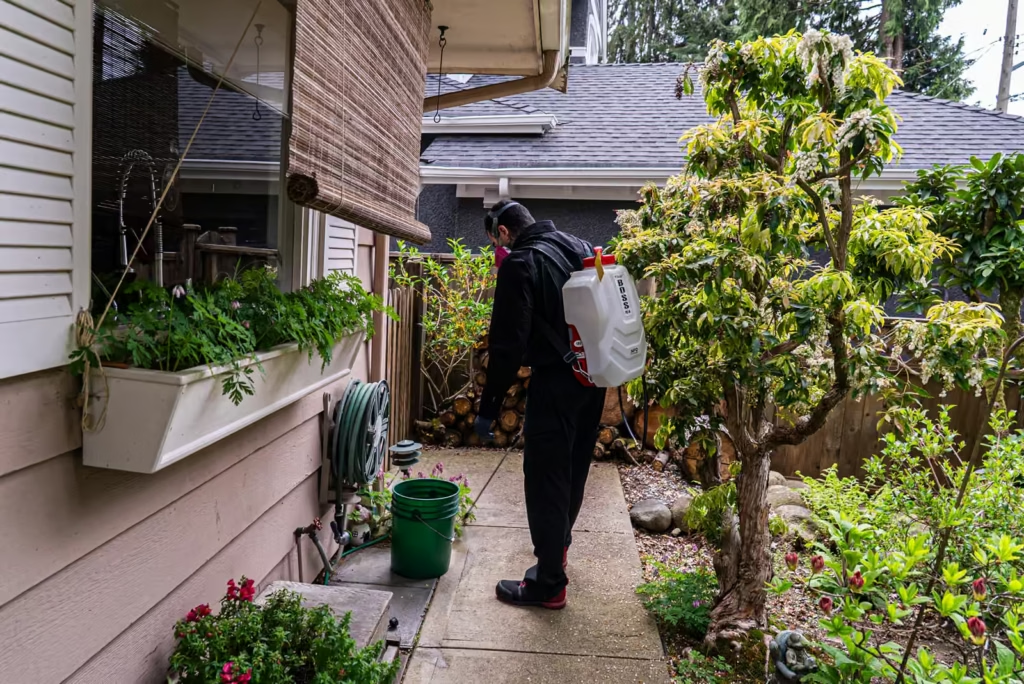
The technician identifies the pest and finds how it gets in.
Get ready with the preparation sheet
For bed bug and cockroach treatments, the preparation sheets ask everyone to stay out for at least 6 to 8 hours. The bed bug sheet extends that to 24 hours for infants under 2, pregnant or nursing mothers, people with respiratory or immune conditions, and pets; the cockroach sheet lists its own group. The sheets are on the client forms page.
Treatment, then the weeks after
A few pests for a while after treatment is normal. Past the time on your sheet, call us.
Pest Control Services in Fort Langley
Start with what you’ve seen or the kind of property you have; each link explains the work.
By pest

Deer mice near fields in the fall, roof rats in trees and attics, and Norway rats in damp crawl spaces.

Raccoons trying attics and chimneys, and skunks digging lawns or sheltering under buildings.
Roofs and ledges of commercial buildings, using spikes, netting and wire.
Yellowjackets in sheds, attics and under overhanging roofs, and hornets in cedar hedges.
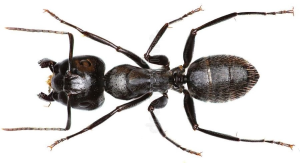
Carpenter ants, whose main nests are usually outdoors in rotting wood, with satellite nests in nearby homes.
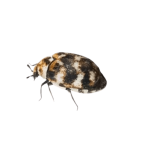
European chafer, which the Township says is most noticeable where wildlife has torn up a lawn.
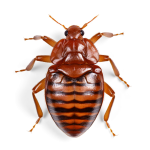
Homes and rentals, starting with a K9 detection.
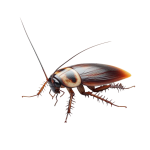
Kitchens and food businesses, where German cockroaches are particularly at home.
For homes
Single-family and laneway homes
Houses on the rise’s large lots, from small cottages to large homes.
Where raccoons try to get in and roof rats settle; Norway rats prefer damp crawl spaces.
A single suite in a shared building, such as the river-facing apartments at Bedford Landing.
Small multi-unit homes, which eligible lots may be entitled to under the plan.
For buildings and businesses
The cafés and restaurants of the village core, on a kitchen program.
Retail stores and shopping centres
The small stores and galleries on Glover Road and Mavis Avenue.
Offices in the commercial core on Glover Road.
Strata and apartment buildings
Whole-building programs for strata councils and landlords.
Fort Langley Pest Control Questions
Answers for homeowners, restaurant owners and shopkeepers in the village. We last read the sources on this page in November 2026.
Prefer to talk?
604-771-0404Is Fort Langley in the City or the Township of Langley?
The Township. Parks Canada places the fort in Fort Langley Village in the Township of Langley, and the Township lists the village among its own communities. That matters when you look up a rule: the City of Langley’s bylaws don’t apply here, and the Township’s Bylaw Enforcement office is at 604-532-7551 or bylaw@tol.ca. Our Langley page covers the rest of the Township and the City.
Can I rodent-proof a heritage building in Fort Langley?
You have to keep rodents out of protected heritage property. In the Fort Langley Heritage Conservation Area, that term covers properties with heritage value or character, including designated properties and those on the Register or Inventory. Bylaw 5376 makes the owner or occupier prevent entry or infestation by rodents, pests or vermin, and the bylaw notice for failing to do so is $250. Routine maintenance needs no Heritage Alteration Permit, subject to the Township’s discretion, but replacing something in a way that changes its design, materials or appearance isn’t routine. Nothing we read applies these rules to pest work, so call the Community Development Division at 604-533-6152 before exclusion work starts.
Is rat poison allowed in Fort Langley?
The strongest kind isn’t, around homes and ordinary shops. B.C.’s rules, in force since January 21, 2023, bar second-generation anticoagulant rodenticides (SGARs) in or around homes, office buildings, parks, schools and retail shops that aren’t essential services. Places where land is used for agriculture are on the essential list, but even there use is limited and preventative baiting is prohibited.
The Township also says it’s not a good idea to use poison or baits to control rodents, and tells residents to seal building gaps larger than 6 mm. Licensed companies can still trap, and bait with other rodenticides.
What are Phantom’s treatment prices for Fort Langley?
These are some of Phantom’s published prices, all + GST; confirm them for your Fort Langley address when you call. Our three-visit rodent program costs $495–$650 for a house and $395–$495 for a condo. Exterior bait stations take a $150 minimum setup, then $78.75–$95 a visit, with 30-day cancellation.
Cockroach treatment runs $250–$350. A K9 bed bug detection is $195–$275 for one unit and is required before bed bug treatment, at $725–$1,595 for a house and $525–$695 for a condo, apartment or townhouse. Estimates over the phone are free.
Do you remove raccoons and skunks in Fort Langley?
Yes, through wildlife control, and exclusion work then seals the gaps that let the animal in. We can’t guarantee catching it. The Province says raccoons cause damage trying to get into attics, crawl spaces or chimneys, and that a mother and her babies can’t be removed from the nest until the pups can leave with her, at about 12 weeks. WildSafeBC says skunk conflicts can come from digging lawns for grubs or from sheltering under buildings.
Are there bears near Fort Langley?
The closest reports we read are few. One from 2013 described a black bear sifting through garbage cans along Glover Road. In August 2026, the Langley Advance Times reported a woman followed and chased by a black bear on a trail it placed near Derby Reach Regional Park; conservation officers said she got home safely and that they’d keep monitoring the area. Metro Vancouver tells that park’s visitors that bears, cougars and coyotes pass through from time to time.
Report aggressive bears to the Conservation Officer Service at 1-877-952-7277. The Province says that if you meet a bear, remain calm, don’t run or climb a tree, and slowly back away.
Who deals with mosquitoes in Fort Langley?
For larvae, the regional program. The Township takes part in Metro Vancouver’s nuisance mosquito program, which treats larvae and expressly excludes adult mosquito control. Its 2026 report calls adult numbers generally low, apart from two large catches at Derby Reach, and puts the highest larval readings among known sites inside Brae Island and Kanaka Creek regional parks. Report a problem to the Mosquito Hotline at 604-432-6228. The Township says nuisance species aren’t typically associated with West Nile virus. Phantom’s mosquito control is separate from this program.
Who handles pest complaints about a Fort Langley restaurant?
Fraser Health. Its complaint form groups Fort Langley with Aldergrove and Langley, and its Langley Health Protection Office is at 6470 201 Street (604-514-6121). B.C.’s Food Premises Regulation makes every operator keep premises free of pests, free of conditions that lead to their harbouring or breeding, and protected against their entrance. For a kitchen program, see restaurant pest control.
When should I call someone about carpenter ants?
The Province says to call a pest control company if you have an established ant infestation, or if your home has a greater chance of one, such as decaying foundation timbers. Its guide says 80% of main nests are outdoors in rotting wood, with satellite nests in nearby homes, and that spot treatment where ants are seen entering isn’t effective. To prevent them, it advises repairing moisture-damaged wood, ventilating damp areas and keeping gutters clear. See ant control and our carpenter ant guide.
Can I block up a wasp nest in a wall?
No. The Province says never to block an opening in your house when treating a nest in a wall void, because wasps can chew through wood or follow wiring to the inside. It suggests a professional for nests that are very large or hard to reach. Only mated queens survive the winter, so each nest dies out in the fall and new ones start in the spring. See wasp control.
Get a Free Estimate in Fort Langley
Send a few photos and your street, and the office will call you back about the job.
- Office and Service Hours
- Monday to Friday, 9 AM to 5 PM: calls, estimates and call-backs.
- Commercial
- Open 24/7 for pre-arranged commercial services: evening, night and weekend visits when booked ahead.
Free estimate request

Book a Fort Langley Inspection
The first visit is planned around what you tell the office, so mention the kind of building and where you’ve seen activity.
Estimates over the phone are free, Monday to Friday, 9 AM to 5 PM. Open 24/7 for pre-arranged commercial services.