Pest Control in New Westminster, BC
Phantom Pest Control provides pest control, pest removal and exterminator services to homes, rental buildings, stratas and businesses across New Westminster, BC, from Columbia Street and the apartment blocks of Brow of the Hill to Queen’s Park and Queensborough.
- Fully licensed, insured and certified
- Read our Vancouver Google reviews
- River and shoreline
- City boundary
- Brunette River
- Parks
- Serves
- The City of New WestminsterThe mainland neighbourhoods and Queensborough on Lulu Island
- Pests we treat
- Mice, rats, bed bugs and cockroachesAlso raccoons, skunks, wasps and carpenter ants
- Health authority
- Fraser HealthIts New Westminster office inspects food premises
- Hours
- Office and Service Hours: Monday to Friday, 9 AM to 5 PMOpen 24/7 for pre-arranged commercial services
Why Book Phantom in New Westminster
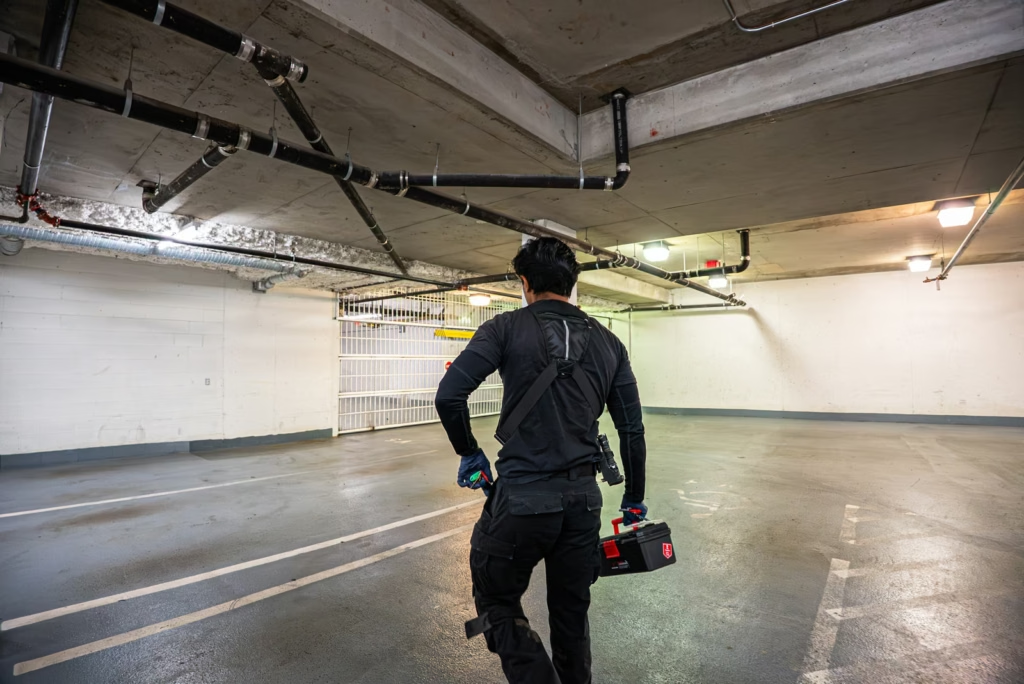
A photo from a rodent inspection, the reasons clients call us, and a short list of what to have ready.

Why book Phantom
- K9 teams of our own to screen for bed bugs
- Three-visit rodent programs that close gaps up to toonie size
- Prep sheets for bed bug, insect and rodent treatments, on the client forms page
- 15+ years of pest control experience serving British Columbia
- Written reports with photos after home buyer and seller inspections
- Fully licensed, insured and certified
Before you call
- Your neighbourhood, for example Sapperton, Moody Park or Queensborough
- Whether you own, rent or manage the building, plus what you’ve noticed and where; photos help
- Any attic or crawl space to check: + $50 on the inspection, waived when the service is booked the same day
Estimates over the phone are free, Monday to Friday, 9 AM to 5 PM.
Pests to Watch Across New Westminster
New Westminster runs from the Fraser’s edge through apartment streets to ravines and parks, with Queensborough across the North Arm. We found no pest counts by neighbourhood, so each area below describes the housing and ground a pest would use, not how many pests live there. Housing figures are our sums of 2021 Census tract counts.
- A
Downtown and Quayside
Columbia Street’s Historic Precinct between Front Street and Clarkson Street, the Albert Crescent side and Quayside’s riverfront
Columbia Street has been Downtown’s main commercial corridor since the 1860s, and 35 properties in its Historic Precinct are on the City’s Heritage Register. Front Street sits on reclaimed land the Fraser once covered, and railway corridors separate the street from the water. Homes here are mostly newer: in the four census tracts around Downtown and Quayside, 19.2% predate 1981 and 67.4% are in buildings of five or more storeys. The tract around Albert Crescent is the exception, at 51.1% before 1981.
Norway rats favour moist crawl spaces and building perimeters. Cockroaches find food and moisture in restaurants, and shared plumbing helps them move between units. Pigeons use ledges and rooftops, and our bird page names gulls near the Fraser.
Pests to watch here
- B
Brow of the Hill and Moody Park
Brow of the Hill between Stewardson Way and 6th Avenue, Moody Park up to 10th Avenue, and Uptown beside them
This is the city’s main rental district. A 2019 City report put about two in three rental units in Uptown and Brow of the Hill, and found that almost half of the purpose-built market rental buildings dated from the 1960s. Two in three are low-rises of three or four storeys, and Brow of the Hill gained mostly three-storey wood-framed blocks. In the census tracts around here, 61.0% of households rent and 63.3% of homes predate 1981.
House mice nest in hidden, enclosed spaces using insulation and paper. Shared walls and plumbing help cockroaches spread between units, and bed bugs can move through walls and hallways. The City’s Rental Units Bylaw says rental property must be kept free of mice, rats, bed bugs and cockroaches.
Pests to watch here
- C
Queen’s Park, Sapperton and the Brunette
Queen’s Park, Glenbrooke North, Victoria Hill, Massey Victory Heights and Sapperton, out to Hume Park and the Brunette River
The City names Queen’s Park and Glenbrook Ravine as places coyotes are especially seen. It also says black bears are often seen around Hume Park, which backs onto the Brunette River, though its biodiversity strategy calls bears rare in the city. Both animals are for the Conservation Officer Service, not a pest company.
A pest company’s part is the smaller animals and the buildings. A City plan for the ravine lists raccoons, striped skunks and grey squirrels among its mammals, while noting no survey has confirmed them. Queen’s Park is the City’s Heritage Conservation Area, and homes from 1960 or before are 44.0% of the census tract around it and 51.3% of the one around Victory Heights. Roof rats often nest in ceilings and attics, and roof leaks may attract carpenter ants.
Pests to watch here
- D
West End and Connaught Heights
The West End from 12th Street to 20th Street, and Connaught Heights from 20th Street to Fenwick
Of these five areas, this one has the largest share of older homes: in its two census tracts, 49.7% date from 1960 or before, against 18.6% city-wide. The West End has regularly spaced bungalows with side yards and back lanes. Building in Connaught Heights began in earnest in the 1930s, mostly small bungalows, and the area is valued for its semi-rural character beside the city’s industrial edge.
Yards and sheds matter here. The City’s advice is to deal with attractants such as fruit trees, uncovered compost and bird-feeder spills, clear wood piles and overgrown shrubs, and seal gaps bigger than a dime in foundations, sheds and crawl spaces. Yellowjackets like overhanging roofs and garden sheds, and raccoons dig up lawns for chafer grubs.
Pests to watch here
- E
Queensborough
The east tip of Lulu Island, between Annacis Channel and the North Arm of the Fraser River
Queensborough lies in the Fraser floodplain with a high water table, inside a perimeter dyke shared with Richmond, and many of its watercourses are ditches reshaped for drainage. The City’s plan describes frog-filled ditches and hobby-farm yards, and says the urban forest gives small mammals such as shrews and mice places to forage and nest.
Its homes are the newest of these five areas, with 69.7% from 2001 or later in its two census tracts, so the questions here are about wet ground and yards, not old buildings. Norway rats prefer moist conditions and burrow at ground level, and a 2012 City statement lists raccoons, gray squirrels and coyotes among the local wildlife.
Pests to watch here
Who Handles What in New Westminster
Pests on private property are for the owner and a licensed company. Fraser Health inspects food premises, and the Conservation Officer Service takes dangerous wildlife. Rules checked November 2026; bylaw amounts are from the City’s July 2026 schedules.
| If you have | Who handles it | What to know |
|---|---|---|
A bear, or a coyote acting aggressively | BC Conservation Officer Service: 1-877-952-7277 | Officers respond where public safety is at risk. The City’s Animal Services officers don’t attend nuisance or aggressive wildlife. Source: Province of B.C., City of New Westminster |
Raccoons, skunks or squirrels damaging a building or yard | A licensed pest control company | The Province points raccoon and skunk damage to a licensed company, and its officers treat these animals as low-risk conflicts. Source: Province of B.C., Conservation officers |
Mice, rats, bed bugs or cockroaches in a rental | The owner or landlord; if it isn’t resolved, City Bylaw Enforcement: 604-527-4657 | Rental Units Bylaw 6926 makes the owner responsible and lets an Inspector order the work. A bylaw notice for an infestation is $200 (July 2026 schedule). Source: Bylaw 6926, Notice amounts, Bylaw Enforcement |
Pests in a restaurant or other food business | The operator, with a licensed company; Fraser Health’s New Westminster office inspects: 604-777-6740 | Section 26 of the Food Premises Regulation requires operators to keep premises free of pests and of conditions that harbour them. Officers inspect routinely and when complaints come in. Source: Fraser Health, Inspections, BC Laws |
An injured wild animal, or a dead one | Injured: wildlife rescue groups first, then City Animal Services: 604-519-2008. Dead on City-owned property: City Animal Services. | On private land, dead wild animals are the owner’s to deal with, and the City says small ones can be bagged and put in the garbage. Source: Wildlife page, Report form |
When Pests Peak in New Westminster
These months come from Phantom’s pest pages, B.C.’s garden guide and chafer sheet, WildSafeBC and the City’s chafer pages. We set the wasp, rodent and raccoon months ourselves from the seasons those sources describe.
This month: November 2026
- Rats & mice
- Black bears
- Chafer beetles
Not seasonal
- Bed bugs
- Cockroaches
- Pigeons and gulls
February to May
Winged carpenter ants can appear as early as February, and the province’s garden guide has them most numerous in May.
May to September
Only mated queens overwinter, so every nest is started new in spring, and colonies can peak by mid to late summer. See when a wasp nest needs a professional.
October to March
Our rodent page says pressure rises during colder or wet seasons, and these months are how we read that.
Black bears
April to November
WildSafeBC has bears most active from April to November. Here they’re rare, and the City ties its sightings to Hume Park.
Chafer beetles
October to March
Grubs feed through the fall and again into spring, and animals dig up turf for them in fall and winter.
Not seasonal
They hitch-hike on suitcases and clothing, so any month can bring them.
They follow food and moisture indoors, so we give them no season.
Active year-round, with nesting peaks in spring and early summer.
Neighbourhoods We Serve in New Westminster
We work across the city. The first list is the City’s 12 residents’ associations, and the second adds names you may also know.
City of New Westminster
- Downtown
- Quayside
- Queensborough
- Sapperton
- Queen’s Park
- Brow of the Hill
- Moody Park
- Connaught Heights
- West End
- Glenbrooke North
- Massey Victory Heights
- Victoria Hill Ginger Drive
Also in these areas
- Uptown
- Port Royal
Nearby service areas
Not on the list? Call or text 604-771-0404 and the office will confirm.
What Pest Control Costs in New Westminster, and How a Visit Works
The inspection fees we publish for New Westminster homes and businesses, and the four steps of a visit.
Inspection fees
- House
- $150 + GST
- Condo, apartment or townhouse
- $125 + GST
- Attic or crawl space
- + $50
- Waived if the service is booked on the same day.
- Commercial site inspection
- Free
- Estimate over the phone
- Free
Treatment prices for each pest
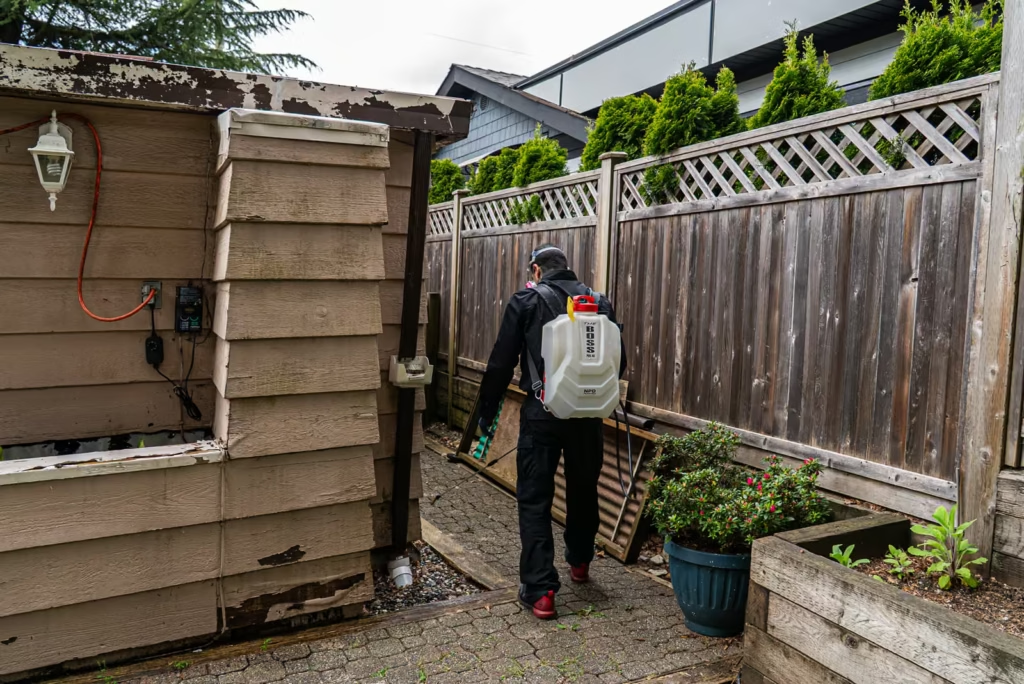
Describe the problem by phone
Call or text 604-771-0404 on a weekday between 9 AM and 5 PM. The estimate costs nothing.
An inspection where one is needed
The technician identifies the pest and finds how it gets in.
Get ready with the preparation sheet
For bed bug and cockroach treatments, the preparation sheets ask everyone to stay out for at least 6 to 8 hours. The bed bug sheet extends that to 24 hours for infants under 2, pregnant or nursing mothers, people with respiratory or immune conditions, and pets; the cockroach sheet lists its own group. The sheets are on the client forms page.
Treatment, then the weeks after
A few pests for a while after treatment is normal. Past the time on your sheet, call us.
Pest Control Services in New Westminster
Start with the pest, or with the kind of building you’re in.
By pest
Norway rats at damp perimeters, roof rats in attics, house mice in hidden spaces, and the gaps they all use.
K9 detection first, then treatment, for single units and multi-unit buildings.
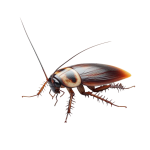
German, American and Oriental cockroaches in apartments, restaurants and food businesses.

Raccoons in attics and skunks under sheds, the City’s own examples, which its officers don’t attend.
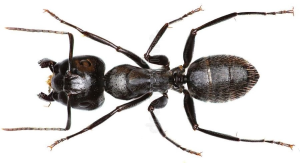
Carpenter ants at roof leaks and damp wood. We also treat European fire ants, which the City says nest in lawns and gardens.
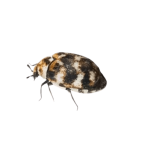
Carpet, powderpost and larder beetles indoors. We also treat European chafer, found in New Westminster’s lawns and boulevards in 2001.
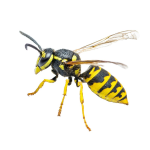
Yellowjackets under overhanging roofs and in sheds, hornets in cedar hedges; new nests every spring.
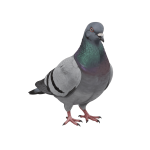
Pigeons on ledges, parkades and rooftops, and gulls near the Fraser.
For homes
Apartment buildings hold 69.5% of the city’s homes (2021 Census).
Single-family and laneway homes
Single-detached houses are 13.8% of the city’s homes (2021 Census).
Roof rats in attics, and Norway rats in damp crawl spaces.
Buying or selling? You get a written report with photos.
Rodent abatement for demolition
Building Bylaw 8125 asks for a signed rodent declaration with a demolition permit application.
For buildings and businesses
Strata and apartment buildings
The pesticide bylaw counts strata common property as residential land, but leaves buildings out.
For managers of rental buildings: 45.3% of households here rent, against 37.8% in Metro Vancouver.
Kitchen programs for restaurants; the City’s plan names Columbia, Sixth and Twelfth streets and Ewen Avenue as neighbourhood focus streets.

New Westminster Pest Control Questions
Answers for New Westminster homeowners, renters, stratas, builders and businesses.
Prefer to talk?
604-771-0404How much does an exterminator cost in New Westminster?
An inspection is $150 + GST for a house, or $125 + GST for a condo, apartment or townhouse, and phone estimates are free. The three-visit rodent control program is $495–$650 + GST for a house and $395–$495 + GST for a condo. Cockroach gel baiting, dusting and monitoring is $250–$350 + GST. A K9 bed bug detection for one unit is $195–$275 + GST, and bed bug treatment is $525–$695 + GST for a condo, apartment or townhouse, or $725–$1,595 + GST for a house.
Is it mice or rats in my New Westminster home?
Where you find the signs is the first clue. The Province says house mice nest in hidden, enclosed spaces, Norway rats live at ground level in tunnels and burrows, and roof rats climb and often nest in ceilings and attics. Mice can get in through a dime-sized opening and rats through a quarter-sized one. The City says to seal gaps bigger than a dime with heavy gauge wire; the Province says anything bigger than 6 mm. Our rodent control program closes gaps up to toonie size; bigger openings become separate exclusion work.
Can you use rat poison at my New Westminster home?
Not second-generation anticoagulants (SGARs). B.C.’s Integrated Pest Management Regulation, s. 81 (5), says a licensee must not use an SGAR at a site that isn’t an essential service location. The Province’s guide says other rodenticides, including first-generation ones, should be a last resort, short-term only. The City’s own motion reaches only its land: its wildlife page says a 2020 motion banned anticoagulant rodenticides on all City-owned properties, where snap trap boxes replaced bait boxes. That motion doesn’t cover your home. The Province calls snap or electronic traps the best option.
Who pays for pest control in a New Westminster rental?
Start with the landlord or owner. The City’s Rental Units Bylaw 6926__2026_06_25_consolidation_(1).pdf) says who’s responsible, not who pays: rental property must be kept free of mice, rats, bed bugs and cockroaches, and the owner must comply. The province’s Residential Tenancy Branch generally makes the landlord responsible for controlling insects such as bed bugs, and leaves rodents to municipal bylaws. Tenants must keep reasonable cleanliness, and the Branch says a dispute over who pays for a repair can go to its arbitrator. If nothing changes, call Bylaw Enforcement at 604-527-4657.
How do you treat bed bugs in a New Westminster apartment?
With a K9 detection first: it’s required before our bed bug treatment, and we run our own K9 teams. For several units, detection is $250 for the first unit and common area, then $35 per additional unit, plus GST. Fraser Health says a landlord must hire a licensed operator, not apply pesticides in a rental suite personally. Book the K9 before any cleaning, because the preparation sheets ask for no household cleaners or disinfectants for 24 hours beforehand.
How do I keep raccoons and skunks out of a New Westminster house?
Take away what draws them, then close the way in. The City lists unsecured garbage, pet food, fruit trees and bird-feeder spills as attractants, and says to block den areas such as under a deck and store patio cushions indoors in the off-season. If one has already moved in, wildlife control on private property is our part, though we can’t promise to catch a particular animal. For squirrels in the garden, see keeping squirrels away. For an injured animal, the City lists Critter Care Wildlife Society first.
Do I need a rodent report to demolish a building in New Westminster?
Yes. Building Bylaw 8125.pdf), s. 5.13.2.6, says a demolition permit application must come with a Rodent Abatement and Control Declaration report, completed and signed by a licensed pest control company. The City’s demolition package describes a report certifying that buildings were inspected for pests, specifically rats, and that any found were dealt with. A bylaw notice for not providing it is $250 (July 2026 schedule). Ask the Building Division at 604-527-4580 what it will accept. See rodent abatement for demolition for our part.
Why is my New Westminster lawn being torn up?
It may be animals after European chafer grubs. Chafer was found in New Westminster’s lawns and boulevards in 2001, and the City says considerable turf damage can come in the fall and winter from animals and birds digging for larger grubs. WildSafeBC calls raccoons infamous for it. The City’s page describes nematodes, ordered and applied within a short period in July. We treat chafer: call or text 604-771-0404. For indoor beetles, see beetle control.
Does the Pesticide Use Bylaw limit treatment inside a New Westminster building?
No. Bylaw 7288, in the City’s 2023 consolidation, regulates cosmetic use: pesticides for looks, or for non-essential upkeep of outdoor trees, plants and turf, on residential land, strata common property and City land. Section 4 (e) says it doesn’t apply to a building or the inside of one. Section 4 (f) has an exception for an infestation, but the bylaw defines that as a risk to outdoor plants and turf, so it isn’t about rats or bed bugs. For indoor work, see the preparation sheets.
Get a Free Estimate in New Westminster
Tell us your street or building and send a few photos; the office calls back to go over the job.
- Office and Service Hours
- Monday to Friday, 9 AM to 5 PM: calls, estimates and call-backs.
- Commercial
- Open 24/7 for pre-arranged commercial services: evening, night and weekend visits when booked ahead.
Free estimate request

Book a New Westminster Inspection
Tell us the building, your neighbourhood and what you’ve seen, and we’ll plan the first visit around it.
Estimates over the phone are free, Monday to Friday, 9 AM to 5 PM. Open 24/7 for pre-arranged commercial services.