Airbnb & Short-Term Rental Pest Control in Vancouver & Fraser Valley
Airbnb pest control starts at the turnover. Bed bugs ride in on guests’ luggage, a visiting pet can leave fleas behind, and the first sign is often a message from a guest. We inspect the unit, confirm bed bugs with a K9 when they’re suspected, treat what we find, and give you the vacancy times to plan your bookings around.
Property type
Airbnbs, suites & other short-term rentals
Common pests
Where they get in
Service area
Pest Control Built for Airbnbs & Short-Term Rentals
A short-term rental can change hands several times a week, and every guest arrives with luggage, clothing and food from somewhere else.
That makes a rental easy to infest and hard to watch. Bed bugs travel on luggage, clothing and personal belongings, and they can be brought into any property, however clean it is. High turnover raises the chances of that happening, in a short-term rental just as in a hotel or an apartment building. Food left by one guest can draw ants, fruit flies or mice before the next one arrives, and a pet-friendly stay can leave flea eggs and larvae in the carpet.
Hosting adds two pressures. The problem is usually found by a guest, and by then it is often larger than it looks, so the response has to be quick. And in most of Metro Vancouver and the Fraser Valley, B.C.’s principal residence rule means a short-term rental has to be the host’s own home, or one suite or laneway home on the same property, so whatever arrives in the listing is also where you live. For the home itself, see our pages for single-family & laneway homes, townhouses and condos & apartments.
Every check-in brings bags from somewhere else, and bed bugs travel in them.
Mattress seams, headboards and upholstered seats are where bed bugs settle first.
A quick turnover leaves little time to notice a problem, or to treat one.
Crumbs, fruit and full bins left at check-out draw ants, fruit flies and mice.
Flea eggs and larvae stay behind in carpets, sofas and pet beds after the pet has gone.
In a suite or a condo, pests can also come through the walls from next door.
Common Pests in Vancouver Short-Term Rentals
The pests most likely to turn up between guests, each linked to its full service.

Ride in on luggage and clothing, then hide in mattress seams, bed frames and headboards.

Hitch a ride in shipping cartons, food items and empty bottles, then hide behind the fridge and stove.

Stay behind after a pet’s visit, as eggs and larvae in carpets, sofas and pet beds.

Follow food and garbage indoors through gaps around pipes and doors bigger than 6 mm.

Trail in toward crumbs, sweet spills and recycling, mostly in spring and summer.

Breed in fruit bowls, drains and recycling, and peak in summer and fall.

Nest under eaves and decks close to patios, from late spring into early fall.
Describe it or send a photo with your estimate request.
Seasonal Pest Activity in Vancouver Short-Term Rentals
Outdoor pests follow the weather, and bed bugs follow the bookings. For what guests can carry in without knowing it, see whether bed bugs can live in clothes.
Months come from the timings published on each Phantom pest page for the Lower Mainland.
Colonies expand through spring and summer and send foragers indoors looking for food. A crumb trail left at check-out is enough to bring them into the kitchen.
Active from late spring through early fall, with nests growing fast over the summer. Patios, decks and eaves are where guests run into them.
A common complaint in homes through the summer and fall, often brought in with produce and kept going by buildup in kitchen drains.
They move indoors for food, shelter and warmth in the colder and wetter months, and once they are nesting inside they stay active in any season.
Not seasonal
They travel with people, so the risk follows your bookings rather than the weather.
Warm, damp spots indoors in any month, especially behind and under the kitchen appliances.
Active year-round in the Lower Mainland and most intense in the warmer months, wherever a pet has stayed.
Where Pests Get Into a Short-Term Rental
Most problems in a rental suite start at a handful of places. These are the ones worth a look at every turnover, from the front door to the patio.
- AFront door & luggage rack
Bags set down by the door or on the bed are how bed bugs arrive.
- BClosets & linen shelves
Linens that go back on the shelf unwashed can carry bed bugs to the next bed.
- CBeds & headboards
Mattress seams, box springs and the gap behind the headboard come first.
- DSofa bed & armchairs
Seams and cushions hide bed bugs, and a pet’s favourite seat holds fleas.
- EKitchen, fridge & bins
Leftover food, fruit and full bins draw ants, cockroaches and fruit flies.
- FBathroom & laundry
Drains breed fruit flies, and laundry waiting to be washed can carry bed bugs.
- GShared walls & pipe gaps
In a suite or condo, gaps around pipes and wiring link you to next door.
- HPatio door & windows
Doors left open and torn screens let in flies, wasps and ants.
- IOutdoor bins & recycling
Bins by the door draw rats, wasps and flies toward the entrance.
What Your Cleaners Can Check, and What Needs a Technician
The turnover is your chance to catch a problem while it is small. Minnesota’s public health guidance for lodging asks housekeeping staff to look for signs of bed bugs every time they clean a room, and the same habit works in a rental.
Your cleaners can
Strip the bed and look along the mattress seams, the box spring corners and behind the headboard for live bugs, shed skins, black spots like grains of black pepper, and small blood stains. Note the room, the bed and the date, and take a photo.
Bag used linens in the room and keep them away from clean ones on the way to the laundry. Wash hot and dry on high: Health Canada says 30 minutes in the dryer on high heat kills all bed bugs.
Clear away food left behind, rinse bottles and containers before they go into the recycling, empty the bins and wipe up crumbs and sticky spills. Fruit flies, ants and mice all start with what guests leave.
Needs a technician
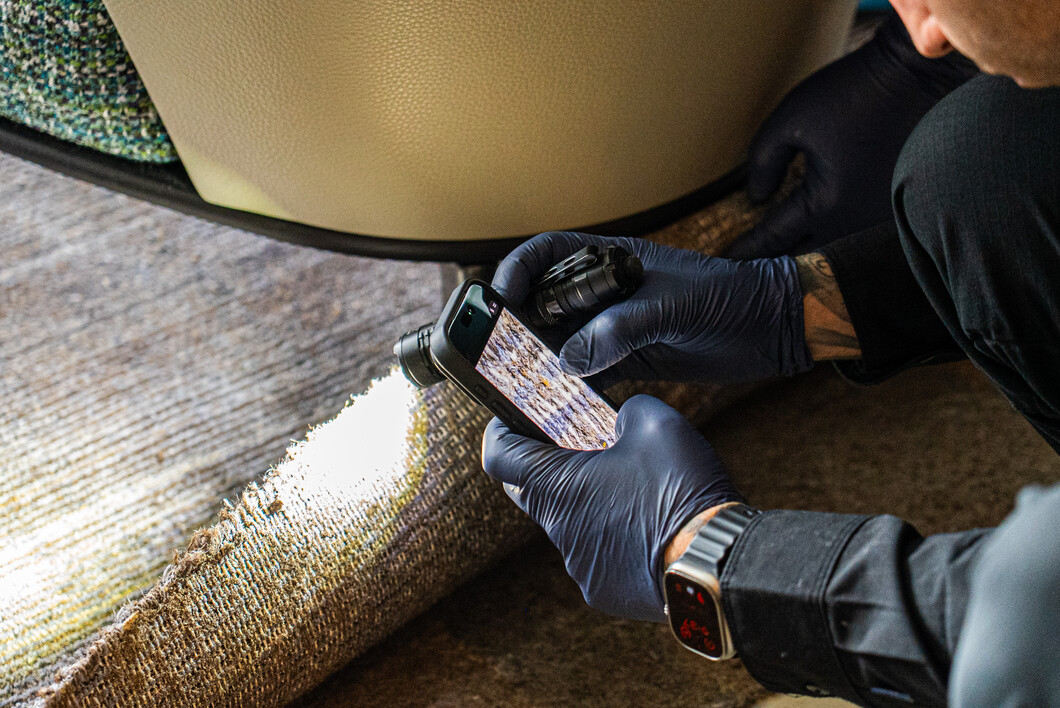
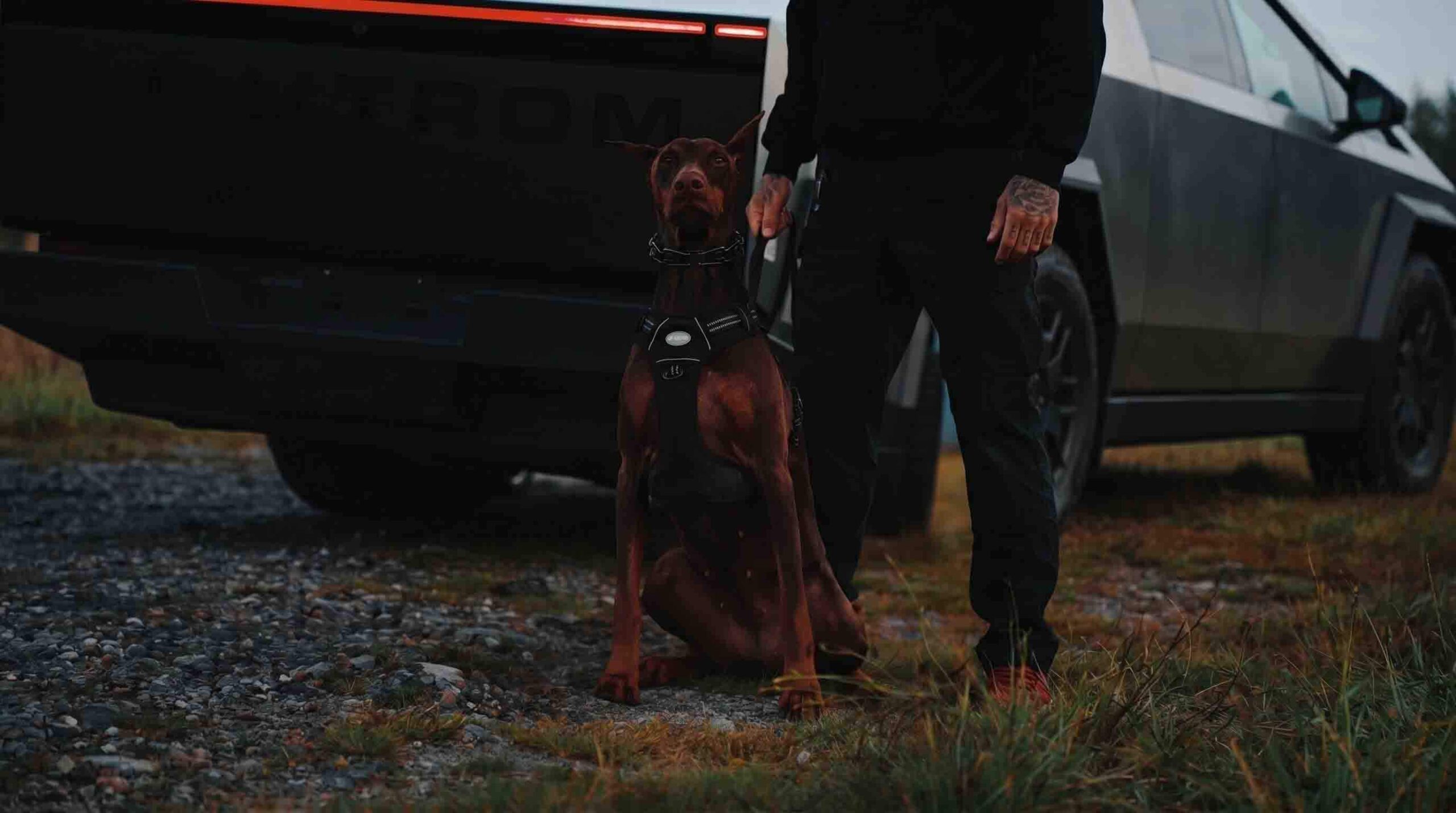
Our K9 teams find bed bugs and eggs inside mattresses, wall voids, furniture, baseboards and electrical outlets, and K9 detection comes before any bed bug treatment.
Bed bugs hide in cracks and seams, and over-the-counter foggers are not effective for bed bug control. Treatment has to reach every hiding place and every life stage, eggs included.
Gaps around pipes, doors and vents let mice and insects in. A rodent program closes small openings up to the size of a toonie, and larger ones are sealed through exclusion work.
Routine K9 screening on a set schedule is meant to find bed bugs at the earliest possible stage, before they have a chance to spread to the next guest’s room.
Our Approach to Airbnb Pest Control
Five steps, from the first call to the clearance check, and what each one means for your calendar.
We go through the whole unit: every bed and the sofa bed, the closets and linen shelves, the kitchen, bathroom and laundry, the entry and the patio. Where bed bugs are suspected, a K9 inspection covers the places a person can’t see into.
We confirm what it is before anything is treated. Carpet beetle larvae are easily mistaken for bed bugs or fleas, and the answer changes the treatment, the preparation and how long the unit is out of use.
Treatment goes where the pest lives: every hiding place and every life stage for bed bugs, gel baiting, dusting and monitoring for cockroaches, two services for fleas, and a three-visit program for rodents.
You get a list of the entry points we found. Small gaps, up to toonie size, are sealed during a rodent program, and larger openings go to exclusion work.
A follow-up treatment may be needed if activity continues. After a bed bug treatment, a K9 clearance inspection checks whether the unit is clear before it goes back to guests.
Want it on a schedule? See Hospitality Preventive Services and our other programs.
Before Your Rental Is Treated
Our bed bug preparation sheet is detailed, and your technician will go through it with you. For a rental, this is what it comes down to.
Plan no check-ins for the treatment day and the vacancy window after it: at least 6 to 8 hours, or 24 hours for infants, pregnant or nursing mothers, people with respiratory or immune conditions, and pets.
Take off all bedding, mattress pads and pillowcases, including the spare sets in the closet. Wash hot, dry on high heat for at least 60 minutes, and seal everything in bags outside the treated rooms.
Robes, throws, curtains and anything else made of fabric go through the same hot wash and 60-minute dry, then into sealed bags or bins.
Lift the mattresses off their frames and stand them against the wall, take the frames apart if you can, and pull the cushions off the sofa before turning it over.
Move furniture at least 2 feet from the walls, and take off the outlet covers, switch plates and picture frames.
Vacuum the floors, baseboards and furniture seams, then seal the vacuum bag or its contents in a garbage bag and take it outside straight away.
After Treatment: Planning Your Bookings
What happens next, and what each step means for the calendar. These windows come from our bed bug aftercare sheet, and your technician will confirm them for your unit.
Treatment day
Nobody in the unit for at least 6 to 8 hours, or 24 hours where that applies. Then open the windows for 15 to 30 minutes.
First 7 to 10 days
Wash and dry all bedding on high heat for at least 60 minutes, and run pillows, comforters and throws through the dryer weekly.
Up to 3 to 4 weeks
Some bed bug activity is normal as eggs hatch and reach the treatment, and wandering bugs can turn up in odd places.
First 4 weeks
No vacuuming, mopping or cleaning within 6 inches of baseboards and treated surfaces, and no store-bought sprays.
Before the next guest
A follow-up treatment may be needed, depending on the activity after the first. A K9 clearance inspection shows whether the unit is clear before you take bookings again.
The 6-inch rule is the easiest one to undo at a turnover. Tell your cleaning team the treatment date, and keep mops and vacuums away from the baseboards for the full four weeks.
Ask for a photo and exactly where they saw it, then call us. Your technician will decide whether the next step is a follow-up treatment or a K9 inspection.
Bed Bug Checks Between Guests
The bed is where a guest’s luggage, clothes and sleep all meet, and it is where to look first. According to the University of California’s IPM program, 85% of bed bugs are found in or near the bed.
The first place to look, with a flashlight, at every turnover.
Corners, joints and the fabric underneath give bed bugs cover.
In hotels, often the first place bed bugs become established.
Health Canada advises metal luggage racks, kept away from the bed and walls.
A turnover check takes a few minutes. Strip the bed, then run a flashlight along the mattress seams and piping, the box spring corners, the bed frame joints and the gap behind the headboard, often the first place bed bugs settle in hotels. Look for live bugs, shed skins, black spots and small blood stains. Bites alone prove nothing: people react differently, and some don’t react at all.
If you find something, leave the room as it is. Bag the linens in the room, catch a suspect bug on clear tape or take a photo, and don’t move furniture or bedding into another room. Pause new check-ins and call us, and book the K9 inspection before your cleaners go in: our K9 sheet rules out household cleaners and disinfectants for 24 hours before the dog arrives. Afterwards, Health Canada suggests keeping zippered encasements on the mattress and box spring for a full year.
Why Hosts Choose Phantom Pest Control
The short version: who does the work, how it fits around your bookings, and what it costs. Hosts with several listings can also see our property management programs.
Experience
15+ years of pest control in Vancouver
Credentials
Fully licensed, insured and certified
Scheduling
Open 24/7 for pre-arranged services
K9 detection
What it costs
A house inspection is $150 + GST; a condo, apartment or townhouse is $125 + GST
EXCELLENTTrustindex verifies that the original source of the review is Google. Just wanted to say that we're very happy to have Darcey Walker as our pest control technician as he's always personable, knowledgeable about taking care of our past pest control issues and does a great job!Posted on GoogleTrustindex verifies that the original source of the review is Google. JC from Phantom was very professional and friendly to work with. He came prepared for the first inspection and carefully reviewed our problem and clearly explained the treatment options and timelines. Then we scheduled the follow-on work on the spot for him to come back. In between the two appointments, I found a wasp nest and was able to communicate that to Phantom to add as additional work. All works were completed without issue and the areas tidied to remove any debris. Thank you for taking care of everything so efficiently! Would definitely go back to JC and the team for future needs.Posted on GoogleTrustindex verifies that the original source of the review is Google. Joy and Yash have been great to work with, very prompt and thorough.Posted on GoogleTrustindex verifies that the original source of the review is Google. June was fantastic!! I was concerned that having a termite inspection done by a pest control company would just lead to an aggressive sales pitch for their services, so I specifically chose a company like Pantone who don’t do free inspections. June did a thorough inspection, checked everything available nook and cranny explained everything he was seeing and allayed my worries. Not once did he try to upsell a service or push for some needless preventative measure. I was very happy with the service.Posted on GoogleTrustindex verifies that the original source of the review is Google. The technicians that came to our building to try and exterminate a wasp nest did a great job. Darcy and June we're very capable of removing the Wasps from the eaves in our roof. I can highly recommend them.Posted on GoogleTrustindex verifies that the original source of the review is Google. Exceptional service from Darcy! Always professional, and knowledgeable. He has a knack for attention to detail, and really takes the time to explain the issues with a resolve. Reliable and very friendly A+ Highly recommend!Posted on GoogleTrustindex verifies that the original source of the review is Google. June was so kind and tremendously helpful!Posted on GoogleTrustindex verifies that the original source of the review is Google. Phantom pest did a great job with our mouse and cockroach problem. JC was a wonder to work with and we will be using them in the future if need be. Thanks!Posted on GoogleTrustindex verifies that the original source of the review is Google. This is a very good company. The technician Mark is so nice and very professional.Posted on GoogleTrustindex verifies that the original source of the review is Google. Had a rodent problem, Darcey came over and took care of it. Appreciate the quick response and great job! Thank you!
Short-Term Rental Pest Control Across Vancouver & Fraser Valley
We serve hosts, co-hosts and property managers across Metro Vancouver and the Fraser Valley, from downtown suites to laneway homes in the suburbs.
Vancouver & North Shore
Burnaby & Tri-Cities
Richmond & Delta
Fraser Valley
More Services for Your Rental
Where to go next, depending on what you need.
Screening between bookings and clearance after treatment.
Scheduled visits, including Hospitality Preventive Services.
Programs for managers of several listings or a whole building.
Every home service, and the other property types.
Airbnb & Short-Term Rental Pest Control FAQs
Straight answers to the questions hosts ask when pests turn up between guests.
Prefer to talk?
What should I do if a guest reports bed bugs?
Act quickly, and keep things where they are. Ask the guest for photos and where they saw the bugs, leave the room as it is, and bag the bedding inside the room rather than carrying it through the house. If you can, catch a suspect bug on clear tape so it can be identified. Pause new check-ins and book an inspection. Health Canada notes that bed bugs are not known to spread disease, which is worth telling a worried guest. Book the K9 visit before any cleaning: our K9 sheet rules out household cleaners and disinfectants for 24 hours beforehand.
How long will my rental be off the calendar?
Plan around the windows on our bed bug sheet rather than a fixed number of nights. The unit has to stay empty for at least 6 to 8 hours after treatment, or 24 hours for infants, pregnant or nursing mothers, people with respiratory or immune conditions, and pets. Some activity is normal for up to 3 to 4 weeks as eggs hatch, and a follow-up treatment may be needed. Because multiple treatments and follow-up inspections are often necessary, ask your technician for a plan that ends with a K9 clearance inspection before guests return.
Can I leave the unit empty until the bed bugs die?
No. Entomologists at the University of Kentucky call it impractical: in heated buildings bed bugs typically go 1 to 4 months without feeding, and longer when it’s cool. In a vacant unit they tend to spread to nearby units or go quiet until someone sleeps there again, often the next guest. Treatment also works better with people in the home: our aftercare sheet asks you to keep sleeping in your usual bed, because that draws bed bugs across the treated areas. Your technician will plan the follow-up around how the unit is used.
How can my cleaners check for bed bugs between guests?
Make it part of every turnover. Strip each bed and run a flashlight along the mattress seams, the box spring and frame, and behind the headboard, since most bed bugs live in or near the bed. Minnesota’s lodging guidance lists what to look for: live bugs, empty shells, black spots of feces like grains of black pepper, and small blood stains on sheets or mattresses. Check the sofa bed, the armchairs and the luggage rack too. Photograph anything odd, note the room and the date, and send it to us.
Can you do a K9 inspection between bookings?
Yes. A K9 inspection of a single home or unit is $195–$275 + GST, depending on the size of the property, and the dog checks places a person can’t see into, such as mattresses, furniture, baseboards and outlets. Timing matters for hosts: our K9 sheet asks for no household cleaners or disinfectants for 24 hours before the inspection, no cooking for 2 hours before, fans off and pets out. So book it before the turnover clean, not after. Short-term rental operators can also set up routine screening on a schedule. How it works: can dogs smell bed bugs?
Do bed bugs mean my rental isn’t clean?
No. Bed bugs are drawn to people, not to dirt or food, and they arrive on luggage, clothing and belongings regardless of how clean or well kept a property is. Purdue University’s entomologists put it plainly: bed bugs can exist in the cleanest hotels, motels, apartments and homes. What matters is how quickly they are found and treated. A turnover check, a fast response to a guest’s report and a K9 clearance inspection after treatment are the record that shows you took it seriously. See also how bed bugs spread.
What happens with Airbnb when a guest finds pests?
Airbnb’s Rebooking and Refund Policy, effective February 6, 2025, covers stays where the accommodations are not habitable at check-in, including when they are not reasonably clean and sanitary or contain safety or health hazards. Guests must report within 72 hours after discovery, and should first try to sort it out with you. A refund depends partly on the strength of evidence provided, it comes out of your payout, and hosts can dispute a report. Dated photos, our K9 report and your treatment records are your side of that evidence. Policies change, so check the current version.
What does pest control for a short-term rental cost?
An inspection is $150 + GST for a house and $125 + GST for a condo, apartment or townhouse, plus $50 for an attic or crawl space, waived if the service is booked the same day. A K9 bed bug inspection is $195–$275 + GST per home or unit. Bed bug treatment is $725–$1,595 + GST for a house and $525–$695 + GST for a condo, apartment or townhouse, with K9 detection required first. Flea treatment takes two services. Prices are subject to change with property size and severity, and each service page lists its current range.
Could it be fleas or carpet beetles instead of bed bugs?
It could. Carpet beetle larvae are often confused with bed bugs and fleas, according to the National Pesticide Information Center, and they feed on wool rugs, throws and upholstery. Fleas are likely after a pet-friendly stay: their eggs and larvae stay where the pet slept, and fleas can wait in their cocoons until someone walks on or vacuums the carpet, so the next guest may be the first to notice. Describe what you’re seeing or send a photo with your estimate request, and we’ll identify it before anything is treated.
How often should a short-term rental have pest control?
It depends on the property, how often it turns over and what an inspection finds. A practical plan combines three things: a turnover check by your cleaners, routine K9 bed bug screening on a set schedule, and regular maintenance visits for crawling insects and rodents. Two standing habits help between visits: metal luggage racks kept away from the bed and walls, and zippered encasements on the mattresses and box springs.
Protect Your Listing
Tell us what was found, where and when, and we’ll recommend the next step. A photo helps.
Inspections are $150 + GST for a house and $125 + GST for a condo, apartment or townhouse, and K9 bed bug detection is $195–$275 + GST per home or unit.