Yes, specially trained dogs can smell bed bugs. Their sense of smell allows them to detect the odour associated with live bed bugs and, depending on their training, viable eggs—even when the insects are hidden inside furniture, mattress seams, baseboards or wall cavities.
However, a dog’s ability to detect bed bugs does not mean every inspection will be perfectly accurate. The quality of the training, the handler’s experience, conditions inside the property and the way results are verified can all influence the outcome.
This guide explains how canine bed bug detection works, what trained dogs can find and when a dog-assisted inspection may be worth considering.
On this page11 sections
- Can Dogs Really Smell Bed Bugs?
- What Scent Do Bed Bugs Give Off That Dogs Can Detect?
- How Are Dogs Trained to Detect Bed Bugs?
- How Accurate Are Bed Bug-Sniffing Dogs?
- What Can Bed Bug Detection Dogs Find?
- Bed Bug Detection Dogs vs. Visual Inspections and Bed Bug Monitors
- When Is a Bed Bug Detection Dog Worth Using?
- What Happens After a Detection Dog Alerts?
- How to Prepare for a Canine Bed Bug Inspection
- Conclusion
- Frequently Asked Questions
Can Dogs Really Smell Bed Bugs?
Dogs can detect odours at concentrations far below what humans can perceive. With appropriate scent training, they can learn to recognize the odour profile associated with bed bugs and search for it inside a property.
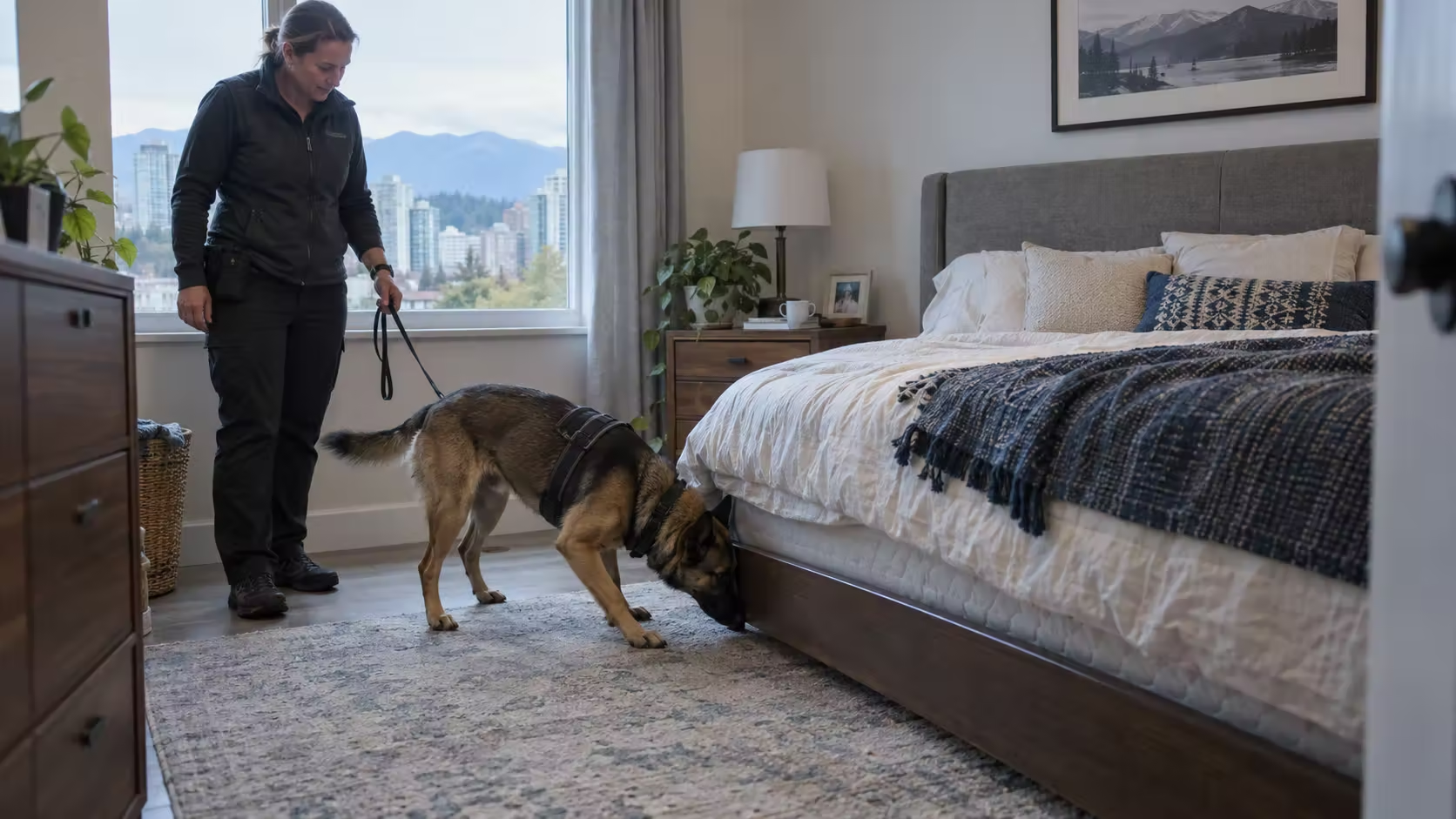
During professional K9 bed bug detection, the dog searches designated rooms while a trained handler observes its behaviour. When the dog recognizes the target scent, it performs a trained response—such as sitting, stopping or pointing toward the suspected location.
This ability can be valuable because bed bugs are small, flat and naturally inclined to hide in narrow, protected spaces. A visual inspection may identify insects or physical evidence on accessible surfaces, but it cannot always examine the interior of furniture, wall voids or other concealed areas.
A detection dog does not literally see through these materials. It follows scent escaping from the area where bed bugs may be hiding.
What Scent Do Bed Bugs Give Off That Dogs Can Detect?
Bed bugs produce a combination of natural chemical odours. These scents may come from their bodies, communication chemicals and other biological activity associated with an infestation.
Humans occasionally describe a strong infestation as having a sweet, musty or unusual smell. However, this odour is generally not noticeable during the early stages of a problem. Dogs have a much more sensitive sense of smell and can be trained to recognize the relevant scent at substantially lower concentrations.
The exact target depends on the dog’s training program. Some detection dogs are specifically trained to respond to live bed bugs and viable eggs while ignoring dead insects, discarded skins and old infestation residue. This distinction is important because detecting evidence of previous activity is not the same as locating an active infestation.
How Are Dogs Trained to Detect Bed Bugs?
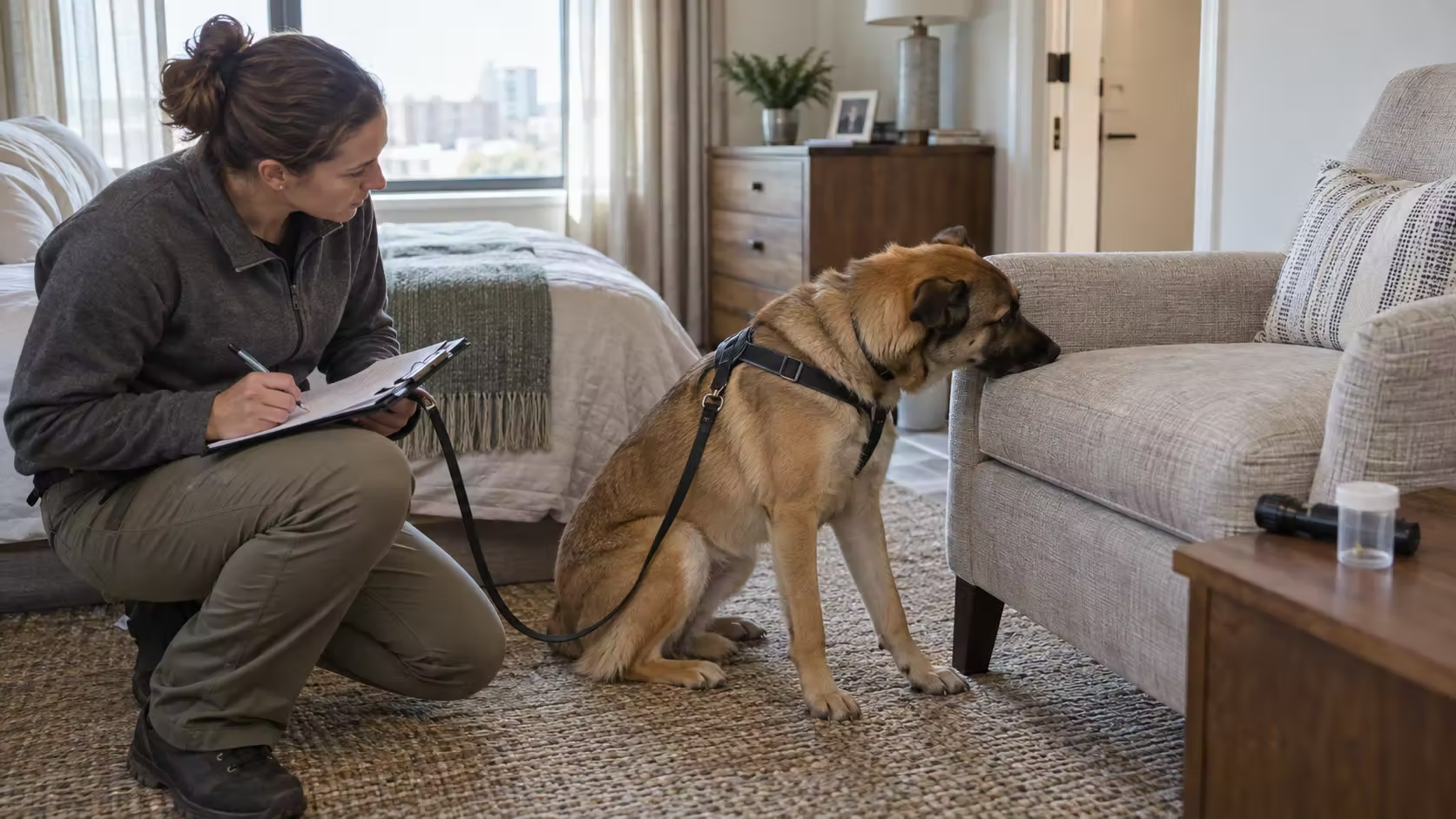
Bed bug detection dogs are generally trained through scent association and positive reinforcement. During training, the dog learns that locating the target odour and providing the correct alert leads to a reward.
The process usually begins in a controlled environment before progressing to increasingly complex search situations. Training may include:
- Recognizing the scent of live bed bugs
- Distinguishing bed bugs from other household insects
- Searching furniture, bedrooms and simulated wall cavities
- Ignoring food, toys and unrelated environmental odours
- Alerting only when the target scent is present
- Working through distractions without losing focus
Training does not end when the dog begins working professionally. Detection teams need regular practice using controlled samples to maintain reliable search behaviour and confirm that the dog continues responding correctly.
Can Regular Pet Dogs Detect Bed Bugs Without Special Training?
A pet dog may notice an unusual smell or become interested in a particular part of a room, but this behaviour should not be treated as evidence of bed bugs.
Professional detection dogs are trained to recognize a specific target scent, search rooms systematically and communicate a consistent alert to their handlers. Most pets have not learned these skills and may react to food, other insects, rodents or unfamiliar household odours instead.
Therefore, repeatedly sniffing a mattress or scratching near a wall does not confirm that a pet has found bed bugs.
How Do Detection Dogs Alert Their Handlers to Bed Bugs?
Each detection team may use a slightly different alert. Common responses include sitting, freezing, pointing with the nose or focusing intently on one location.
A well-trained alert should be clear and consistent enough for the handler to distinguish it from ordinary sniffing or curiosity. The handler then marks the location and may inspect the surrounding area for physical evidence.
The dog indicates the suspected source of the scent, but the handler interprets the behaviour and determines the next step. For this reason, canine detection should be viewed as a team process rather than the work of the dog alone.
How Accurate Are Bed Bug-Sniffing Dogs?
Bed bug-sniffing dogs can perform well under appropriate conditions, but there is no single accuracy percentage that applies to every dog, handler or property.
Results depend on several factors, including:
- The quality and frequency of the dog’s training
- The handler’s ability to interpret alerts
- The number and location of bed bugs
- Air movement and ventilation
- Odours and distractions inside the property
- The size and complexity of the search area
- Whether the dog is tired, stressed or losing concentration
- Whether the inspection process includes independent verification
A professional inspection should never present the dog as an infallible diagnostic tool. Results are most useful when the team follows a structured search method and investigates alerts carefully.
Controlled-Test Accuracy vs. Real-World Accuracy
Controlled tests typically involve known scent samples placed in predictable environments. Real properties are considerably more complicated.
An occupied apartment, for example, may contain food, cleaning products, pets, luggage, upholstered furniture and airflow from heating or ventilation systems. The target scent may also move away from its original source, making it harder to determine the precise hiding place.
Real-world accuracy can therefore differ from controlled-test performance. A reliable inspection provider considers environmental conditions rather than relying only on training statistics.
What Causes False Positives and False Negatives?
A false positive occurs when the dog alerts in an area where active bed bugs are not present. Possible causes include residual odour from an old infestation, handler influence, confusing environmental scents or an alert that has not been interpreted correctly.
A false negative occurs when active bed bugs are present but the dog does not alert. This may happen when:
- The infestation is extremely small
- The insects are concealed in an area with limited scent movement
- Strong airflow carries the scent elsewhere
- The room contains substantial distractions
- The dog becomes tired during an extended search
- Furniture or belongings restrict access to the search area
Confirming alerts visually when possible and maintaining consistent inspection conditions can reduce the risk of incorrect conclusions.
What Can Bed Bug Detection Dogs Find?
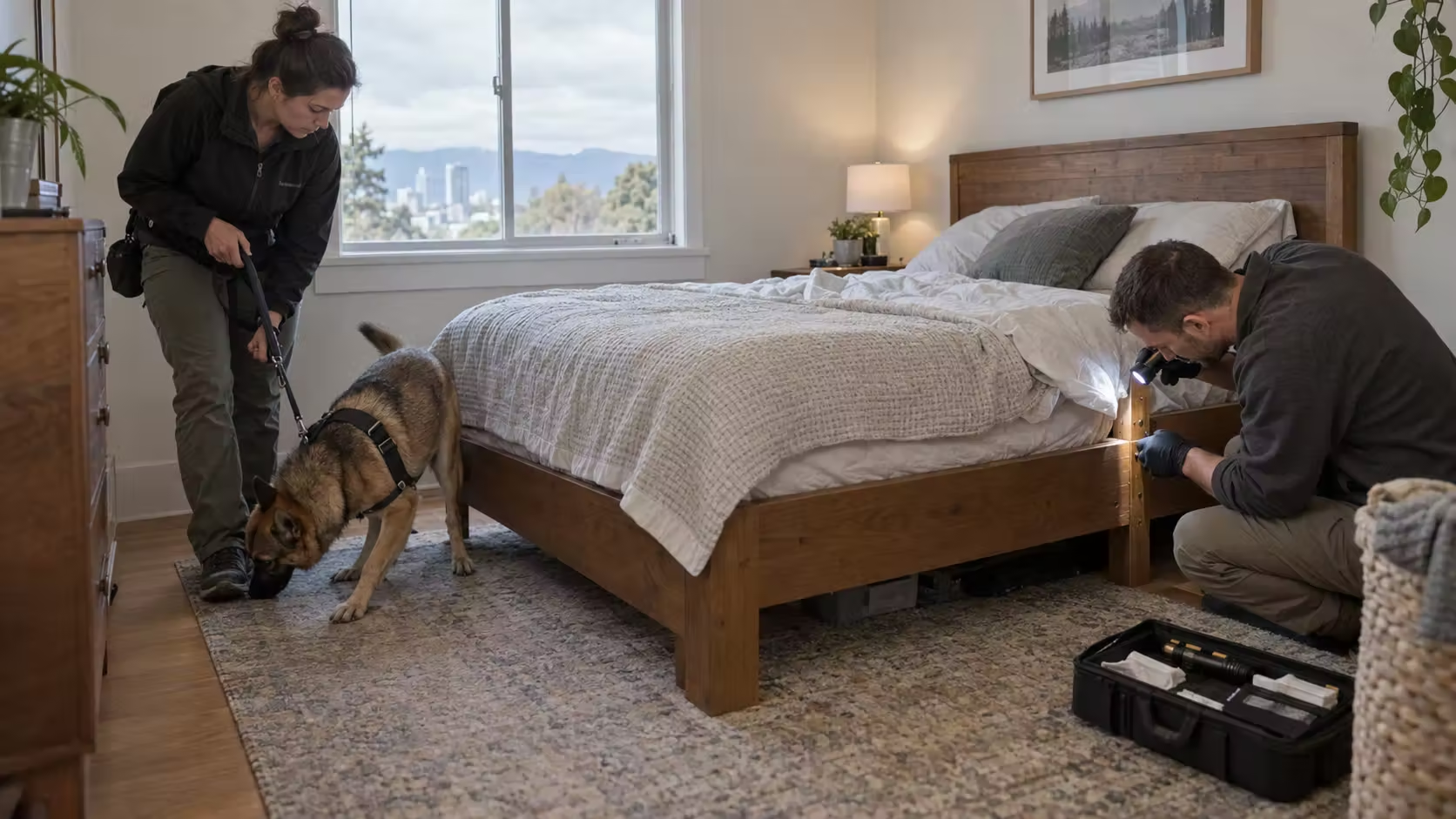
Properly trained dogs may locate bed bug activity in places that are difficult to inspect manually. These can include mattress interiors, box springs, furniture joints, baseboard gaps, electrical outlets, wall cavities and items stored inside a room.
Their strongest advantage is not identifying an insect that is already visible. It is helping narrow the search when bed bugs or their eggs are concealed.
Can Dogs Smell Live Bed Bugs, Nymphs and Viable Eggs?
Dogs can be trained to recognize the scent of adult bed bugs, younger nymphs and viable eggs. The dog’s actual capabilities depend on the odours used during training and how frequently it practices with each target.
This can make canine inspection useful for detecting low-level activity before an infestation produces extensive visible evidence. Nevertheless, one alert should still be assessed within the wider context of the property.
Can Dogs Distinguish Live Bed Bugs From Dead Bugs and Old Infestations?
Some dogs are specifically trained to respond to live bed bugs and viable eggs while ignoring dead insects, empty eggshells and shed skins. This helps prevent old evidence from being mistaken for current activity.
The distinction is particularly important during post-treatment inspections. A room may still contain dead insects or traces of the previous infestation even when treatment has successfully eliminated active bed bugs.
Property owners should ask whether the detection team trains and tests its dogs using both live targets and non-target materials.
Can Dogs Smell Bed Bugs Through Walls, Furniture and Other Hiding Places?
Detection dogs may recognize bed bug scent escaping from furniture, baseboards, wall gaps and similar hiding places. They do not identify an insect through a solid barrier in the same way an imaging device would. Instead, they follow airborne odour molecules moving from the concealed area.
The location of an alert may therefore indicate the strongest available scent rather than the exact position of every insect. Airflow, gaps between materials and room layout can influence where the scent accumulates.
Bed Bug Detection Dogs vs. Visual Inspections and Bed Bug Monitors
Canine inspections, visual inspections and monitoring devices serve different purposes. They can complement one another rather than compete as interchangeable methods.
| Inspection method | Main advantage | Main limitation |
|---|---|---|
| Detection dog | Can screen larger areas and investigate concealed scent sources | Accuracy depends on the dog, handler and inspection conditions |
| Visual inspection | Can physically confirm bugs, eggs, skins and fecal spotting | Limited to accessible and visible areas |
| Bed bug monitors | Can collect evidence over an extended period | May not provide an immediate result |
A visual inspection should focus on physical signs of bed bugs, including dark spotting, shed skins, eggs and live insects. When those signs are absent or difficult to locate, canine detection may help identify areas that deserve closer examination.
Monitoring devices can be useful when the evidence remains inconclusive. They are typically placed around beds or furniture and checked over time for captured insects or continuing activity.
When Is a Bed Bug Detection Dog Worth Using?
A canine inspection may be especially valuable when the suspected infestation is small, the property contains many potential hiding places or a large number of rooms must be screened efficiently.
Common situations include:
- Suspected early-stage infestations
- Repeated bites without clear physical evidence
- Hotels and short-term rental properties
- Apartments, condominiums and strata buildings
- Post-treatment clearance inspections
- Screening several rooms or units
- Checking used furniture before it is moved
Detecting Small or Hidden Infestations
During the early stages of an infestation, only a few insects may be present. They may remain inside a headboard, bed-frame connection or furniture seam where they are unlikely to be noticed during a quick inspection.
A detection dog can help narrow the search to specific locations. The inspector can then examine those areas more closely and determine whether there is enough evidence to confirm active bed bugs.
Inspecting Hotels and Multi-Unit Properties

Hotels, apartments and other multi-unit properties can be challenging because activity may extend beyond the room where it was first reported.
Understanding how bed bugs spread through luggage, personal belongings, furniture and movement between properties helps explain why adjacent rooms or units may also require inspection.
Dogs can screen several areas efficiently, helping property managers determine where more detailed investigation may be needed. This does not mean every unit automatically requires treatment; inspection results should guide decisions about the scope of any response.
Confirming Results After Treatment
A post-treatment canine inspection can help assess whether live bed bugs or viable eggs may remain. Timing matters because inspecting too soon could produce misleading results, especially when dead insects or treatment-related odours remain in the room.
The pest control provider should determine the appropriate interval between treatment and a clearance inspection based on the method used and the conditions of the property.
What Happens After a Detection Dog Alerts?
An alert identifies a location that requires further attention. It should not automatically lead to treating an entire building without additional assessment.
The handler or pest control technician may:
- Record the location of the alert.
- Inspect the surrounding furniture, cracks and surfaces.
- Look for live insects, eggs, fecal spotting or shed skins.
- Compare the alert with other evidence reported by occupants.
- Inspect adjacent rooms or units when spread is possible.
- Determine whether monitoring or treatment is appropriate.
If active infestation is confirmed, the next step may involve targeted professional bed bug control in Vancouver based on the location, property type and extent of the activity.
Treatment decisions should be based on the overall inspection—not simply the presence of one canine alert.
How to Prepare for a Canine Bed Bug Inspection
Preparation can improve the dog’s ability to search and reduce unnecessary distractions. Always follow the specific instructions provided by the inspection company, as requirements may vary.
General preparation may include:
- Removing food, pet treats and open garbage
- Taking pets out of the inspection area
- Avoiding strong fragrances immediately before the visit
- Keeping floors and access routes reasonably clear
- Leaving furniture in its normal position unless instructed otherwise
- Turning off fans that may disrupt scent movement
- Avoiding unapproved pesticides or cleaning chemicals before the inspection
Do not move potentially infested furniture, clothing or bedding into another room before the inspection. Moving belongings can spread bed bugs and make it harder to understand where the activity began.
Conclusion
Trained dogs can smell bed bugs and may identify activity that is difficult to locate through visual inspection alone. Their effectiveness, however, depends on the dog’s training, the handler’s experience, environmental conditions and how carefully alerts are evaluated.
The most reliable approach combines canine detection with visual confirmation, monitoring and a clear inspection protocol. Pest control providers such as Phantom Pest Control can use the available evidence to determine whether an alert indicates active bed bugs and what response is appropriate for the property.
A detection dog is a valuable inspection tool, but it should be treated as one part of a complete bed bug assessment rather than an automatic guarantee.
Frequently Asked Questions
1. Can dogs smell bed bugs in another room?
A trained dog may detect bed bug scent in multiple rooms, but airflow can move odours from their original source. Each alert should be investigated to determine where the activity is actually located.
2. Can dogs smell bed bugs inside a mattress?
Yes. Dogs may detect scent escaping from mattress seams, folds or internal spaces even when the insects are not visible. A closer inspection may still be required to confirm the source.
3. Can dogs detect bed bug eggs?
Dogs can be trained to detect viable bed bug eggs. Property owners should confirm that the inspection team specifically includes viable eggs among the dog’s trained target odours.
4. Can a dog tell how many bed bugs are present?
No. A dog’s alert indicates that it has detected the target scent, but it does not provide a reliable count of the insects. Additional inspection is required to estimate the extent of the infestation.