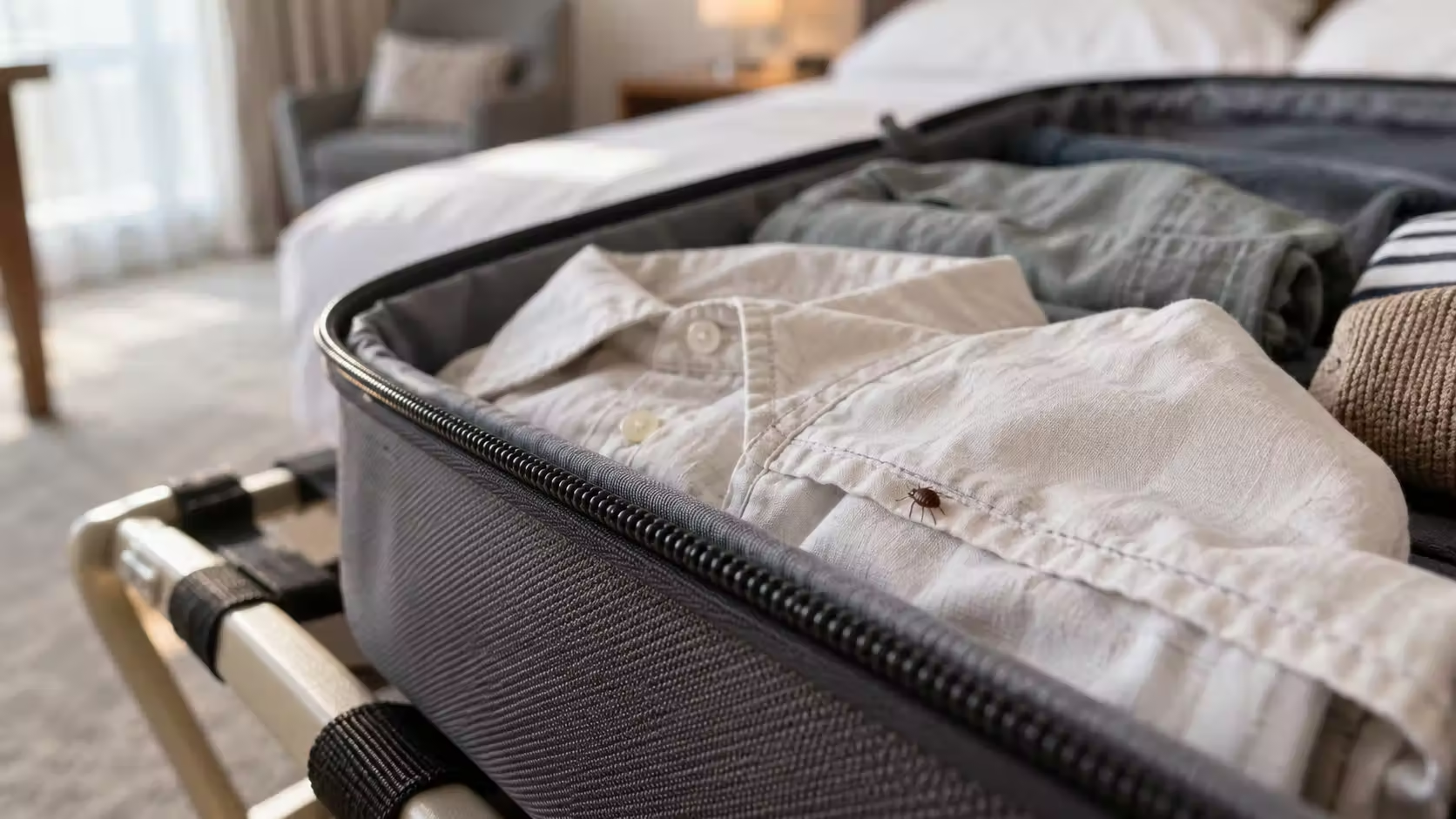
Yes, bed bugs can hide in clothes, but clothing is not usually where they prefer to establish themselves. They are more likely to settle in quiet cracks and seams near a place where people regularly sleep or rest. Clothes become a concern when they are left in piles, stored near an infested bed, packed in a suitcase, or moved from one room or property to another.
If you find a suspicious bug on a shirt or wake up with unexplained bites, try not to panic or start carrying laundry through the home. A calm, controlled approach—bagging suspect items, using effective dryer heat, and inspecting the surrounding room—can reduce the risk of spreading bed bugs.
This guide explains how long bed bugs can survive in clothing, what evidence to look for, and how to treat washable and delicate items safely.
On this page10 sections
- Can Bed Bugs Actually Live in Clothes?
- Why Bed Bugs Hide in Clothing
- How Long Can Bed Bugs Survive in Clothes?
- How to Tell If Bed Bugs Are in Your Clothes
- How to Get Bed Bugs Out of Clothes
- Can Bed Bugs Spread to Your Home Through Clothes?
- Common Mistakes When Treating Bed Bugs in Clothing
- When Bed Bugs in Clothes May Signal a Larger Infestation
- Conclusion: Can Bed Bugs Live in Clothes?
- Frequently Asked Questions
Can Bed Bugs Actually Live in Clothes?
Bed bugs can remain in clothing temporarily and may hide in garments that are undisturbed. However, they do not live on people in the way lice do. Their usual pattern is to emerge from a nearby hiding place, take a blood meal, and return to a protected crack or crevice.
Clothing can still provide useful shelter, especially when it is:
- Piled on the floor beside a bed or sofa
- Stored in an infested dresser or closet
- Packed tightly in luggage
- Left in a laundry basket for a long time
- Folded or layered, creating dark seams and gaps
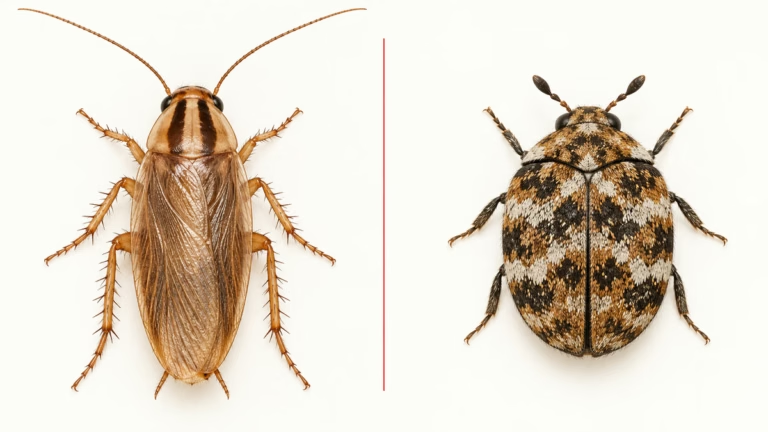
A bed bug found on clothing may be a hitchhiker rather than proof that the garment itself is the centre of an infestation. The more important question is where the insect came from. Inspect the bed, headboard, box spring, nearby furniture, baseboards, and luggage instead of treating only the item where you noticed it.
Why Bed Bugs Hide in Clothing
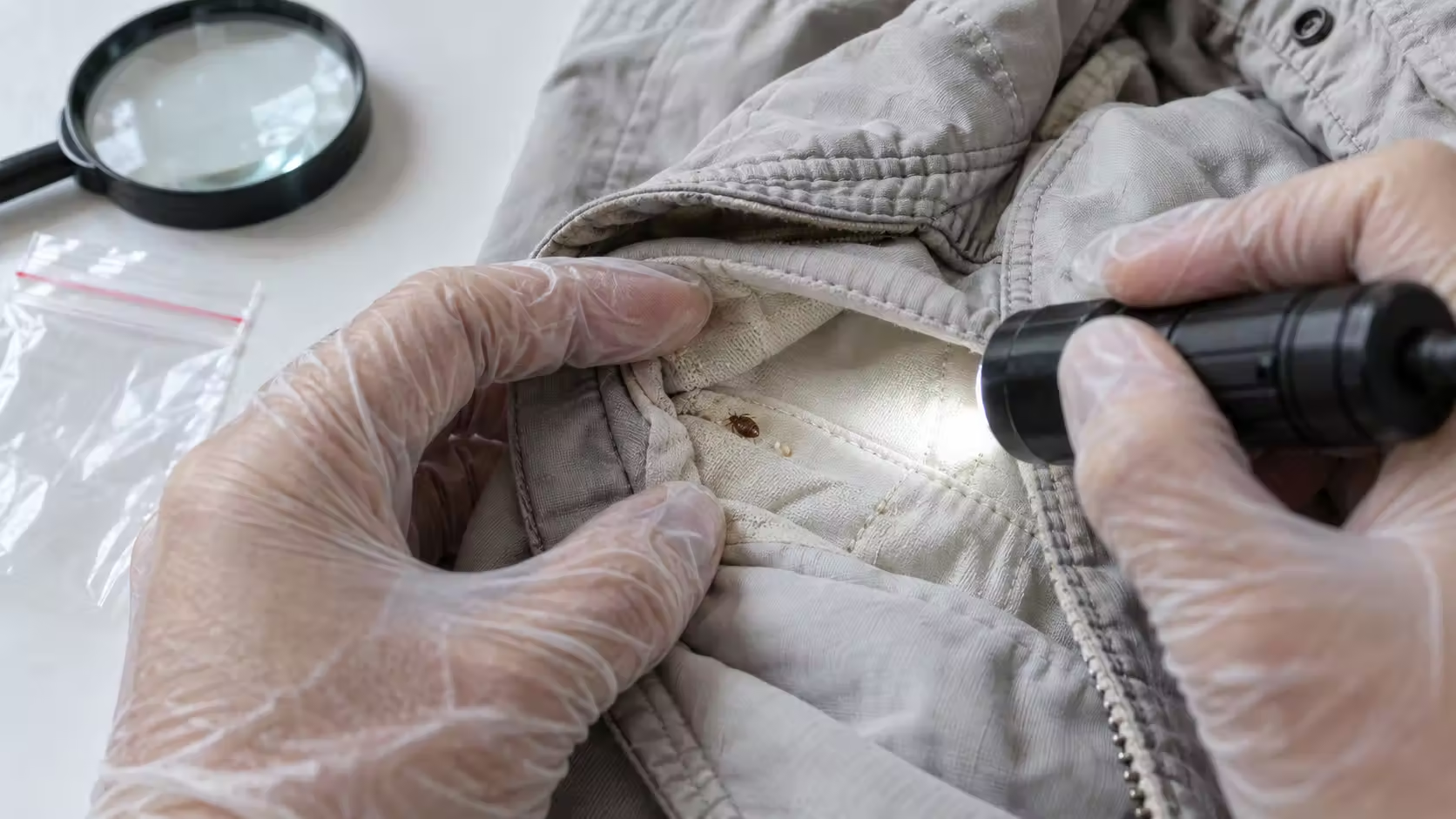
Bed bugs seek narrow, dark, protected spaces close to a reliable host. Folded clothing, seams, pockets, and laundry piles can offer temporary shelter. Clothes also move between bedrooms, hotels, shared laundry rooms, workplaces, and other homes, making them an effective form of transportation.
This does not mean poor hygiene caused the problem. Bed bugs are drawn to access to a host—not dirt. A clean home, hotel, or suitcase can still pick up a hitchhiking bed bug.
Where Bed Bugs Hide in Clothes, Laundry, and Closets
When checking clothing, pay particular attention to:
- Cuffs, collars, waistbands, and hems
- Pockets and pocket linings
- Zippers, buttons, and stitched labels
- Thick seams and folded fabric
- Laundry baskets and hampers
- Closet-floor clutter
- Garments touching a bed or upholstered chair
- Cracks in dressers, closet shelving, and baseboards
Bed bugs may be found between garments, but the nearby furniture is often a more stable hiding place. Check drawer joints, screw holes, shelf edges, and the gap where the closet meets the wall.
Can Bed Bugs Lay Eggs on Clothes?
Yes, a female bed bug can lay eggs on clothing, particularly on an undisturbed garment near an established hiding area. The eggs are tiny, pale, and attached to surfaces with a glue-like substance, so they may remain in a seam or fold rather than simply falling away.
Still, clothing is not necessarily the first or most common place to find eggs. Bed bugs generally favour protected areas near beds and seating, including mattress seams, bed-frame joints, headboards, and upholstery. Finding eggs on clothes should prompt a wider inspection of the room.
Can Bed Bugs Stay on Clothes You Are Wearing?
They can crawl onto clothes you are wearing, but they usually do not remain on a moving person for long. Frequently worn clothing is exposed to light, motion, and disturbance, making it less suitable than luggage, a coat left on an infested chair, or clothes lying beside a bed.
The risk is not zero. A bug can become caught in a cuff, pocket, loose fold, or bag and travel with you. If you have just left a location with confirmed bed bug activity, change in a controlled area, seal the clothes in a bag, and heat-treat them before mixing them with other laundry.
How Long Can Bed Bugs Survive in Clothes?
Bed bugs do not quickly die just because clothing has been placed in a bag or closet. Survival varies with life stage, temperature, humidity, and when the insect last fed. The U.S. Environmental Protection Agency notes that bed bugs can survive for several months—and in some conditions up to a year—without feeding. For that reason, isolation alone is slow and uncertain.
A sealed bag can contain bed bugs and prevent spread, but it should not be mistaken for immediate treatment. The EPA advises that untreated items may need to remain sealed for up to a year to ensure active bugs have died. Whenever the fabric permits, a properly operated clothes dryer provides a much faster and more reliable option.
How to Tell If Bed Bugs Are in Your Clothes
Do not rely on bites alone. Skin reactions vary widely, can appear later, and may resemble reactions caused by other insects or skin conditions. Instead, look for physical evidence on the garment and in the area where it was stored.
Signs of Bed Bugs and Eggs on Clothing
Possible signs include:
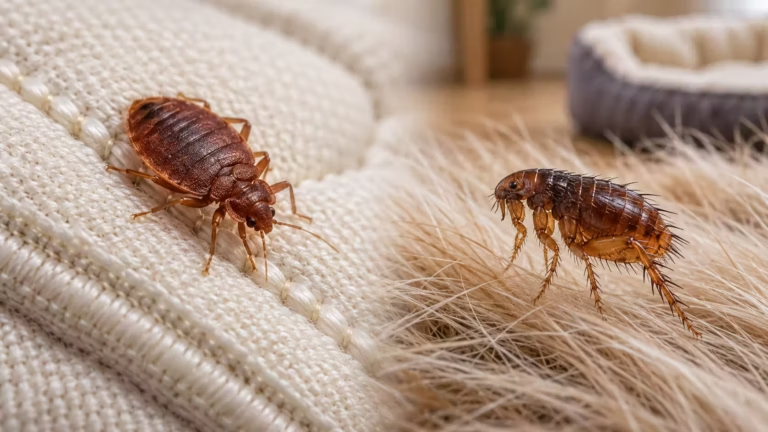
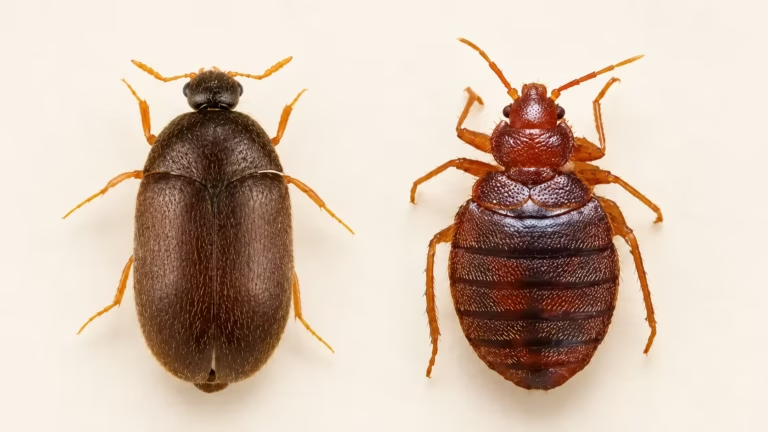
- A live, flat, oval insect that is brown to reddish-brown
- Tiny pale eggs or empty eggshells attached to a seam
- Translucent or pale shed skins
- Small dark fecal spots that resemble fine marker dots
- Rust-coloured smears that may result from a crushed, recently fed bug
One mark is not confirmation. Lint can resemble eggs, and ordinary stains can resemble spotting. Compare several clues and, if possible, photograph or safely contain a specimen for professional identification. Our guide to the signs of bed bugs explains what to check around the bed and why a pattern of evidence is more useful than a single bite or stain.
Where to Inspect Seams, Folds, Pockets, and Laundry
Place the garment on a light-coloured, easy-to-clean surface away from beds and upholstered furniture. Use a bright flashlight and examine it slowly.
Turn pockets inside out where practical. Check both sides of stitched seams, under collars, around cuffs, beneath labels, and inside folded waistbands. Then inspect the hamper, laundry bag, suitcase, shelf, or drawer that held the item. If clothing was stored near a bed, examine mattress piping, the box spring, bed-frame joints, and the back of the headboard as well.
Avoid shaking suspect clothes. Shaking does not solve the problem and may dislodge insects or eggs into a new area.
How to Get Bed Bugs Out of Clothes
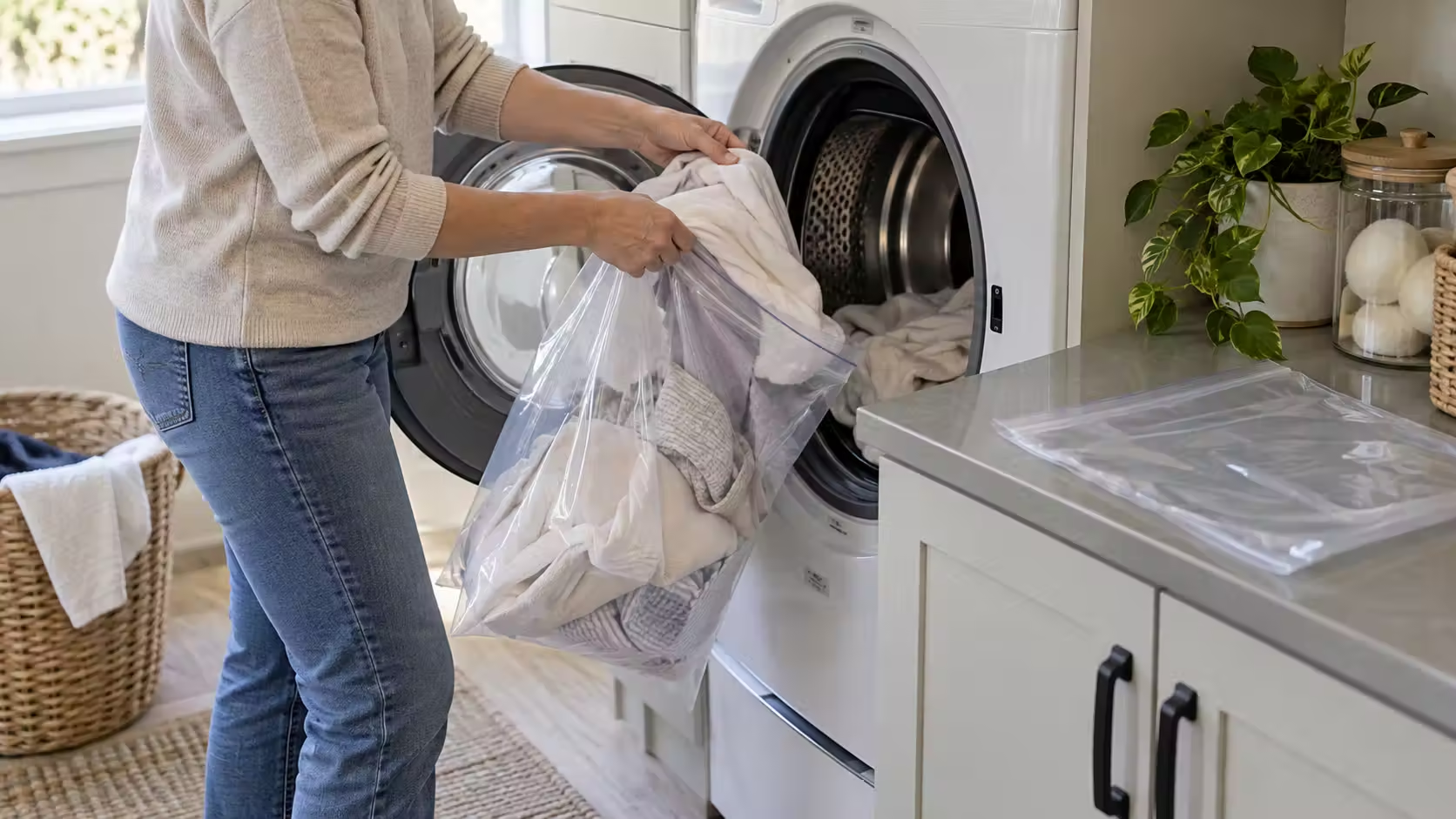
Treating clothes is a process of containment, heat, and clean storage. Work in manageable batches. Trying to empty an entire bedroom at once can make it harder to distinguish treated items from untreated ones.
Bag and Separate Infested Clothing Before Moving It
Place suspect clothes directly into sturdy, sealable plastic bags or bins in the affected room. Do not carry loose laundry through hallways or place it on sofas, floors, or communal laundry tables.
Label bags as “untreated” and prepare separate clean bags for items coming out of the dryer. When emptying an infested bag into a machine, avoid scattering the contents. Seal the empty bag inside another bag and dispose of it according to local guidance, or clean the reusable container before it holds treated clothes.
In shared laundry facilities, keep bags sealed until the machine is ready. Never reuse the same uncleaned bag for finished laundry.
Use a Clothes Dryer and Heat to Kill Bed Bugs and Eggs
Dryer heat—not water alone—is the critical step. Health Canada recommends placing suitable items in a hot dryer for at least 30 minutes and drying washable clothing on the hottest setting the fabric can safely tolerate. A full or dense load may take longer to reach an effective temperature throughout, so avoid overloading the drum.
Use this sequence:
- Check the garment’s care label.
- Transfer the sealed load directly into the dryer or washer.
- Dry on the hottest setting the fabric can safely withstand for at least 30 minutes.
- Make sure the items are fully dry and heated throughout.
- Move them immediately into a new, clean bag or sealed bin.
Do not try to heat a room with a thermostat, fireplace, or portable propane heater. Uncontrolled DIY heat may fail to reach insects hidden deep in objects and can create a serious fire or carbon-monoxide risk.
Wash and Store Treated Clothes Without Reinfesting Them
Washing removes dirt and debris, but it should not be your only control step. Health Canada specifically warns that washing alone may not kill every bed bug. Use a dryer setting that the fabric can safely tolerate after washing.
Once a load is treated:
- Fold it in a confirmed clean area
- Place it in a new sealed bag or lidded plastic bin
- Mark the container as “treated”
- Keep it separate from untreated possessions
- Take out only the clothes you need while the home is being treated
Do not return clean clothes to an infested dresser or closet until that area has been inspected and included in the treatment plan.
How to Treat Clothes That Cannot Be Washed or Dried
Start with the care label and do not expose delicate, leather, embellished, or heat-sensitive items to temperatures that could damage them. Options may include:
- Asking a dry cleaner whether it can safely handle the item after being informed of the bed bug concern
- Using a professional heat-treatment chamber designed for belongings
- Having a pest management professional inspect and recommend a method
- Freezing suitable small items in a reliably cold freezer
Health Canada states that freezing may work when items remain at a consistent −19°C for four days, but home freezers vary and densely packed objects take time to cool throughout. Outdoor winter temperatures are not a dependable substitute. Do not put clothes in an oven or microwave, and do not apply improvised chemicals.
Can Bed Bugs Spread to Your Home Through Clothes?
Yes. Bed bugs are skilled hitchhikers and can enter a home on clothing, luggage, backpacks, bedding, and second-hand furniture. They do not jump or fly; they crawl into a protected fold or seam and are carried to the next location.
Learning how bed bugs get into homes can help you focus on realistic risks without blaming yourself or other household members. Anyone can unknowingly bring one home.
How Bed Bugs Hitchhike on Clothing and Luggage
The highest risk usually comes from belongings left close to an infested sleeping or seating area. A suitcase opened on a hotel bed, a coat placed on an upholstered chair, or a laundry bag stored on the bedroom floor gives a wandering bed bug an opportunity to hide.
Once the item reaches home, the insect may leave it and settle near a bed or sofa. This is why treating one shirt without checking the suitcase and surrounding room can create false reassurance.
How to Prevent Bringing Bed Bugs Home After Travel
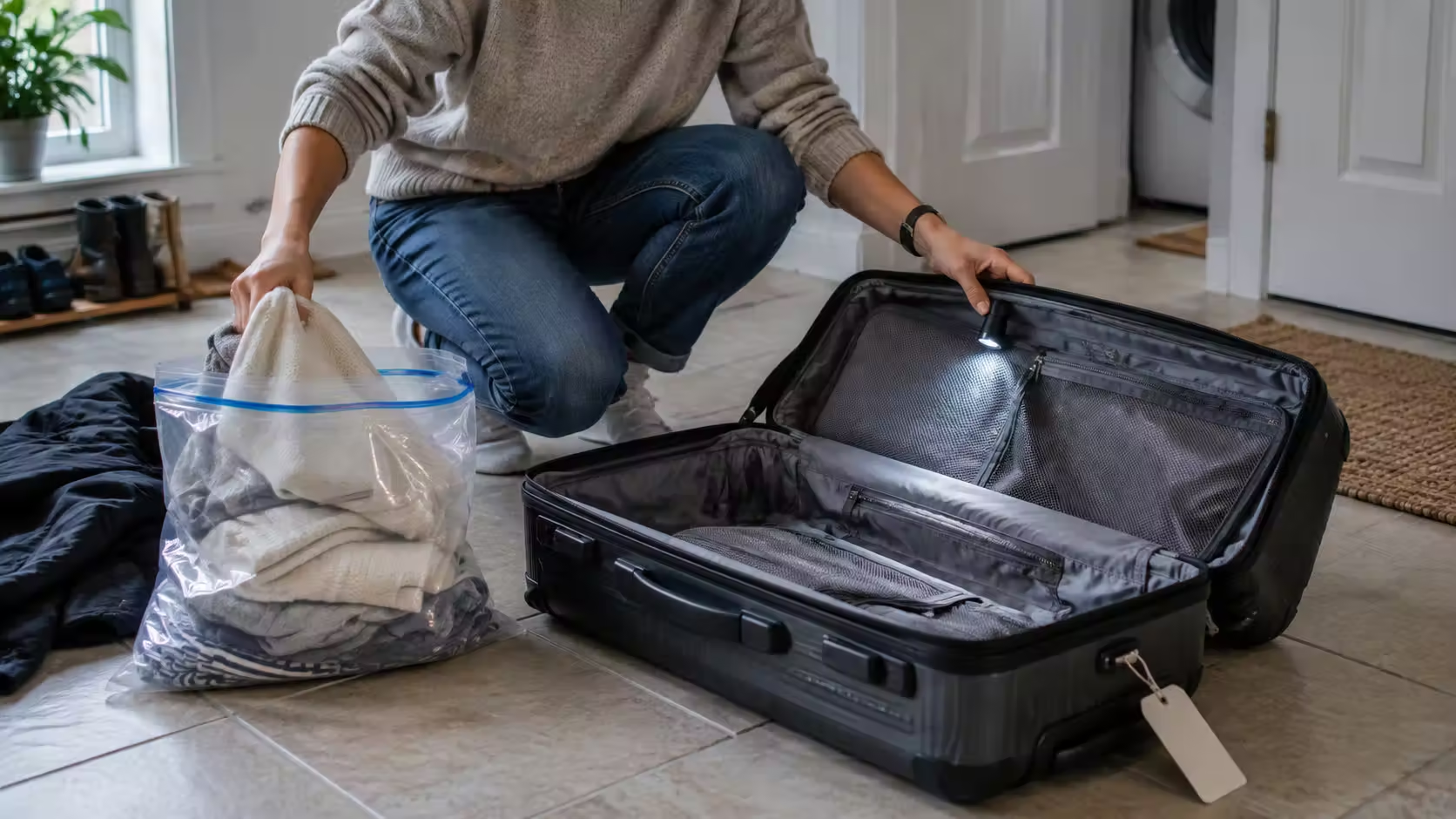
Before unpacking, place luggage on a hard, easy-to-inspect surface away from bedrooms. Inspect seams, pockets, zipper tracks, and folds with a flashlight. Move travel clothes directly into sealed bags and then into the laundry process—even items you did not wear if they shared the same suitcase.
Dry suitable items on the hottest safe setting for at least 30 minutes. Vacuum the suitcase carefully, empty the vacuum into a sealed bag, and dispose of it outside. Store luggage away from sleeping areas rather than under the bed.
While travelling, use the luggage rack after inspecting it, keep bags closed when possible, and avoid placing clothes on beds or upholstered furniture.
Common Mistakes When Treating Bed Bugs in Clothing
The urge to act immediately is understandable. Unfortunately, a rushed response can scatter bed bugs or expose people and pets to unnecessary chemicals. Avoid these four common mistakes.
Moving Unbagged Clothes Between Rooms
Carrying loose clothes from an affected bedroom to a laundry room can drop bed bugs along the route. Bag items before moving them, keep untreated and treated loads separate, and avoid creating piles in another room.
Relying on Washing Alone Instead of Effective Heat
A normal or cool wash may not kill every life stage. Use the hottest wash the fabric can safely withstand, but make dryer heat the essential treatment step. Allow enough time for the entire load—not just the air inside the dryer—to become hot.
Spraying Insecticides Directly on Clothing
Do not spray pesticides, rubbing alcohol, essential oils, or household cleaners onto clothes you will wear unless a registered product label specifically permits that use. Misusing pesticides can expose skin and lungs, stain garments, and still fail to eliminate bugs hidden elsewhere.
Bed bug treatment should follow the product label and an integrated plan, not a series of improvised sprays. If you are unsure, keep the item sealed and ask a licensed professional how it should be handled.
Throwing Away Clothes That Can Be Safely Treated
Most washable and dryer-safe clothes do not need to be discarded. Throwing items away can be expensive, distressing, and may spread bed bugs through the building if bags tear or discarded garments are collected by someone else.
Contain and treat salvageable items. If something truly must be discarded, seal it securely and follow local disposal instructions so another person does not take it home.
When Bed Bugs in Clothes May Signal a Larger Infestation
Finding one bug after recent travel may represent an isolated introduction, but repeated evidence deserves a broader inspection. Bed bugs in several loads of laundry, eggs attached to garments, dark spotting in drawers, or activity in more than one room may indicate that the clothing is only one part of an established infestation.
Professional assessment becomes especially important when:
- You find live bugs, eggs, and shed skins together
- New evidence appears after clothes have been treated
- Several people or rooms are affected
- Bed bugs are suspected in an apartment, condo, hotel, or other multi-unit property
- You cannot identify the insect confidently
- DIY efforts appear to be scattering rather than reducing activity
Laundry can remove bed bugs from clothing, but it cannot treat insects hidden in a headboard, wall gap, sofa, or neighbouring unit. Phantom Pest Control provides professional bed bug control in Vancouver with inspection, targeted treatment, and follow-up planning based on the extent of activity.
Conclusion: Can Bed Bugs Live in Clothes?
Bed bugs can hide, survive, and occasionally lay eggs in clothes, especially when garments remain undisturbed near an infested bed or inside luggage. However, they usually prefer stable cracks and crevices close to where people sleep. Clothes are often a temporary refuge or a way to travel—not the full infestation.
The safest response is straightforward: contain suspect clothing before moving it, use effective dryer heat when the care label allows, place treated items in clean sealed storage, and inspect the surrounding room. Do not rely on washing alone, spray clothes with unapproved pesticides, or assume a sealed bag will kill bed bugs quickly.
If evidence continues after you treat your clothes, the source is probably elsewhere. Phantom Pest Control can help homeowners, tenants, property managers, and businesses across Vancouver and the Lower Mainland confirm the problem and choose the appropriate next step.
Frequently Asked Questions
1. Can bed bugs survive in clothes in a closet?
Yes. Bed bugs can survive in folded or hanging clothes, particularly in a quiet closet near an infested bedroom. They may also hide in shelf joints, dresser cracks, baseboards, and items stored on the closet floor. Treating the clothes without inspecting the storage area may allow them to become infested again.
2. Does washing clothes kill bed bugs?
Hot washing may kill some bed bugs, but washing alone is not considered dependable for every life stage. Follow the care label and use a hot dryer for at least 30 minutes when the fabric allows. The load must be fully heated and dried throughout.
3. What temperature kills bed bugs in clothes?
Research-based guidance indicates that all bed bug life stages can be killed when items reach temperatures above approximately 50°C (122°F) for a sufficient period. Because dryer temperatures, load sizes, and fabric density vary, practical guidance from Health Canada is to use the hottest dryer setting the fabric can safely withstand for at least 30 minutes rather than relying only on a temperature number.
4. Can bed bugs travel on the clothes you are wearing?
Yes, but it is less common than travel in luggage, bags, or clothes left undisturbed near an infested area. Bed bugs do not normally live on the human body. A bug may still hide in a loose fold, pocket, cuff, coat, or bag and be carried to another location.
5. How long can bed bugs live in a bag of clothes?
Potentially for several months, depending on temperature, life stage, and when they last fed. In some conditions, survival can be much longer. Use sealed bags for containment, not as a quick killing method. Heat-treat suitable clothing, and keep untreated items sealed until a pest professional recommends a safe method or the isolation period has been completed.