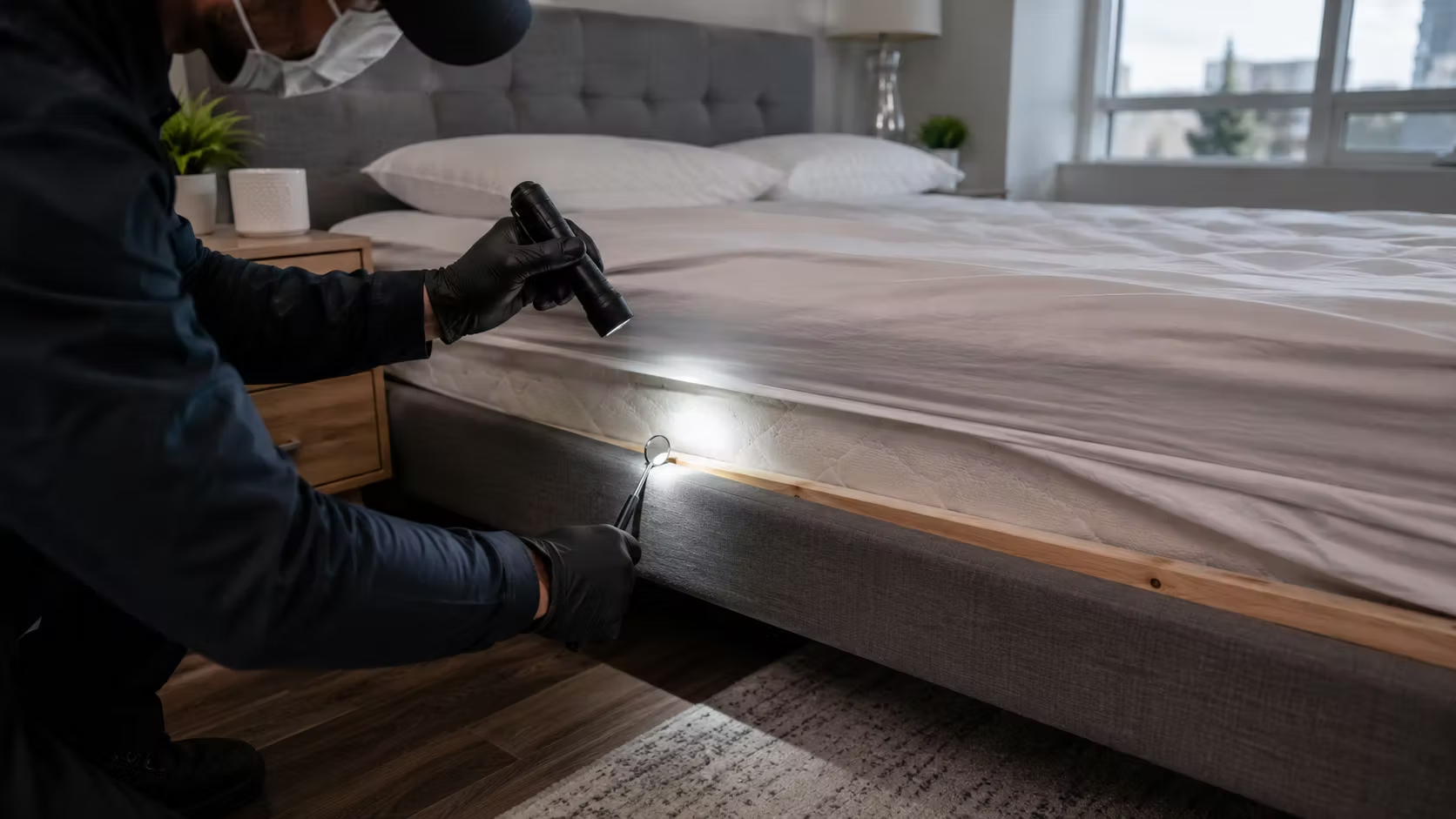
Bed bugs can be surprisingly difficult to notice when an infestation is just beginning.
You might expect to see insects crawling across your mattress, but that is rarely how a problem first reveals itself. Bed bugs spend much of their time hidden in seams, cracks, furniture joints, and other narrow spaces close to where people sleep.
Often, the first clue is something smaller: a few dark spots along a mattress seam, an unexplained mark on your sheets, a shed skin behind the headboard, or bites that seem to appear overnight.
Knowing the signs of bed bugs can help you spot suspicious activity earlier and understand when a closer inspection may be necessary.
One important thing to remember is that a single clue does not always mean you have bed bugs. Bites can have other causes, stains can come from normal household use, and several insects are regularly mistaken for bed bugs.
What matters more is the pattern of evidence you find.
On this page12 sections
- 9 Signs of Bed Bugs You Should Look For
- Where Should You Check for Bed Bugs First?
- Can You Have Bed Bugs Without Seeing Them?
- Are Bites Always the First Sign of Bed Bugs?
- Do Bed Bug Bites Always Appear in a Line?
- Does Having Bed Bugs Mean Your Home Is Dirty?
- How Do Bed Bugs Get Into Homes?
- What Can Be Mistaken for Bed Bugs?
- What Should You Do If You Find Signs of Bed Bugs?
- When Should You Call a Professional?
- Early Bed Bug Signs Are Often Subtle
- Need Help With Suspected Bed Bugs?
9 Signs of Bed Bugs You Should Look For
If you suspect bed bugs, start around the places where people regularly sleep or rest. Instead of searching for one perfect clue, look for several signs appearing in the same general area.
- Dark Spots Along Mattress Seams
- Small Blood Stains on Your Bedding
- Unexplained Bites After Sleeping
- Shed Bed Bug Skins
- Tiny Bed Bug Eggs or Eggshells
- Live Bed Bugs
- A Musty or Unusual Odour
- Evidence Around the Headboard and Bed Frame
- Bed Bug Signs Away From the Mattress
1. Dark Spots Along Mattress Seams
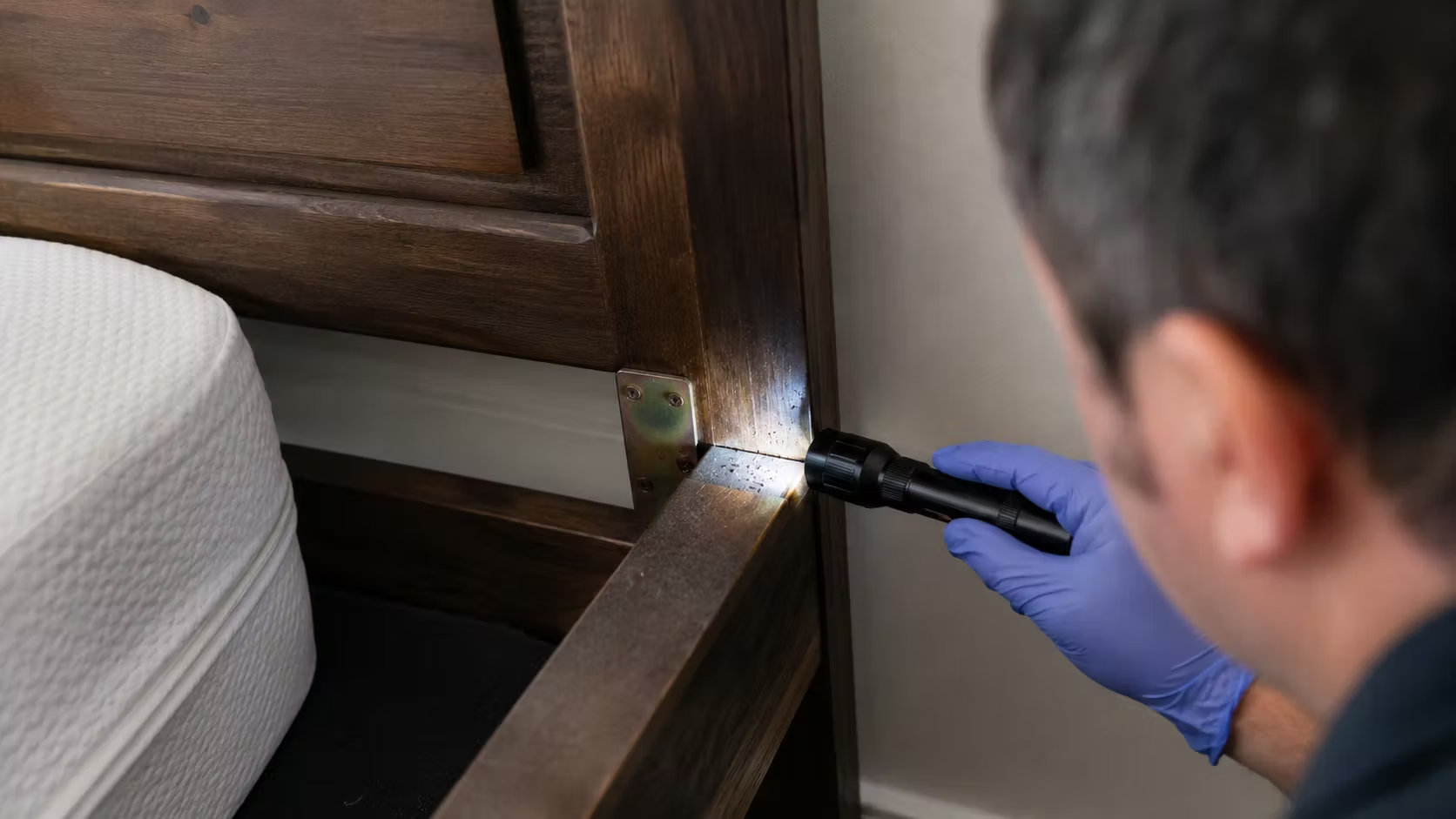
One of the more useful signs to look for is small dark brown or nearly black spotting around a mattress.
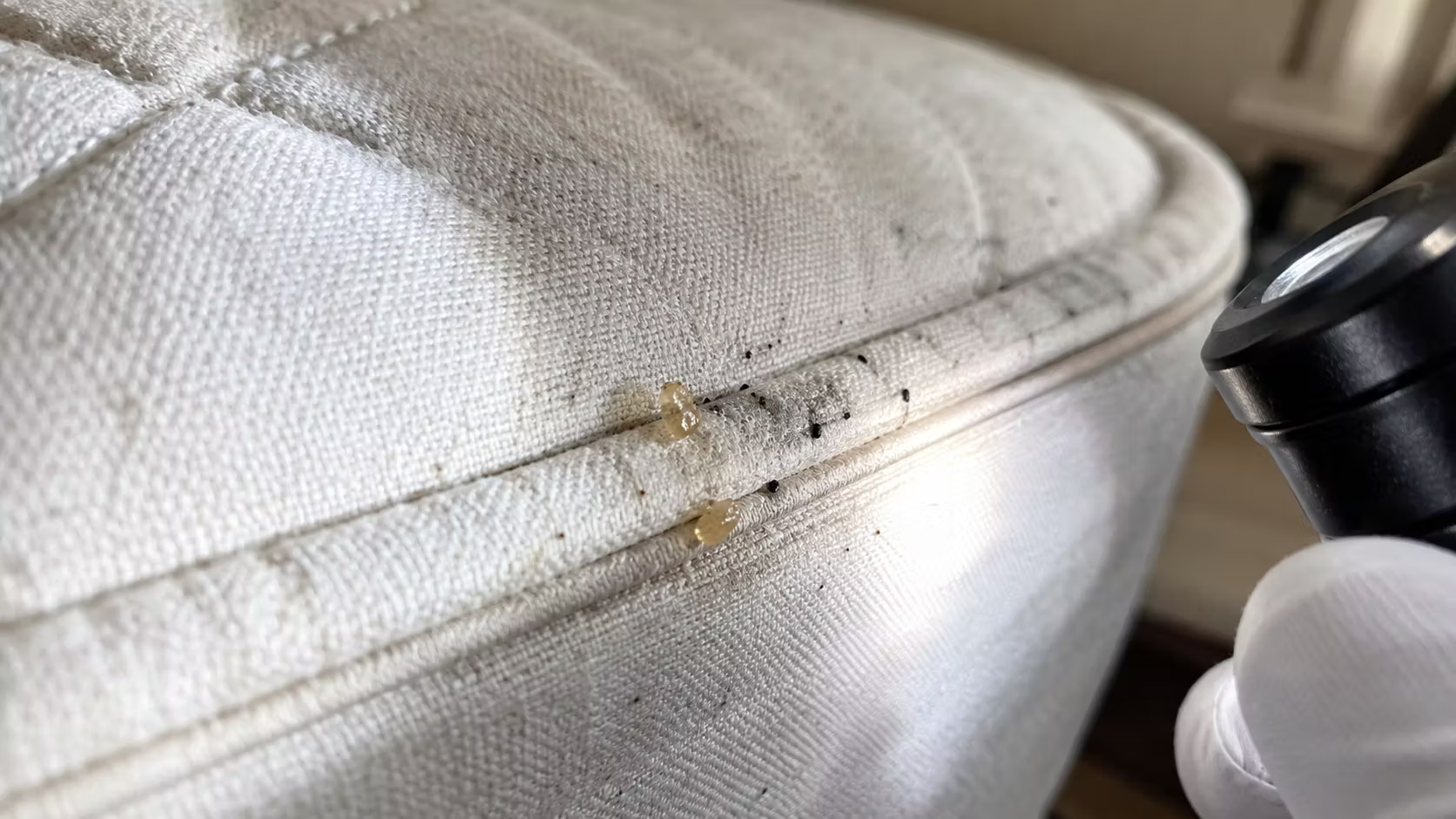
Bed bug fecal marks can resemble tiny dots made by a fine-tip marker. They are often found close to the insects’ hiding areas rather than randomly scattered across the room.
Inspect:
- Mattress seams
- Mattress piping
- Labels and folds
- Box spring edges
- Bed-frame joints
- Headboards
- Nearby furniture
Use a flashlight and inspect slowly.
Simply pulling back the bedding and looking across the top of the mattress may not reveal much. Bed bugs prefer protected areas, so seams, corners, folds, and joints deserve more attention.
One isolated mark is not proof of bed bugs. Several dark spots concentrated in the same sheltered area are more suspicious.
2. Small Blood Stains on Your Bedding
Small reddish or rust-coloured marks on sheets can also be associated with bed bug activity.
They may appear if a recently fed bed bug is accidentally crushed while someone is sleeping.
Check:
- Fitted sheets
- Pillowcases
- Mattress protectors
- Blankets
- Sleepwear
Blood spots have many possible causes, so they should never be treated as confirmation by themselves.
They become more relevant when they appear alongside other signs such as dark fecal spotting, shed skins, eggs, or live bugs.
When inspecting for bed bugs, the combination of evidence is almost always more useful than one isolated clue.
3. Unexplained Bites After Sleeping
Unexplained bites are often what make people start checking for bed bugs.
The marks may be small, red, itchy, and sometimes appear in clusters or loose lines. Areas of exposed skin are commonly affected, including:
- Arms
- Hands
- Legs
- Shoulders
- Neck
- Face
However, bites are not a reliable way to diagnose bed bugs by themselves.
Different people react differently. Someone may develop obvious itchy marks while another person sleeping in the same room shows almost no visible reaction.
Mosquitoes, fleas, skin irritation, and other causes can also produce similar marks.
If bites keep appearing after you sleep, use them as a reason to inspect the room rather than assuming bed bugs are definitely responsible.
If the source of the activity remains unclear, a broader residential pest control assessment can help determine what type of pest may actually be involved.
4. Shed Bed Bug Skins
As bed bugs develop, they shed their outer skins.
These empty skins remain behind and can sometimes be easier to spot than a live bug.
They are generally:
- Pale yellow to light brown
- Thin
- Translucent
- Similar in shape to a small bed bug
Look for them around:
- Mattress seams
- Box springs
- Headboards
- Bed-frame joints
- Upholstered furniture
- Baseboards
- Cracks near sleeping areas
Finding several shed skins around the bed is a stronger warning sign than finding a single unexplained mark on your skin.
It also suggests that bed bugs may have been present long enough to develop through multiple life stages.
5. Tiny Bed Bug Eggs or Eggshells
Bed bug eggs are very small and easy to overlook.
They are usually pale or whitish and tend to be deposited inside protected cracks and crevices rather than exposed areas.
Possible locations include:
- Mattress folds
- Bed-frame joints
- Behind headboards
- Screw holes
- Upholstery seams
- Furniture connections
- Baseboard gaps
Because they are so small, eggs can easily be mistaken for lint, dust, or other household debris.
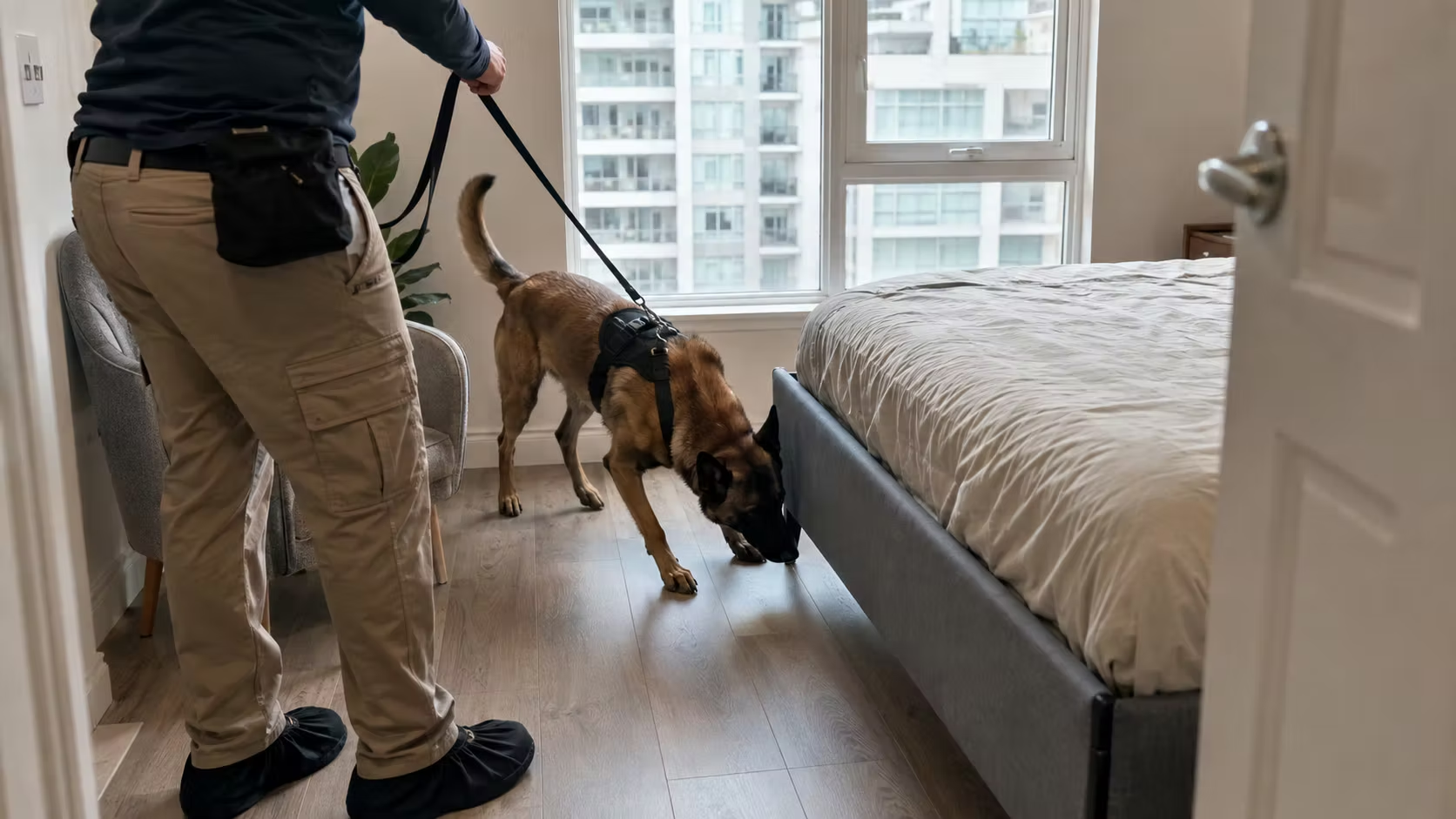
A flashlight can help, but an early infestation can still be difficult to identify through visual inspection alone.
When there are repeated warning signs but the source cannot be located, K9 bed bug detection may be useful for identifying areas of activity that are difficult to confirm visually.
6. Live Bed Bugs
Seeing an actual bed bug is one of the strongest signs that activity is present.
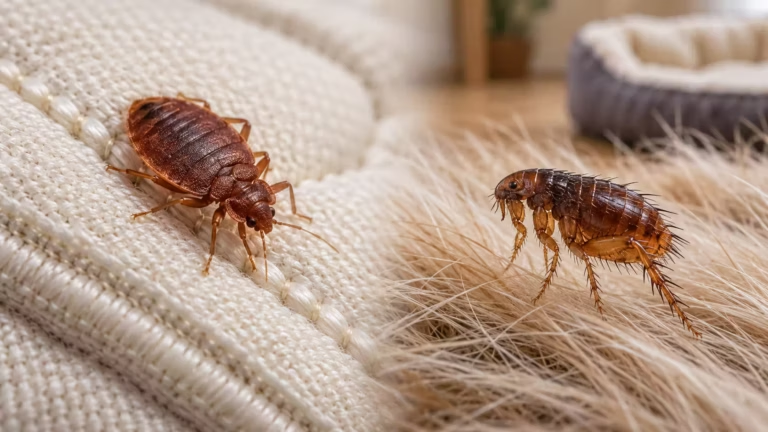
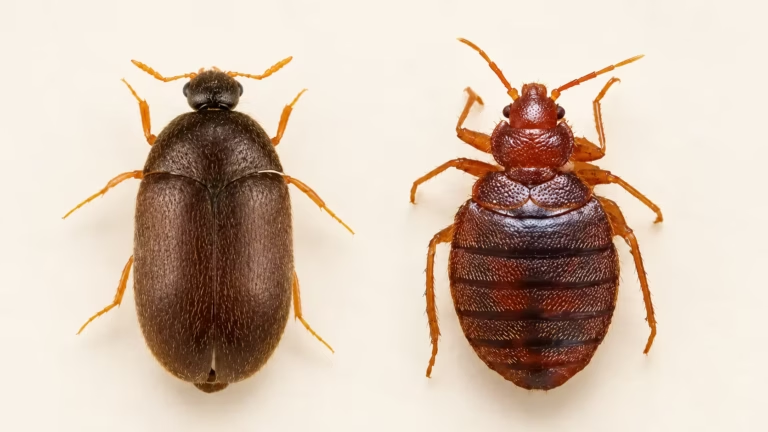
Adult bed bugs are small, oval, and relatively flat. Their colour is generally brown to reddish-brown, and recently fed bugs may appear somewhat darker and more swollen.
Don’t expect them to be sitting openly in the middle of the mattress.
They usually prefer tight, protected spaces.
Check:
- Mattress seams
- Under mattress labels
- Box spring edges
- Bed-frame connections
- Behind the headboard
- Nightstands
- Upholstered furniture
- Sofa seams
- Baseboards close to the bed
If you find a suspicious insect, take a clear photograph if possible. If it can be done safely, containing the specimen may also make identification easier.
Correct identification matters because several small insects can be mistaken for bed bugs.
Once bed bugs have been confirmed, professional bed bug treatment should focus on the extent of activity throughout the affected area, not just the individual insect you happened to find.
7. A Musty or Unusual Odour
A persistent musty or unusual smell is sometimes associated with more established bed bug activity.
This is not usually the first sign people notice, and smell alone is not enough to confirm an infestation.
However, an unexplained odour may become more meaningful when it appears alongside:
- Dark spotting
- Shed skins
- Eggs
- Live insects
An early infestation may have no noticeable smell at all.
For that reason, don’t assume the absence of an odour means there are no bed bugs.
Think of smell as one possible clue rather than a diagnostic test.
8. Evidence Around the Headboard and Bed Frame
A common mistake during a DIY bed bug inspection is focusing entirely on the mattress.
Bed bugs do not specifically need to live inside mattresses. They simply tend to stay near places where people remain still for extended periods.
That makes the bed frame and headboard particularly important.
Inspect:
- Screw holes
- Brackets
- Wood joints
- Decorative trim
- Cracks
- Mounting points
- The back of the headboard
- Areas where furniture meets the wall
Take your time.
A tiny gap in a wooden headboard can provide a much better hiding place than the exposed surface of a mattress.
This is also why pest management involves more than spraying the first visible insect. Phantom’s broader pest control services begin with identifying the pest and understanding where activity is occurring before deciding how the problem should be managed.
9. Bed Bug Signs Away From the Mattress
Despite the name, bed bugs are not restricted to beds.
As an infestation becomes more established, they may spread into other areas close to where people sit or sleep.
Check:
- Sofas
- Upholstered chairs
- Nightstands
- Dressers
- Baseboards
- Curtain folds
- Furniture joints
- Wall cracks
- Areas behind loose wallpaper
This can be particularly important in apartments, condos, hotels, and multi-unit properties.
In dense residential areas, determining how far activity extends can be just as important as confirming that bed bugs are present. Phantom provides pest control across Vancouver for houses, condos, rental properties, businesses, and managed buildings.
Where Should You Check for Bed Bugs First?
If you think bed bugs may be present, don’t start by emptying the entire room.
Begin close to where people sleep.
A simple inspection sequence is:
- Check sheets and pillowcases for unusual staining.
- Inspect mattress seams, piping, and labels.
- Examine the edges and underside of the box spring.
- Look carefully at bed-frame joints.
- Inspect the headboard from the front and, where practical, behind it.
- Check nearby nightstands.
- Inspect baseboards around the bed.
- Look at sofas or upholstered chairs where people regularly rest.
Use a bright flashlight and move slowly.
You’re not necessarily looking for one obvious bed bug. You’re looking for several pieces of evidence that begin to form a pattern.
Dark spotting plus shed skins, for example, deserves more attention than one unexplained bite.
Can You Have Bed Bugs Without Seeing Them?
Yes.
In fact, this is quite common during the early stages of an infestation.
Bed bugs have flat bodies and can fit inside narrow cracks that are difficult to see during an everyday inspection.
You may notice indirect evidence before seeing a live bug, such as:
- Fecal spotting
- Shed skins
- Eggs
- Blood marks
- Unexplained bites
Not seeing an insect doesn’t necessarily mean the room is clear.
If new signs continue appearing despite repeated visual checks, a more detailed inspection may be appropriate.
Are Bites Always the First Sign of Bed Bugs?
No.
Some people never develop obvious bite reactions.
Others may not notice the marks until hours or even days later.
This makes bites especially unreliable as an early warning system.
For some households, the first noticeable sign may instead be dark spotting around the mattress or a shed skin discovered while changing bedding.
Physical evidence around sleeping areas is generally more helpful than trying to identify bed bugs from skin reactions alone.
Do Bed Bug Bites Always Appear in a Line?
No.
The idea that bed bug bites always appear in a perfect row is misleading.
They may:
- Appear individually
- Occur in small clusters
- Form an irregular pattern
- Sometimes appear roughly in a line
The appearance also depends heavily on how an individual’s skin reacts.
If you only have bites and no physical signs in the room, keep investigating before assuming bed bugs are responsible.
Does Having Bed Bugs Mean Your Home Is Dirty?
No.
Bed bugs are not necessarily associated with dirty or poorly maintained properties.
Unlike pests that may be strongly attracted to food waste, bed bugs are primarily interested in access to people.
They can occur in:
- Houses
- Apartments
- Condos
- Hotels
- Short-term rentals
- Dormitories
- Offices
- Well-maintained homes
Clutter can make an infestation harder to inspect and provide additional hiding places, but it does not mean poor housekeeping caused the problem.
A spotless home can still get bed bugs.
How Do Bed Bugs Get Into Homes?
Bed bugs are effective hitchhikers.
They can be transported between properties on belongings rather than entering through gaps around doors or foundations like many outdoor pests.
They may travel on:
- Luggage
- Backpacks
- Clothing
- Used furniture
- Mattresses
- Personal belongings
- Items moved between properties
Travel is one common way they can be introduced, but it is far from the only one.
Second-hand furniture and the movement of belongings between homes can also create opportunities for bed bugs to spread.
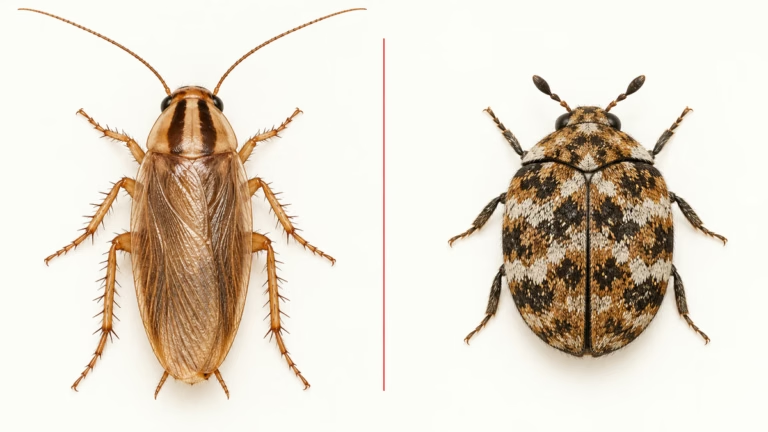
What Can Be Mistaken for Bed Bugs?
Not every small insect found near a bed is a bed bug.
Common sources of confusion can include:
- Carpet beetles
- Fleas
- Small beetles
- Other household insects
- Lint or debris
- Unrelated skin irritation
Dark marks on bedding are not automatically bed bug fecal spots either.
This is why correct identification should come before treatment.
If you treat a room for the wrong pest, you may spend time and money without addressing the actual source of the problem.
What Should You Do If You Find Signs of Bed Bugs?
If several signs point toward bed bugs, avoid reacting by immediately moving everything out of the bedroom.
Moving potentially infested items from one room to another may spread the problem.
A more controlled approach is better.
Document What You Find
Take clear photographs of suspicious insects, spotting, shed skins, or other evidence.
Good photographs may make identification easier.
Keep Suspect Items in Place
Avoid moving a mattress, sofa, bedding, or furniture into another room until you understand what you’re dealing with.
Avoid Random Spraying
Bed bugs hide deep inside seams, cracks, furniture joints, and other protected locations.
Treating only exposed surfaces may not reach the areas where the insects are actually hiding.
Confirm the Pest
Before committing to a treatment plan, confirm that bed bugs are responsible.
That may involve collecting a specimen, photographing suspicious evidence, or arranging a professional inspection.
When Should You Call a Professional?
One unexplained mark on your sheets doesn’t necessarily require pest control.
Repeated or combined signs are more concerning.
Consider professional assessment if you’re finding:
- Live bed bugs
- Multiple shed skins
- Consistent dark spotting
- Eggs or eggshells
- Repeated unexplained bites along with physical evidence
- Activity in several rooms
- Signs that continue appearing after you’ve inspected the bed
It’s particularly important to understand the extent of an infestation in condos, apartments, hotels, and other multi-unit properties.
Early detection can make it easier to determine where activity is concentrated before it becomes more widespread.
Early Bed Bug Signs Are Often Subtle
Bed bug infestations don’t always begin dramatically.
You may never wake up to dozens of bugs crawling across your bed.
It may start with something much smaller: a spot on a seam, a shed skin near the headboard, a tiny insect inside a furniture joint, or bites that keep returning without an obvious explanation.
That’s why understanding the signs of bed bugs is useful.
Don’t rely on one clue. Look at the room as a whole and pay attention to patterns.
If several warning signs start appearing together, it is worth investigating further rather than waiting for the problem to become obvious.
Need Help With Suspected Bed Bugs?
If you’ve found suspicious insects, dark spotting, shed skins, eggs, or other possible bed bug evidence, start with identification rather than guesswork.
Phantom Pest Control works with homeowners, tenants, businesses, strata properties, and property managers across Vancouver and the Lower Mainland.
A professional assessment can help determine whether bed bugs are actually present, where the activity is concentrated, and what the appropriate next step should be.
Call Phantom Pest Control at 604-771-0404 to discuss what you’ve found.