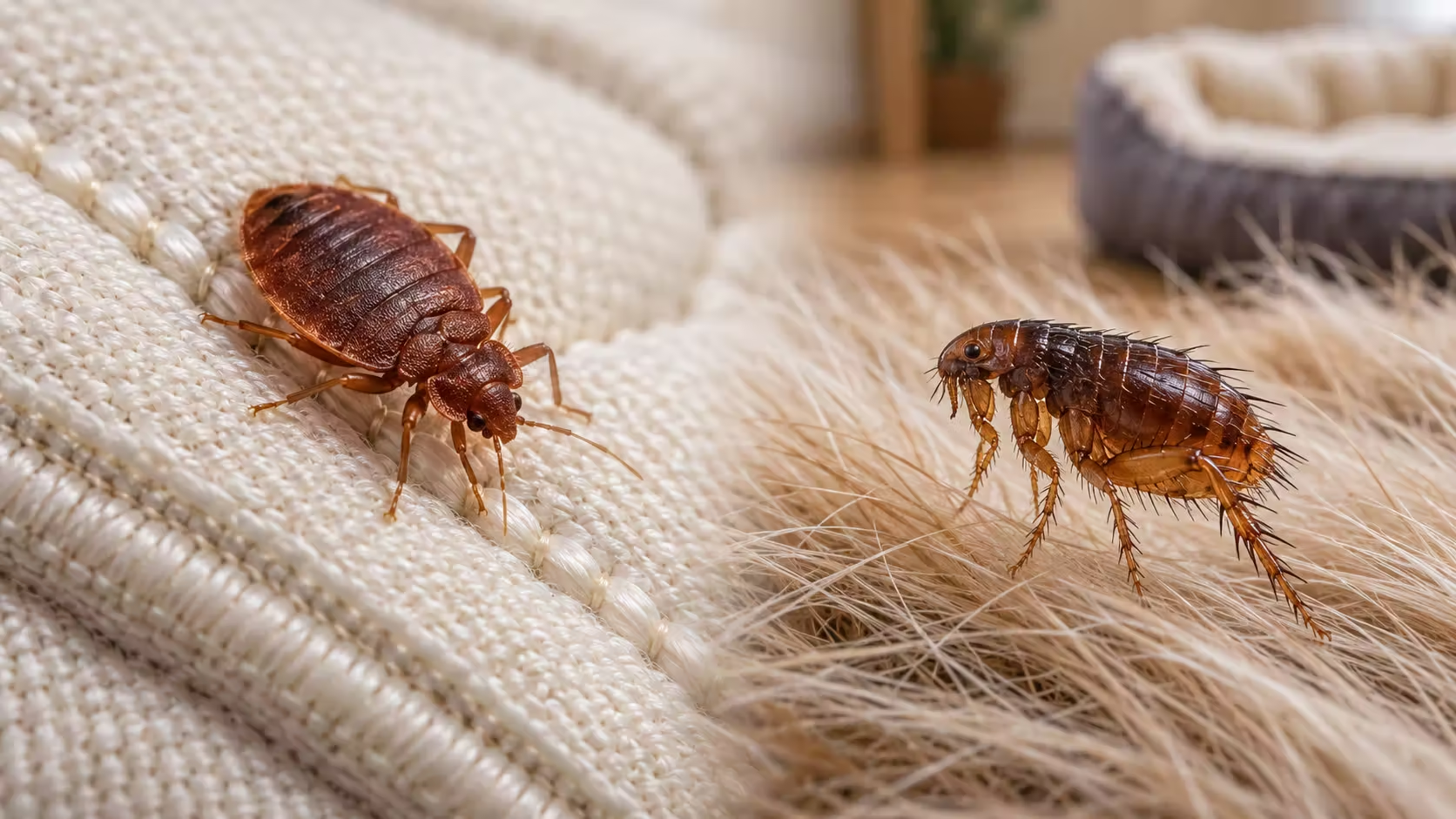
A tiny brown insect on your bedding or a new cluster of itchy marks can leave you wondering whether you have bed bugs or fleas. Both feed on blood, but their movement, body shape and usual hiding places provide better clues than bites alone.
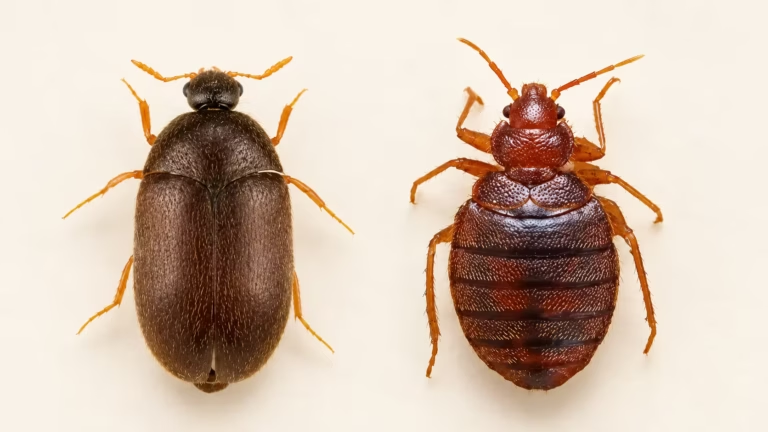
The clearest difference is that bed bugs crawl and have broad, flattened bodies, while fleas jump and have narrow bodies flattened from side to side. Bed bugs usually hide close to where people sleep or rest. Adult cat fleas commonly live on pets, while their eggs and immature stages develop in the surrounding environment.
Before buying a treatment, look for the insect itself and check the places each pest is likely to occupy. This comparison explains what to look for and how the findings should guide your next step.
On this page7 sections
Bed Bugs and Fleas at a Glance: Comparison Table
| Feature | Bed bugs | Fleas |
|---|---|---|
| Adult appearance | Broad, oval and flattened from top to bottom; brown to reddish-brown | Narrow, reddish-brown and flattened from side to side |
| Adult size | Approximately 5 mm long; roughly apple-seed sized | Up to approximately 3 mm long; usually smaller than adult bed bugs |
| Movement | Crawl; do not jump or fly | Crawl through fur and jump; do not fly |
| Usual feeding hosts | Prefer humans, but can feed on other animals | Common household cat fleas feed on cats and dogs and can bite people |
| Where to inspect | Mattress seams, bed frames, headboards and upholstered furniture | Pet coats, pet bedding, carpets, floor cracks and furniture where pets rest |
| Useful evidence | Live bugs, shed skins, eggs and dark faecal spots | Live fleas and flea dirt on pets or around resting areas |
| Control focus | Identify and treat hiding places, with ongoing monitoring | Coordinate pet treatment with cleaning and control of the home environment |
The size comparison applies to adults. Young bed bugs are much smaller and paler, so size alone cannot reliably distinguish every specimen. Compare the insect’s shape and movement as well as its size before deciding which pest you have found.
How to Identify Bed Bugs and Fleas by Appearance and Movement
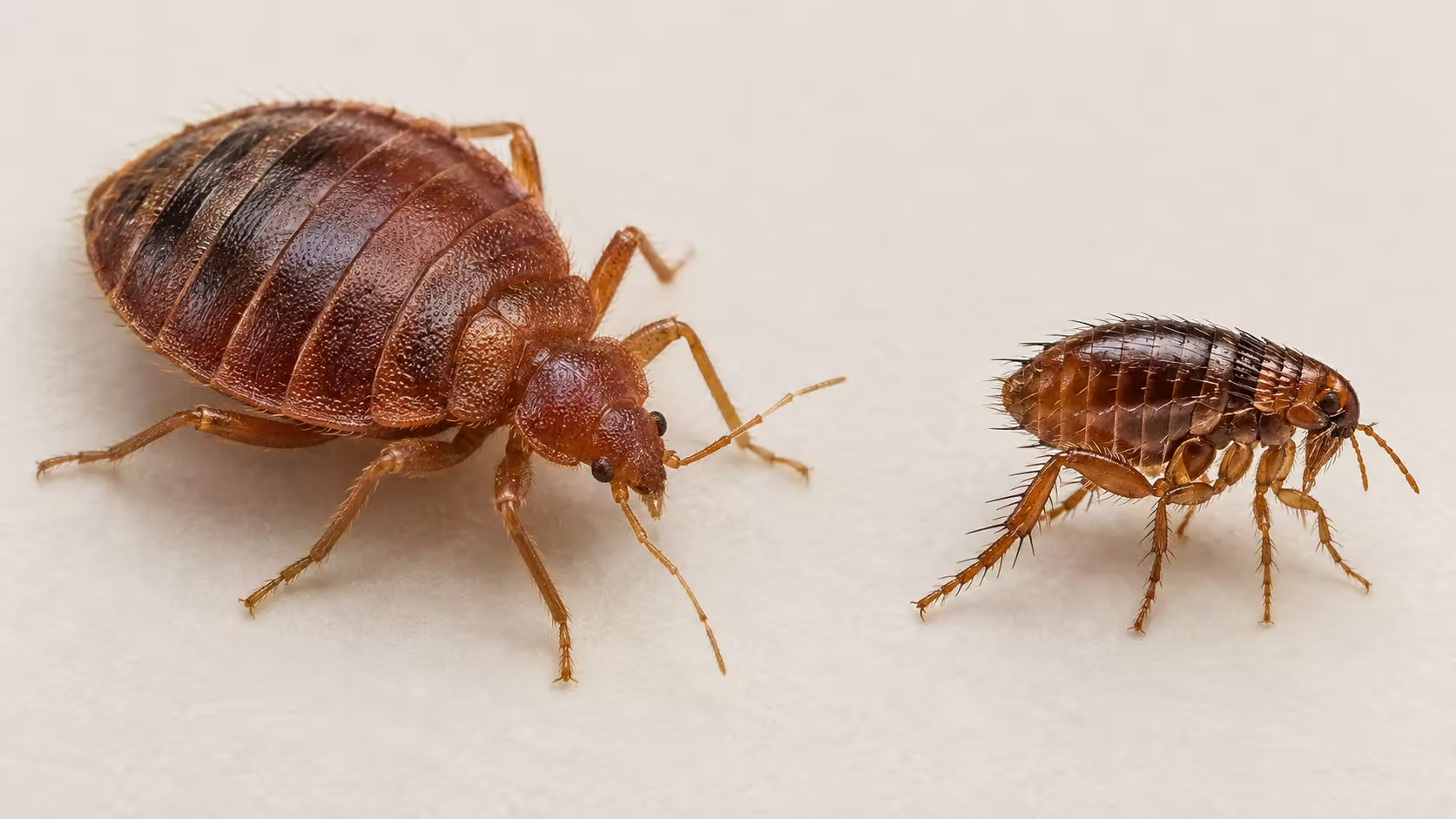
Start with body shape and movement. An adult bed bug looks broad when viewed from above. A flea looks much narrower, with prominent hind legs adapted for jumping.
Unfed bed bugs are relatively flat. After feeding, their bodies become fuller and more elongated. Nymphs resemble smaller versions of the adults, but their pale colouring can make them difficult to see against light bedding.
Fleas are difficult to examine while they are moving through a pet’s coat. Their narrow shape helps them move between hairs, and a sudden jump is a strong clue. However, a flea that stays still or crawls is still a flea; it does not have to jump during every observation.
Bed bugs do not jump or fly. If an insect jumps, it is not a bed bug, although other jumping insects can also be mistaken for fleas.
If possible, photograph the insect beside a ruler and keep the specimen in a sealed clear container. A photo showing its outline and legs is more useful for identification than a picture of a bite. Avoid applying insecticide before you know what you have found.
Bed Bug Bites vs Flea Bites: Why Bite Marks Alone Aren’t Enough
You cannot reliably identify bed bugs or fleas from bite marks alone. Both can cause itchy bumps, and the appearance varies between people. Other insects and skin conditions can produce similar marks.
Flea bites frequently occur on feet, ankles and lower legs. Bed bug bites can occur on exposed skin during rest, including the arms, neck and legs. Either pest may leave several marks close together.
A line or cluster is a clue, not proof. The familiar idea that three bites in a row must mean bed bugs is too simplistic. Likewise, ankle bites do not automatically confirm fleas. Look for supporting evidence in your home before choosing a treatment.
Some people show little or no reaction to bed bug feeding. If only one household member has visible marks, that does not rule out an infestation affecting shared rooms.
Use the marks to decide where to inspect, then look for insects and physical evidence. If no pest evidence turns up, consider a medical assessment rather than repeatedly treating your home based on the rash alone. Seek medical advice for persistent symptoms or signs of infection, and urgent help for breathing difficulties or a severe allergic reaction.
How to Check Your Home for Bed Bugs or Fleas
Inspect systematically, beginning with sleeping areas and places where pets rest. Use a torch, take clear photographs and record exactly where you find each sign. A single stain or speck should prompt a closer check rather than an immediate diagnosis.
Keep potentially infested belongings contained while inspecting. Moving bedding or furniture into another room can make it harder to establish where the problem started.
Checking Mattress Seams, Bed Frames and Furniture for Bed Bugs
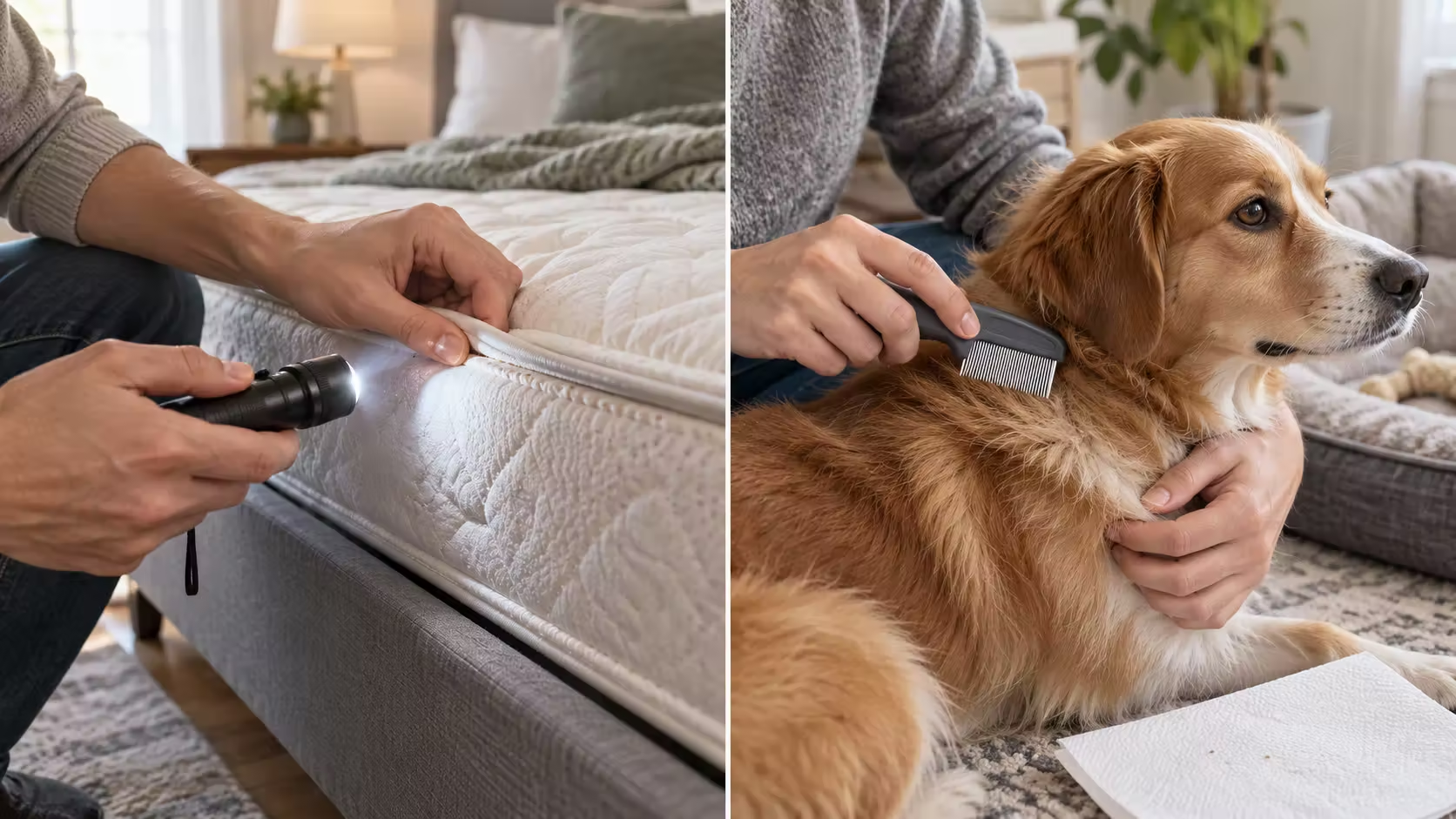
Check mattress piping, seams and labels first. Then inspect the box spring, headboard, bed-frame joints and nearby upholstered furniture. Include the sofa or recliner if someone regularly sleeps there.
Look for a combination of:
- Live insects with the broad, oval shape of bed bugs.
- Small dark spots consistent with faecal staining.
- Rust-coloured or reddish marks on bedding.
- Pale shed skins and tiny whitish eggs in protected gaps.
These are the physical signs highlighted in the EPA’s guide to finding bed bugs. Stains alone are less convincing than a correctly identified live specimen.
Check accessible joints and edges without dismantling electrical fixtures. Bed bug interceptors beneath suitable bed legs can help monitor activity, but a trap that catches nothing does not establish that the room is clear.
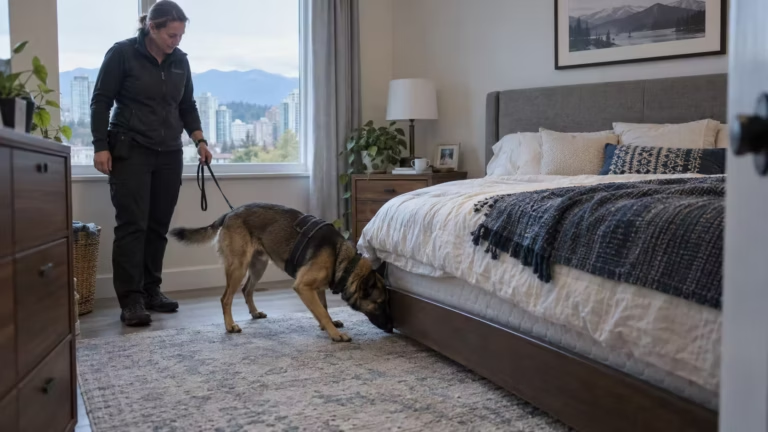
If you suspect a problem but cannot locate it, an inspection may help determine the next step. Phantom’s K9 bed bug detection service is another inspection option to discuss with the team.
Checking Pets, Carpets and Pet Bedding for Fleas
Use a flea comb to check your pet’s coat, paying attention to the neck and the area near the base of the tail. Look for moving fleas and dark, pepper-like debris known as flea dirt.
Place suspected flea dirt from the coat on a damp white paper towel. A reddish-brown stain supports the possibility that the material contains digested blood. The test helps distinguish flea dirt from ordinary debris, but does not identify the flea species. Use the result alongside a careful check of the coat for live fleas.
Next, inspect pet beds, rugs, carpet edges, floor gaps and upholstered furniture used by pets. Eggs can fall from an infested animal, so finding adult fleas on a pet should also trigger a check of its resting areas.
Scratching is a reason to investigate, but it is not proof of fleas. Ask a veterinarian to assess persistent irritation or hair loss, particularly if you cannot find fleas or flea dirt.
Getting Rid of Bed Bugs vs Fleas: Treatment and Prevention
The treatment plan should match the pest and its life cycle. Bed bug control targets concealed insects around sleeping and resting areas. Flea control must address both the animal hosts and the places where eggs and immature fleas accumulate.
Neither problem should be judged by whether bites stop immediately. Physical monitoring and follow-up checks provide a more useful measure of progress.
Bed Bug Control and When to Call a Professional
Contact a licensed pest control professional when bed bugs are confirmed, particularly if several rooms are involved or previous attempts have failed. Bed bugs are difficult to eliminate because insects and eggs can remain concealed in small gaps.
Before treatment, ask for a preparation plan. Bag affected textiles before transporting them, and keep cleaned items protected from re-exposure. Do not throw away the mattress automatically; ask whether it can be treated or encased.
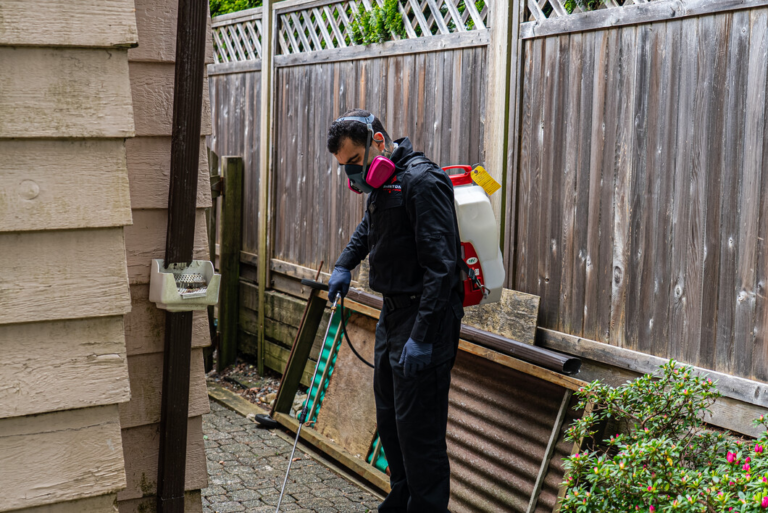
Depending on the property, control may combine targeted products, vacuuming, steam or professionally managed heat. No single method should be assumed to reach every hiding place. Avoid improvised room heating and flammable remedies such as rubbing alcohol. A professional can explain which methods suit your property and what follow-up monitoring is needed.
For local treatment options, see Phantom’s bed bug control service. Review the relevant preparation and aftercare sheets with your technician so the instructions match your treatment.
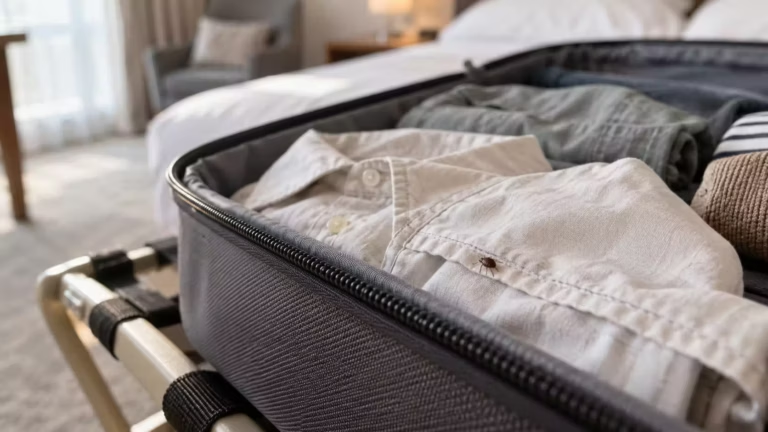
Afterwards, continue checking furniture and monitors. To reduce future introductions, inspect second-hand furniture and check accommodation when travelling. Intact bed bug encasements and regular inspections can support ongoing monitoring. Check the encasement for damage and keep furniture and bedding accessible for inspection.
Flea Control: Treating Pets and the Home Together
Coordinate veterinary advice for every pet with cleaning of the home. Treating the carpet while leaving an infested pet untreated can allow the problem to continue.
A practical plan includes:
- Choose appropriate pet treatment. Ask your veterinarian about a product suited to each animal’s species, age, weight and health. Never use a dog-only flea product on a cat.
- Clean resting areas. Wash pet bedding and washable covers. Vacuum carpets, furniture crevices and floor edges, then seal and dispose of collected debris.
- Assess environmental treatment. An established infestation may need targeted treatment indoors or in outdoor resting areas.
- Continue follow-up. Maintain cleaning and pet protection, and follow the product label and professional advice on retreatment.
The CDC recommends coordinating pet and home treatment. Phantom’s flea control service provides information about local environmental treatment.
Fleas develop through egg, larval, pupal and adult stages. Cocoons protect developing fleas, so adults may continue to emerge after initial control. That is why an isolated sighting should prompt monitoring and discussion with your technician rather than an immediate extra pesticide application. Continue the agreed control plan so newly emerging fleas are addressed rather than allowed to restart the cycle.
For prevention, maintain your veterinarian’s recommended flea protection and regularly clean pet sleeping areas.
Conclusion
When comparing bed bugs vs fleas, focus on the insect’s shape, movement and location. A broad crawling insect near mattress seams suggests bed bugs; a narrow jumping insect or flea dirt on a pet points towards fleas. Bite patterns can guide an inspection, but cannot settle the diagnosis.
Keep a specimen or clear photograph, inspect the relevant areas and choose a treatment based on confirmed evidence. Homeowners in Vancouver, the Lower Mainland and the Fraser Valley can contact Phantom Pest Control to discuss identification and treatment options.
FAQs
1. Can You Have Fleas Without Pets?
Yes. Fleas can remain from previous occupants or be associated with rodents and other animals around a property. Developing fleas in cocoons may emerge when movement signals a potential host. A pet-free household should still inspect carpets and resting areas, and investigate possible animal sources around the property.
2. Can Bed Bugs and Fleas Infest the Same Home?
Yes. They have different routes into a property, and the presence of one does not exclude the other. If you find evidence of both, keep separate specimens and arrange identification so the treatment plan addresses each pest.
3. Will Flea Treatments Also Kill Bed Bugs?
Do not assume so. A product must be labelled for the pest and the intended application site. Pet flea medication is not a home bed bug treatment. In Canada, check for the appropriate registration and follow the label; do not repurpose a flea product for bed bugs.۲