Pest Control in West Vancouver, BC
Phantom Pest Control is a licensed exterminator and pest control company working across West Vancouver, BC, for homeowners, strata councils and businesses, from the apartment blocks of Ambleside to the British Properties and Horseshoe Bay.
- Fully licensed, insured and certified
- Read our Google reviews
- Shoreline
- District boundary
- Creeks and rivers
- Parks and forest
- Serves
- The District of West VancouverFrom Ambleside west to Horseshoe Bay, and up to the forest edge
- Pests we treat here
- Rats and mice, carpenter ants, wasps, raccoons and skunksAlso chafer beetles and European fire ants
- Health authority
- Vancouver Coastal HealthInspects food premises on the North Shore
- Hours
- Office and Service Hours: Monday to Friday, 9 AM to 5 PMOpen 24/7 for pre-arranged commercial services
Our Work in West Vancouver
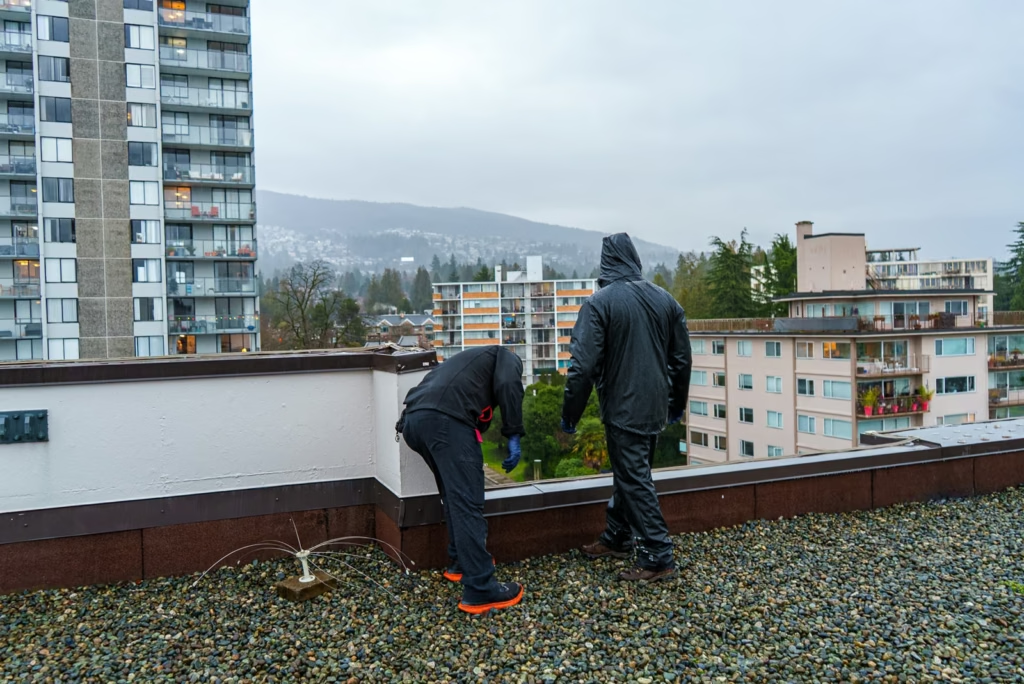
Two of our technicians on a rooftop among West Vancouver’s apartment blocks, reasons to book Phantom, and what to have ready when you call.

Why book Phantom
- 15+ years of pest control experience serving British Columbia
- Our own K9 teams for bed bug screening
- A written report with photos after a home buyer or seller inspection
- Preparation sheets for bed bug, insect and rodent treatments, on the client forms page
Before you call
- Your neighbourhood, for example Ambleside, Dundarave or the British Properties
- What turned up, where and for how long; a photo helps
- Any attic or crawl space to check: + $50 on the inspection, waived when the service is booked the same day
Estimates over the phone are free, Monday to Friday, 9 AM to 5 PM.
Where Pests Come From in West Vancouver
West Vancouver climbs from a waterfront of shops and apartment blocks, through older streets cut by salmon creeks, to houses on the edge of the mountain forest, and the pests change on the way up.
- A
The waterfront villages and Park Royal
Ambleside and Dundarave villages, and Park Royal at the north end of the Lions Gate Bridge
Ambleside and Dundarave hold over 400 businesses, by their business association’s count, and Park Royal counts over 37 places to eat. For food premises, Vancouver Coastal Health’s guide names rodents, cockroaches, flies and birds as the most common pests, warns that openings of 1/4 inch or more let rodents in, and has operators keep pest control reports on site for at least three months. Park Royal South and The Village at Park Royal are on Squamish Nation lands, so ask the Nation which rules apply there: 604-980-4553.
Pests to watch here
- B
The Ambleside and Hollyburn apartment blocks
The apartment streets of Ambleside and Hollyburn, above the waterfront
A 2013 rental-housing report, quoted by a local landlord, says that after a 1958 community plan, 50 acres of Ambleside were rezoned for apartments, and that the building boom ran from the early 1960s through the 1970s. Across the District, about three in four rented apartments in buildings of five or more storeys date from before 1981, against 30.5% in the region. Health Canada says bed bugs move on infested objects and cockroaches travel easily once inside a building. Our own K9 teams can screen neighbouring suites for bed bugs. From May to August, the Vancouver Humane Society says, gulls nest on high-rise rooftops, and federal law protects the nests.
Pests to watch here
- C
The British Properties and the forest edge
The British Properties, Cedardale and the upper slopes below Cypress Provincial Park
The City of North Vancouver says most bear activity is in the upper parts of the Districts of North and West Vancouver, and the North Shore Black Bear Society reports that two bears were killed in the British Properties after entering homes in the year to October 2025. Its West Vancouver sheet asks residents to clear attractants and take away rodent bait boxes, which bears tear open to reach the poison. Our work here is the smaller animals: raccoons after attics and chimneys, skunks under sheds and buildings, and deer mice, which may come indoors near woodlands in the fall.
Pests to watch here
- D
The salmon creeks
Brothers, Hadden, Lawson, McDonald and Cypress creeks, from the mountainside down to the inlet
The West Vancouver Streamkeepers count 22 creeks and tributaries, 10 of them salmon-bearing. Lawson Creek leaves the forest at Pinecrest Drive and runs about 2.8 km through homes to the inlet, and Brothers Creek runs from the mountainside through the British Properties and Cedardale. The bear society says bears travel creeks in search of food and can fish a few metres from homes. Damp buildings matter for smaller pests, creek or no creek: the Province says Norway rats prefer moist crawl spaces and building perimeters, and Health Canada says carpenter ants prefer moist, decaying wood. Environment Canada has no 1981–2010 normals for West Vancouver; the closest stations, in North Vancouver, see about 1,725 mm of precipitation a year near sea level, and about 2,400 mm at 157 m.
Pests to watch here
- E
Caulfeild, Horseshoe Bay and the western shore
West Bay, Sandy Cove, Caulfeild, Eagle Harbour, Gleneagles, Whytecliff and Horseshoe Bay
West of Dundarave the shore breaks into coves and forest. Caulfeild’s first home went up in 1904, its cove was once called Skunk Cove, and a heritage society says its winding streets followed paths made by bears, deer and cows. Lighthouse Park keeps 75 hectares of forest set aside in 1881, and the Horseshoe Bay ferry terminal serves almost 7 million passengers a year beside the village’s restaurants. Across the District, 26% of owner-occupied detached houses were built before 1961, against 16.4% in the region, and carpenter ants favour moist, decaying wood; see the warning signs of carpenter ants in walls. The North Shore Black Bear Society says bears can turn up at the beach at any time of year; those aren’t our work. Raccoons prefer forested areas near water, WildSafeBC says, and they’re among the wildlife we deal with.
Pests to watch here
Who Handles What in West Vancouver
Our work is pests on private property. Wildlife that endangers people goes to the Province, sightings go to the North Shore Black Bear Society, and for any District rules on garbage, rodents or permits, ask the District of West Vancouver.
| If you have | Who handles it | What to know |
|---|---|---|
A bear, cougar or coyote that’s a danger to people | BC Conservation Officer Service: 1-877-952-7277 | The line answers day or night. Officers respond where public safety is at risk, such as attacks, bears breaking into buildings and animals that have lost their fear of people. For sightings and attractants, the North Shore Black Bear Society takes West Vancouver reports through its form, or by voice message or text at 604-317-4911. |
Raccoons or skunks causing damage at home | A licensed pest control company | These are low-risk conflicts that conservation officers don’t attend, and the Province points owners to a licensed company. It says a landowner needs no permit to trap and kill raccoons or skunks damaging their property, but municipal bylaws may prohibit traps, so ask the District first. Killing wildlife with poison is an offence. Source: Province of B.C. |
Rats or mice on your property | You, or a licensed pest control company | The Province calls snap or electronic traps the best option, and says to hire a licensed company if you can’t clear rodents yourself. Since January 21, 2023, the strongest baits have been barred in and around homes, offices, parks, schools and shops that aren’t essential services. For any District rules, ask the District. Source: Managing rats and mice, Rodenticide rules |
Pests in a restaurant or food store | The operator, with Vancouver Coastal Health inspecting | B.C.’s Food Premises Regulation requires premises free of pests and protected against their entry. Vancouver Coastal Health inspects regularly and on complaints, and lists a Health Protection Office in North Vancouver: 604-983-6700. |
Insects or rodents in a rental home | The landlord for insects, generally | The Residential Tenancy Branch says landlords are generally responsible for insects such as bed bugs, while municipal standards of maintenance bylaws decide who deals with rodents, so check with the District. Tenants must keep the unit reasonably clean and ask for repairs in writing. |
When Pests Peak in West Vancouver
Some West Vancouver pests keep to a season and others don’t. The months below follow what Phantom publishes on its pest pages, with Metro Vancouver’s calendar and the Province’s factsheet for chafer.
This month: November 2026
- Rats & mice
- Chafer beetles
Not seasonal
- Bed bugs
- Cockroaches
- European fire ants
Ants
March to August
Health Canada says to watch for swarms of winged ants trying to get outdoors, usually in spring.
Wasps
May to September
Nests keep growing through summer, and they’re at their largest from late summer into early fall.
Rats & mice
October to March
November is the wettest month at the closest climate stations, in North Vancouver, and deer mice may come indoors near woodlands in the fall.
Wildlife
March to June
Raccoons breed mainly in March and April, with kits about two months later, and skunk kits arrive in early May.
Chafer beetles
October to March
The grubs draw crows, skunks and raccoons to dig; adults emerge in June, and nematodes go on from mid-July to the end of August.
Not seasonal
Bed bugs
They travel on infested belongings, and Phantom publishes no season for them.
Cockroaches
They favour warm, damp kitchens, bathrooms and plumbing areas, and Phantom publishes no season for them.
European fire ants
Nests sit in moist soil, and the regional guide allows treatment at any time but winter.
Neighbourhoods We Serve in West Vancouver
We work across the District, from Ambleside to Whytecliff. These are named communities in BC Geographical Names, not a complete list, so ask if yours isn’t here.
Ambleside to the British Properties
- Ambleside
- Hollyburn
- Sentinel Hill
- Cedardale
- British Properties
- Dundarave
- Altamont
West Bay to Whytecliff
- West Bay
- Sandy Cove
- Cypress Park
- Caulfeild
- Eagle Harbour
- Gleneagles
- Horseshoe Bay
- Whytecliff
Nearby service areas
Can’t see your neighbourhood? Call or text 604-771-0404 and the office will tell you.
What Pest Control Costs in West Vancouver, and How a Visit Works
What we charge to inspect a West Vancouver home or business, and how a visit runs, step by step.
Inspection fees
- House
- $150 + GST
- Condo, apartment or townhouse
- $125 + GST
- Attic or crawl space
- + $50
- Waived if the service is booked on the same day.
- Commercial site inspection
- Free
- Estimate over the phone
- Free
Treatment prices for each pest
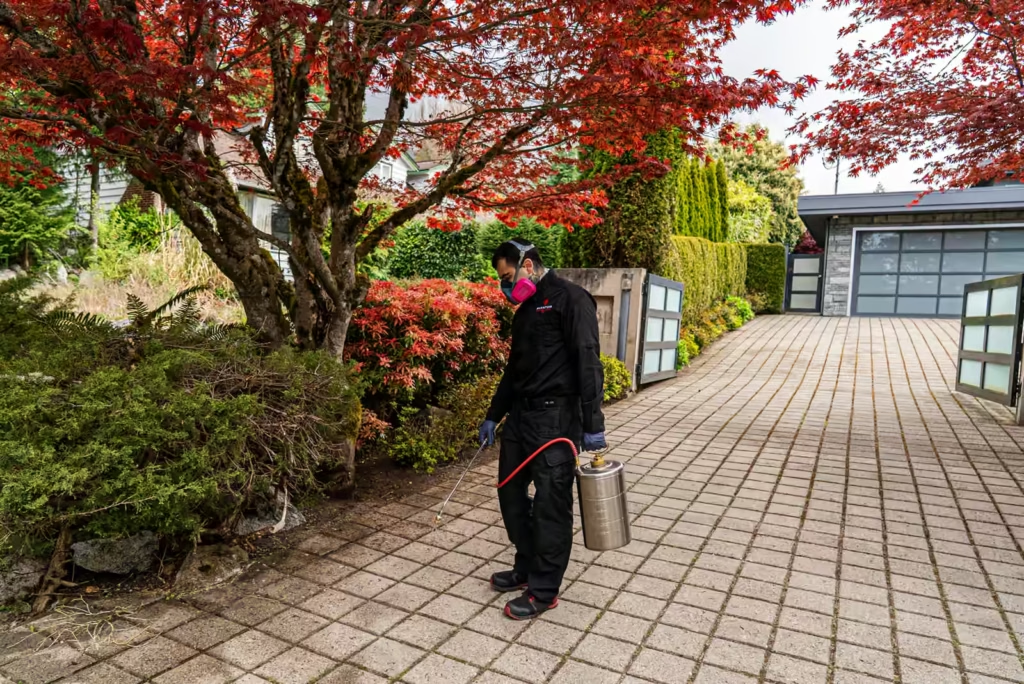
Describe the problem by phone
Call or text 604-771-0404 on a weekday between 9 AM and 5 PM. The estimate costs nothing.
An inspection where one is needed
The technician identifies the pest and finds how it gets in.
Get ready with the preparation sheet
For bed bug and cockroach treatments, the preparation sheets ask everyone to stay out for at least 6 to 8 hours. The bed bug sheet extends that to 24 hours for infants under 2, pregnant or nursing mothers, people with respiratory or immune conditions, and pets; the cockroach sheet lists its own group. The sheets are on the client forms page.
Treatment, then the weeks after
A few pests for a while after treatment is normal. Past the time on your sheet, call us.
Pest Control Services in West Vancouver
Start with the pest you’ve seen or the kind of property you have.
By pest
Norway rats in damp crawl spaces, roof rats in attics, and deer mice near the woods.

Raccoons in attics and chimneys, skunks under sheds, and squirrels in eaves and roofs.
Spikes and wire on waterfront rooftops and ledges, netting for enclosed spaces.
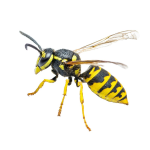
Wasps nesting in eaves, hedges and the ground, mostly May to September.
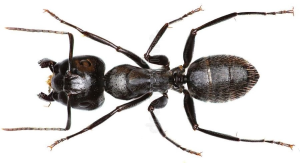
Carpenter ants in wet or rotting wood, plus European fire ants in moist soil.
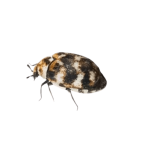
Chafer grubs in lawns, which draw crows, skunks and raccoons to dig.
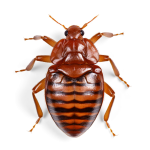
Bed bugs in apartment suites and rentals; a K9 detection comes first.
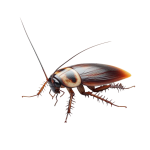
Cockroaches around kitchens and pipes, in apartment blocks and food premises.
For homes
Single-family and laneway homes
Wooded lots and older houses, from the British Properties to Caulfeild.
Your own suite in an Ambleside or Hollyburn building.
Where rodents and raccoons find a way in, above and below.
Rodent abatement before demolition
For houses about to come down; ask the District what applies.
For buildings and businesses
Strata and apartment buildings
For strata councils and managers of the older apartment blocks.
Restaurant kitchens in Ambleside, Dundarave and Horseshoe Bay.
Retail stores and shopping centres
Shops in the Ambleside and Dundarave villages.
Grocery stores and food markets
Food stores in the waterfront villages.
West Vancouver Pest Control Questions
For West Vancouver homeowners, tenants and strata councils.
Prefer to talk?
604-771-0404Can you use rat poison in West Vancouver?
Not the strongest kind, if it’s a home. B.C. has limited second-generation anticoagulant rodenticides to essential services since January 21, 2023, so they can’t go in or around homes, offices, parks, schools or shops that aren’t essential services. The Province puts snap or electronic traps first and keeps first-generation baits as a short-term last resort. There’s another reason for care here: the North Shore Black Bear Society’s sheet for West Vancouver asks residents to take away bait boxes, which bears tear open to reach the poison. In January 2020 the District’s chief administrator said staff were working with its facilities and parks contractor toward trap-only control, while noting that it isn’t as effective.
How much does rodent control cost in West Vancouver?
The rodent control program runs three visits and costs $495–$650 + GST for a house, or $395–$495 + GST for a condo. Gaps up to the size of a toonie are sealed as part of it, and exclusion work covers larger openings. The inspection is $150 + GST for a house and $125 + GST for a condo, apartment or townhouse. Where it fits, exterior baiting is a $150 + GST minimum setup plus $78.75–$95 + GST a visit, and you can cancel on 30 days’ notice. If bears visit your street, tell the office before you book it, given the bear society’s advice on bait boxes.
Do you remove raccoons, skunks and squirrels?
Yes, through wildlife control. The job is to find the way in and close it after the animal has gone. We can’t promise to catch an animal, so the focus is on keeping it out. Timing matters in spring: the Province says a mother raccoon and her young can’t be moved from a nest until the young can leave with her, at about 12 weeks. It also advises removing overhanging tree limbs, and sealing foundation openings so skunks can’t den under a building. Squirrels in the garden are a smaller job: seven humane ways to keep them out.
What do I do about a bear in my garbage?
Stay back and let it leave; bears aren’t a pest company’s job. If it’s an immediate threat, call the Conservation Officer Service at 1-877-952-7277. The Province also asks people to report dangerous wildlife getting into garbage, on that same line, and the North Shore Black Bear Society takes West Vancouver reports through its form or by text at 604-317-4911. Across the North Shore, garbage and organics made up 60.8% of the attractant reports the society logged in 2025, with fruit trees second. Once the bear has gone and it’s safe, keep carts in a sturdy shed or garage or secure them upright, and clear bird feeders, pet food and fallen fruit. B.C.’s Wildlife Act bars leaving attractants where dangerous wildlife can reach them. The society’s West Vancouver sheet has the full list.
Why are animals digging up my lawn?
It may be chafer grubs. Metro Vancouver’s guide says chafer is found throughout West Vancouver, and crows, skunks and raccoons tear up lawns to reach the grubs, mostly from January to March and again in fall. Metro Vancouver recommends nematodes each July, with a municipal watering permit. But no new permits are issued at Stage 2 water restrictions, and the region went to Stage 2 on May 1, 2026, so check with the District before you buy any. Phantom treats chafer as well; start with beetle control.
What can a tenant do about pests in a West Vancouver rental?
Ask for the repair in writing first. The Residential Tenancy Act says a landlord must keep a rental up to health, safety and housing standards, and a tenant can apply for dispute resolution if a health or safety repair request gets no answer in a reasonable time. Before a licensed company uses a pesticide in an occupied home, the occupant gets at least 72 hours’ notice, unless they agree to less. For a whole building, see strata and apartment buildings.
Can you keep pigeons and gulls off a building?
Yes. Bird control picks from netting, spikes, tension wire and visual deterrents according to the species, how active the birds are and the building itself. Spike and wire systems suit ledges, parapets and rooflines; netting suits enclosed spaces such as parkades. On a waterfront roof, plan around nesting: gulls and their nests are protected by the federal Migratory Birds Convention Act, so it’s simplest to deal with a roof before birds settle in.
Do you treat European fire ants?
Yes. Metro Vancouver’s 2021 guide lists West Vancouver among the communities with detections. Fire ants nest in moist soil, in lawns and garden beds and along tree roots, rocks, logs and beaches, and they spread mainly through moved plants, soil and mulch. Their stings are painful and itchy and can cause serious allergic reactions. The guide says treatment can be done at any time except winter. Start with ant control.
Do I need a pest report before demolishing a West Vancouver house?
Ask the District before you book: permit rules are set locally, and the two North Vancouver municipalities each have their own requirements. Metro Vancouver’s data counts 925 housing demolitions in West Vancouver from 2013 to 2023, nearly all ground-oriented homes. We do rodent abatement before demolition for houses about to come down, and that page explains how the work runs.
Can you inspect a West Vancouver house before I buy it?
Yes, and older houses are worth the look: about half of the District’s owner-occupied homes date from before 1981, and 26% of its owner-occupied detached houses from before 1961. We set no turnaround time, so book early in your subject period. Home buyer and seller inspections sets out what the report covers and how the visit runs.
Get a Free Estimate in West Vancouver
Send a few photos and your neighbourhood, and the office calls back to go over the job.
- Office and Service Hours
- Monday to Friday, 9 AM to 5 PM: calls, estimates and call-backs.
- Commercial
- Open 24/7 for pre-arranged commercial services: evening, night and weekend visits when booked ahead.
Free estimate request

Book a West Vancouver Inspection
Tell us the street and what you’ve seen, and the first visit gets planned around that.
Estimates over the phone are free, Monday to Friday, 9 AM to 5 PM. Open 24/7 for pre-arranged commercial services.