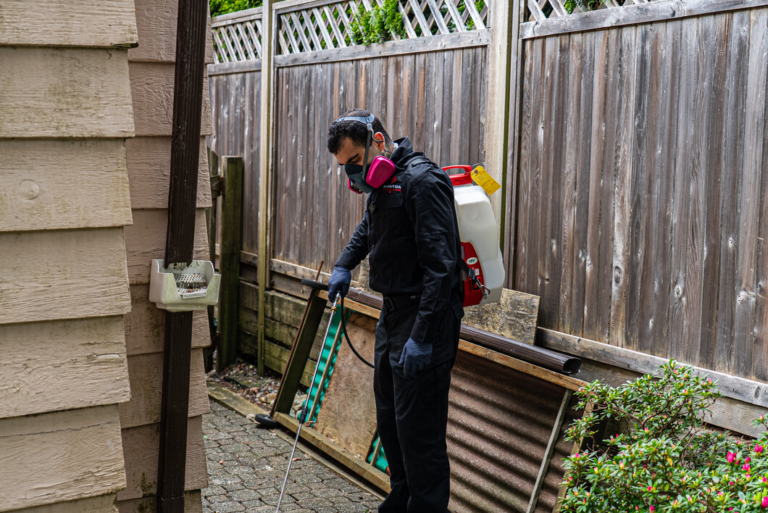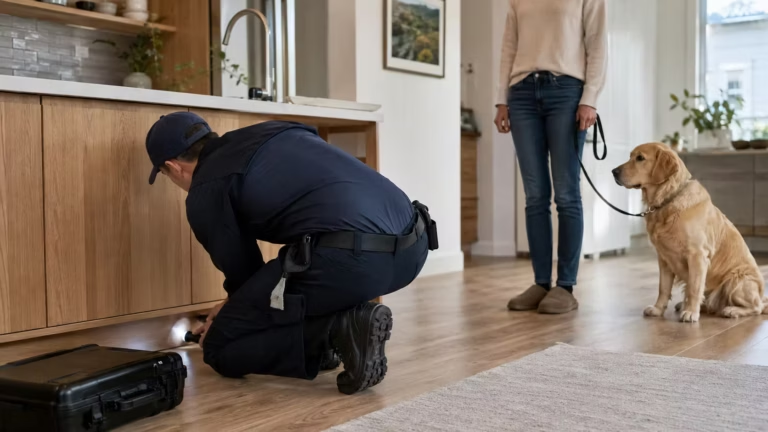

Start with a limited DIY measure when you can identify an occasional nuisance pest, reach the likely source safely, and keep any traps or products away from children and pets. If the evidence is ambiguous and the consequences of waiting are low, photograph what you found and monitor before treating. Arrange a professional inspection if activity keeps returning, spreads to new areas, seems to come from somewhere you cannot safely reach, or suggests termites or bed bugs. A single sighting can justify a closer look, especially with a high-consequence pest, while leaving the extent of the problem open.
For homes in Vancouver, the Lower Mainland and the Fraser Valley, Phantom’s residential pest control describes when a home visit may include an inspection and how to request an estimate.
Before buying a product or booking treatment, ask three questions. What pest evidence do you have? Where might the activity be coming from? What would delay or a repeat treatment cost you? A photo of one insect by the door might lead to a simple repair. Fresh evidence beside a pipe that disappears into a shared wall could change who needs to inspect and which areas they need to see.
On this page7 sections
Pest Type and Infestation Severity
Isolated Sightings vs. Established Infestations
Imagine you spot a single identifiable pavement ant just inside a patio door after the door has been propped open. Check the threshold, wipe away crumbs and see whether ants return to the same spot. If the sighting stays isolated, basic housekeeping and observation are reasonable. The location suggests a possible route in, although the ant itself tells you little about where a colony is.
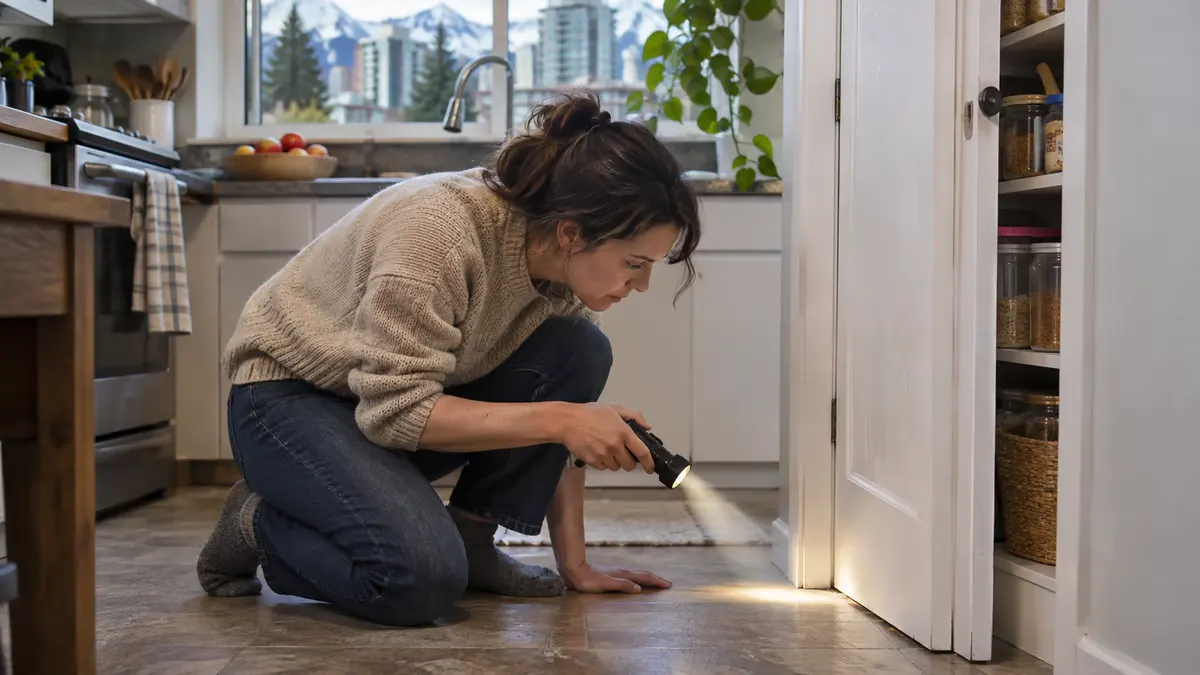
Now imagine ants repeatedly travelling between a pantry shelf and a gap behind the baseboard. That pattern gives you two places to investigate, the food they are reaching and the route they are using. Recurrence after you clean the shelf, or activity in another room, warrants a closer look. Multiple sightings can reflect a single foraging route, several entry points or activity within the building. An inspection can help distinguish those possibilities and check where the ants are nesting.
Take a clear photo with something for scale if you can do so safely. Record the date, room and exact spot, and note other evidence such as shed skins, droppings or damage. A note that says “three sightings beside the dishwasher this week” gives you a better basis for action than a rough count of everything you have seen since moving in. Where an identification is uncertain, use the photo or a safely contained specimen to get it checked before choosing a treatment.
High-Risk Pests Like Termites and Bed Bugs
Suspected termite activity deserves prompt identification because termites can damage structural wood while feeding out of view. Possible signs include mud tubes on a foundation or discarded wings near where insects emerged. Winged ants can resemble termite swarmers, and a pile of wings alone cannot tell you whether the building has active termites or how much wood is affected. Photograph the evidence in place and arrange a closer inspection. Phantom lists termite inspection and control for Vancouver-area properties.
With bed bugs, the challenge is finding and containing insects that can hide in mattress seams, bed frames and nearby furniture. Bites alone are insufficient to identify them. Look for physical evidence such as a live insect, shed skins or dark spotting near sleeping areas, and have a suspected specimen identified. Avoid moving potentially infested furniture or loose belongings to another room while you arrange an inspection. Phantom’s bed bug control service outlines its inspection and treatment options.
Treatment Effectiveness
DIY Traps, Baits, and Exclusion
Monitoring and trapping. A suitable monitor near a suspected travel route can show where activity is concentrated. A trap can also remove individual pests. For example, a safely placed mouse trap can confirm activity beside a utility wall, but a catch gives you no assurance that the opening the mouse used is closed. An empty trap is also a limited observation. Its placement and the length of time you have been checking it matter.
Baiting. Some ant baits depend on foraging workers picking up the bait and carrying it back to the colony. The pest, the product and the permitted placement all matter. A product labelled for the pest may still be unsuitable if its permitted placement would put it within reach of a toddler or a pet. In that case, physical measures or a professional assessment are better starting points.
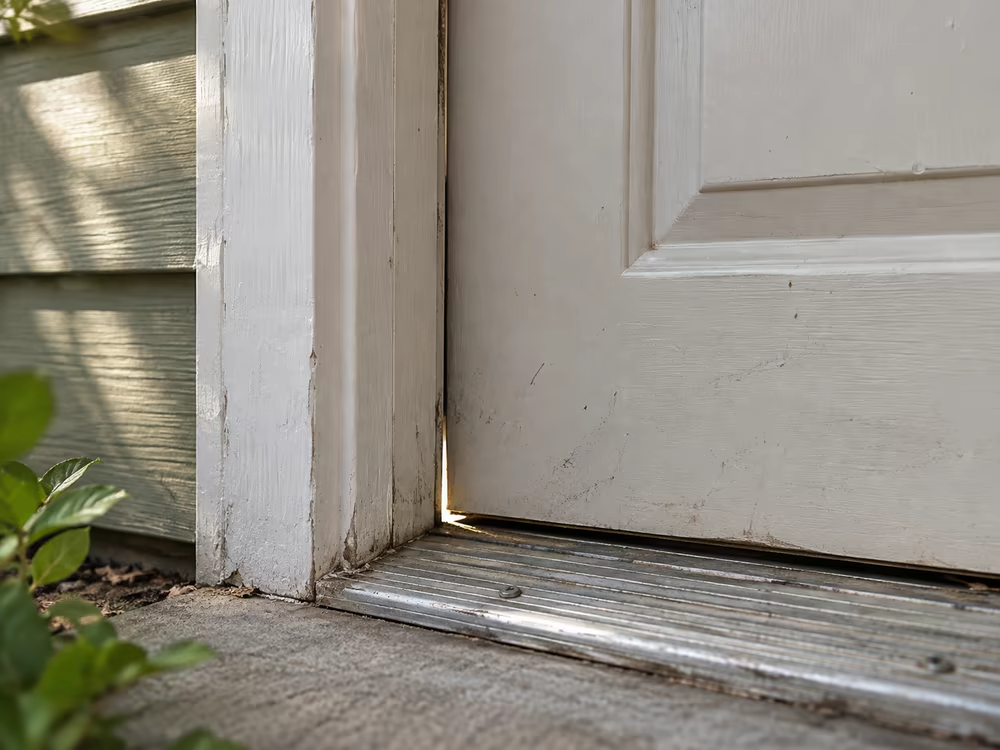
Exclusion. Repair a damaged screen or replace a worn door sweep when you can see an obvious, accessible gap. This can reduce new arrivals through that opening. If you suspect animals are already inside a wall or another enclosed space, have that situation assessed before closing the opening. A door repair also tells you little about activity at a separate opening around a pipe.
Sanitation. Clean a syrup spill, store dry goods in tight containers, and address a leak if it is supplying water. These steps remove conditions that can sustain activity. If sightings drop after cleaning, keep checking the area where you saw activity. You may have removed an attractant while an entry route or hiding place remains.
Professional Inspection and Targeted Treatment
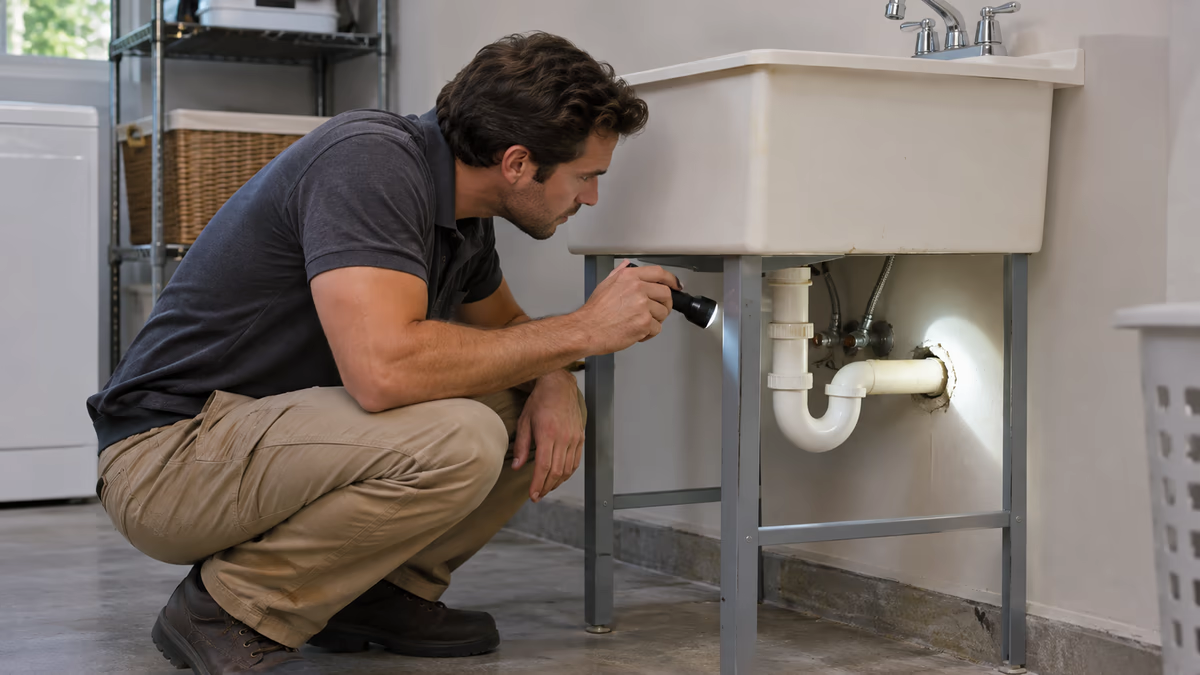
A technician can use your photos and sighting log to focus the visit. They may compare what you found with evidence around food, water, harbourage and likely entry points. Repeated activity beneath a utility sink, for instance, can justify checking the accessible pipe opening and nearby moisture. If the evidence points behind a finished wall, ask what the technician could see, what remains uncertain, and whether someone else needs to arrange access or repairs.
Findings can lead to targeted treatment, further monitoring, exclusion or a follow-up inspection. The plan depends on the pest and which areas can be reached. In a multi-unit building, activity near a shared utility opening can make access to a neighbouring suite or common area relevant. The property manager may need to coordinate that access and schedule any work across units. Phantom describes how it approaches those questions on its condo and apartment pest control page.
Ask the technician to explain what evidence will show whether the plan is working. That might mean checking a monitor in a specific room, looking for fresh signs around a repaired opening, or reinspecting a suspected hiding place.
Upfront Costs and Repeat Treatments
The upfront DIY cost may be a door sweep, a few monitors or a suitable trap. Add the time to identify the pest, check the devices and make the repair. If your first measure addresses only what you can see, include the likely cost of buying replacements, moving devices or eventually paying for an inspection anyway. Spending a little to fix an obvious screen gap is a different decision from replacing traps while fresh evidence keeps appearing in an inaccessible area.
A professional quote may separate inspection, initial treatment, exclusion and follow-up. An estimate based on a phone description can help you budget, while a site inspection can clarify the scope and reveal access limits. Compare written quotes for the same property and pest. Ask which rooms, units or exterior areas are included, whether the inspection fee is credited toward treatment, and how many visits the price includes. Check who handles sealing and repairs, what extra visits cost, and whether the quote includes applicable taxes.
Preparation has a cost, too. Depending on the job, you may need time to clear cupboards, arrange access, or take pets elsewhere. Ask what preparation each visit requires and when a return visit would be included. If the source lies outside the quoted area, find out how that changes the plan. The cost of delay depends on the evidence. Monitoring an isolated insect near a doorway may be reasonable. Waiting while suspected termites remain unidentified, or while bed bug evidence appears in another room, can leave you with a more involved inspection or treatment.
Pesticide Safety Around Children and Pets
Start with physical controls where they fit the problem. If you choose a pesticide, follow Health Canada’s guidance on using pesticides safely. Check for a Pest Control Products Act registration number and read the Canadian label before buying. Confirm that it allows the use for the identified pest and the specific treatment site. Permission to use a product outdoors, for example, gives you no basis for applying it inside a cupboard. Descriptions such as “natural” or “professional-grade” tell you little about the precautions needed in your home.
Follow the label’s instructions for keeping people and pets away, protecting food or other items, and allowing re-entry. Requirements can depend on the product and treatment site. If you hire a provider, mention children and pets before the visit, including animals that are hard to move, and ask for written instructions on preparation and when each can return. Plan for their care before treatment begins.
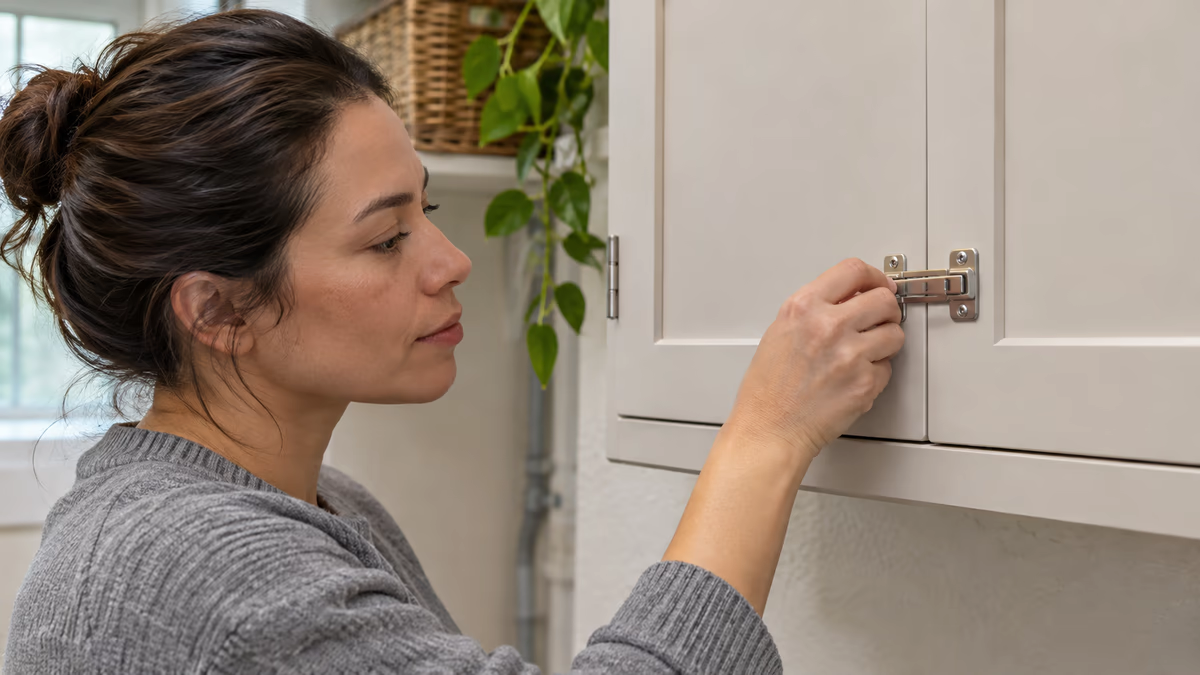
Think about what a child can reach or a pet might nose under. A bait or trap concealed behind furniture can still be accessible. Follow placement directions and choose another measure if you cannot keep the device out of reach as required. Store pesticides in their original labelled containers, secured away from children and pets and in the conditions specified on the label. A latch can help restrict access when the cabinet also meets those storage directions.
Signs DIY Treatment Is Failing
Use your first observations as a baseline. A quiet evening or one extra insect can be part of normal variation. Fresh evidence on repeated checks, or a change in where you find it, gives you a better reason to reconsider. A monitor beside the original entry point might go quiet while activity begins near a second wall. In that case, the change in location matters more than the count at the original monitor.
- Activity returns after an initial improvement. Note whether it follows the same route or shows up beside another source of food or water.
- New evidence appears in another room. Record both locations. The pattern can help a technician decide which areas to inspect.
- The likely source is inaccessible. Recurring signs at a ceiling void, locked service room or shared wall warrant help with inspection and access.
For a low-risk problem, check the same spots consistently so you can compare what you find over time. With suspected termites, credible bed bug evidence or a situation where you cannot prevent exposure, arrange identification or an inspection promptly.
Conclusion: Choosing the Right Treatment
Take the smallest step that fits what you have found. For an identifiable, occasional nuisance pest with an accessible entry point, correct the condition and watch for recurrence. If identification is uncertain and the risk is low, collect evidence before treating. If the pest keeps coming back, the likely source is out of reach, or delay could allow damage or spread, ask Phantom Pest Control whether your findings warrant a residential inspection.
DIY vs. Professional Pest Control FAQs
1. Do I need recurring pest control after a one-time treatment?
It depends on what the inspection found and what can be corrected. A follow-up belongs to the original job when the technician needs to check for surviving activity, examine an area that was previously inaccessible, or see whether a repair has stopped entry. A recurring prevention plan covers future checks or service on a schedule. It may make sense where pressure repeatedly returns or where a building has conditions that are hard to correct. For a resolved, isolated problem, checking the area yourself may be enough. Ask what a follow-up would verify and what evidence would justify an ongoing plan.
2. What does a pest control guarantee cover?
The written terms determine which pests, areas and services are covered, when coverage starts and ends, and what you receive if activity returns. A retreatment guarantee provides a return treatment under specified conditions. Look for a separate refund provision if reimbursement matters to you. Check whether new introductions, untreated areas or uncompleted repairs are excluded. Read any requirements to prepare for visits, complete agreed repairs or report activity by a deadline. Ask who decides whether a new sighting falls under the original treatment and whether the inspection or return visit carries a separate charge.
3. Should renters contact their landlord before hiring an exterminator?
Yes. Notify your landlord or property manager promptly in writing and include the date, location and any photos. Ask how they want to arrange an inspection and whether the building needs to check adjoining suites or common areas. Keep a copy of the notice and any reply, especially if activity continues and you need to follow up. Under section 32 of British Columbia’s Residential Tenancy Act, landlords have maintenance obligations tied to applicable health, safety and housing standards and the suitability of the property for occupation. Tenants must maintain reasonable health, cleanliness and sanitary standards. The Residential Tenancy Branch’s Policy Guideline 1 says landlords are generally responsible for major work such as insect control. Your lease and building procedures can help explain how to report and arrange access. Before hiring someone yourself, clarify in writing who is authorizing the work and how payment will be handled, especially if the source or responsibility is disputed.