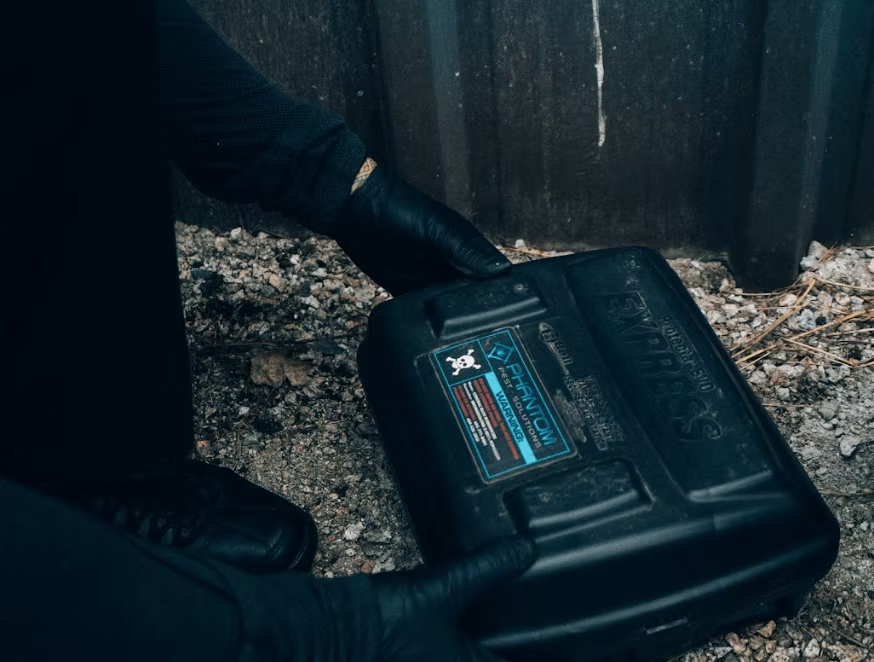
To get rid of rats, first confirm they are rats and find where they are getting in. Then remove the food and shelter keeping them there, set rat sized snap traps along the routes they are using, and seal the entry points once the rats inside have been caught. Clean droppings and nests wet, never by sweeping or vacuuming, and keep checking for fresh signs for several weeks. Trapping without sealing usually brings new rats in; sealing without trapping can shut rats inside your walls.
Rats are a year round problem across Vancouver, where mild, wet weather, older housing stock and dense neighbourhoods give them food and cover. If activity keeps coming back after you have worked through the steps below, rodent control in Vancouver starts with an inspection to find the entry points and conditions behind it.
On this page8 sections
- Confirm Rat Activity and Find Entry Points
- Remove Rats With Properly Placed Traps
- Remove Food Sources and Seal Access to Your Home
- Clean Up Rat Droppings and Nesting Materials Safely
- Monitor for Remaining Rats and Prevent Reinfestation
- When to Get Professional Help for Rats in Your Home
- Conclusion
- Frequently Asked Questions
Confirm Rat Activity and Find Entry Points
Before buying traps, make sure you are dealing with rats and not mice or squirrels, and work out whether the activity is current. The answer changes the trap size, where you put traps, and which gaps matter. Two kinds of rat are common in the Lower Mainland: the Norway rat, which tends to burrow and stays low in basements and crawl spaces, and the roof rat, which climbs and favours attics, wall voids and trees.
Recognise Rat Droppings, Gnaw Marks, and Scratching Sounds
Common signs of rats in a home include:
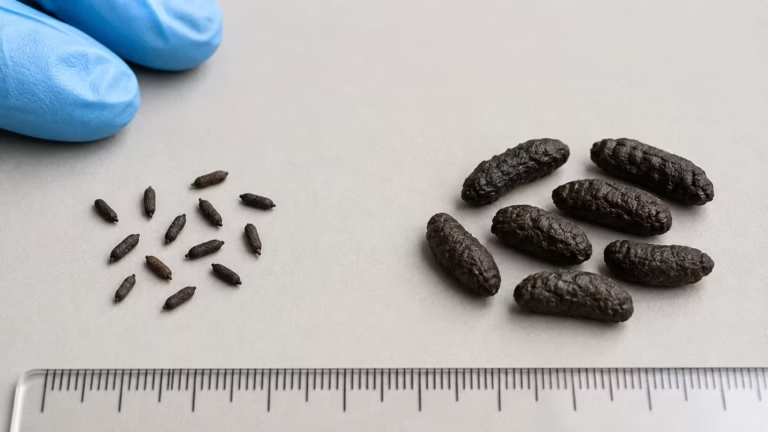
- Droppings along walls, behind appliances, in cupboards or in the attic. Rat droppings are noticeably larger than mouse droppings, and our guide to mouse vs rat droppings shows how to tell them apart.
- Gnaw marks on food packaging, wood, plastic pipes or wiring.
- Scratching or scurrying in walls and ceilings, mostly at night.
- Greasy rub marks along walls, beams and pipes where rats travel the same route.
- Burrows along the foundation or under decks, sheds and garden beds.
No single sign proves an active problem. Noises can come from squirrels or mice, and droppings can be months old. Fresh droppings are dark and soft, while old ones are dry, grey and crumble easily. A useful test is to clean an area properly, using the method further down, and see whether new droppings or gnawing appear over the next few days.
Inspect Kitchens, Attics, Basements, and Exterior Gaps
Inside, look behind and under the stove, fridge and dishwasher, in lower cupboards where pipes come through the wall, around the furnace and water heater, and in basement storage. If you check the attic, use a flashlight from the hatch or stay on joists you can stand on safely; do not crawl into tight spaces, step between joists or handle chewed or damaged wiring.
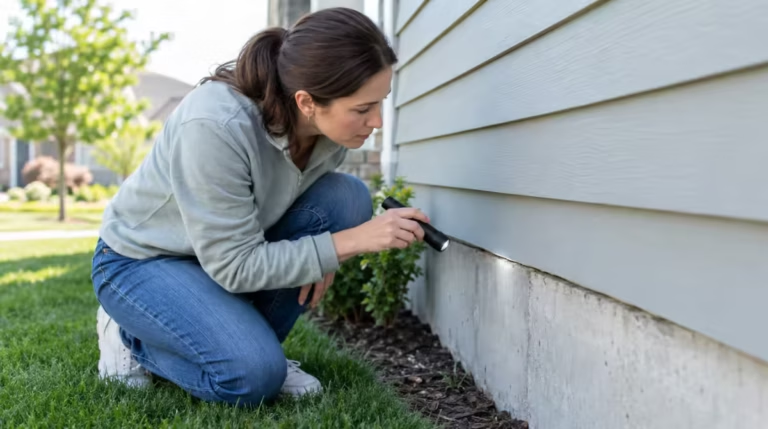
Outside, walk the foundation looking for gaps around pipes, cables, dryer and bathroom vents, crawl space vents, garage door seals and the soffits. Health Canada notes that a rat can get through a hole about the size of a quarter, so small openings matter. Note each gap you find; you will seal them in a planned order rather than all at once.
Remove Rats With Properly Placed Traps
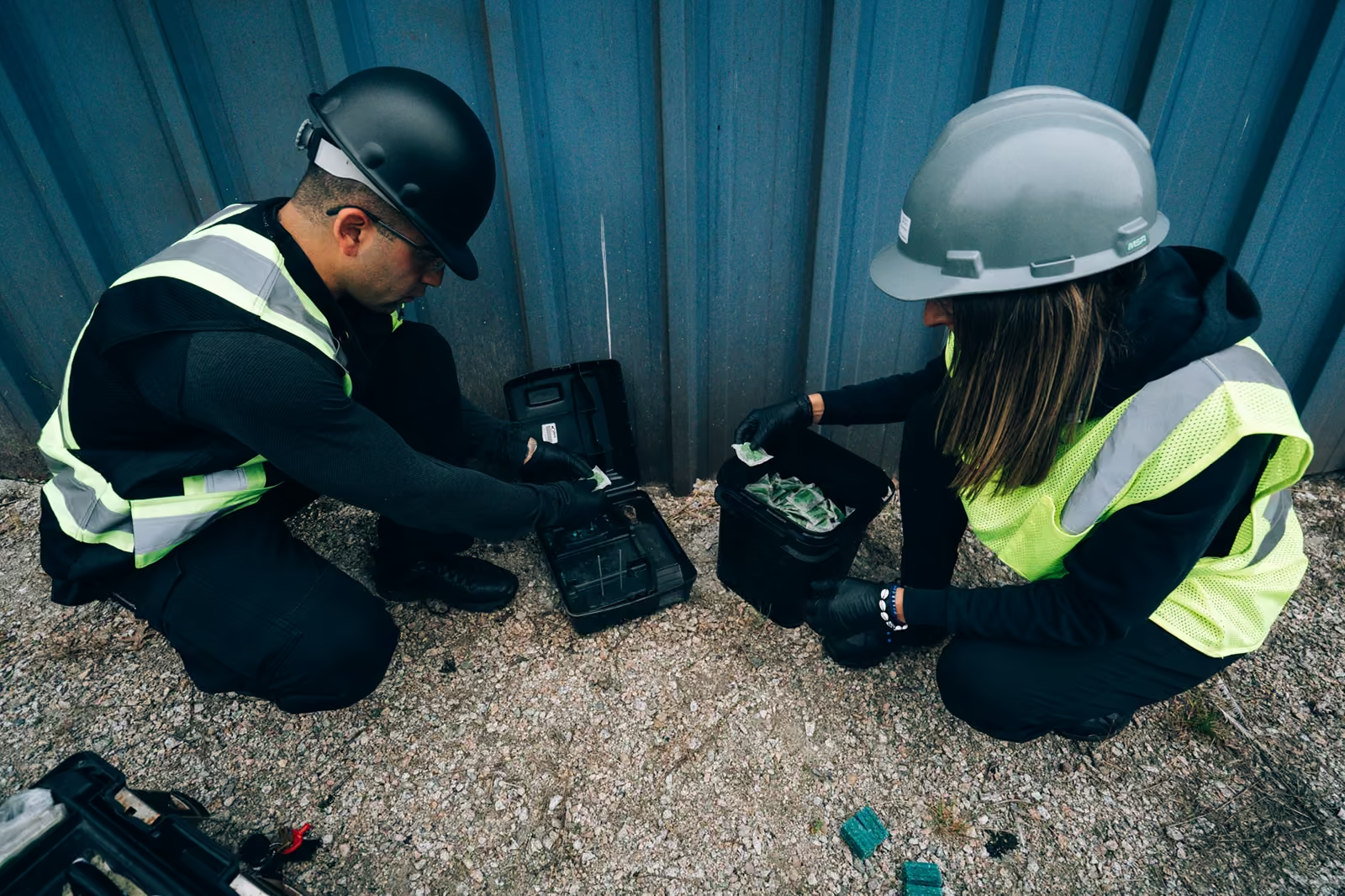
Snap traps are the most reliable way for a homeowner to remove rats inside a building. They work quickly, you can see when one has worked, and the rat does not die out of reach in a wall. Rats are wary of new objects, so placement and patience matter more than the brand of trap.
Choose Rat Sized Traps and Position Them Along Active Routes
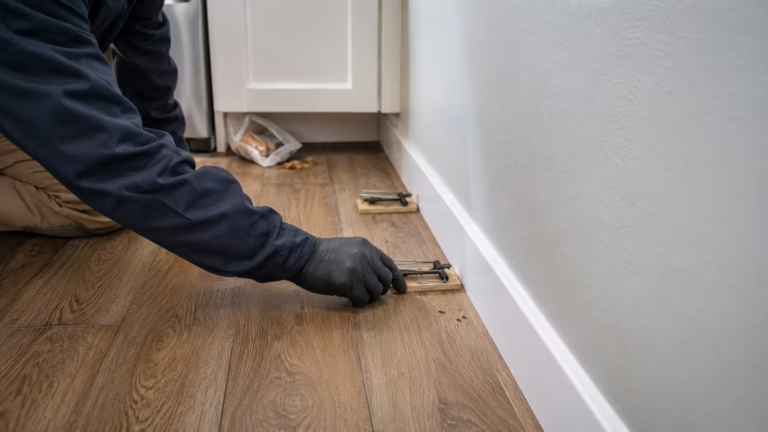
Use traps made for rats; mouse traps are too small to catch an adult rat cleanly. Set them where rats are already travelling: along walls, behind appliances, beside droppings and rub marks, and near the gaps you found. Place uncovered traps at a right angle to the wall with the trigger end against it, so a rat running along the wall crosses the trigger. For roof rats, traps on beams, shelves or rafters along their route often work better than traps on the floor; secure raised traps so they cannot fall.
Use enough traps to catch rats quickly rather than one or two. Bait them with a small amount of a sticky food such as peanut butter so the rat has to work at the trigger.
Prebait Cautious Rats and Check Traps Daily
If rats avoid the traps, try prebaiting. Leave the traps baited but not set for a few days so rats get used to feeding from them, then set them all at once. It often helps with cautious rats, though it does not work in every case, and how long it takes varies.
Once traps are set, check them every day. Wear gloves to remove a caught rat, spray it and the trap with disinfectant, then seal the rat in a plastic bag inside a second bag and put it in a garbage bin with a tight lid. Move traps that catch nothing after several days to a different spot on the route.
Protect Children and Pets and Understand Rat Poison Risks
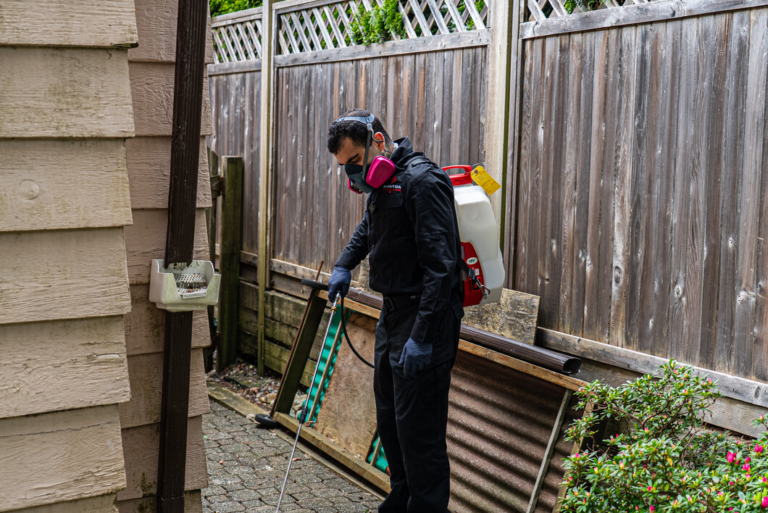
Put traps where children and pets cannot reach them, such as behind appliances, inside cabinets with no other access, or inside a covered trap box. Outdoors, enclosed trap boxes also protect birds and other wildlife.
Rat poison carries risks traps do not. A poisoned rat can die inside a wall or ceiling where it cannot be removed, and pets or wildlife that eat a poisoned rat can be poisoned themselves. In Canada, rodenticides sold to the public must be used in tamper resistant bait stations wherever children or pets could reach them, and every product must be used exactly as its label directs. British Columbia has also restricted the sale and use of second generation anticoagulant rodenticides since January 2023, with use largely limited to essential services that follow extra requirements. Never make your own poison or scatter loose bait.
Remove Food Sources and Seal Access to Your Home
Traps remove the rats you have. Taking away food, water and shelter, then closing the gaps, is what stops more from moving in. The order matters: reduce what attracts them while you trap, and do the final sealing once trapping shows the rats inside are gone.
Secure Food and Garbage, Fix Leaks, and Reduce Clutter
Store dry food, pet food and birdseed in sealed metal, glass or thick plastic containers. Keep garbage, recycling and green bins closed and away from doors. Pick up fallen fruit, avoid leaving pet food out overnight, and use a closed compost bin rather than an open pile. Fix dripping taps and leaks, since rats need water too. Clear clutter in basements, garages and sheds, and keep firewood and stored items off the ground and away from walls so rats have fewer places to nest unseen.
Close Entry Points With Chew Resistant Materials
Rats chew through wood, plastic, foam and caulk on their own, so use materials they cannot get through. Pack steel wool or copper mesh into gaps around pipes before sealing over them, cover vents with galvanized hardware cloth, add metal kick plates or door sweeps where needed, and patch foundation cracks with mortar or concrete. Avoid chicken wire, which rats can get through.
Time the sealing with the trapping. If you close every gap while rats are still inside, they may die in a wall or chew new holes to get out. Seal secondary gaps first, keep trapping, and close the main route once several days pass with no catches and no fresh droppings. Gaps you cannot reach safely, such as at the roofline, are a job for a professional.
Clean Up Rat Droppings and Nesting Materials Safely
Rat droppings, urine and nests can carry disease, and the main risk comes from breathing in dust when dried material is disturbed. Never sweep or vacuum droppings or nesting material. The Public Health Agency of Canada recommends this approach:
- Open doors and windows to air the space out before you start, and wear rubber or plastic gloves. In a confined space such as an attic or crawl space, the agency also recommends an N95 respirator.
- Spray droppings, nesting material and the surrounding area until wet with a Health Canada approved disinfectant or a mixture of 1 part household bleach to 9 parts water.
- Let it soak for 10 minutes, or for the contact time on your disinfectant’s label.
- Wipe up the wet material with paper towels or a wet mop, and double bag it with any dead rats and used gloves before putting it in the garbage.
- Wash your gloves in disinfectant and hot soapy water before removing them, then wash your hands thoroughly.
The full steps are on the Public Health Agency of Canada’s hantavirus prevention page. Heavily soiled insulation, large accumulations in an attic or crawl space, or contamination you cannot reach safely should be handled by a professional cleanup or pest control company.
Monitor for Remaining Rats and Prevent Reinfestation
A quiet week does not always mean every rat is gone. Keep watching for at least a few weeks after the last catch, and treat any new sign as a reason to look for a gap you missed.
Check for Fresh Droppings, Trap Activity, and New Entry Points
Leave a few traps in place along the old routes and check them regularly. Look for fresh droppings on surfaces you have already cleaned, new gnaw marks, and disturbed bait. Walk the outside of the house again after heavy rain or a cold snap, and recheck the seals you installed for signs of chewing or digging.
Troubleshoot Rats That Keep Returning
When rats keep coming back, the cause is usually one of three things: an entry point that was missed, often at the roofline, around a deck or in a crawl space; a food source nearby, such as a neighbour’s compost or bird feeder; or rats living outside in burrows, sheds or vegetation next to the house. Activity also tends to rise when the weather cools, and our article on rodents in winter explains why. If rats are using the garage, check any car parked there too; our guide on how to get rid of rodents in your car covers the vehicle side.
When to Get Professional Help for Rats in Your Home

Many single rat problems can be handled with traps, cleanup and sealing. Bring in a professional when:
- Activity continues after a few weeks of properly placed traps.
- You cannot find or safely reach the entry points, such as at the roof, soffits or behind siding.
- Rats are nesting in walls, the attic or a crawl space you cannot get into.
- There is heavy contamination of insulation or storage areas.
- You see chewed wiring, damaged ductwork or other signs of structural damage.
Pest control deals with finding and removing the rats and closing their routes. Damaged wiring should be checked by an electrician, and structural or insulation repairs may need a contractor.
Conclusion
Getting rid of rats works when the steps happen in order: confirm the activity, cut off food and shelter, trap along the routes they use, seal the gaps once the rats inside are caught, clean safely and keep checking. Rats rarely chew their way in; they use a gap that is already there, and that gap is what keeps the problem going. If rats keep finding their way into your home, Phantom Pest Control provides pest control in Vancouver and across the Lower Mainland, starting with finding out how they got in.
Frequently Asked Questions
These are the questions people ask most often once they have confirmed rats in the house.
1. How Long Does It Take to Get Rid of Rats?
It depends on how many rats there are, how cautious they are, how many entry points need sealing and how much food is available nearby. A single rat can be caught within days, while an established group can take several weeks of trapping, sealing and follow up. Expect to keep monitoring for a few weeks after the last catch.
2. Can You Get Rid of Rats Permanently?
You can remove the rats in your home and make it much harder for new ones to get in, but no home is permanently immune, especially in a city where rats live outdoors year round. Lasting control comes from keeping entry points sealed, food and garbage secured, and checking for new signs, particularly in fall and after any renovation or storm damage.
3. Do Peppermint Oil and Ultrasonic Repellents Work?
Not reliably. University pest management research, including guidance from UC Statewide IPM, finds that rats quickly get used to ultrasonic devices, and scent repellents such as peppermint oil give at most brief avoidance. Neither removes rats already inside or closes the gaps they use, so they are not a substitute for trapping, sanitation and sealing.