To get rid of rodents in your car, air the vehicle out and inspect it before you start the engine, remove any food, set snap traps in safe spots inside the cabin and trunk, and soak droppings and nests with disinfectant before you wipe them up. Never sweep or vacuum dry droppings. Starting the engine will not reliably drive rats or mice out, and if you find chewed wiring, a nest near the air intake or a new warning light, have a mechanic check the vehicle before you drive it.
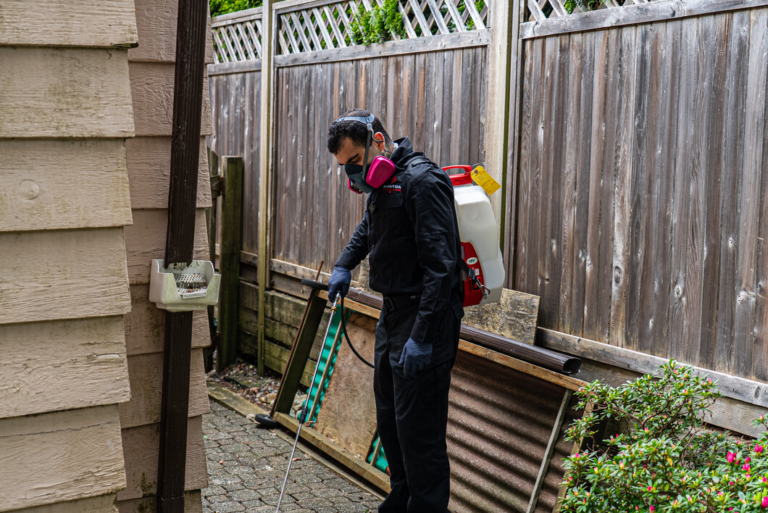
A car that sits for days in a quiet garage or driveway gives rodents shelter, warmth and nesting material, and a few crumbs are enough to make it worth returning to. When the same rodents are also using the garage or the house, the car is only part of the problem, and that wider picture is where rodent control in Vancouver starts: finding out how they got in and why they stay.
On this page7 sections
Signs of Rats or Mice in Your Car
You will rarely see a rodent in a vehicle. What you find is what it leaves behind, usually in the engine bay, the glovebox, under the seats, in the trunk or around the cabin air filter.
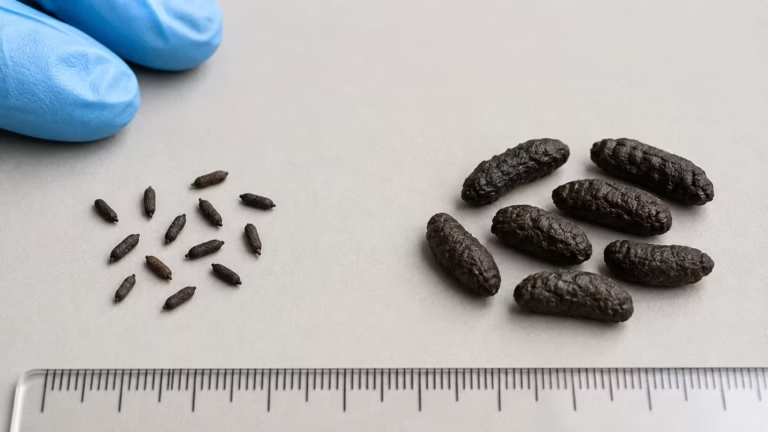
- Droppings on floor mats, in the trunk, on top of the engine cover or around the battery. Mouse droppings are small and pointed, while rat droppings are noticeably larger. Our guide to mouse vs rat droppings shows how to tell them apart.
- Nesting material such as shredded paper, insulation, leaves or fabric packed into corners, vents or the air filter housing.
- Chewed wiring, hoses, foam or upholstery, and gnaw marks on plastic covers.
- A musty or ammonia smell, often strongest when the fan or heater is running.
- Stashes of seeds, pet food or other food in places you did not leave them.
- Scratching sounds, or a warning light that appears after the car has been parked for a while.
Old evidence and current activity call for different responses. Dry, crumbly droppings and a nest with nothing fresh in it may be left over from months ago. Dark, fresh droppings, new chewing, or food that keeps disappearing mean rodents are still using the car. The simplest test is to clean an area properly, as described in step 5, and check it again over the next few days.
How to Get Rid of Rodents in Your Car in 6 Steps
Work through these steps in order. The early steps tell you what you are dealing with and protect you while you clean, so jumping straight to traps or sprays usually leaves the nest, and the reason rodents chose your car, exactly where it was.
1. Ventilate and Inspect Before Starting the Engine
Move the car outdoors or into an open garage if you can, then open the doors, trunk and hood and let it air out before you start. US Centers for Disease Control and Prevention (CDC) guidance for vehicles suggests about 20 minutes. Stay out of the car while it airs.
Resist the urge to start the engine to scare rodents off. A mouse or rat can stay tucked away, and a nest in the air intake, chewed wiring or a damaged hose can get worse once the engine runs. If you see any of those, or a warning light came on after the car was parked, have a qualified mechanic inspect it before you start or drive it.
2. Check the Engine Bay, Air Filters, and Interior

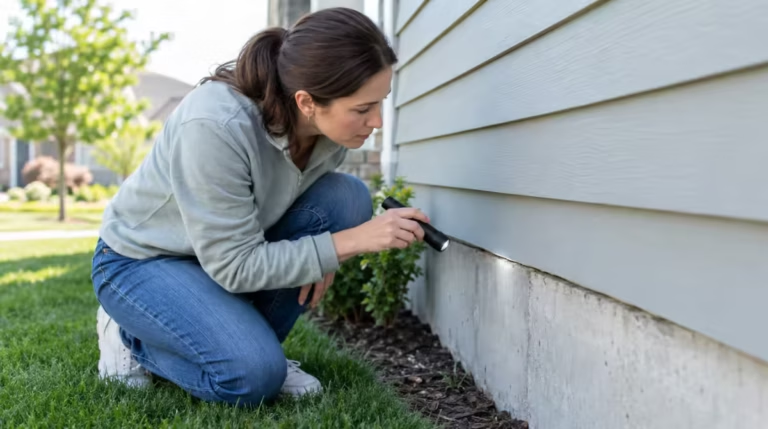
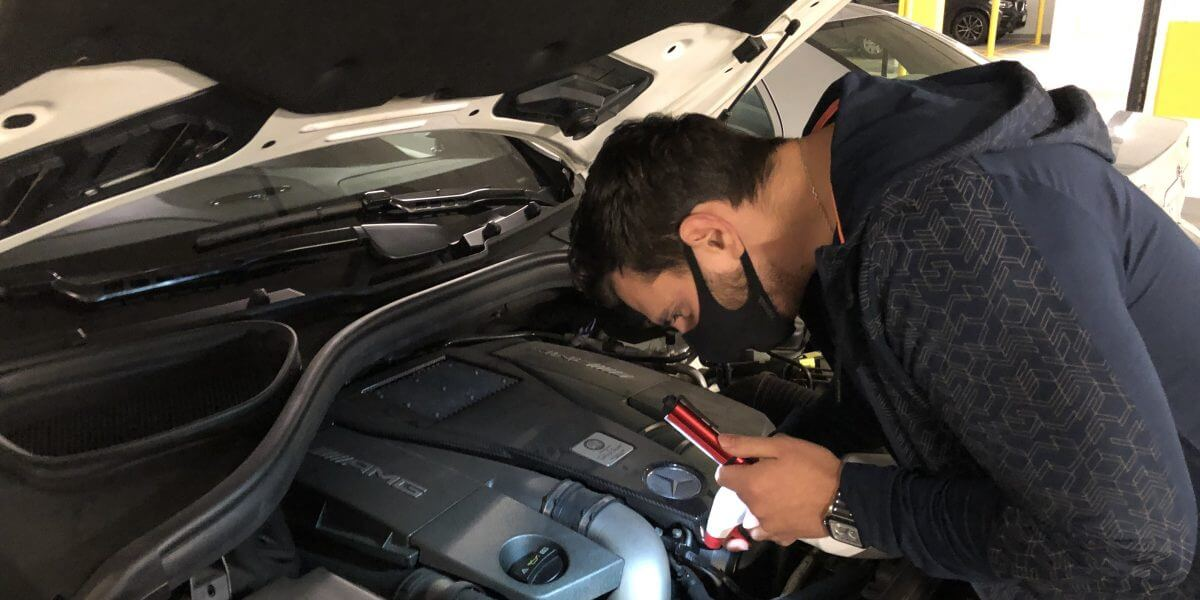
Put on disposable gloves and long sleeves and use a flashlight. Under the hood, look on top of the engine cover, around the battery, along the back wall of the engine bay and inside the engine air filter box. The cabin air filter, often behind the glovebox, is another favourite nesting spot. Inside the car, check under the seats and mats, in the glovebox and console, in the spare tire well and behind the trunk lining where it lifts out easily.
Keep this to a visual check of what you can reach without tools. CDC guidance recommends disconnecting the battery before working in the engine compartment; do that only if your owner’s manual explains it and you are comfortable with it. Do not remove panels, unplug bundled wiring or touch safety parts such as airbag components, and leave the high voltage system on a hybrid or electric vehicle to a professional. If droppings or a nest sit behind anything that has to be taken apart, that part of the job belongs to a mechanic.
3. Remove Food and Accessible Clutter

Take out anything a rodent can eat or nest in: snack wrappers, crumbs, drink containers, pet food, birdseed, gym bags, paper and loose blankets. Keep your gloves on, and if an item is soiled with droppings, set it aside for the wet cleanup in step 5 rather than shaking it out. A car with nothing to eat and nowhere soft to nest is far less appealing, and traps work better when they are the only food on offer.
4. Set Suitable Rodent Traps and Check Daily
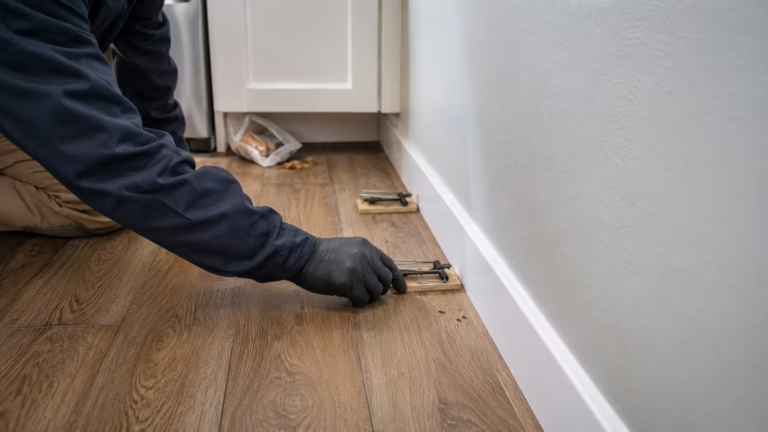
Snap traps suit a vehicle because you can see when one has worked and remove the rodent straight away. Public health guidance favours them over live traps and glue traps. Use mouse traps for mice and the larger rat traps for rats, baited with a small amount of peanut butter.
Place traps on the cabin floor and in the trunk, close to droppings or chewed spots, and only where children and pets cannot reach them. Never put traps in the engine bay or near pedals, belts, fans or wiring. Check them every day, because a dead rodent left in a closed car quickly becomes an odour problem. Before anyone drives the car, remove every trap and count them back out.
Keep trapping until you have gone several days with no catches and no fresh droppings.
5. Disinfect Droppings and Remove Nests Safely
Rodent droppings, urine and nesting material can carry disease, including hantavirus, which deer mice carry in parts of Canada. The main risk is breathing in contaminated dust, so never sweep, vacuum, blow out with compressed air or pressure wash droppings and nests before they have been soaked. The Public Health Agency of Canada recommends this approach:
- Ventilate first, then put on rubber or plastic gloves. When cleaning a confined space such as a car, the agency also recommends an N95 respirator.
- Spray the droppings, nesting material and surrounding area until wet, using a Health Canada approved surface disinfectant or a mixture of 1 part household bleach to 9 parts water.
- Let it soak for 10 minutes, or for the contact time on your disinfectant’s label.
- Wipe up the wet material with paper towels. Put it, along with any dead rodents and used cleaning materials, in a plastic bag, seal it inside a second bag and place it in the garbage.
- Clean the rest of the area with disinfectant, wash your gloves before taking them off, then wash your hands with soap and water.
Bleach can mark upholstery, carpet and trim, so test any product on a hidden spot first. The CDC’s page on cleaning up after rodents, including in vehicles also covers fabric and carpet, which can be shampooed with a disinfectant or steam cleaned once the droppings are gone. Do not spray disinfectant into vents, fuse boxes, connectors or other electrical parts. If droppings or nesting material have reached the heating and air conditioning system, or the contamination is extensive or out of reach, have a professional handle the cleanup.
6. Repair Damage and Monitor for New Activity
Once the car is clean, have a mechanic check anything that looked chewed, including wiring, hoses, insulation and the air filters. If nesting material was in the air intake, CDC guidance advises removing it and replacing the filter.
Then watch for a return. Check the engine bay, cabin and trunk every few days for at least a couple of weeks. Fresh droppings on a surface you already cleaned are the clearest sign rodents are still getting in, and that usually means they are living close by, in the garage, a shed or the building itself.
How to Keep Rats and Mice Out of Your Car
Keeping rodents out of a car works on two fronts: taking away what attracts them and closing the routes they use to reach the vehicle. Cars that get rodents again and again are usually parked near a food source or inside a building that rodents already use.
Keep Your Car and Parking Area Free of Food
Keep food, wrappers and pet food out of the car, especially overnight. Around the spot where you park, store garbage and recycling in bins with tight lids, keep birdseed and pet food in sealed containers, and clear away woodpiles, leaf litter and clutter that rodents can shelter under. Fallen fruit and open compost near a driveway draw rodents in as well.
Rodent Proof Your Garage and Inspect Stored Vehicles
A garage that rodents can get into will keep supplying your car with visitors. Check the seal along the bottom of the garage door, the side door, and openings around pipes, wires and vents, and close gaps with durable materials such as steel wool, wire mesh or metal flashing. The same principles in our guide on how to prevent mice from entering your home apply to a garage.
Vehicles in storage are the most exposed. If a car, RV or project vehicle sits for weeks at a time, open it up and look for droppings and nesting material every week or two, and keep traps set in safe places around it.
Have a Mechanic Check Vehicle Entry Points
Rodents can reach the cabin through ducting, cable openings and rusted areas. Do not try to block the exhaust, air intakes, ventilation openings, drains or anything near moving parts yourself, since that can cause overheating, fumes or damage. If rodents keep coming back, ask a mechanic or your dealer whether the manufacturer offers approved screens or covers for the air intake or cabin air inlet, and have any change made according to the manufacturer’s guidance.
Do Car Rodent Repellents Actually Work?
Repellents are usually the first thing people try, but none has strong evidence that it keeps rats or mice out of a vehicle on its own. At best they are a minor extra alongside trapping, cleaning and blocking access. They do nothing about a nest that is already there or the rodents still using the car.
Peppermint Oil, Dryer Sheets, and Ultrasonic Devices
Peppermint oil and dryer sheets rely on scent, and any effect fades as the smell wears off. There is little reliable evidence that either one stops rodents from nesting in a car, and dryer sheets add loose material to the very spaces you are trying to keep clear.
Ultrasonic devices claim to drive rodents away with high frequency sound. Research on them has produced weak and inconsistent results, rodents can get used to the noise, and sound does not travel well around engine parts, seats and trim. If you do use a repellent, treat it as a supplement and keep checking for fresh droppings.
Why Mothballs and Loose Poison Baits Are Poor Choices
Mothballs are registered pesticides in Canada, labelled for controlling fabric moths, and Health Canada advises following the label directions carefully. Repelling rodents in a car is not what they are labelled for, and their vapour builds up inside a closed cabin where you and your passengers breathe it.
Loose poison bait is a poor fit for a vehicle too. Rodenticides sold for household use in Canada must be used in bait stations, and a poisoned rodent can die inside a duct, panel or door where you cannot reach it, leaving a strong odour behind. Any rodenticide should be a product registered in Canada and used exactly as its label directs. For most people dealing with a car, traps are the more practical tool.
When to Call Pest Control or a Mechanic
These are two different jobs. A mechanic deals with the vehicle itself: chewed wiring, damaged hoses, contaminated filters, and anything behind panels or inside the heating and air conditioning system. Pest control deals with where the rodents are coming from and what keeps drawing them back.
- Call a mechanic if you find chewed wires or hoses, a nest in the air intake or engine bay, a new warning light, or a smell coming through the vents.
- Call pest control if rodents return after trapping and cleaning, you find activity in the garage, shed or home as well, or more than one vehicle on the property is affected.
- Call both when the car has been damaged and the activity keeps coming back.
To talk through rodent activity around your home, garage or building, you can reach Phantom Pest Control at 604 771 0404.
Conclusion
Getting rats or mice out of a car is mostly about order: air it out, look before you start the engine, remove the food, trap, clean wet and repair what was chewed. When the problem keeps returning, the answer is usually outside the car, in the garage, the yard or the building next to where it parks. If rodents are turning up around your property as well, Phantom Pest Control provides pest control in Vancouver and across the Lower Mainland, starting with finding out how they are getting in.
FAQs
These are the questions that come up most often once rats or mice have been found in a vehicle.
Why Do Rodents Nest in Cars?
A parked car offers what rats and mice look for: a dark, sheltered space, warmth from a recently run engine, soft material for a nest and sometimes food. Cars that sit unused, are parked near shrubs, garbage or bird feeders, or are kept in a garage rodents can enter are the most likely to be chosen. Activity often rises in the cooler months, and our article on rodents in winter explains why rats and mice look for shelter then.
Will Starting Your Car Make Rats or Mice Leave?
Not reliably. Noise and heat may move a rodent for a while, but it often stays hidden or comes straight back, and running the engine with a nest in the air intake or chewed wiring can cause more damage. Check under the hood first, and have a mechanic look at anything that appears damaged before you drive.
How Do You Get Rid of a Dead Rodent Smell in a Car?
Find and remove the source. The smell usually comes from a dead rodent, a nest or urine soaked material in the cabin, trunk, vents or engine bay. Remove it using the wet cleaning steps above, disinfect the surrounding area and replace a contaminated cabin air filter. Air fresheners and open windows only cover the smell while the source is still there. If you cannot find it, or the smell comes through the vents, have a mechanic inspect the ventilation system.