Pest Control in Coquitlam, BC

Phantom Pest Control provides pest control and exterminator service to homes, stratas and businesses across the City of Coquitlam, BC, from Maillardville above the Fraser to Westwood Plateau and the forest edge of Burke Mountain.

The City of Coquitlam runs from the north bank of the Fraser River up into the forests of Eagle Mountain and Burke Mountain. This map shows its populated south; the city continues north of the top edge. The letters match the five areas below. Map data © OpenStreetMap contributors.
  • Shoreline and lakes
  • City boundary
  • Creeks and rivers
  • Parks and forests
Serves
The City of CoquitlamEvery area in the City’s community profiles
Pests we treat
Rats, mice, wildlife, wasps and carpenter antsAlso chafer beetles and bed bugs
Health authority
Fraser HealthIts Tri-Cities office, in Port Moody, inspects food premises
Hours
Office and Service Hours: Monday to Friday, 9 AM to 5 PMOpen 24/7 for pre-arranged commercial services

How We Work

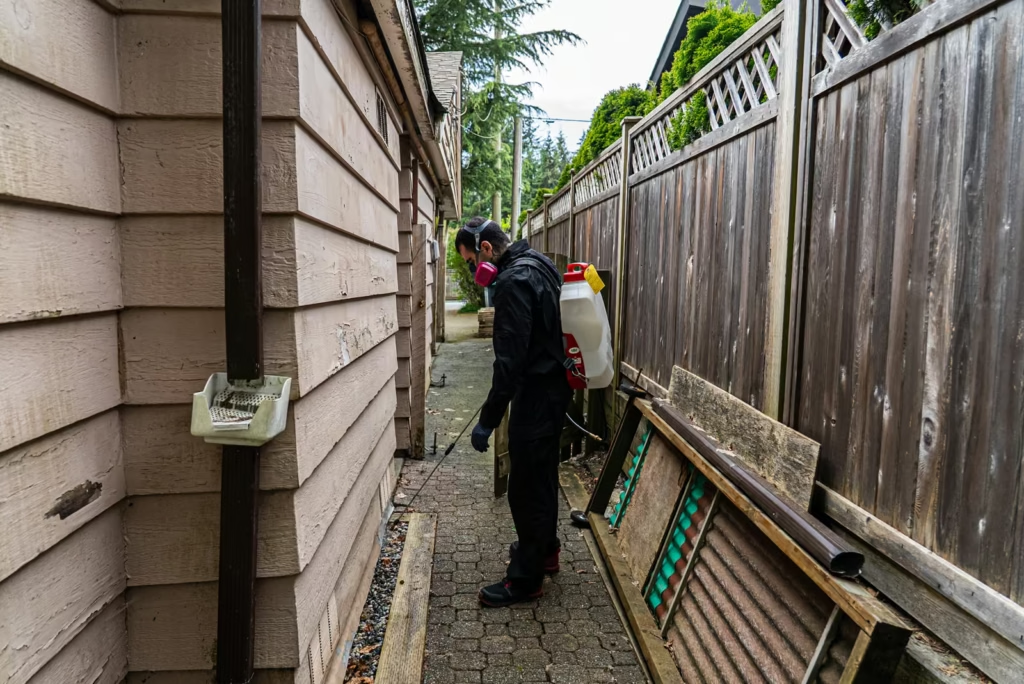
Why clients book Phantom and what to have ready when you call, with a photo from one of our carpenter ant jobs.

Phantom technician treating the base of a wood-sided house wall in a narrow fenced passage for carpenter ants
Treating the base of a wood-sided house wall for carpenter ants.

Why book Phantom

  • 15+ years of pest control experience serving British Columbia
  • Our own K9 teams for bed bug screening
  • A written report with photos after a home buyer or seller inspection
  • Preparation sheets for bed bug, insect and rodent treatments, on the client forms page
  • Fully licensed, insured and certified
  • A three-visit rodent program that seals gaps up to toonie size

Before you call

  • Your neighbourhood, for example Maillardville, Westwood Plateau or Burke Mountain
  • What you’ve noticed, where it is and for how long; photos help
  • Any attic or crawl space to check: + $50 on the inspection, waived when the service is booked the same day

Estimates over the phone are free, Monday to Friday, 9 AM to 5 PM.

Where Pests Come From in Coquitlam

Coquitlam climbs from the Fraser River through older streets and SkyTrain towers to the forest on Eagle Mountain and Burke Mountain. Each part offers pests different food and shelter.

  1. A

    Burquitlam-Lougheed

    The North Road and Clarke Road corridor between Burnaby and Port Moody, around Burquitlam Station and Cariboo

    SkyTrain reached Burquitlam Station in 2016, and the City has encouraged high-rise towers around its stations. North Road and Clarke Road are a primary commercial area for west Coquitlam. German cockroaches favour restaurants and warm, damp kitchens, and bed bugs travel between rooms on infested objects. The City also warns that vacant buildings can shelter rodents, so an older building waiting to come down deserves a look.

  2. B

    Maillardville, Cape Horn and the Fraser shore

    Brunette Avenue, Laval Square and Allard-LeBleu; Cape Horn and Schoolhouse Street; Mayfair/Pacific Reach and Fraser Mills on the river

    The City calls Maillardville its most historic neighbourhood, established more than 100 years ago for the Fraser Mills lumber mill, and its housing runs from heritage and older single-family homes to mobile homes and multi-family buildings. Light industry sits on Schoolhouse Street, and Fraser Mills is in the river’s floodplain. Norway rats prefer damp crawl spaces and building perimeters, and carpenter ants prefer moist, decaying wood.

  3. C

    Austin Heights, Como Lake and Mundy Park

    Austin Avenue and Blue Mountain Park, Central Coquitlam around Como Lake, Mundy Park and Ranch Park, and River Heights by the Riverview Forest

    Most of Central Coquitlam dates from subdivisions of the 1950s to the 1970s, and Ranch Park began in the 1950s. The City’s 2019 profile, on 2016 Census data, put apartments at 85% of Austin Heights’ housing, the highest share in the city. Mundy Park is 178 hectares of urban forest, and the City says deer and black bears frequent it. In the fall, deer mice living near woodland may come indoors, and chafer grubs draw raccoons to dig up lawns.

  4. D

    City Centre, Lafarge Lake and Westwood Plateau

    Pinetree Way and Lafarge Lake, Hoy and Scott creeks, Eagle Ridge, Hockaday/Nestor by the Coquitlam River, and up to Westwood Plateau

    City Centre is Coquitlam’s downtown, with high-rise and mixed-use buildings. Hoy Creek runs into Scott Creek and on to the Coquitlam River; salmon return from October to mid-December, and the City warns that bears feed on them. Westwood Plateau dates from the late 1980s, with trails into Eagle Mountain’s backcountry. Carpenter ants live in stumps and logs, and yellowjackets nest under overhanging roofs and in sheds.

  5. E

    Burke Mountain’s forest edge

    Northeast Coquitlam: River Springs and the Hyde Creek, Smiling Creek and Partington Creek plan areas, out toward Minnekhada Regional Park

    New neighbourhoods here are going in beside continuous forest. The City’s Partington Creek plan names “the potential risk of encounters with bears” as a local hazard, and a camera study commissioned by the City along Partington Creek logged black bears in more than 2,600 separate events. Deer mice may get into buildings close to woodland during the fall, raccoons den in hollow trees, stumps and attics, and carpenter ants live in stumps and logs.

Who Handles What in Coquitlam

We handle pests on private property in Coquitlam. Wildlife that puts people at risk is for the Province, City bylaw officers deal with attractants, and food premises answer to Fraser Health’s inspectors.

If you haveWho handles itWhat to know

A bear, a cougar or an aggressive coyote

BC Conservation Officer Service: 1-877-952-7277

Officers handle conflicts that put public safety at risk. For wildlife that’s aggressive or damaging property, the City gives this same number.

Source: Province of B.C., City of Coquitlam

Garbage, fruit or other attractants wildlife can get at

City of Coquitlam Bylaw Enforcement: 604-927-3580

The City says letting wildlife reach unsecured carts can bring a $500 fine. A complaint needs the exact address, and the City doesn’t accept anonymous ones.

Source: City of Coquitlam, Complaints

A raccoon or skunk damaging your attic, crawl space or yard

A licensed pest control company

Provincial guidance treats them as low-risk, and conservation officers come only for an immediate threat. The City’s Animal Shelter can’t help with wildlife or pests.

Source: Province of B.C., City of Coquitlam

Rats, mice, wasps or ants

A licensed pest control company

The City tells residents to call one if pests persist, and says attracting pests could bring a $150 fine under Bylaw 4284. Wasp nests on City property go to Parks: 604-927-6300.

Source: City of Coquitlam, Bylaw 4284

A restaurant or other food business with pests

The operator, with a licensed company; Fraser Health’s Tri-Cities office inspects: 604-949-7701

Under s. 26 of the Food Premises Regulation, an operator must keep the premises free of pests and protected from their entry. Fraser Health publishes the reports from its inspections.

Source: Fraser Health, BC Laws

When Pests Peak in Coquitlam

Our sources for these months: Phantom’s own pest pages, the B.C. home and garden pest guide, WildSafeBC, Health Canada and the City’s chafer calendar. The wasp and rodent months are our summary of those seasons.

This month: November 2026

  • Rats & mice
  • Black bears
  • Chafer beetles

Not seasonal

  • Bed bugs
  • Cockroaches

Carpenter ant swarms

February to May

B.C.’s pest guide says winged carpenter ants appear as early as February and are most numerous in May.

Wasps

May to September

New nests start each spring because only mated queens survive the winter. Those nests peak by mid to late summer. For when to call, see our post on when a wasp nest needs a professional.

Rats & mice

October to March

Rodents look for food and warmth indoors in the colder, wetter months, and deer mice living by fields and woodland may come in during the fall.

Raccoons

March to May

Raccoon breeding peaks in March and April, and litters come in spring. Coyote pups arrive from April to mid-May, and the parents can be protective of their dens.

Black bears

April to November

WildSafeBC puts their peak activity between April and November. The City says fall drives them to search for food, including the salmon in its creeks.

Chafer beetles

October to March

The City’s life cycle has grubs feeding from October to March, when turf damage is worst, and its calendar sets January to March for checking your lawn.

Not seasonal

Bed bugs

Infested objects carry them between rooms, so they can turn up in any month.

Cockroaches

Warm, damp kitchens and indoor plumbing suit them all year.

Neighbourhoods We Serve in Coquitlam

We work across the city, in all 13 areas the City uses for its community profiles, plus the surrounding communities listed below.

City of Coquitlam

  • Austin Heights
  • Burquitlam-Lougheed
  • Cape Horn
  • Central Coquitlam
  • City Centre
  • Eagle Ridge
  • Hockaday/Nestor
  • Maillardville
  • Mayfair/Pacific Reach
  • Northeast Coquitlam
  • Ranch Park
  • River Heights
  • Westwood Plateau

Also in these areas

  • Burke Mountain
  • Burquitlam
  • Lougheed
  • Como Lake
  • Fraser Mills

Nearby service areas

Not on the list? Call or text 604-771-0404 and the office will confirm.

What Pest Control Costs in Coquitlam, and How a Visit Works

The inspection fees we publish for Coquitlam homes and businesses, and the four steps of a visit.

Inspection fees

House
$150 + GST
Condo, apartment or townhouse
$125 + GST
Attic or crawl space
+ $50
Waived if the service is booked on the same day.
Commercial site inspection
Free
Estimate over the phone
Free

Treatment prices for each pest

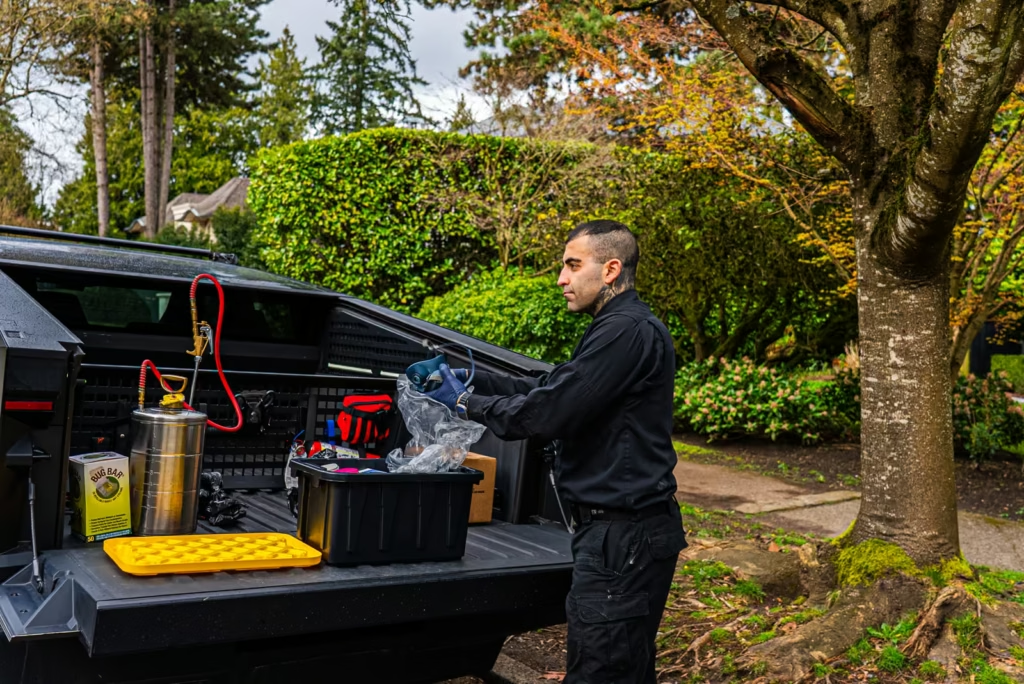
Phantom technician sorting supplies at the Phantom truck’s tailgate beside a sprayer and bait box
  1. Describe the problem by phone

    Call or text 604-771-0404 on a weekday between 9 AM and 5 PM. The estimate costs nothing.

  2. An inspection where one is needed

    The technician identifies the pest and finds how it gets in.

  3. Get ready with the preparation sheet

    For bed bug and cockroach treatments, the preparation sheets ask everyone to stay out for at least 6 to 8 hours. The bed bug sheet extends that to 24 hours for infants under 2, pregnant or nursing mothers, people with respiratory or immune conditions, and pets; the cockroach sheet lists its own group. The sheets are on the client forms page.

  4. Treatment, then the weeks after

    A few pests for a while after treatment is normal. Past the time on your sheet, call us.

Pest Control Services in Coquitlam

Start with the pest or your kind of property. Each link goes to that service’s page.

By pest

Rodent control

Damp perimeters for Norway rats, attics for roof rats, and the gaps both use to get in.

Wildlife control

Raccoons and skunks on private property, which conservation officers treat as low-risk.
Bird control

Spikes, netting and wire for ledges, rooftops and loading docks.
Wasp control

Yellowjackets in sheds and under roofs, hornets in cedar hedges.

Ant control

Swarming carpenter ants, which peak in May, and the moist, decaying wood they favour.
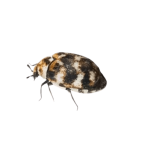
Beetle control

Indoor beetles, plus chafer grubs in your lawn, where the City’s pesticide bylaw limits the options.
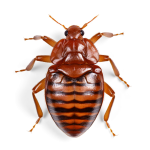
Bed bug control

Detection by our K9 teams, then treatment; in rentals, Fraser Health says landlords must hire a licensed operator.
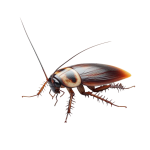
Cockroach control

The German cockroach, in restaurants, food plants and warm, damp kitchens.

For homes

Single-family and laneway homes

Single-detached houses are 35.2% of the city’s homes (2021 Census).

Townhouses

Row houses are 9.8% of the city’s homes (2021 Census).

Condos and apartments

Apartment buildings hold 36.2% of the city’s homes (2021 Census).

Home buyers and sellers

Either side of a sale gets a written report with photos.

Rodent abatement for demolition

The City wants a signed rodent declaration before it issues a demolition permit.

For buildings and businesses

Restaurants

A scheduled program for kitchens on North Road and Austin Avenue and in City Centre.

Strata and apartment buildings

The City’s pesticide bylaw counts strata common property as residential land.

Retail stores and shopping centres

Programs for the North Road corridor and City Centre’s shops.

Coquitlam Pest Control Questions

Answers for Coquitlam homeowners, renters, stratas, builders and businesses.

Prefer to talk?

604-771-0404

Do you remove raccoons and skunks in Coquitlam?

Yes, on private property: see wildlife control. The Province points raccoon and skunk damage to a licensed pest control company, and notes that municipal bylaws may still limit traps. The City’s Animal Shelter doesn’t trap animals, though it takes reports of dead ones at 604-927-7387. For injured wildlife, the City’s list of rescue groups includes Critter Care at 604-530-2054. To keep them out, the City says to limit access under sheds and wood piles.

What are Coquitlam’s garbage rules for bears?

Carts go out between 5:30 and 7:30 a.m. on collection day, and the City says a cart put out the night before may bring a $500 fine. Between collections it advises a garage or fully enclosed structure, and says Green Cart clips aren’t bear proof. Bylaw 4284 also bans feeding any wildlife and requires ripe fruit to be picked and fallen fruit removed. Report attractants to Bylaw Enforcement at 604-927-3580.

Can you use rat poison at a Coquitlam home?

Not second-generation anticoagulants, the kind that can kill a rodent in one feeding. B.C.’s Integrated Pest Management Regulation, s. 81 (5), confines them to essential service locations, and even there practical alternatives must have failed first. The City’s pest management page calls rodenticides a last resort, recommends snap and electronic traps, and says to seal holes and cracks larger than 6 mm. Our rodent control program seals gaps up to toonie size, and larger openings are quoted as exclusion work.

Do I need a rodent inspection before demolishing a building in Coquitlam?

Yes. The City’s demolition permit page says owners must verify that buildings are free of pests such as rats before the permit is issued, and lists a Rodent Inspection and Control Declaration among the required documents. The form is signed by someone licensed in structural pest management, with a B.C. pesticide licence number and a Coquitlam business licence number, and goes to the Building Permits Division at 604-927-3441. The permit page also marks the bird nesting window, March 1 to August 31. Our rodent abatement for demolition page explains the inspection and follow-up visits.

What’s digging up my lawn in Coquitlam?

Possibly raccoons, birds or other wildlife after European chafer beetle grubs. The City’s chafer page says you often notice the damage when those animals start digging for the grubs, and that more than five grubs per section of turf is the point to consider control. Check from January to March. The City doesn’t allow pesticides for chafer on residential or civic land, so it recommends nematodes around mid to late July. Japanese beetle grubs look similar, and part of Coquitlam is in the CFIA’s regulated area. We treat chafer as well as indoor beetles: see beetle control.

Does Coquitlam’s pesticide bylaw apply inside my home?

No. Pesticide Use Control Bylaw 4254 covers pesticides used to maintain outdoor trees, plants and turf on private residential land, including strata common property, and on City land. It doesn’t apply to buildings or the inside of buildings, or to managing a pest that transmits human or animal disease. Indoors, the Province’s rule is notice: before a licensee uses a pesticide in an occupied home, it must provide the occupant with a treatment notice, 72 hours or more in advance. See the preparation sheets for indoor treatments.

How much does an exterminator cost in Coquitlam?

Our inspection fee is $150 + GST for a house and $125 + GST for a condo, and estimates over the phone are free. For a house, the three-visit rodent control program is $495–$650 + GST; for a condo, $395–$495 + GST. It seals any gap up to toonie size, and exclusion work for larger openings is quoted separately. Exterior baiting, where it suits the property, starts with a $150 + GST minimum setup fee, then $78.75–$95 + GST per visit, with 30 days’ notice to cancel.

Who deals with bed bugs in a Coquitlam rental?

Generally the landlord. The Residential Tenancy Branch says landlords are generally responsible for controlling insect infestations such as bed bugs, and Fraser Health says a landlord can’t legally apply pesticides personally in a suite they rent out and must hire a licensed operator. Separately, s. 10 (2) of B.C.’s Integrated Pest Management Regulation requires that operator to provide the occupant with a treatment notice 72 hours or more before treating. For the treatment itself, go to bed bug control; for getting ready, use the preparation sheets.

Get a Free Estimate in Coquitlam

Send a few photos and your neighbourhood; the office calls back to talk through the job.

Office and Service Hours
Monday to Friday, 9 AM to 5 PM: calls, estimates and call-backs.
Commercial
Open 24/7 for pre-arranged commercial services: evening, night and weekend visits when booked ahead.

Free estimate request

Property - Step 1 of 3
What kind of property is it?
Seven Phantom technicians standing beside a branded service vehicle

Book a Coquitlam Inspection

Send the address and what you’ve noticed, and we’ll shape the first visit around it.

Estimates over the phone are free, Monday to Friday, 9 AM to 5 PM. Open 24/7 for pre-arranged commercial services.