Pest Control in Richmond, BC
Phantom Pest Control is a pest control and exterminator service for homes, stratas and businesses across the City of Richmond, BC, from Steveston’s harbour to the towers along No. 3 Road and the farms of East Richmond.
- Fully licensed, insured and certified
- Read our Vancouver Google reviews
- Shoreline
- City boundary
- Rivers and sloughs
- Parks
- Serves
- The City of RichmondEvery planning area the City reports on
- Pests we treat
- Rats, mice, raccoons, carpenter ants and cockroachesAlso wasps, chafer beetles and bed bugs
- Health authority
- Vancouver Coastal HealthIt inspects food premises; general rodent calls moved to the City in 2021
- Hours
- Office and Service Hours: Monday to Friday, 9 AM to 5 PMOpen 24/7 for pre-arranged commercial services
Why Book Phantom in Richmond
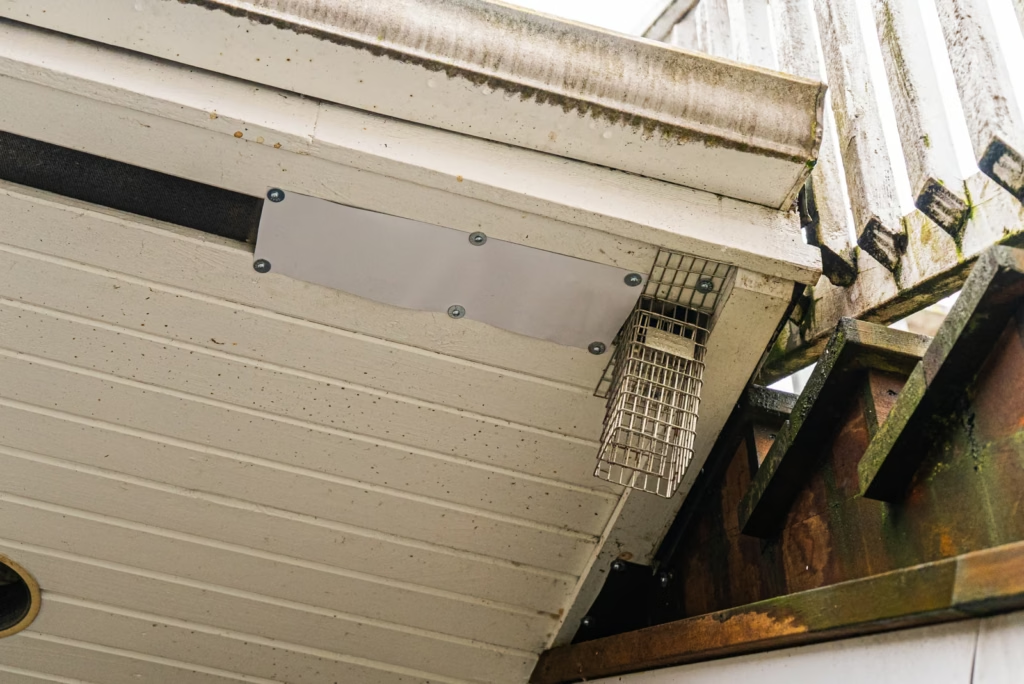
What clients book us for and what to have handy when you call, beside a photo of our rodent-proofing work.

Why book Phantom
- 15+ years of pest control experience serving British Columbia
- Bed bug screening by our own K9 teams
- Home buyers and sellers get a written report with photos
- Prep sheets for bed bug, insect and rodent work on our client forms page
- Fully licensed, insured and certified
- Rodent program of three visits, with gaps sealed up to toonie size
Before you call
- Your neighbourhood, for example Steveston, Broadmoor or Hamilton
- What you’ve seen, where, and since when; photos help
- Any attic or crawl space we should check: that adds $50 to the inspection, waived if you book the service the same day
Estimates over the phone are free, Monday to Friday, 9 AM to 5 PM.
Pests to Watch Across Richmond
Richmond is a set of islands in the Fraser’s floodplain, on average about 1 metre above sea level, behind 49 km of dikes. City staff called 2021’s rodent enquiries well distributed across it, apart from the central-east. We found no source that ties rats to one street, so the pests below follow each area’s housing, food and water.
- A
The West Dike and Steveston
West and southwest Lulu Island: Thompson and Seafair behind the West Dike, then Steveston on the South Arm
Sturgeon Bank’s mudflat and marsh runs up to 6 km out from the West Dike, and a ditch or swale typically separates the dike from the homes behind it. More than half of Seafair’s homes date from before 1981. The City says coyotes are occasionally seen in the driftwood beyond the dikes, and in 2017 it tried limited mowing to discourage snow geese along the River Road dike trail. Steveston Harbour holds more than 500 commercial fishing vessels, and gulls gather at marinas and increasingly nest on waterfront roofs.
Pests to watch here
- B
City Centre and West Cambie
No. 3 Road and the Canada Line from Bridgeport Station to Richmond-Brighouse, Alexandra Road and Minoru Park, then West Cambie to the east
City Centre holds 13,555 of Richmond’s 15,475 homes in buildings of five or more storeys, and the City named it and West Cambie its fastest-growing areas from 2016 to 2021. Tourism Richmond counts more than 70 restaurants on Alexandra Road’s three-block Food Street. German cockroaches favour restaurants, and bed bugs move from room to room on infested objects. City staff said in 2022 that food left out for feral rabbits at Minoru Park also feeds rodents.
Pests to watch here
- C
The North Arm: Bridgeport and Sea Island
Bridgeport and its Industrial North-East, Mitchell Island in the North Arm, and Burkeville and Iona on Sea Island
The City’s area plan calls industry Bridgeport’s chief land use, with manufacturing, warehouses and log storage on the water, and its 2019 dike plan calls Mitchell Island densely developed with businesses and some homes. Bylaw 6989 bars storing material so that it shelters rodents, which matters in a working yard. Burkeville’s 328 wartime houses were built with wood frames and shingle roofs, and most of Sea Island’s homes date from 1960 or earlier. Bird and wildlife control on the airfield is run by the airport itself.
Pests to watch here
- D
South-central Streets and the South Arm
Broadmoor, Blundell and Shellmont, from No. 3 Road south of City Centre to Ironwood, then Gilmore and Finn Slough on the South Arm
About 43% of this area’s homes date from before 1981, and just over half are single-detached. The City says the European chafer’s range has grown substantially, particularly in Richmond, and raccoons can roll back sheets of sod looking for the grubs. In years when snow geese are plentiful, flocks reach schoolyards as far inland as No. 5 Road from December to March.
Pests to watch here
- E
East Richmond, Fraser Lands and Hamilton
Farm fields from McLennan east to No. 9 Road, Crestwood’s industry in East Cambie, Riverport and port land on the South Arm, then Hamilton at the east end
The Agricultural Land Reserve takes in 39% of the city, with cranberries on almost 830 ha and blueberries on the peat around McLennan. Richmond Nature Park keeps 200 acres of the raised bog that once covered much of Lulu Island. Coyotes are occasionally seen in farm fields, and beavers have blocked culverts and drainage ditches near the island’s perimeter. Stored material on the industrial land falls under Bylaw 6989’s rodent rules too. Hamilton, at the far end, has about as many row houses as single-detached homes.
Pests to watch here
Who Handles What in Richmond
Pests on private property are the owner’s to deal with, and we’re who they call. The City has taken general rodent calls since 2021. Vancouver Coastal Health keeps food premises, the Province takes dangerous wildlife, and federal rules cover geese.
| If you have | Who handles it | What to know |
|---|---|---|
Rats or mice at a home or on a lot | The owner or occupant, who may hire a pest control company. Questions and complaints: the City’s rodent line, 604-276-4316 | Bylaw 6989 bars storing waste or food so that it shelters or feeds rodents: a $100 ticket. The City gives advice, not rodent treatment: staff said in 2020 that a provincial licence stops them placing rodent devices on private property, and its 2022 and 2023 reports describe assessments on private property. Source: Bylaw 6989, Ticket schedule, 2020 report |
Pests at a restaurant, grocery or other food business | The operator and a licensed company; Vancouver Coastal Health’s Richmond office inspects: 604-233-3147 | The Food Premises Regulation, s. 26, says premises must be free of pests and of conditions that let them breed, and protected against their entry. Inspectors visit regularly and on complaint, and reports for Richmond facilities are public. Source: Vancouver Coastal Health, BC Laws |
A raccoon, skunk or squirrel in your attic, crawl space or yard | A private pest control company, which is where the City sends you | Conservation officers come only for an immediate threat. An aggressive or injured coyote, or someone feeding coyotes, goes to them at 1-877-952-7277; another injured animal goes to the BC SPCA, 604-709-4668. Source: City of Richmond, Province of B.C. |
Geese on your land, or a goose nest | The landowner or manager; permits come from the Canadian Wildlife Service | Federal rules protect migratory birds and their nests and eggs. A permit to destroy eggs or nests goes to whoever owns, leases or manages the land, and a company can’t hold it in its own right. Snow geese are here from October to April, and the City reported in 2017 that hazing at YVR drives them south into Richmond. Source: Environment Canada, Canada geese FAQ |
A wasp nest | The property owner, strata corporation or business; the City only on City land with a safety concern | The City says many nests can be left alone, and its table of responses requires no treatment from November to March. For a nest inside a structure or where people pass, it points to a licensed professional. Source: City of Richmond |
When Pests Peak in Richmond
Our sources for these months: the City’s own pages, the regional mosquito program, B.C.’s home and garden pest guide and Phantom’s pest pages. The rodent months are our summary of those seasons.
This month: November 2026
- Rats & mice
- Chafer beetles
Not seasonal
- Bed bugs
- Cockroaches
February to May
Winged carpenter ants show up as early as February, B.C.’s pest guide says, and are most numerous in May.
April to October
The City’s wasp season is April to October, and it says no nest needs treatment outside it. Our post covers when a wasp nest needs a professional.
October to March
Rodents move toward food and warmth in the colder, wetter months, and Richmond gets about 1,100 mm of rain a year by the City’s figures.
March to May
Spring brings litters. The City’s raccoon sheet says a mother and her young can’t be moved until the young can leave with her, at about 12 weeks.
October to March
Animals dig lawns for the grubs between fall and early spring, the City says. Nematodes work best from mid to the end of July, a different month from the damage.
May to August
The regional program treated larvae from May 6 to August 27, 2026; at Richmond’s sites, from May 21 to August 13. Its hotline is 604-432-6228.
Not seasonal
Bed bugs
They travel from room to room on infested objects, so they can turn up in any month.
Cockroaches
Restaurants and warm, damp kitchens keep them going all year.
Neighbourhoods We Serve in Richmond
We serve homes and businesses in the 14 planning areas the City reports on, plus the surrounding communities listed below.
City of Richmond
- Blundell
- Bridgeport
- Broadmoor
- City Centre
- East Cambie
- East Richmond/Fraser Lands
- Gilmore
- Hamilton
- Sea Island
- Seafair
- Shellmont
- Steveston
- Thompson
- West Cambie
Also in these areas
- Terra Nova
- Brighouse
- Lansdowne
- Capstan
- Ironwood
- Mitchell Island
- Burkeville
- Riverport
Nearby service areas
Not on the list? Call or text 604-771-0404 and the office will confirm.
What Pest Control Costs in Richmond, and How a Visit Works
The inspection fees we publish for Richmond homes and businesses, and the four steps of a visit.
Inspection fees
- House
- $150 + GST
- Condo, apartment or townhouse
- $125 + GST
- Attic or crawl space
- + $50
- Waived if the service is booked on the same day.
- Commercial site inspection
- Free
- Estimate over the phone
- Free
Treatment prices for each pest

Describe the problem by phone
Call or text 604-771-0404 on a weekday between 9 AM and 5 PM. The estimate costs nothing.
An inspection where one is needed
The technician identifies the pest and finds how it gets in.
Get ready with the preparation sheet
For bed bug and cockroach treatments, the preparation sheets ask everyone to stay out for at least 6 to 8 hours. The bed bug sheet extends that to 24 hours for infants under 2, pregnant or nursing mothers, people with respiratory or immune conditions, and pets; the cockroach sheet lists its own group. The sheets are on the client forms page.
Treatment, then the weeks after
A few pests for a while after treatment is normal. Past the time on your sheet, call us.
Pest Control Services in Richmond
Pick the pest or your kind of property; each link opens that service.
By pest

Three visits that seal gaps up to toonie size; Richmond’s Bylaw 6989 expects buildings to keep rodents out.

Raccoons, skunks and squirrels on private property, which the City sends to private companies.

Netting, spikes and wire for ledges and loading docks; gulls increasingly nest on waterfront roofs.
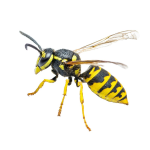
Nests inside a structure or where people pass, the ones the City says especially call for a licensed professional.

Carpenter ants and European fire ants; the City’s 2026 report says it will check whether fire ants remain a priority.
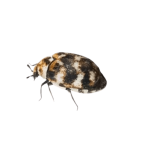
Indoor beetles, plus chafer grubs, where the City says Bylaw 8514 allows no insecticide on chafer.
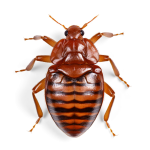
Our K9 teams detect first, then we treat, in houses, stratas and rental suites.
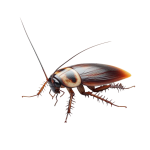
German cockroaches in commercial kitchens, food plants and warm, damp apartments.
For homes
Single-family and laneway homes
30.1% of Richmond’s homes are single-detached (2021 Census).
19.7% of its homes are row houses (2021 Census).
42% of its homes are in apartment buildings (2021 Census).
A written report with photos, whichever side of the sale you’re on.
Rodent abatement for demolition
The City wants a rodent declaration no more than two weeks before a demolition permit.
For buildings and businesses
Scheduled visits for restaurant kitchens across the city.
The City’s economic development office says many food processing companies have chosen Richmond.
Strata and apartment buildings
The City tells strata councils it’s on them to make sure contractors follow its pesticide bylaw.
Retail stores and shopping centres
Regular visits for ants, wasps and rodents at retail strips and malls.
Richmond Pest Control Questions
Answers for Richmond homeowners, renters, stratas, builders and businesses.
Prefer to talk?
604-771-0404Who do I call about rats in Richmond?
For treatment, a pest control company: see rodent control. The City took over general rodent work from Vancouver Coastal Health in 2021, and its 24-hour rodent line, 604-276-4316, takes questions and complaints. Its 2022 report describes free exterior assessments with advice on private property, not treatment, and its 2026 summary doesn’t list them, so ask the line what’s on offer. A rodent problem at a restaurant or grocery store goes to Vancouver Coastal Health’s Richmond office at 604-233-3147. Keeping rodents out is the property’s side of it: if an order under Bylaw 6989 is ignored, the City can do the work and bill the owner.
Are rats worse in Richmond than in other cities?
No public agency publishes that comparison, as far as we could find; the “rattiest city” rankings in the news are a pest company’s own. City staff called 2021’s rodent enquiries well distributed across Richmond, apart from the central-east, which they thought was likely down to its farmland, and said the numbers matched Vancouver Coastal Health’s past years. They also noted a high number of complaints after building demolitions, which displace rodents, and the City’s newest figures count 72 community enquiries in 2025, down from 93. So the useful question is what’s around your own building: stored material, open food waste, bird feeders, and openings over 6 mm, the size the City says to seal.
Can a pest control company use rat poison in Richmond?
Yes, within B.C.’s limits. The City’s rodenticide ban applied to City-owned property, not private land; its page gives an end date of March 28, 2024, and we found no later decision. B.C. limits second-generation anticoagulants to essential service locations, such as farms and food retail, and only after practical alternatives have failed. They’re no longer allowed at homes, offices or retail shops that aren’t essential services, though the Province says companies can still offer trapping or other baits within an integrated approach, with rodenticide as a last resort.
Do you remove raccoons in Richmond?
Yes, on private property: see wildlife control. The City sends raccoons, skunks, squirrels and possums to a private pest control company. Its raccoon sheet says they may seek out dry, quiet, dark cavities in structures, and that the entry should be sealed once the den is vacant, which we quote as exclusion work. The Province says poisoning them is an offence and that a landowner needs no permit to trap raccoons damaging their property, though municipal bylaws may still apply.
What’s digging up my lawn in Richmond?
Often crows, skunks or raccoons after European chafer grubs. The City says the major damage comes from animals digging for the grubs, that Bylaw 8514 allows no insecticide on chafer, and that nematodes work best from mid to the end of July, when the larvae are small. Japanese beetle is a separate matter: no part of Richmond is in the CFIA’s regulated areas effective June 1, 2026, and its detection table shows one Richmond beetle, in 2022. We treat chafer too; ask the office about your lawn.
Does Richmond’s pesticide bylaw apply inside my home?
No. Pesticide Use Control Bylaw 8514 bars pesticides for maintaining outdoor plants and turf on private residential and City land. It doesn’t reach buildings or the inside of buildings, pests that affect agriculture, or pests that transmit disease to people or animals. The City grants no infestation permits, and says residents and strata councils must make sure their contractors follow it. Indoors, the Province’s rule is notice: at least 72 hours before using a pesticide in an occupied home, a licensee must give a treatment notice. To get ready, use the preparation sheets.
How much does pest control cost in Richmond?
An inspection by us costs $150 + GST at a house and $125 + GST at a condo, apartment or townhouse. Commercial site inspections are free, and so are estimates over the phone. An attic or crawl space adds $50, waived if you book the service the same day. Our three-visit rodent program runs $495–$650 + GST for a house and $395–$495 + GST for a condo. Cockroach gel baiting, dusting and monitoring is $250–$350 + GST, and K9 bed bug detection for one unit is $195–$275 + GST. An exterminator’s final price depends on the pest and the building, so ask for the estimate first.
Who deals with bed bugs in a Richmond rental?
Usually the landlord. Insects such as bed bugs are generally the landlord’s to control, the Residential Tenancy Branch says, and Vancouver Coastal Health says landlords must hire a licensed operator to apply pesticides in rental suites. Rodents are less clear: the Branch points to municipal standards, and Richmond’s rental standards bylaw doesn’t name pests. For the treatment, see bed bug control; our K9 teams do the detection first.
Do I need a rodent declaration to demolish or move a house in Richmond?
Yes. Bulletin BUILDING-55, headed for demolition and house moves, asks for a Rodent Abatement and Control Declaration or a summary report from a licensed pest control company, submitted no more than two weeks before the demolition permit is issued. Form PL-56 asks for a B.C. structural pesticide licence number and a City of Richmond business licence number, with an optional line for a Metro West inter-municipal licence. The City’s reason is that demolishing an infested house can cause a local spike in rodent conflicts; it reports reviewing 137 demolition sites in 2025, with about 70% needing no control. Building Approvals is at 604-276-4118. What our visits involve is on our rodent abatement for demolition page.
Get a Free Estimate in Richmond
Tell us your neighbourhood and send a few photos, and the office will call you back about the job.
- Office and Service Hours
- Monday to Friday, 9 AM to 5 PM: calls, estimates and call-backs.
- Commercial
- Open 24/7 for pre-arranged commercial services: evening, night and weekend visits when booked ahead.
Free estimate request

Book a Richmond Inspection
Send the address and what you’ve seen, and we’ll plan around it.
Estimates over the phone are free, Monday to Friday, 9 AM to 5 PM. Open 24/7 for pre-arranged commercial services.