
To get rid of bed bugs, first confirm them by finding the bugs or their physical signs, then contain them by bagging and treating bedding and clothing in place, and treat the infestation with a plan that combines heat, vacuuming and steam on what you can reach with professional treatment for the rest. Keep monitoring for several weeks afterward. Laundry and vacuuming reduce bed bugs on individual items, but they rarely end an infestation hiding in bed frames, furniture and wall gaps on their own.
Most established infestations need a licensed professional, usually with more than one visit. If you are already at that point, our page on bed bug control in Vancouver explains how that service works. The rest of this guide covers what you can do at home before, during and after treatment.
On this page8 sections
Confirm a Bed Bug Infestation
Bites alone cannot confirm bed bugs. Other insects, skin conditions and allergic reactions cause similar marks, some people do not react at all, and bed bug bites can take days to appear. Confirmation comes from physical evidence:
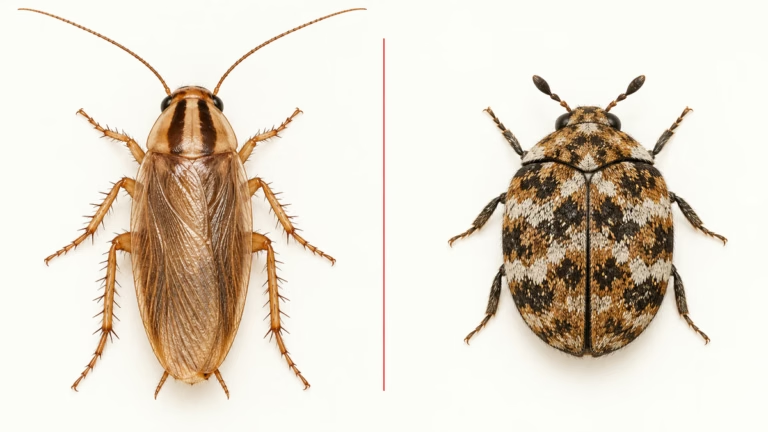
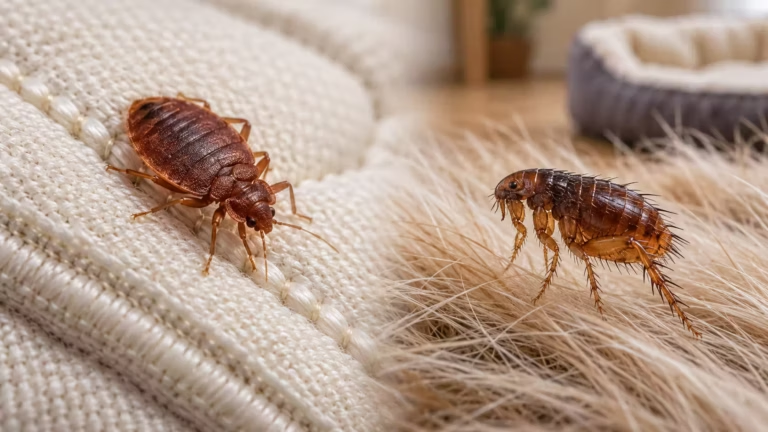
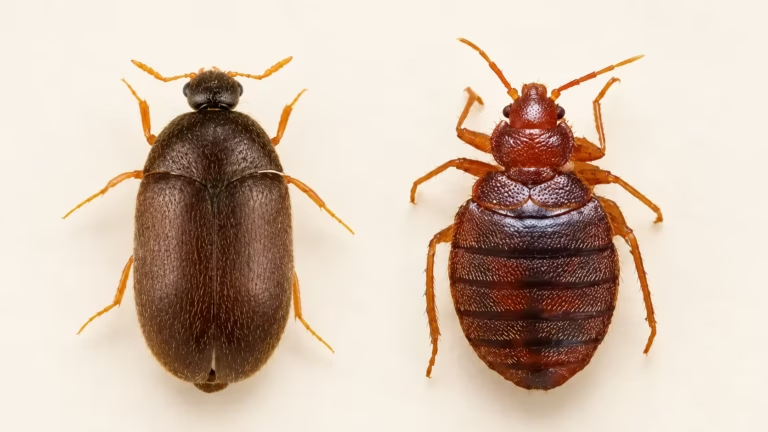
- Live bugs: adults are flat, oval, wingless and brown, up to about the size of an apple seed; young ones are smaller and paler.
- Small dark spots like ink dots on mattress seams, sheets or the bed frame.
- Pale shed skins and tiny white eggs or egg shells in seams, crevices and screw holes.
- Rust coloured smears on bedding where a bug was crushed.
Start at the bed, where most bed bugs hide: mattress seams and tags, the box spring, the frame and the headboard, then nearby nightstands, upholstered chairs and baseboards. A flashlight and an old card slid into cracks help. If you find something but are not sure what it is, keep it in a sealed bag or on clear tape for identification, and have a professional confirm it before you start treatment. Our guide to the signs of bed bugs covers what to look for in more detail.
Contain Bed Bugs Before Treatment
The aim of containment is to keep bed bugs where they are while they are dealt with. The most common mistake is moving belongings around, which carries bugs into rooms that were clean.
- Bag bedding, clothing and fabric items in the room where they are, in sealed plastic bags, and carry them straight to the washer or dryer.
- After they have been treated, store clean items in new sealed bags or bins with tight lids so they are not reinfested.
- Do not move furniture, mattresses or unsealed belongings to another room, a storage unit or someone else’s home.
- Reduce clutter around the bed and on the floor so there are fewer places to hide and treatment can reach.
- If you rent or live in a multi unit building, tell your landlord or building manager early, since neighbouring units may need inspection too.
If you are worried about bugs on clothing you wear or carry, our article on whether bed bugs can live in clothes covers how to handle it.
Bed Bug Treatment at Home
What you can do at home works on the items and surfaces you can reach. That reduces the number of bed bugs and supports professional treatment, but it is not the same as treating the whole infestation, which often extends into bed frames, furniture joints, outlets and wall gaps. Use the methods below together and repeat them, rather than relying on one.
Dryer Heat for Bedding
Heat in a clothes dryer is the most dependable home method for bedding and clothing. HealthLinkBC’s bed bug guidance advises washing bedding, clothing and curtains in hot water and drying them on the hottest setting, and putting dry items that cannot be washed, including many dry clean only items, in a hot dryer for 30 minutes or more. Washing alone is not reliable for every life stage, so the dryer step matters.
Do not overload the dryer, since a packed drum may not heat everything evenly, and check the care label first: some fabrics, shoes and delicate items cannot take high heat. Items that cannot go in a dryer can be steamed, discussed below, or handled by a professional.
Vacuuming and Steam Cleaning
Vacuuming removes bugs and eggs you can reach, but one pass rarely gets them all, and it does not kill what stays behind in cracks. Use a crevice tool along mattress seams, the bed frame, baseboards and furniture joints, and a stiff brush on seams to loosen eggs. Afterward, seal the vacuum bag or the contents of a bagless canister in a plastic bag and put it in an outdoor garbage bin with a lid, then wash the canister and attachments in hot soapy water. Repeat often while treatment continues.
Steam can kill bed bugs and eggs on contact on items that cannot be washed, such as mattress seams and upholstered furniture. HealthLinkBC notes that bed bugs die at 50°C and that household steamers usually produce steam at 100°C or more. Use a dry or low vapour steamer, move slowly so the heat penetrates, and avoid soaking fabric, which can lead to mould. Use a nozzle cloth or diffuser rather than a strong jet, which can scatter bugs instead of killing them. Keep steam away from outlets, electronics and wiring, and avoid surfaces that heat or moisture can damage. Steam only kills the bugs it actually reaches.
Mattress Encasements and Bed Isolation
Zippered encasements made for bed bugs fit over the mattress and box spring. Bugs already inside cannot get out and eventually die, and the smooth surface makes new activity easier to spot. Check them regularly for tears, which let bugs in and out.
Bed isolation adds to that. Pull the bed a little away from the wall, keep bedding from touching the floor, and place interceptor cups under each bed leg. Interceptors catch bugs climbing up or down and are one of the better ways to monitor activity, but neither encasements nor interceptors will eliminate an infestation hiding elsewhere in the room on their own.
Bed Bug Treatment Mistakes
Some of the most common responses to bed bugs make the problem harder to solve or put the household at risk. Avoiding these is as important as anything you do.
Foggers and Unproven Home Remedies
Total release foggers, often called bug bombs, do not reach the cracks where bed bugs hide, and University of California pest management guidance describes them as ineffective against bed bugs and potentially harmful to residents. Home remedies such as essential oils, diatomaceous earth spread on beds, or baking soda have no good evidence of ending an infestation.
Do not use rubbing alcohol, gasoline or other flammable liquids on beds or furniture; they create a serious fire risk. Do not try to heat a room yourself with space heaters, ovens or other improvised equipment either. Whole room heat treatment is a professional service using specialised equipment and temperature monitoring, which is very different from putting bedding in a dryer. Ozone generators are not approved for bed bugs in Canada and can irritate the lungs.
Unsafe Pesticide Use
If you use a pesticide, it must be registered in Canada for bed bugs, which you can confirm by the PCP number on the label, and you must follow the label exactly: which pest, which surfaces and which rooms. Health Canada and HealthLinkBC advise never applying pesticide to people, pets or bedding unless the label specifically allows it, never using it on cribs, playpens or toys, and never making homemade mixtures. A product labelled for bed frames is not for mattresses. Outdoor products are not for indoor use. Repeated over the counter spraying can also scatter bugs into other rooms and make professional treatment harder, which is one reason qualified professionals are recommended.
When to Call an Exterminator
Call a licensed pest management professional when you have confirmed bed bugs beyond a single item, when bugs keep appearing after several weeks of home measures, when the infestation is in more than one room or in a multi unit building, or when you cannot safely prepare the space yourself. Professional treatment can include targeted products, heat, or both, and most cases need more than one visit.
Before booking, ask the company what preparation it needs from you, how many visits and follow up inspections are planned, how long people and pets need to stay out after each visit, and when you can return belongings to their places. Follow their written instructions rather than general advice. Our preparation and aftercare sheets show what that preparation typically involves for our own treatments.
Monitoring After Bed Bug Treatment
Finishing a treatment is not the same as confirming the bed bugs are gone. Eggs can hatch after a visit, and bugs hidden in untreated spots can return, so keep checking for several weeks after the last treatment, and expect a follow up visit if new activity turns up.
Check interceptor cups and encasements regularly, look at mattress seams and the bed frame for live bugs and fresh spots, and keep vacuuming the areas that were infested. Itching or old marks on your skin are not proof treatment failed, since bites can take a week or two to heal and new bites are hard to tell from old ones. Live bugs or fresh evidence are what matter. To avoid bringing bed bugs back in, inspect second hand furniture before bringing it home, check hotel rooms and keep luggage off the bed and floor when travelling, and put travel clothes through the dryer when you get home.
Conclusion
Getting rid of bed bugs depends on four steps working together: confirming them with physical evidence, containing them so they do not spread, treating both the items you can reach and the places you cannot, and monitoring until activity has clearly stopped. Home methods help a great deal, but most established infestations need professional treatment and follow up. If you are dealing with bed bugs at home, Phantom Pest Control provides pest control in Vancouver and across the Lower Mainland, starting with confirming what you have and where it is.
FAQs
These are the questions people ask most often while dealing with bed bugs.
How Long Does Bed Bug Treatment Take?
There is no single timeline. It depends on how established the infestation is, how many rooms are involved, how cluttered the space is, the treatment method and how well preparation is done. Many cases need two or more visits spaced apart to catch bugs that hatch after the first one, then weeks of monitoring before you can be reasonably confident they are gone. Your pest control provider should tell you the plan for your situation.
Should You Throw Away Your Mattress?
Usually not. Most mattresses can be treated and then sealed in an encasement, which traps any remaining bugs. Disposal may make sense when a mattress is torn, heavily infested or otherwise in poor condition. If you do throw one out, wrap it fully in plastic in the room before moving it, label it as infested with bed bugs, damage it so nobody takes it home, and take it to disposal rather than leaving it at the curb. Replacing it before the room is treated usually means the new one gets infested too.
Can You Sleep in Your Bed During Treatment?
It depends on the products used and your provider’s instructions. Right after a treatment visit, follow the re entry time on the product label and in your provider’s written instructions before you go back into the room. Between visits, most people are advised to keep sleeping in their own bed, ideally with an encasement and interceptors in place, because moving to a couch or another bedroom can spread bed bugs to new areas. If you are unsure, ask your provider what applies to your home.