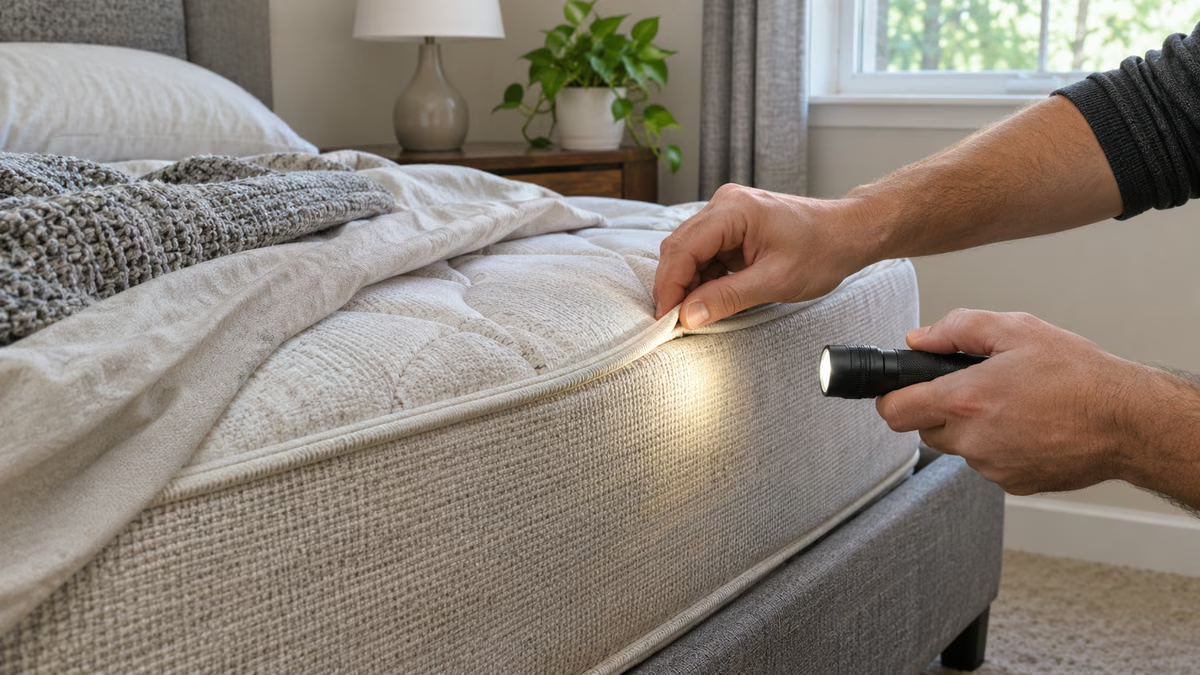
Bed bugs can survive for months without a blood meal, but there is no single survival time that applies to every insect or home. Previously fed adults generally withstand hunger better than newly hatched nymphs, and cooler conditions can extend survival. Temperature, humidity and feeding history all affect the outcome. A survival estimate therefore cannot tell you when a vacant room or stored possession is safe to use.
The practical question is whether any live bed bugs remain, not simply how much time has passed. Phantom Pest Control’s bed bug inspection and treatment service addresses that question through assessment and a treatment plan suited to the property.
On this page7 sections
Survival by Life Stage
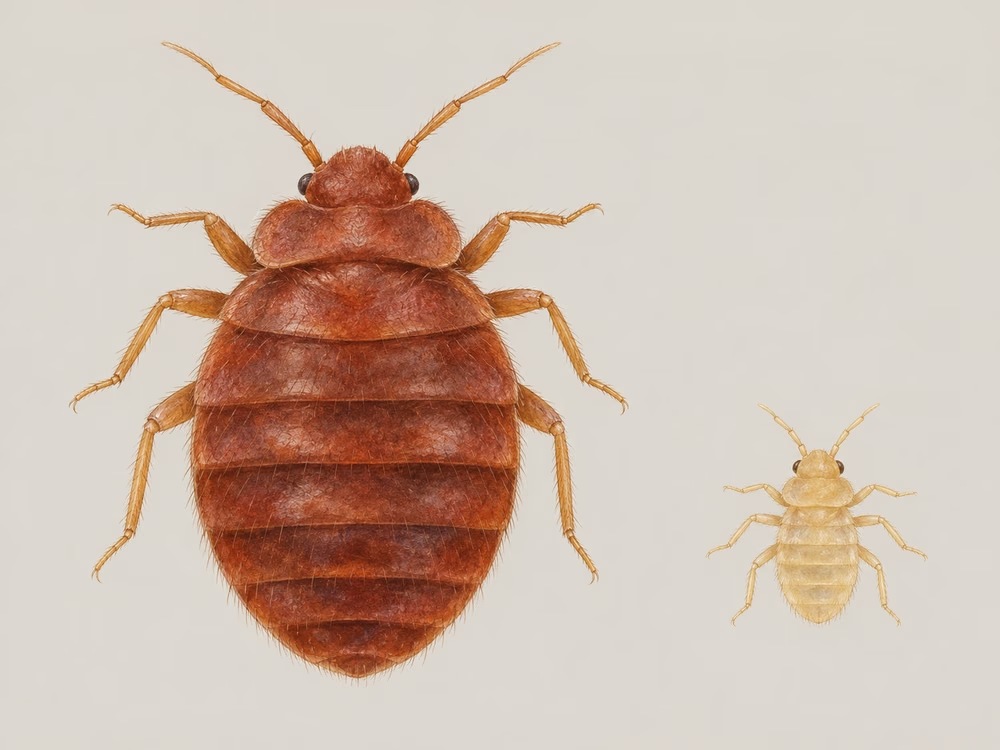
A nymph is an immature bed bug. It passes through five growth stages before becoming an adult, taking a blood meal before each moult, when it sheds its outer covering. Adults have already completed that development. Eggs are different again: they do not feed at all.
Adult Bed Bugs
In a 2011 study of starvation survival, researchers tested four populations of the common bed bug, Cimex lectularius. At 26.1 to 26.5°C and about 69% relative humidity, adult group averages ranged from roughly 43 to 99 days across populations and sexes. These were averages, not maximum lifespans or clearance deadlines.
The adults entered the experiment shortly after their final moult. They had fed during the preceding nymphal stage but received no further blood meals during testing. That feeding history matters when comparing them with insects collected from a home.
An adult can remain alive without producing more bed bugs. Females need blood to produce eggs, and continued egg production requires further meals. Even if hunger slows or stops reproduction, the insects already present still need to be addressed. Finding no new eggs would not, by itself, establish that the adults have died.
Newly Hatched Nymphs
Newly hatched nymphs have never taken a blood meal. In the 2011 experiment at roughly 26°C and 69% relative humidity, their average survival ranged from about 14 to 36 days across the four populations. They were the most vulnerable stage tested. Those results do not establish a universal one-month limit for young bed bugs.
A first stage nymph also loses water more readily than an adult. Blood supplies both nourishment and fluid, so missing its first meal presents more than an energy problem.
Without feeding, the nymph cannot moult into its next stage. It may remain alive while development is stalled. This is why an estimate for how quickly bed bugs grow cannot double as an estimate for how quickly an infestation disappears. Older nymphs have already fed during earlier stages and should not automatically be assigned the same survival time as hatchlings.
Conditions That Affect Survival
Temperature and Humidity
Bed bugs’ body processes depend on the temperature around them. Within tolerable conditions, cooler temperatures slow metabolism, meaning they use stored energy more slowly. Growth and activity can also slow. A cool room may therefore preserve hungry insects longer rather than remove them.
Humidity affects water loss. In drier air, bed bugs lose moisture faster; more humid surroundings can reduce that loss. Research on the common bed bug also shows that resting quietly and clustering together help conserve water. Newly hatched nymphs are especially vulnerable to drying.
These relationships explain variation in survival, but they do not provide a household treatment recipe. Turning down the thermostat does not establish lethal conditions in mattress seams, furniture joints or wall gaps. Nor does an ordinary room dehumidifier demonstrate that every concealed insect has dried out.
Professional temperature treatments depend on controlled exposure reaching the insects wherever they are hiding. A room that feels unusually warm or cold to a person is not evidence that such exposure has occurred.
Laboratory Results Versus Real Homes
A controlled starvation experiment has a defined starting point. Researchers know which stage they are testing and can prevent another meal. In a home, the date you discover bed bugs rarely tells you when each insect last fed. Some may have fed recently, while others have been waiting longer.
Conditions also differ across the property. A thermostat measures one location, not every sheltered gap. Hidden insects may experience different temperatures and airflow, and access to a sleeping person or animal can interrupt starvation.
This helps explain conflicting claims online. A short average measured in warm conditions and an exceptional survival record from a cool laboratory are answering different questions. Combining them into a broad household range makes the figures look more interchangeable than they are.
Before relying on a figure, check whether it describes a group average, a last survivor, development time or a lifespan with regular feeding. Each measures something different. Even a carefully conducted study cannot establish what remains behind your headboard or inside your packed belongings. That requires inspection and monitoring of the places in question.
Bed Bugs in Empty Homes

Leaving a property empty removes its usual human hosts, but it does not reliably eliminate bed bugs within a fixed interval. Insects can remain concealed while the rooms look clean and undisturbed.
A 2015 field study followed the common bed bug in a vacant apartment. Older nymphs and adults were still being captured when observation ended at 155 days. The apartment averaged 23°C, with recorded temperatures ranging from 18 to 41°C. This was a fluctuating field environment, not the controlled conditions of the starvation experiment above.
That result documents persistence in one setting. It is not a recommended vacancy period, an average for all homes or the maximum possible survival time. The resident insects’ earlier feeding histories were not individually established.
Consider a rental suite left empty between tenants. Even after the bed has been removed, insects may remain in baseboards, furniture joints or wall gaps. Before the next move in, review the infestation history, inspection findings, treatment completed and follow-up arrangements.
A vacant suite also cannot provide a meaningful record of nights without bites: nobody is sleeping there to notice them. Record what inspections and monitoring actually find, including dates and locations, rather than describing the vacancy itself as evidence of clearance.
Movement between apartments is possible, but vacancy does not make it inevitable. The field study observed different movement patterns in different vacant units. Managers should coordinate assessment where findings warrant it, rather than assuming either that insects have stayed put or that every neighbouring suite is infested. Phantom’s property management pest control services include building inspections and coordinated work across affected units.
Starving Bed Bugs in Sealed Belongings
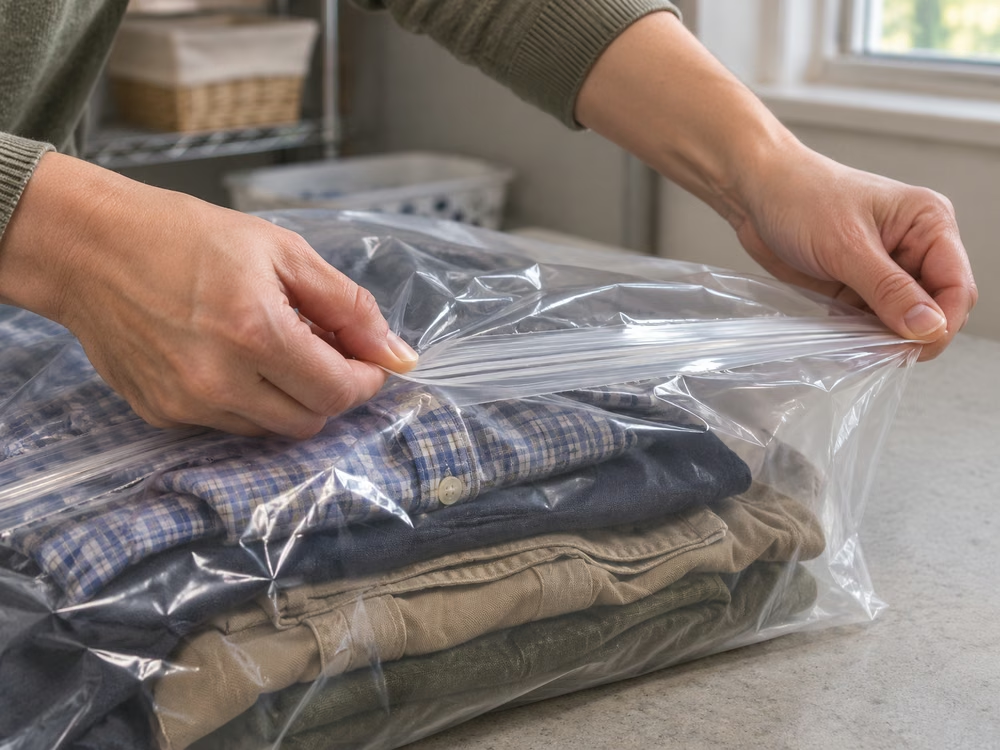
A properly closed bag can contain bed bugs and reduce the chance of moving them elsewhere. Putting it away and reopening it a few weeks later, however, leaves an unanswered question: is anything inside still alive? Containment controls where the insects can go; it does not establish that they have been killed.
An ordinary sealed storage bag should not be described as an instant suffocation method. Closing a zipper does not establish a lethal atmosphere inside the bag. If insects remain alive, opening it later can release them.
Long isolation can eventually kill insects denied access to blood, but a dependable plan needs more than a date on a calendar. The closure must prevent escape, the bag must remain intact and its storage conditions matter. Advice for a purpose designed mattress encasement should not automatically become a storage deadline for a bag of clothing, books or electronics.
There is no universal storage duration recommended here. A short laboratory average is particularly unsuitable: an average does not cover the longest lived insect, and the contents may include different stages and feeding histories.
For belongings awaiting assessment or treatment:
- Use intact bags or containers with secure closures, and check for tears or gaps.
- Keep potentially infested items separate from belongings that have completed their recommended treatment.
- Contain suspect items before moving them, and arrange where they will be opened or treated.
- Ask for a method suited to the material, particularly for delicate fabrics, books and electronics.
A bag labelled with its contents and treatment status is easier to manage than several identical bags with uncertain histories. The label records what has happened; it does not certify that the contents are clear.
When treatment is arranged, follow the technician’s current instructions. Phantom’s bed bug preparation and aftercare sheets explain its requirements for handling belongings around a service visit. Discuss anything that cannot tolerate the proposed process before opening or moving it. Disposal is not the default response to a suspect possession.
When to Seek Professional Bed Bug Help
Arrange an assessment when a specimen is confirmed as a bed bug, physical signs continue to appear, activity returns after treatment or you cannot establish how stored belongings should be handled. You do not need to wait for insects to become easy to find throughout a room.
Bites alone cannot identify bed bugs. Other insects and skin conditions can cause similar marks, and some people do not react to bed bug feeding. Phantom’s guide to physical signs of bed bugs explains what to investigate beyond skin reactions.
Record where and when you find insects or suspicious evidence. A clear photograph and, where possible, a safely contained specimen can support identification. Tell the technician about previous treatment, recent moves and any belongings already sealed away. Tenants should also notify their landlord so assessment and access can be coordinated.
Phantom Pest Control serves homes and managed properties across the Lower Mainland and Fraser Valley. Its published bed bug service includes inspection, treatment and follow-up, and it requires K9 bed bug detection before treatment. Before work begins, clarify how activity will be monitored and what will trigger further checks. A single visit with no insects found should not be presented as a guarantee.
Conclusion
Survival research explains why bed bugs can remain after people leave or belongings are packed away. It cannot certify a room or possession by elapsed time alone. Keep suspect items contained, establish what is present and use treatment with follow-up evidence to judge progress.
For help assessing a suspected infestation in the Lower Mainland or Fraser Valley, contact Phantom Pest Control to discuss the property and any stored belongings.
Frequently Asked Questions
1. Can bed bug eggs hatch without a blood meal?
Yes. An egg does not feed; the developing insect uses resources supplied within it. The female needed blood to produce eggs, and continued egg production requires further feeding. Once an egg has been laid, removing access to a host does not automatically prevent it from hatching. The newly hatched nymph must then obtain its own blood meal before it can moult and continue developing.
2. Can bed bugs survive on pet blood?
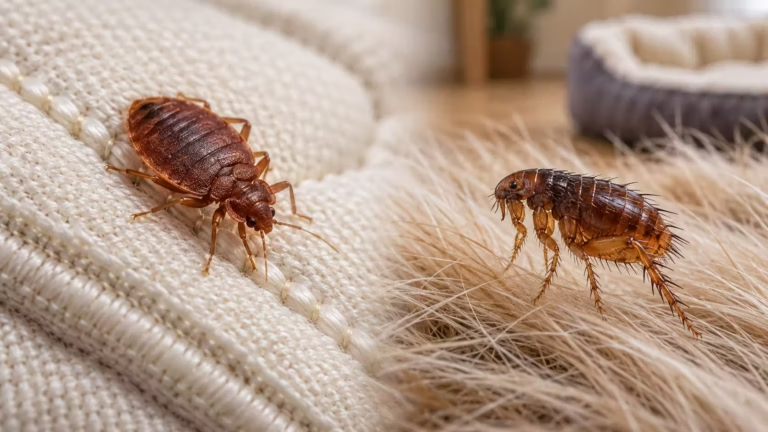
Yes. Bed bugs can feed on pets, although humans are their usual hosts in homes. Leaving animals in a property therefore cannot be assumed to deprive every bed bug of blood. Bed bugs generally hide in the surroundings between meals rather than living in a pet’s fur like fleas. Include pet resting areas in the assessment, and ask a veterinarian about persistent skin irritation. Do not apply household bed bug products to animals.
3. Does a month without bites mean bed bugs are gone?
No. A month without noticed bites is encouraging, but it cannot independently prove elimination. Some people show no visible reaction, and concealed insects may survive without feeding. Progress is better assessed through repeated inspections, records of any new physical evidence and suitable monitoring devices, such as interceptors beneath appropriate bed legs. Old stains and shed skins need context because they can remain after treatment. Agree on follow-up with the pest professional; there is no guaranteed clearance interval based only on the absence of bites.