To get rid of termites in Vancouver, first confirm what you have, since carpenter ants and wood decay are often mistaken for termites. Then find the moisture problem and the extent of the damage, and choose a treatment that fits the species. Around Vancouver, the termite homeowners most often find is the Pacific dampwood termite, which lives in wet or decaying wood; fixing the moisture and replacing the infested wood is the core of the solution. Subterranean termites also occur on BC’s south coast and need a different, professional approach.
Yes, there are termites in Vancouver and the rest of BC, but they are a different problem from the termites in much of the United States. If you have already found activity and want it inspected, our page on termite control in Vancouver explains how that service works. This guide covers what to do first and how treatment decisions are made.
On this page7 sections
First Steps After Finding Termites
Finding termites, or something that looks like them, is rarely an emergency that needs action the same day. What you do first matters more than how fast you do it.
- Take clear photos of the insects, any wings, droppings and damaged wood, with something in the frame for scale.
- If you can, collect a few insects in a sealed container or on clear tape for identification.
- Note where you found them and whether the wood there is wet, soft or stained.
- Do not spray, break open galleries, pull off siding or cut into framing. Disturbing the area makes identification harder and can damage the structure.
- Have the insects identified by a pest professional before any treatment is chosen.
Identifying Termites in Vancouver
According to the University of British Columbia’s E Fauna BC, BC has a small number of termite species. The Pacific dampwood termite is common on the coast. The western subterranean termite, the province’s only subterranean species, lives mostly on the south coast and in the dry interior. A third native species, the dark dampwood termite, also occurs in southern BC. These species are not equally likely to turn up in a Vancouver home, and only a close look at the insect or its damage tells you which one you have.
Pacific Dampwood Termites
Pacific dampwood termites are the largest termites in the Pacific Northwest. Winged reproductives can be more than 2.5 cm long including the wings, and they are often seen in late summer and early fall, flying toward lights. As the name suggests, they need wood that stays wet: decaying logs and stumps, wood in contact with soil, and parts of a house where a leaking roof, gutter, deck or plumbing keeps framing damp. They live inside the wood itself rather than in the soil and do not build mud tubes. Their galleries are often clean and smooth, with pellet shaped droppings, and the wood around them is usually soft from decay as well.
Western Subterranean Termites
Western subterranean termites are much smaller. Workers are creamy white and about the size of a grain of rice, while winged reproductives are dark brown to black. Unlike dampwood termites, they nest in the soil and travel to wood, so they can attack wood that is not wet. A key sign is mud tubes, narrow tunnels of soil and debris running up foundation walls, piers or posts. They occur on BC’s south coast, but in the Pacific Northwest they are more common east of the Cascades, so in Vancouver they are less likely to be the cause than dampwood termites or carpenter ants. Confirmed subterranean activity is a job for a licensed professional.
Termites vs. Carpenter Ants
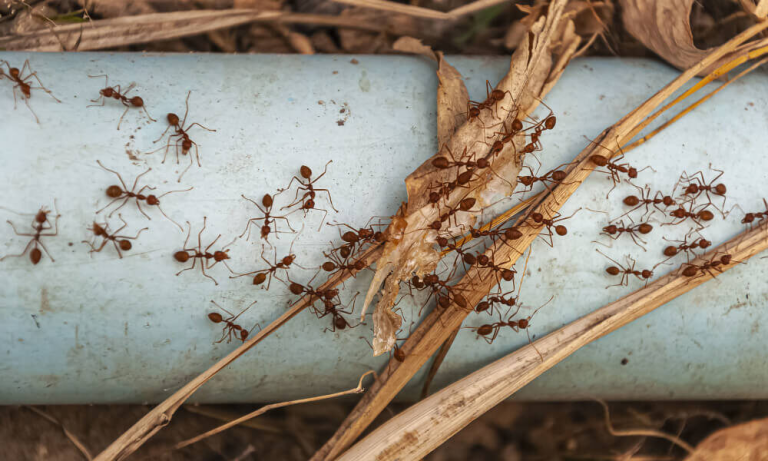
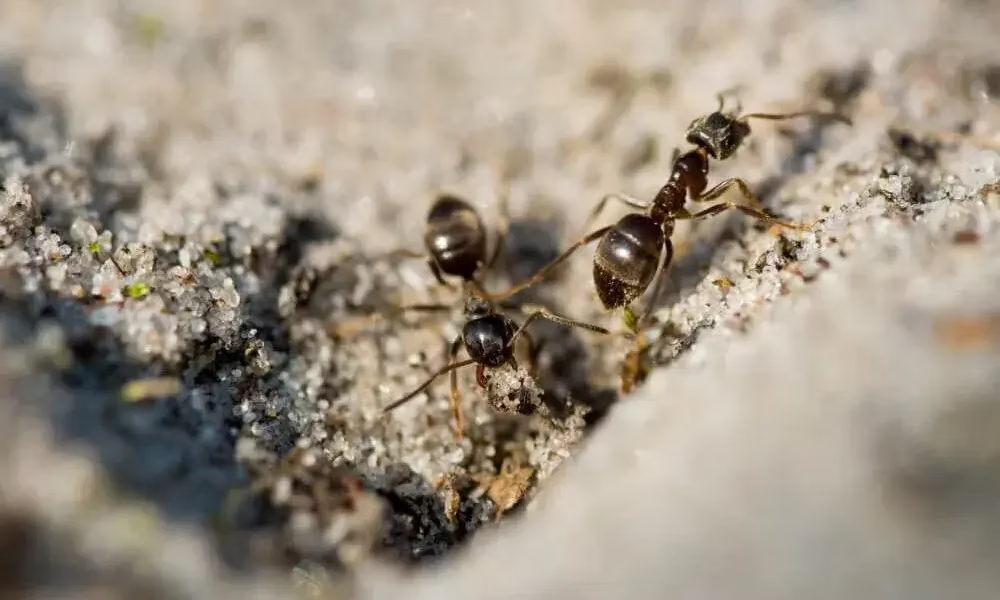
Carpenter ants are a much more common wood pest around Vancouver, and their winged swarmers are easily mistaken for termites. Look closely at the insect:
- Waist: ants have a pinched, narrow waist; termites have a thick waist.
- Antennae: ant antennae are bent like an elbow; termite antennae are straight.
- Wings: ants have shorter back wings than front wings; termite wings are all about the same length.
- Damage: carpenter ants push out coarse sawdust like shavings and do not eat the wood; termite galleries contain droppings or soil and the wood is eaten.
Soft or crumbling wood without insects may simply be rot, and small round holes with fine powder usually point to wood boring beetles. If what you have turns out to be ants, our guide on how to get rid of carpenter ants covers what to do next, and our page on wood boring insect control covers beetles.
Termite Treatment Options
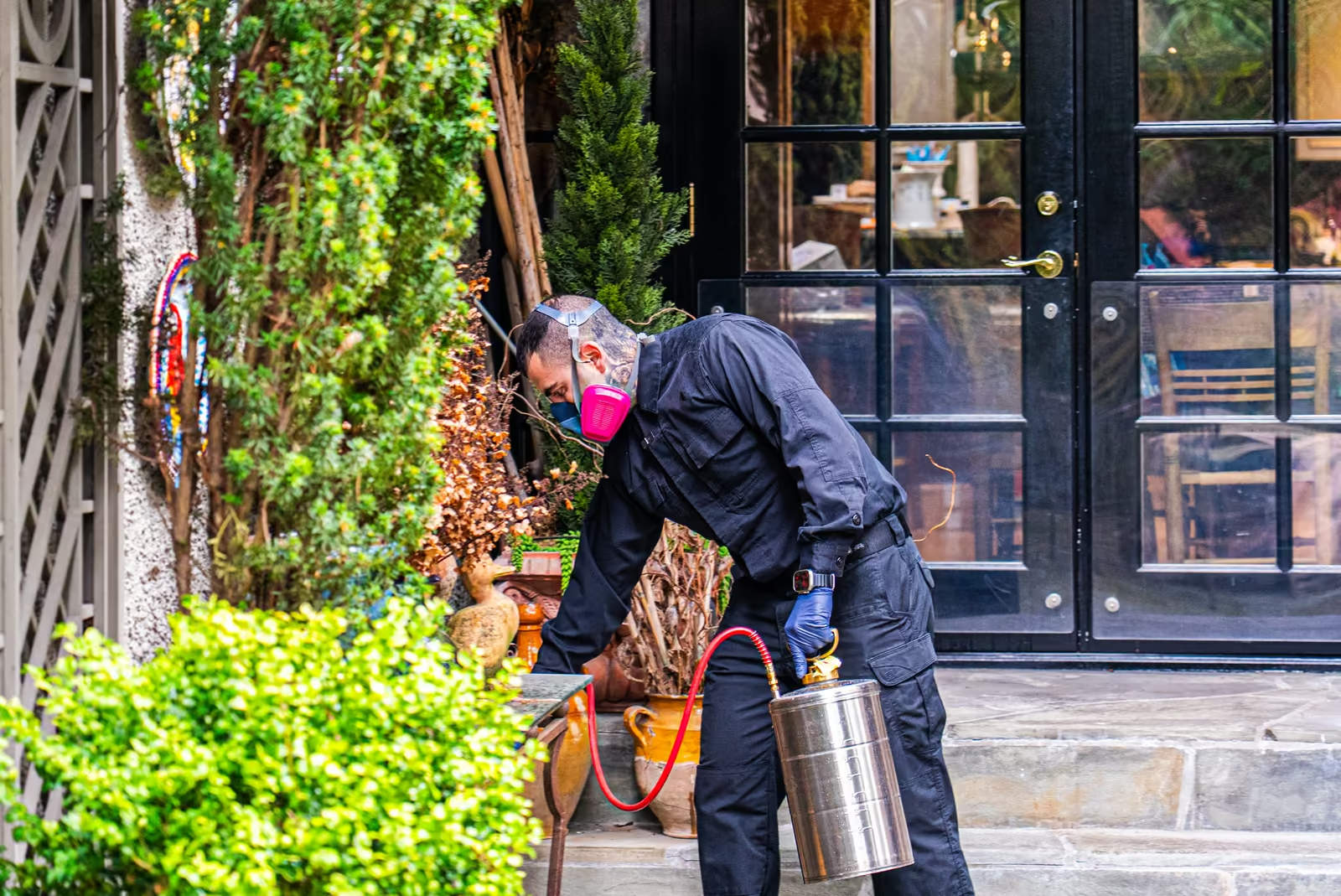
The right treatment depends on the species, so there is no single termite treatment. Dampwood termites are managed mainly by fixing moisture and removing infested wood, while subterranean termites need a professional colony management approach. Moisture repairs help with both but may not resolve every infestation on their own.
Dampwood Termite Moisture Control
Because dampwood termites need wet wood, correcting the moisture is what makes treatment work. The Pacific Northwest Insect Management Handbook advises fixing leaks, improving ventilation, removing infested wood and debris, and replacing structurally unsound wood, and notes that chemical treatment alone will not eliminate dampwood termites. Common sources include leaking roofs and gutters, failed deck flashing, poor grading, wood touching soil and condensation in crawl spaces.
Wood that is damaged or decayed should be assessed before it is removed. Replacing load bearing framing such as sills, joists or posts needs a contractor or engineer, not just pest control.
Professional Subterranean Termite Treatment
Subterranean colonies live in the soil, so treatment targets the colony and the routes into the building rather than just the wood. Depending on the situation, that can include soil treatments or bait systems applied by licensed professionals. Product availability in Canada differs from the United States, so any product used must be registered by Health Canada for that use and applied under its label and BC’s pesticide rules. A good provider explains which approach they recommend for your property, why, and what follow up inspections are included.
Limits of DIY Termite Treatments
Household sprays, foams and home remedies such as orange oil, vinegar or boric acid mixes may kill the termites they touch, but they do not reach a colony inside wood or soil and should not be relied on to eliminate one. Do not drill, inject or treat soil yourself. Some of the most effective termite products in North America are restricted to licensed applicators, and DIY treatment can also make a professional inspection harder. Moisture repairs, removing wood debris and fixing wood to soil contact are the useful things homeowners can do themselves.
Termite Treatment Costs in Vancouver
There is no meaningful single price for termite treatment, because the cost depends on what is found. The main factors are:
- The species, since subterranean colony treatment and dampwood moisture work are very different jobs.
- How much of the building is affected and how easy it is to reach, including crawl spaces and decks.
- The type of property, such as a detached house compared with a townhouse or strata building.
- Follow up inspections and any monitoring included.
- Separate costs for moisture repairs and wood replacement, which are carried out by contractors and are often larger than the pest control cost.
Ask for an itemised quote based on an inspection that separates inspection, treatment, follow up and repair work, and confirm what any warranty actually covers. The termite control page linked above lists current inspection and treatment pricing for our own service.
Preventing Future Termite Infestations
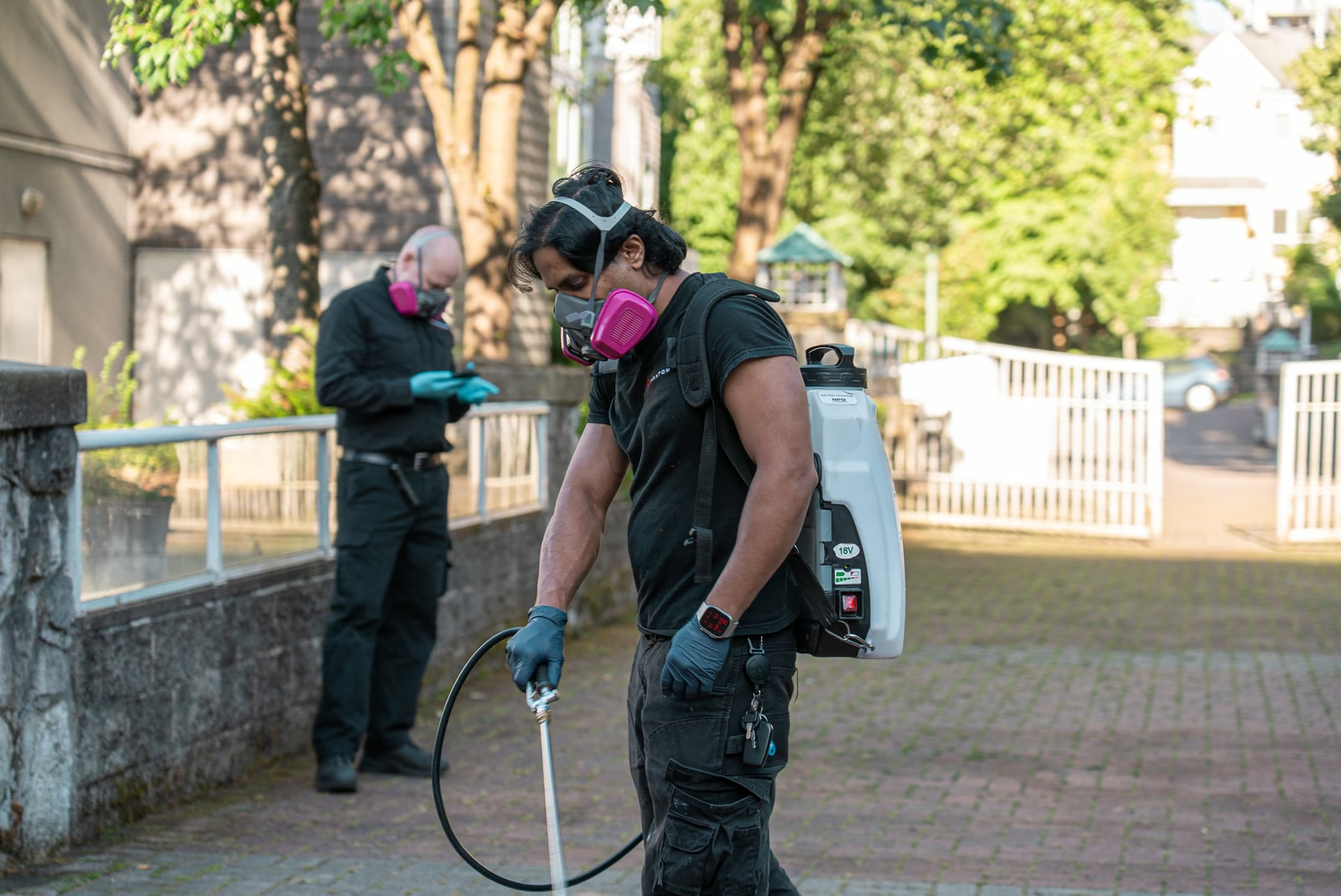
Prevention in Vancouver is mostly about keeping wood dry and away from soil. Keep gutters and downspouts clear and draining away from the house, fix roof, window and plumbing leaks quickly, and keep crawl spaces ventilated. Leave a gap between soil or mulch and siding or wood framing, and use treated or naturally resistant materials where wood has to sit near the ground, such as deck posts. Store firewood off the ground and away from the house, and remove old stumps, scrap lumber and buried wood near the foundation. Check decks, fences and the base of exterior walls every year, especially after a wet winter.
Conclusion
Getting rid of termites in Vancouver starts with confirming what you have. For dampwood termites, fixing the moisture and replacing infested wood is the solution; for subterranean termites, a licensed professional plan is needed. In both cases, structural repairs are a separate job, and follow up inspections matter more than any promise of permanent protection. If you are seeing signs of termites or other wood pests, Phantom Pest Control provides pest control in Vancouver and across the Lower Mainland, starting with identifying what is in the wood and why.
Frequently Asked Questions
These are common questions homeowners ask after spotting termites.
Do Flying Termites Mean My Home Is Infested?
Not necessarily. Dampwood termites swarm from stumps, logs and other outdoor wood and are attracted to lights, so seeing them outside or on a window screen does not mean your house is infested. Swarmers or piles of wings inside the house are different and should be investigated, since they can come from a colony in the structure. Collect a few for identification, because carpenter ant swarmers look similar.
How Long Does Termite Treatment Take?
The appointment itself is usually the short part. The longer part is confirming the treatment worked: moisture repairs and wood replacement can take weeks depending on contractors, and bait or soil programs for subterranean termites rely on follow up inspections over months. Your provider should explain when they will check again and what would count as continued activity.