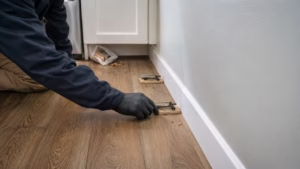
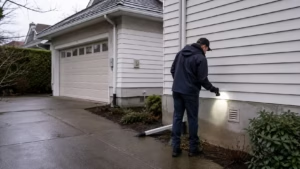
You walk outside expecting to check on your tomatoes, only to find a half-eaten fruit, an empty planter, or several new holes in the soil. Squirrels may be entertaining from a distance, but their digging, chewing, and foraging can quickly become frustrating when you have invested time and care in your garden.
If you are wondering how to keep squirrels away from garden plants, the best solution is not a single spray or backyard trick. Long-term prevention requires a combination of physical barriers, food-source management, and humane deterrents.
The goal is not to harm squirrels or remove all wildlife from your yard. It is to make your vegetables, bulbs, seeds, and fruit more difficult and less rewarding to access.
Why Do Squirrels Enter Gardens?
Squirrels enter gardens primarily because they offer food, water, and safe places to explore. Freshly disturbed soil is especially attractive because squirrels naturally dig to bury food or search for previously stored nuts.
Common garden attractions include:
- Newly planted seeds and bulbs
- Tomatoes, berries, corn, and other produce
- Nuts and fruit from nearby trees
- Birdseed scattered beneath feeders
- Accessible compost
- Outdoor pet food
- Water from fountains or leaking hoses
- Loose, easy-to-dig soil
You may notice shallow holes throughout the garden, damaged seedlings, missing bulbs, bite marks on produce, or small plants pulled from the soil. These signs do not always prove that squirrels are responsible—birds, mice, rats, raccoons, and other animals can cause similar damage.
Before choosing a deterrent, observe the garden for a few days. Note when the damage occurs, what plants are affected, and whether you see squirrels entering from trees, fences, sheds, or overhead wires. Correct identification helps you avoid spending time and money on the wrong solution.
7 Humane Ways to Keep Squirrels Away
1. Install Garden Barriers
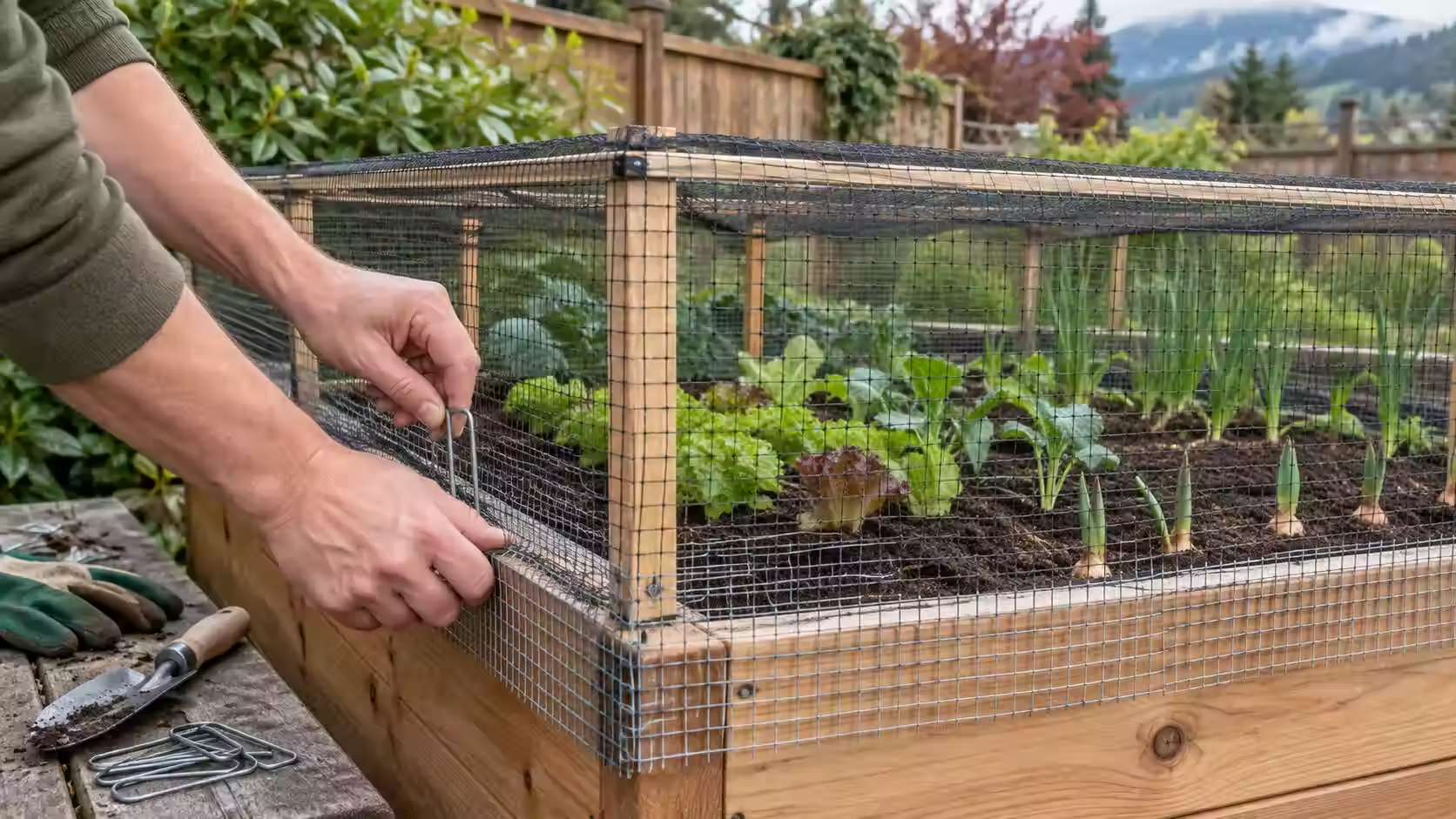
A well-designed physical barrier is usually more reliable than a scent or noise deterrent. For raised beds and small vegetable gardens, consider building a lightweight frame covered with durable garden mesh or galvanized hardware cloth.
The barrier should protect the top and sides of the growing area. Squirrels are skilled climbers, so an open-topped fence may do little more than give them something else to climb.
For the best results:
- Secure the bottom edge so squirrels cannot push underneath it.
- Check corners and door openings for gaps.
- Use a hinged or removable section for watering and harvesting.
- Select openings small enough to prevent squirrels from passing through.
- Inspect the material regularly for loose edges or damage.
The structure does not need to be permanent or unattractive. A simple timber or PVC frame can provide effective seasonal protection while still allowing light, rain, and airflow to reach your plants.
Avoid leaving loose netting on the ground. Poorly installed material can entangle birds and other animals. Barriers should remain tight, visible, and regularly inspected.
2. Cover Plants With Netting
Protective netting is useful for strawberries, blueberries, young seedlings, and other high-value plants. It works best when supported by hoops, stakes, or a frame rather than resting directly on the foliage.
Choose a durable, wildlife-conscious garden netting product and install it before the fruit begins to ripen. Waiting until squirrels have already learned where the food is located can make the habit more difficult to interrupt.
Make sure that you:
- Cover the entire plant or growing area.
- Anchor every edge securely.
- Avoid leaving folds or loose sections.
- Check the netting each day.
- Remove or adjust it as plants grow.
Netting alone may not be enough if birdseed, compost, or fallen fruit continues to attract squirrels to the surrounding area. Treat it as one part of a broader prevention plan.
3. Protect Soil With Wire Mesh
If squirrels keep digging up bulbs, seeds, or newly planted beds, protect the soil surface with galvanized wire mesh or hardware cloth. Lay the material flat over the bed, secure the edges with landscape pins, and cut suitable openings around established plants.
A layer of mulch can help disguise the mesh while keeping the garden attractive. For containers, a fitted piece of mesh placed over the soil can protect roots and bulbs without blocking watering.
When installing wire mesh:
- Make sure sharp edges are folded or covered.
- Leave enough room for plant stems to grow.
- Avoid pressing the material against delicate roots.
- Check it periodically as the plants mature.
- Use rust-resistant material intended for outdoor use.
Freshly disturbed soil often attracts squirrels even when there is no food beneath it. Covering the surface during the first few weeks after planting can significantly reduce exploratory digging.
For more ways to manage vegetation, outdoor storage, climbing routes, and food sources around your yard, read these practical tips for keeping pests out of a shed.
4. Use Natural Squirrel Repellents
Strong smells may make a garden temporarily less appealing to squirrels. Commonly suggested scents include peppermint, garlic, vinegar, and capsaicin-based products. However, scent repellents usually provide inconsistent or short-term results, particularly in Vancouver’s rainy climate.
If you want to use a repellent, choose a product specifically labelled for the intended outdoor application and follow the manufacturer’s directions. Reapplication may be necessary after rain or irrigation.
Remember that “natural” does not automatically mean harmless. Concentrated essential oils, hot pepper mixtures, and strong homemade sprays may irritate eyes and skin or create risks for children and pets. Some mixtures may also damage leaves or affect soil quality.
Before treating an entire garden:
- Read the product label.
- Confirm whether it can be used around edible plants.
- Test it on a small area.
- Keep children and pets away during application.
- Wash harvested produce thoroughly.
Repellents tend to work better when combined with barriers and attractant removal. A strong smell alone is unlikely to stop a hungry squirrel that already knows where to find ripe tomatoes.
5. Add Motion-Activated Sprinklers
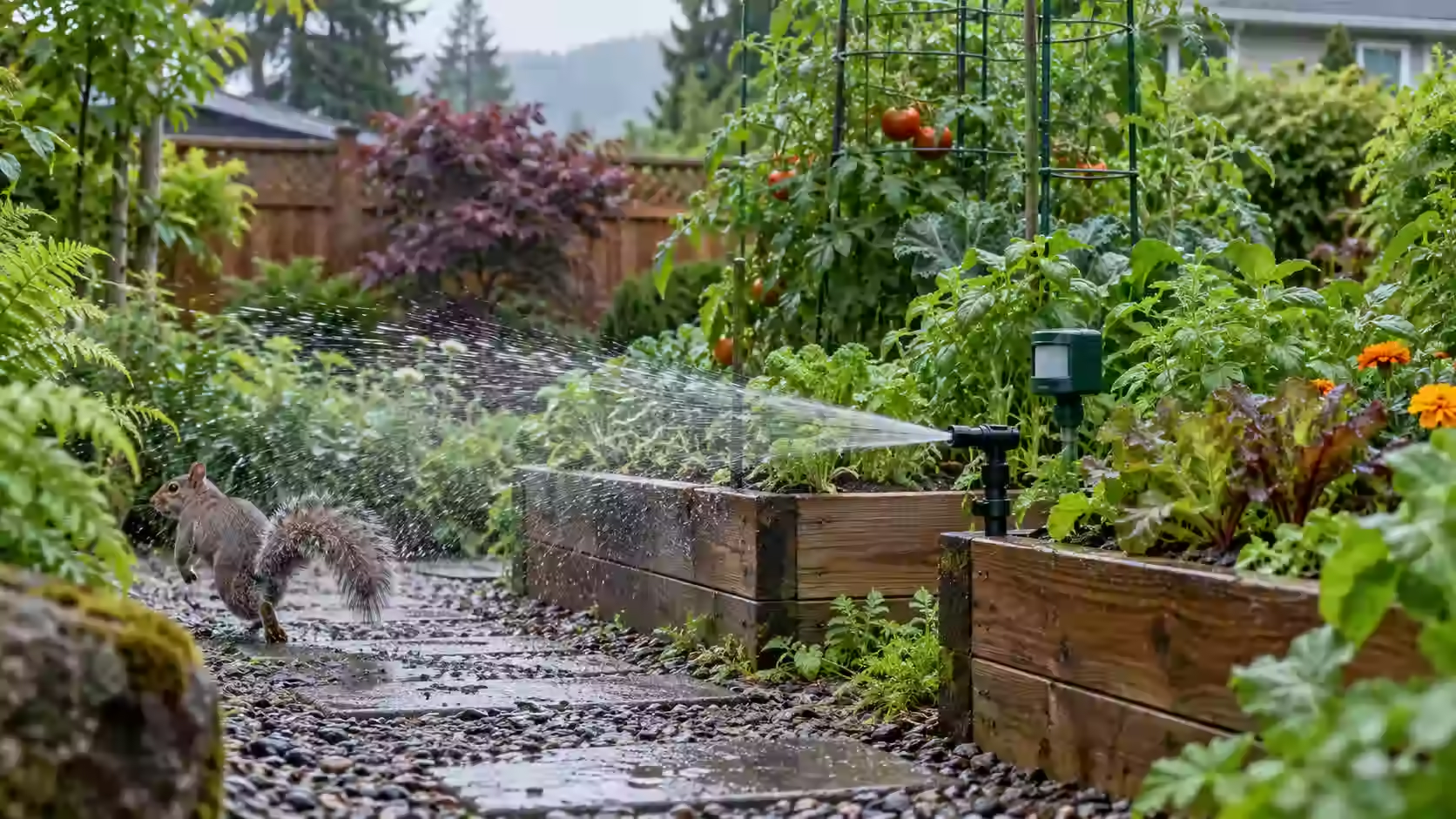
Motion-activated sprinklers detect movement and release a brief burst of water. The sudden movement and sound can interrupt squirrels without trapping or injuring them.
Position the sprinkler so it covers the route squirrels use to enter the garden rather than spraying the entire yard. Adjust the sensitivity to reduce unnecessary activation by wind, falling leaves, or people walking nearby.
Move the device occasionally. Squirrels can become accustomed to a deterrent that always operates from the same position.
Motion sprinklers work best when:
- The sensor has a clear view of the entry route.
- Plants do not block the detection area.
- Water pressure is sufficient.
- The unit is repositioned periodically.
- It is combined with protection around vulnerable plants.
Consider where the water will land as well. Repeated spraying should not create muddy soil, damage delicate seedlings, or soak walkways.
6. Remove Outdoor Food Sources
A garden becomes difficult to protect when the rest of the yard provides an easy meal. Remove or secure the food sources that encourage squirrels to return.
Start with the following steps:
- Pick ripe fruit and vegetables promptly.
- Remove fallen fruit and nuts.
- Clean spilled birdseed.
- Use tightly closed garbage and compost bins.
- Store grass seed, bulbs, and pet food in durable containers.
- Feed pets indoors whenever possible.
- Clean outdoor eating and barbecue areas.
- Repair leaking taps and hoses.
Compost requires particular attention. A secure, well-maintained bin is less attractive than an open pile containing accessible food scraps. Avoid placing meat, grease, or strongly scented cooked food in backyard compost unless your local composting system permits and securely contains it.
Managing these attractions helps with more than squirrels. It can also reduce conditions that draw rodents and other urban wildlife toward the property. Phantom Pest Control’s winter pest-control guide for Vancouver homes provides additional seasonal advice on food storage, vegetation, moisture, and outdoor debris.
7. Use Squirrel-Proof Bird Feeders
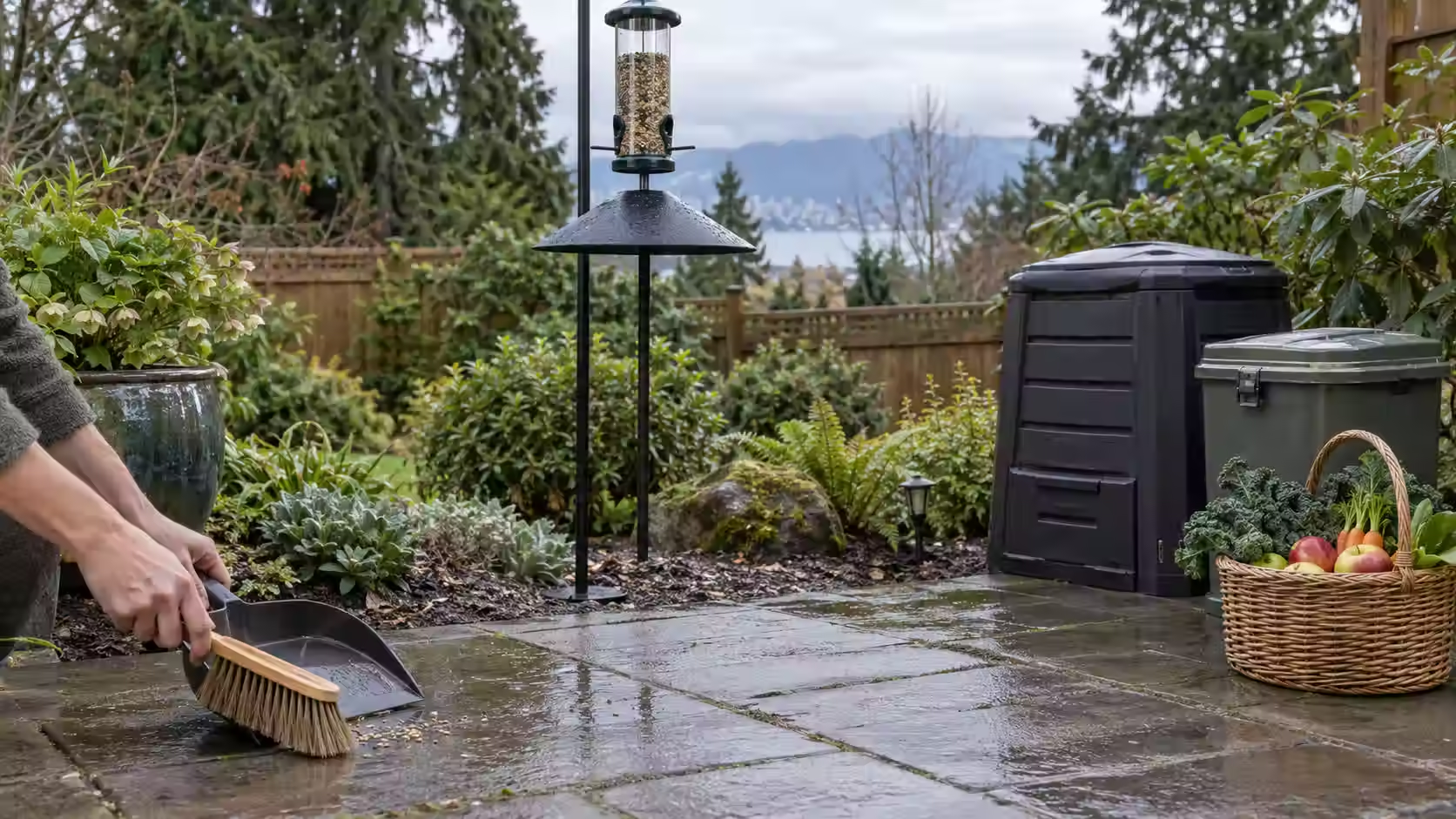
You do not necessarily need to stop feeding birds, but the feeder should not become an open buffet for squirrels.
Consider a weight-activated or caged feeder designed to restrict access by larger animals. Mount it away from fences, roofs, branches, and other surfaces squirrels can use as launch points. A smooth pole baffle can make climbing more difficult when correctly positioned.
The area beneath the feeder is equally important. Seed that falls to the ground can continue attracting squirrels, mice, rats, and birds even when the feeder itself is protected.
To reduce spillage:
- Choose a feeder with a seed-catching tray.
- Use less wasteful seed blends.
- Clean underneath it regularly.
- Avoid overfilling the feeder.
- Store unused seed in a sealed, chew-resistant container.
If squirrel activity remains intense, temporarily removing the feeder may help break the pattern. You can reinstall it later in a better location with improved protection.
3 Squirrel Deterrents to Avoid
Some methods create more risk than benefit. Avoid the following approaches when protecting your garden.
1. Poison, glue traps, and harmful traps
These methods can cause prolonged suffering and may harm pets, birds, and non-target wildlife. Poisoned animals may also be consumed by predators. Trapping can create additional welfare and legal concerns if the species is misidentified or dependent young are nearby.
2. Mothballs and harsh household chemicals
Mothballs are pesticide products intended for specific labelled uses—not general wildlife repellents for gardens. Scattering them outdoors may expose children, pets, soil, and non-target animals to harmful chemicals. Bleach, ammonia, fuel, and similar substances should never be poured or sprayed around garden beds.
3. Fake predators used as a permanent solution
Plastic owls, rubber snakes, ultrasonic devices, and predator sounds may create a brief reaction, but squirrels often recognize when a threat never moves or behaves naturally. These devices should not be your primary defence. If used, reposition them frequently and combine them with physical protection.
Humane prevention is based on changing access and rewards—not frightening or hurting an animal repeatedly.
How to Protect Your Garden Year-Round
Squirrel prevention should change with the seasons. In spring, protect freshly planted seeds, seedlings, and bulbs. During summer, monitor ripening fruit and vegetables. In fall, remove fallen produce and nuts before squirrels begin caching food. During winter, inspect sheds, roofs, vents, and outdoor storage areas for signs of wildlife activity.
A simple monthly garden inspection can help you notice problems early. Look for:
- New holes in garden beds or containers
- Damaged fruit, bark, or plants
- Spilled birdseed
- Loose netting or barrier gaps
- Gnawing around sheds and structures
- Branches touching roofs
- Open compost or garbage containers
- Scratching sounds in the attic or walls
Keep in mind that a squirrel in the yard is not automatically a pest problem. Gardens are part of the urban ecosystem, and occasional wildlife activity is normal. Intervention becomes more important when damage is recurring, food sources are creating concentrated activity, or animals begin accessing a building.
For professional help protecting your property from squirrels and other unwanted wildlife, contact Phantom Pest Control, serving Vancouver and the Lower Mainland.
When to Call a Wildlife Professional
Garden damage can often be reduced with barriers and better food-source management. However, professional help may be appropriate when:
- Squirrels repeatedly defeat or damage your barriers.
- You suspect a nest in an attic, roof void, chimney, or wall.
- You hear scratching or movement inside the building.
- Soffits, vents, fascia, or wiring have been damaged.
- You cannot confidently identify the animal.
- Young animals may be present.
- The affected area is difficult or unsafe to inspect.
- DIY deterrents have not reduced the activity.
Do not seal a suspected building entry point while an animal may still be inside. This can trap the squirrel, separate a mother from dependent young, or force the animal to damage another part of the structure while trying to escape.
A qualified professional can identify the species, inspect the full property, locate entry points, assess nesting activity, and recommend an appropriate humane approach. Phantom Pest Control provides wildlife control services in Vancouver, including inspection, removal, and exclusion strategies for squirrels and other urban wildlife.
Frequently Asked Questions
1. What Smells Keep Squirrels Away?
Peppermint, garlic, vinegar, and capsaicin may temporarily deter squirrels. Since scents fade quickly, combine them with physical barriers.
2. Does Coffee Grounds Repel Squirrels?
Coffee grounds may discourage squirrels briefly, but they are not a reliable long-term solution. Wire mesh or netting works better.
3. How Do You Stop Squirrels From Digging?
Cover exposed soil with anchored wire mesh, remove nearby food sources, and consider using a motion-activated sprinkler.