
If you are seeing a rodent in winter, it is usually because rats and mice are looking for warmth, shelter and food close to people. House mice and the common rats around Lower Mainland homes do not hibernate. They stay active all year, and when nights get colder some move into walls, attics, basements and garages. Not every rodent comes inside, and they cause problems in every season, but late fall and winter is when many homeowners first notice them.
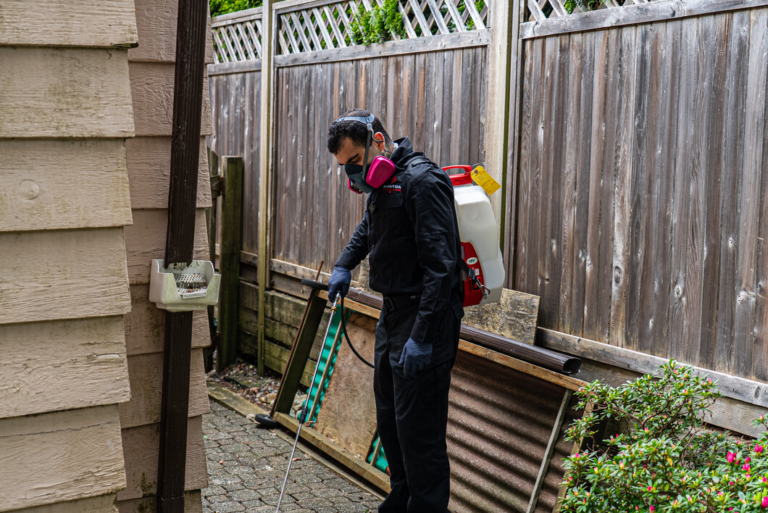
This guide explains why rodents move indoors in winter, where they hide, the signs to look for and what to do next. If you already have activity inside, our rodent control in Vancouver service starts with an inspection to find how they are getting in.
On this page7 sections
Why Do Rats and Mice Enter Homes in Winter?
Warmth, Shelter and Reliable Food Sources
Rats and mice need three things: food, water and a protected place to nest. In warmer months, gardens, compost, fallen fruit and dense plants can supply much of that outdoors. As temperatures drop and outdoor food becomes harder to find, a heated building offers stable conditions and, often, easy meals from pantries, pet food, garbage and birdseed.
Mice in outdoor populations often move indoors in autumn as nights get colder. Rats that already live close to buildings, in burrows along foundations or in thick vegetation, may start using gaps in the structure more often. A building does not need to be dirty to attract them. A small gap near a warm, sheltered spot can be enough.
Do Rats and Mice Hibernate?
No. House mice, Norway rats and roof rats stay active through the winter. Some other rodents, such as certain ground squirrels and marmots, do hibernate, which is part of why people assume all rodents slow down in the cold. The rats and mice that cause problems in homes keep feeding, nesting and, where conditions allow, breeding.
Where Do Rodents Hide in Cold Weather?
Hiding places vary by species. The spots below are common, but not every rodent uses all of them.
Attics, Walls, Basements and Crawl Spaces
- Attics and ceiling voids. Roof rats tend to nest high up and often use attics, wall voids and spaces above ceilings. Mice may also use attic insulation.
- Wall voids. Mice and rats travel inside walls between floors, often along pipes and wiring.
- Basements and crawl spaces. Norway rats usually stay low, in basements, crawl spaces and ground floors.
- Kitchens and utility areas. Spaces behind and under appliances, cabinets and water heaters are warm and close to food.
Garages, Sheds and Outdoor Burrows
Garages and sheds full of stored items give rodents shelter with little disturbance. Norway rats also dig burrows along foundations, under decks and beneath woodpiles or debris. Activity outside, close to the house, can be the first stage of a problem indoors.
Signs of a Winter Rodent Infestation
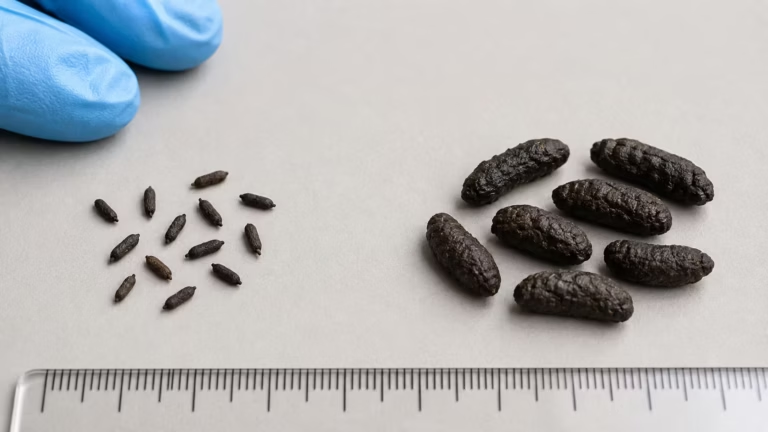
- Droppings. Small dark droppings along walls, in cupboards, under sinks and near food. Mouse and rat droppings differ in size and shape, which our guide to mouse vs rat droppings covers, but size alone is not always reliable.
- Gnawing. Fresh chew marks on food packaging, wood, wiring, plastic or insulation.
- Noises. Scratching, scurrying or gnawing in walls, ceilings or under floors, most often at night. Other animals and building sounds can be mistaken for rodents.
- Nesting material. Shredded paper, fabric, insulation or plant material bundled in a hidden spot.
- Grease marks and tracks. Dark smudges along baseboards, pipes and beams where rodents travel regularly.
- Repeated sightings. One sighting can be a single animal. Seeing rodents again and again, or during the day, points to more activity.
Old evidence is not the same as current activity. Droppings, gnaw marks and nests can stay in place long after rodents have gone. To check, clean an area safely, then look again over the following days. New droppings, fresh gnawing or disturbed food packaging point to ongoing activity.
How to Keep Rodents Out During Winter
Seal Gaps Around Doors, Pipes and Foundations
Mice can fit through very small openings, and young rats can squeeze under doors. HealthLinkBC advises sealing exterior entry points larger than 6 mm (1/4 inch) and covering crawl space and attic vents with 6 mm metal screening.
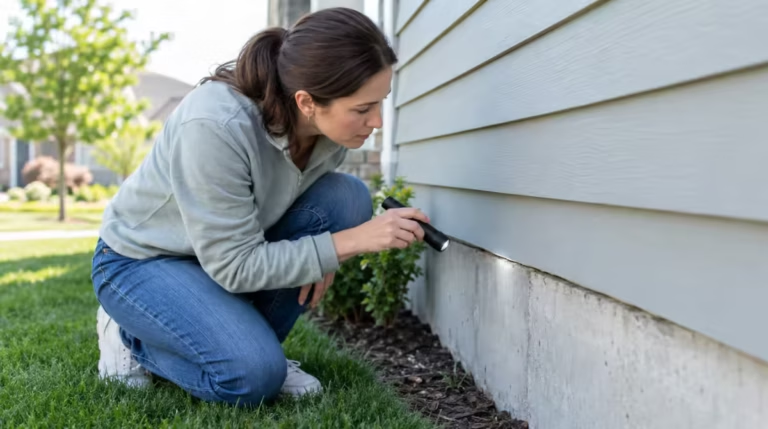
- Check around door frames, garage doors, utility lines, dryer vents and gaps between siding and the foundation.
- Use durable materials such as sheet metal, hardware cloth, cement or mortar, and metal door sweeps. Foam, plastic, rubber, wood or caulk used alone can be chewed through.
- Repair cracks in foundations and gaps around pipes where they enter the house.
Timing matters. If rodents are already living inside, sealing every gap at once can trap them indoors. Deal with the active animals first, or work with a professional who seals in stages.
Secure Food, Garbage and Birdseed
- Store pantry food, pet food and birdseed in sealed glass, metal or heavy plastic containers.
- Pick up pet food overnight and clean up crumbs and spills.
- Keep garbage and compost in bins with tight lids, and clean up seed spilled under bird feeders.
Remove Clutter and Outdoor Nesting Sites
- Reduce clutter in basements, garages and storage areas, and store items in sealed plastic bins rather than cardboard.
- Store firewood and lumber off the ground and away from the house.
- Trim shrubs and branches back from walls and the roofline, and clear debris piles next to the foundation.
For a detailed plan focused on mice, see our guide on how to prevent mice from entering your home.
What to Do If Rodents Are Already Inside
Control Active Infestations and Monitor Entry Points
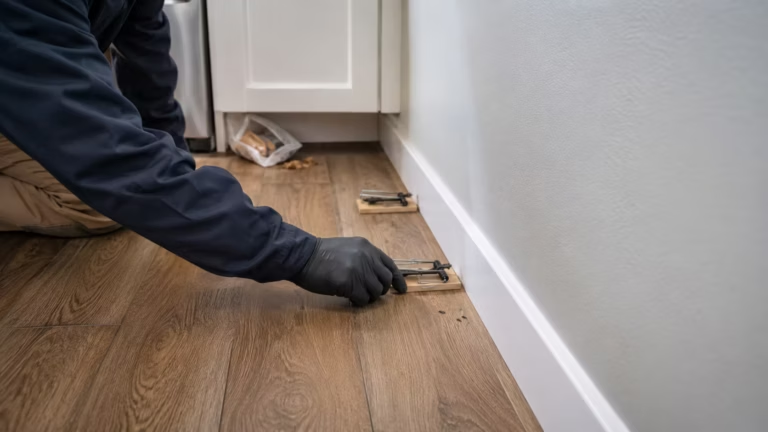
Start by dealing with the rodents already inside, usually with traps placed along walls and travel routes, out of reach of children and pets. Check traps regularly. Once activity stops, seal the entry points you have found and keep monitoring for new signs.
Rats often point to larger gaps or nearby burrows. Our guide on getting rid of rats in your home or office covers control methods in more detail.
Avoid Sweeping or Vacuuming Dry Droppings
Sweeping or vacuuming dry droppings and nesting material can stir particles into the air, where they can be breathed in. Public health guidance, including HealthLinkBC File 37, recommends a wet cleaning method instead:
- Air out enclosed spaces for 30 minutes before you start.
- Wear rubber gloves, a well fitting filter mask and goggles.
- Wet the droppings and nesting material with a household disinfectant or a bleach solution as directed in official guidance or on the product label, and let it soak before wiping.
- Wipe up with paper towels, double bag the waste, seal it and dispose of it according to local rules.
- Disinfect the surrounding surfaces, then wash your hands thoroughly after removing your gloves.
Not every dropping carries disease, but treating all of them with care is the safer habit. For large amounts of droppings, heavy contamination or confined spaces such as crawl spaces and attics, consider a professional cleanup.
When to Call a Vancouver Rodent Control Professional
Call a professional if:
- you keep finding fresh droppings or hearing activity after trapping
- you see rats, or signs of rats, inside the home
- you cannot find where rodents are getting in
- there is damage to wiring, insulation or stored belongings
- the activity is in an attic, crawl space or wall void you cannot safely reach
Conclusion
Seeing a rodent in winter usually means rats or mice have found a way to warmth, shelter and food. Look for the signs, separate old evidence from new activity, deal with any rodents already inside, and then seal entry points with durable materials. Acting on early signs makes the problem easier to manage.
If you would like help finding how rodents are getting in, Phantom Pest Control can inspect your home and recommend next steps.
FAQs
1. Can Rats and Mice Survive Freezing Temperatures?
Often, yes, if they have shelter and food. How well they survive depends on the species, the shelter available and how much food they can reach. Burrows, woodpiles, sheds and heated buildings all give protection from the cold, which is why activity tends to concentrate around homes in winter.
2. Will Rodents Leave Your Home When Spring Arrives?
Not reliably. If rodents have found food, water and a nest inside, there is little reason for them to leave when the weather warms. Some may spend more time outdoors, but an established indoor population usually needs to be dealt with directly.
3. Can Rats and Mice Breed Indoors During Winter?
Yes. Rats and mice stay active all year, and house mice can breed year round when conditions are stable and food is available. That is why a few signs in early winter are worth dealing with promptly rather than waiting to see what happens.