To get rid of firebrats, confirm the insect, vacuum accessible hiding places, reduce food and clutter, repair moisture problems, and monitor activity near warm areas. Seal suitable gaps after cleaning. If sightings continue, investigate concealed hiding places and consider treatment permitted by a current Canadian pesticide label.
If you need help identifying the insect or locating activity, Phantom Pest Control’s crawling insect inspection services provide a starting point. Describe what you found and ask whether the service covers your confirmed pest.
On this page8 sections
Confirm You Have Firebrats
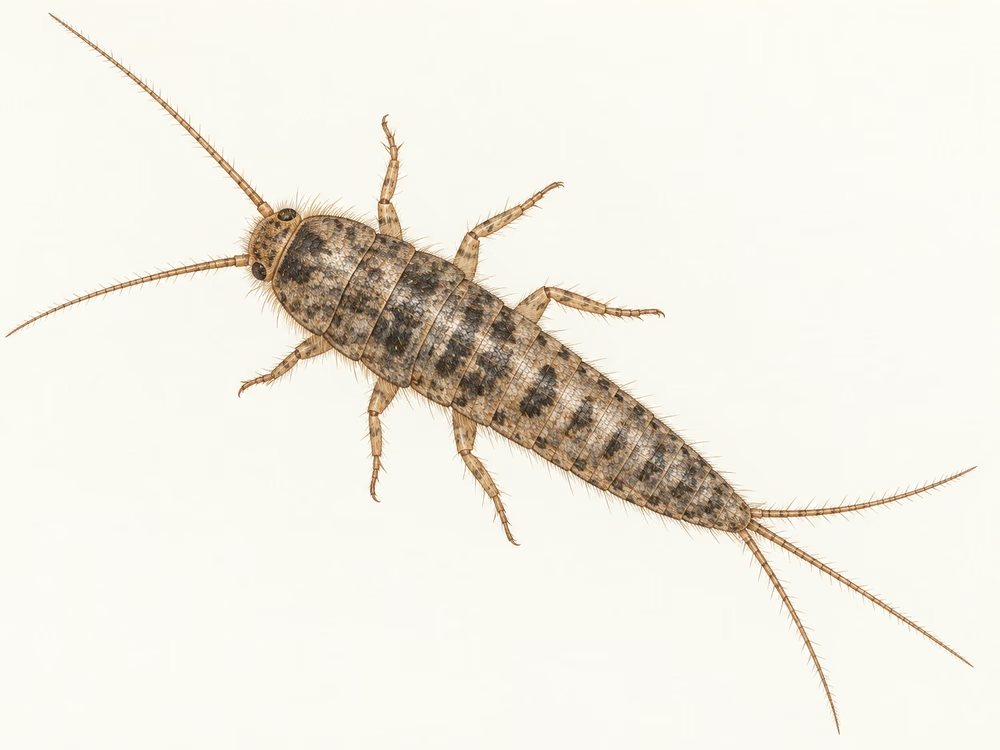
Firebrat Appearance and Signs of Infestation
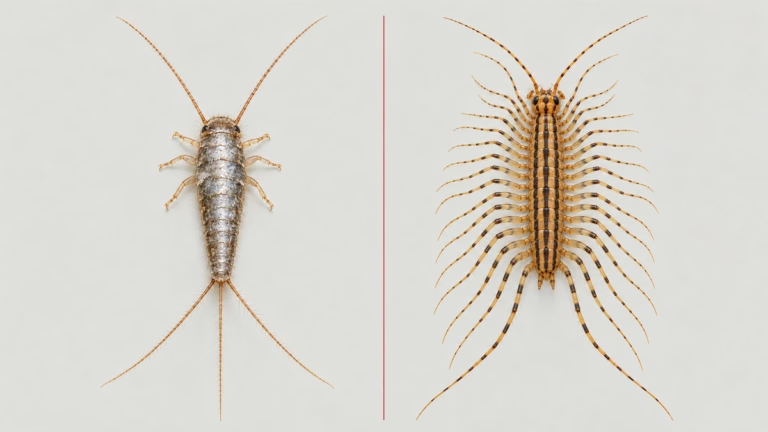
An adult firebrat has a flattened, wingless body that narrows towards the rear. Look for mottled grey-brown scales, six legs, two long antennae and three slender tail filaments. Adults are roughly 13 mm long, excluding the antennae and tails. They usually hide during daylight and run quickly when disturbed.
Common silverfish typically look more uniformly silver or pearl grey. Firebrats have darker, patchy markings and favour hotter locations. However, other silverfish species can also have markings, and young insects may be pale. Neither colour nor location alone confirms identification.
Take a clear photograph from above, keeping the antennae and rear filaments visible. If identification remains uncertain, ask a pest professional to examine the photograph or a contained specimen. Our firebrat vs silverfish identification guide explains the comparison in more detail.
Scraped paper, damaged bindings, shed skins and fine debris warrant inspection, but they do not identify the cause by themselves. Photograph damage and look for an insect nearby before choosing a treatment.
Where to Look: Furnaces, Water Heaters, and Appliances
Start around the location of the sighting. Inspect accessible floor edges outside utility cupboards, beside water heaters, around hot-water pipe routes and near ovens or heating equipment. Check nearby stored boxes and shelving, too.
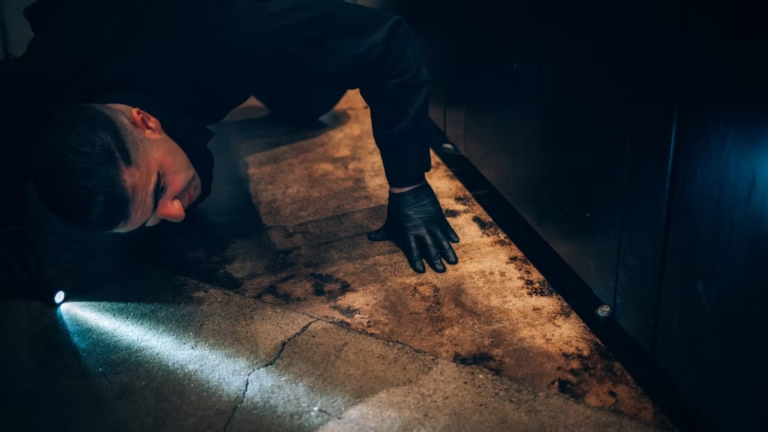
Use a flashlight from a safe position. Leave equipment panels closed, avoid hot surfaces and wiring, and preserve appliance ventilation and required clearances. Ask a qualified technician to investigate areas that require moving connected equipment or opening it.
The insect may have travelled from a concealed space. Finding one in a bathtub does not prove it came through the drain; these insects can fall into smooth fixtures and become trapped.
How to Get Rid of Firebrats in 6 Steps
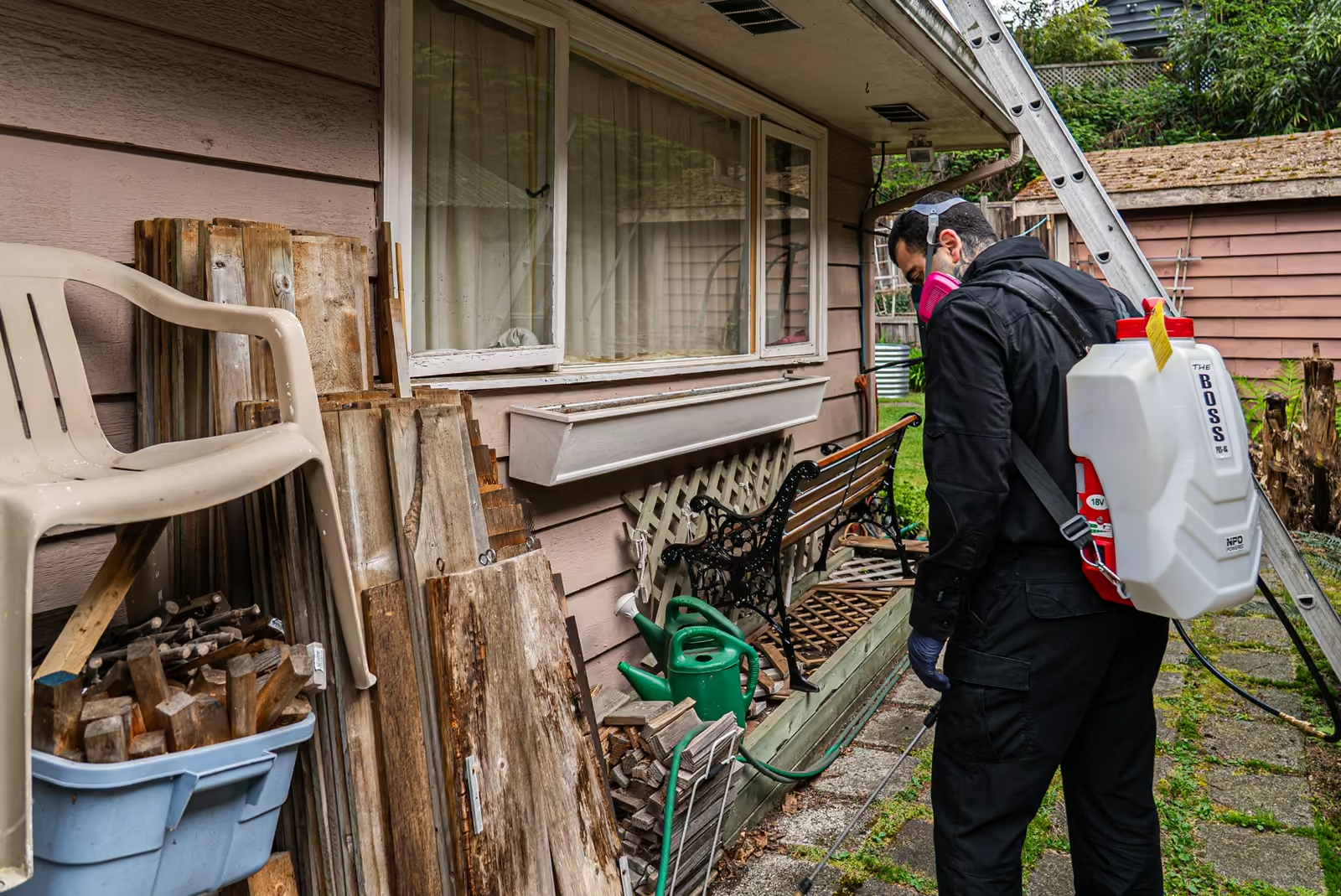
Begin where activity is confirmed and keep a simple record of your work. Combining these measures is integrated pest management: identify the pest, change supporting conditions and use observations to guide further action.
1. Vacuum Hiding Places and Remove Eggs
Use a crevice attachment along accessible baseboard edges, floor-wall junctions, cupboard corners and gaps beside movable storage. Remove dust, crumbs, dead insects and loose debris. Inspect boxes before moving them so you do not simply transfer the problem elsewhere.
Vacuuming can collect exposed firebrats and some accessible eggs. Eggs deposited in narrow crevices or hidden material may remain, and you cannot reliably see every egg. One cleaning session therefore cannot establish that the population has gone.
Seal collected debris for disposal and empty the vacuum according to its instructions. Revisit the same edges during routine cleaning. If an area has already received pesticide treatment, follow the label or technician’s cleaning instructions before vacuuming it.
2. Remove Food Sources and Cardboard Clutter
Firebrats scavenge starchy and protein-containing materials, including flour, cereals, dry pet food, paper products and some glues or fabric finishes. A tidy-looking room may still contain food beneath shelving or along rarely cleaned edges.
Put dry foods in tightly closed containers and clean spills around their storage area. Recycle unnecessary cardboard. Transfer suitable dry stored belongings into lidded containers, and inspect their contents before closing them.
You do not need to discard every book or cardboard box. Prioritize damaged packaging, unused piles and materials beside active hiding places. Leave enough access to inspect and clean behind stored items. Organisation helps you find continuing activity as well as reducing shelter.
3. Fix Leaks and Improve Ventilation
Check accessible plumbing for drips, wet patches and recurring condensation. Repair the cause of dampness rather than repeatedly wiping the same surface. Use working bathroom and kitchen exhaust ventilation appropriately, and consider a dehumidifier for an enclosed damp room.
Also consider the immediate surroundings of the catches. A cool, damp bathroom and a sheltered gap beside a warm appliance are different environments. Drying the bathroom may leave the second location largely unchanged.
Keep required vents clear. If a utility space seems unusually hot or poorly ventilated, ask a qualified building or equipment professional to assess it. Do not change water-heater settings, disconnect heating equipment or alter combustion-air openings as a pest-control experiment.
4. Seal Gaps Around Pipes and Baseboards
After inspection and cleaning, close suitable small cracks at baseboards and ordinary non-service gaps with a sealant appropriate for the surface. Pay attention to routes connecting an active storage area with adjoining rooms.
Pipe penetrations through fire-rated walls or floors may require an approved firestopping system. Refer those openings to building maintenance or a qualified contractor. Ordinary caulk or expanding foam is not a universal substitute.
Never seal appliance vents, access panels, required clearances or openings serving ventilation or drainage. Exclusion reduces accessible routes and shelter; it does not remove insects already concealed elsewhere.
5. Use Traps to Locate and Monitor Activity
Place generic sticky insect monitoring traps along wall edges near confirmed sightings, outside utility cupboards and beside accessible storage. Follow the trap instructions and keep adhesive away from children and pets. Keep placements clear of equipment and ventilation.
Give each trap a location name. A simple log might contain:
- Trap location and installation date.
- Inspection date and number of suspected firebrats.
- Cleaning, repairs or treatment completed nearby.
Check on a consistent schedule, such as weekly, and replace dusty or unusable traps as directed. Photograph catches if identification is uncertain. Compare catches over similar intervals before changing placements.
Traps reveal activity and trends, but catches do not measure the entire population. Zero catches may reflect placement or low movement rather than eradication. A trap beside the busiest route also does not prove the main hiding place is immediately behind it.
6. Consider Label-Approved Firebrat Treatments
An occasional sighting may be manageable through household measures and monitoring. Persistent activity may justify a targeted treatment after identification and inspection.
Before buying or applying a pesticide, check its Canadian Pest Control Products registration number and current registration status. Read the complete label: it must permit firebrats, the intended indoor site, the application method and your user category. A silverfish claim alone does not establish permission to treat firebrats.
Why DIY Firebrat Treatments Fail
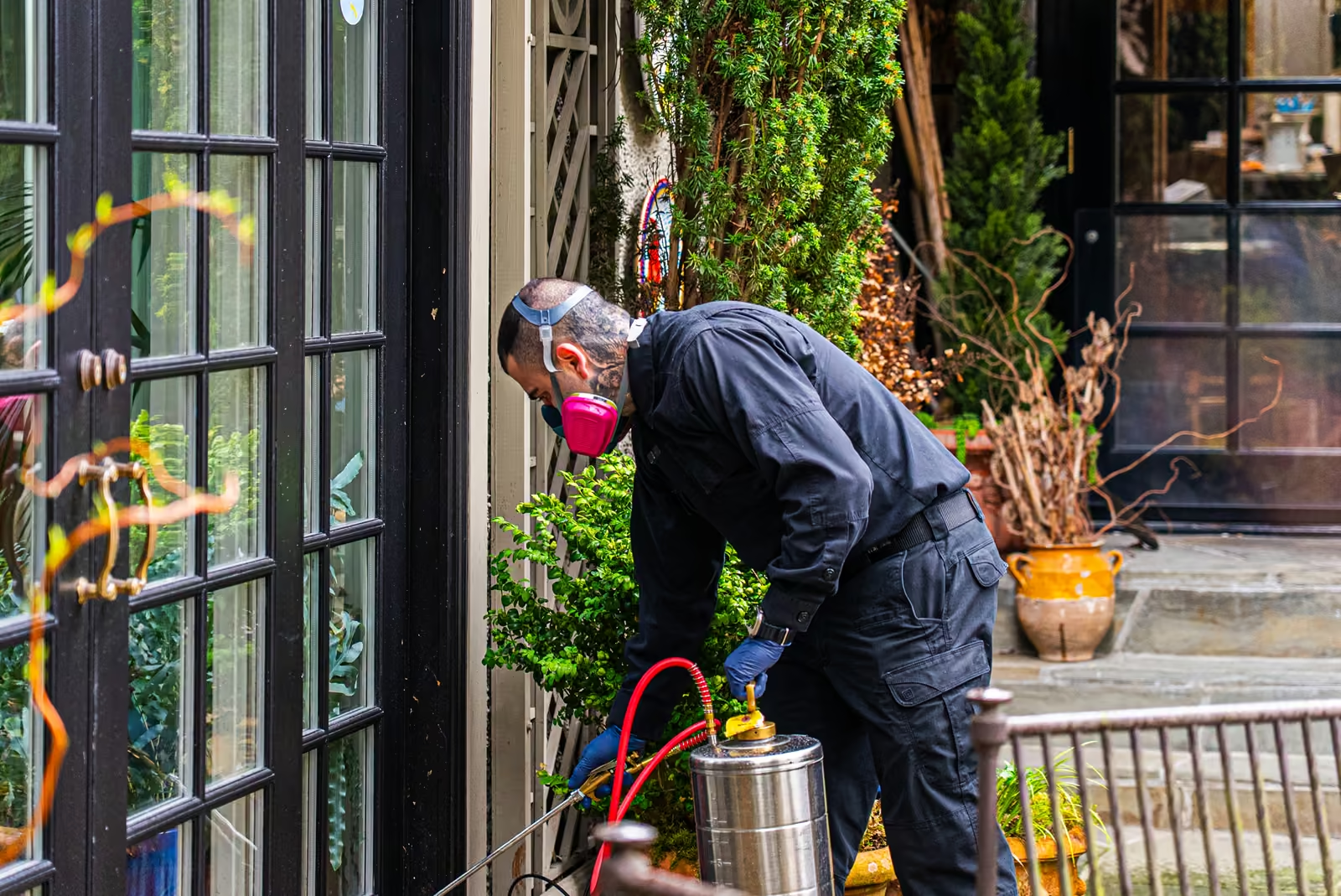
Repeated sightings can follow misidentification, inaccessible hiding places, remaining food sources or activity beyond the room being cleaned. A visible insect is an observation point, not necessarily the source.
Review your log before adding another remedy. Are catches concentrated in one location? Have they appeared in another room? Was a leak repaired, but cardboard left beside a warm cupboard? These questions help direct the next inspection.
Why a Dehumidifier Alone May Not Work
Firebrats favour very warm hiding places and can tolerate drier conditions than common silverfish. Moisture control remains useful where dampness exists, but a lower humidity reading in the open room does not describe every crack or concealed void.
Keep the dehumidifier if it addresses a real moisture problem. Combine it with cleaning, sensible storage and monitoring around warm areas. Do not interpret continued catches as a reason to keep lowering humidity without investigating their location.
Limits of Boric Acid, Diatomaceous Earth, and Home Remedies
Older guides often recommend boric acid dust, but performance depends on the formulation; some boric acid dusts have proved ineffective against firebrats. Health Canada’s updated boron guidance states that domestic dust and granular products were cancelled, with use prohibited from July 22, 2019. Commercial products have additional restrictions, including inaccessible placement and no broadcast application. Treating boric acid as a general household sprinkle is inappropriate.
Diatomaceous earth can affect insects that contact a suitable deposit, but effectiveness depends on formulation, conditions and contact. Dust that is wet, disturbed or outside the insects’ route may accomplish little. Dust exposure and permitted placement also matter.
Do not substitute food-grade diatomaceous earth for a registered insect-control product. Any pesticide option still needs a current Canadian label supporting the exact use. Neither powder should be described as harmless or spread broadly around a home.
Essential oils, citrus sprays and kitchen mixtures lack a reliable basis here for promising elimination of a hidden population. Repellency, even when observed, does not demonstrate that insects or eggs have been removed.
How Long Does Firebrat Treatment Take?
Vacuuming removes the insects it collects immediately; sustained control requires follow-up. Hidden insects, remaining eggs, access limitations and connected building spaces can all affect progress.
Health Canada’s general silverfish and firebrat guidance says results from insecticides may take 10–14 days because concealed insects must emerge and contact the treatment. This describes an expected response, not a universal elimination deadline or permission to reapply.
Look for declining catches and fewer sightings across comparable monitoring periods. Continuing or newly distributed activity calls for reassessment. After professional treatment, use the agreed follow-up plan and label directions rather than adding another pesticide yourself.
When to Call a Pest Control Professional
Seek help when identification is uncertain, sightings recur despite reasonable household measures, activity appears across several rooms, or likely hiding places are inaccessible. Continuing damage to stored belongings is another reason to investigate.
Share photographs, trap locations and dates, and explain what you have already changed. This is more useful than reporting only that the insects keep returning. Ask how inspection findings will guide treatment and monitoring.
Renters should notify their landlord or responsible building contact about recurring activity. In strata or managed buildings, coordination can help assess shared spaces and adjoining units. Phantom’s property management pest control services include building assessments and scheduled monitoring. One sighting alone does not establish a building-wide problem.
How to Keep Firebrats from Returning
Make the improved conditions easy to maintain. Keep repaired plumbing under observation, inspect stored belongings before putting them away and leave utility-area floor edges accessible.
After activity appears to decline, continue checking selected monitoring points. Retain the location names so a new catch can be compared with the earlier pattern. Recheck nearby storage after deliveries or rearrangement. These habits support early detection without promising permanent prevention.
Conclusion
Learning how to get rid of firebrats starts with identification and finding the places supporting activity. Combine cleaning, repairs, sensible storage and monitoring, then reassess if catches continue. For help with inspection in Vancouver and the Lower Mainland, contact Phantom Pest Control to discuss what you have found and the appropriate next step.
FAQs About Getting Rid of Firebrats
1. Does Seeing One Firebrat Mean an Infestation?
No. One firebrat does not establish population size. Confirm identification, inspect nearby accessible areas and monitor. Repeated sightings, catches at several locations or continuing material damage provide stronger reasons for a closer assessment.
2. Do Firebrats Bite or Damage Household Items?
Firebrats do not bite or sting people. They can feed on paper, bindings, starchy materials and some fabrics, and contaminate stored food. Extensive damage is more associated with large, long-standing populations. They are not structural wood pests.
3. Can Firebrats Spread Between Apartments?
Yes. They can move along pipe routes and through connected wall or floor openings. Infested belongings can also transport them. Finding one does not prove a neighbouring unit is the source; coordinated inspection is more useful than guessing where it began.