That faint scratching behind the wall at night can be easy to dismiss—until you find a torn food package or a line of small droppings in the pantry. Mice are cautious, fast and capable of moving through surprisingly small gaps, so catching one usually takes more than setting a single trap and hoping for the best.
The most effective approach combines the right trap, careful placement, good sanitation and entry-point sealing. If you are unsure how extensive the activity is, Phantom Pest Control can help you identify what is happening and build a practical plan for your home.
Quick answer: For most household situations, quality snap traps are the best way to catch mice. Use several traps at the same time, place them directly along active travel routes, add only a small amount of bait and check them every day. Trapping should always be paired with sealing access points; otherwise, new mice may continue to enter.
What Is the Best Way to Catch Mice?
For a small, accessible mouse problem, snap traps are usually the best starting point. They are affordable, reusable, easy to monitor and capable of delivering a quick result when correctly sized and positioned. The U.S. Centers for Disease Control and Prevention (CDC) also recommends traditional snap traps for reducing rodent populations around a home.
However, no trap can compensate for poor placement. Mice tend to move close to walls, cabinets and other covered edges rather than crossing open rooms. A trap in the middle of the kitchen may remain untouched even while mice travel behind the stove every night.
A successful mouse-control plan has four parts:
- Confirm where the activity is occurring.
- Set multiple appropriate traps along those routes.
- Remove competing food and water sources.
- Seal entry points after checking that mice are no longer active inside.
This last step matters. Trapping deals with the mice currently present; exclusion helps prevent the next ones from taking their place.
Best Mouse Traps for Catching Mice
The best trap depends on where it will be used, whether children or pets are present, and how comfortable you are handling the trap afterward. Whichever design you choose, buy a trap specifically made for mice—not rats—and follow the manufacturer’s instructions.
1. Snap Traps
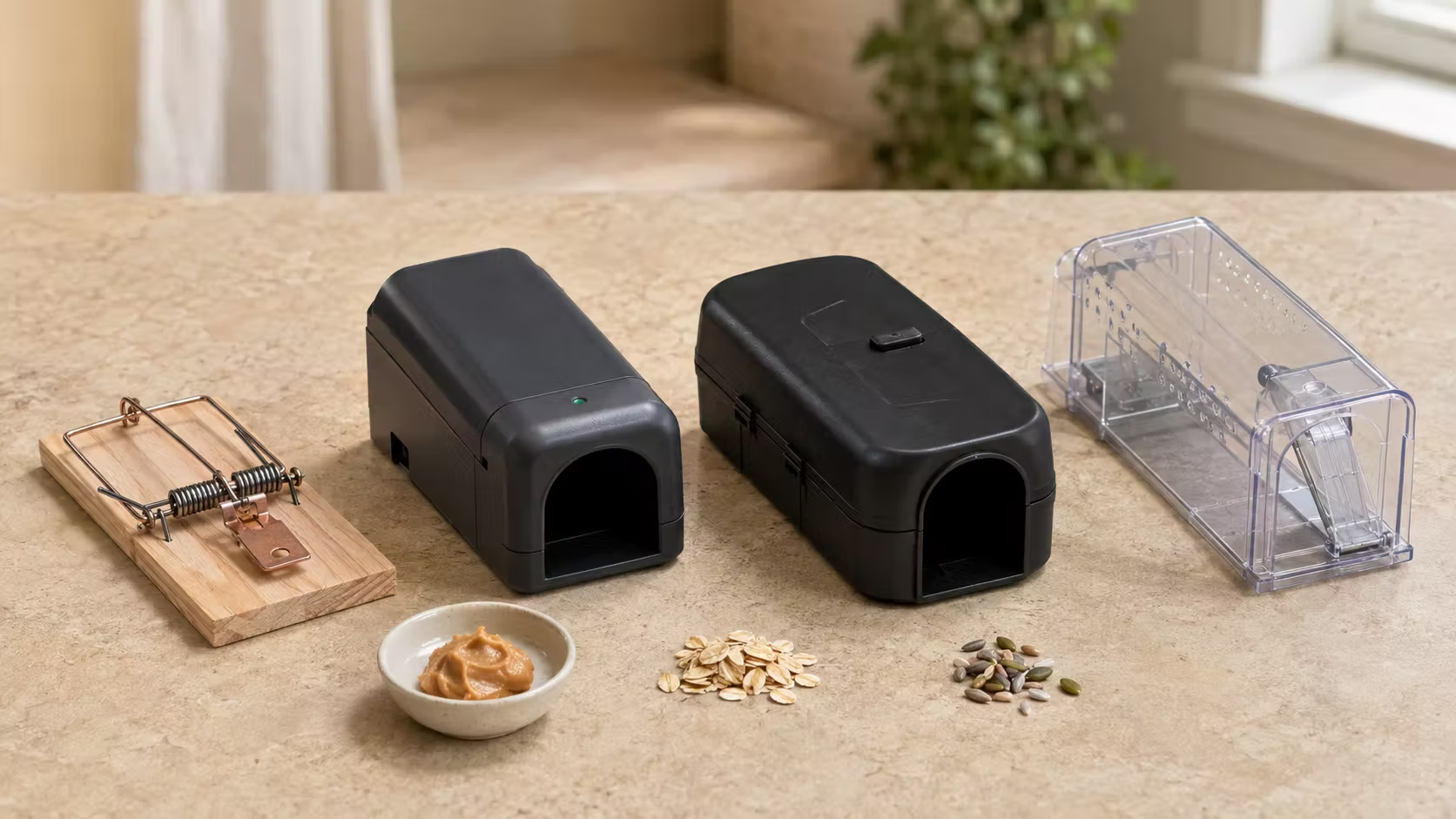
Snap traps are the standard choice for most homes because they are simple, effective and easy to inspect. Modern versions include traditional wooden traps as well as plastic traps that are easier to set and clean.
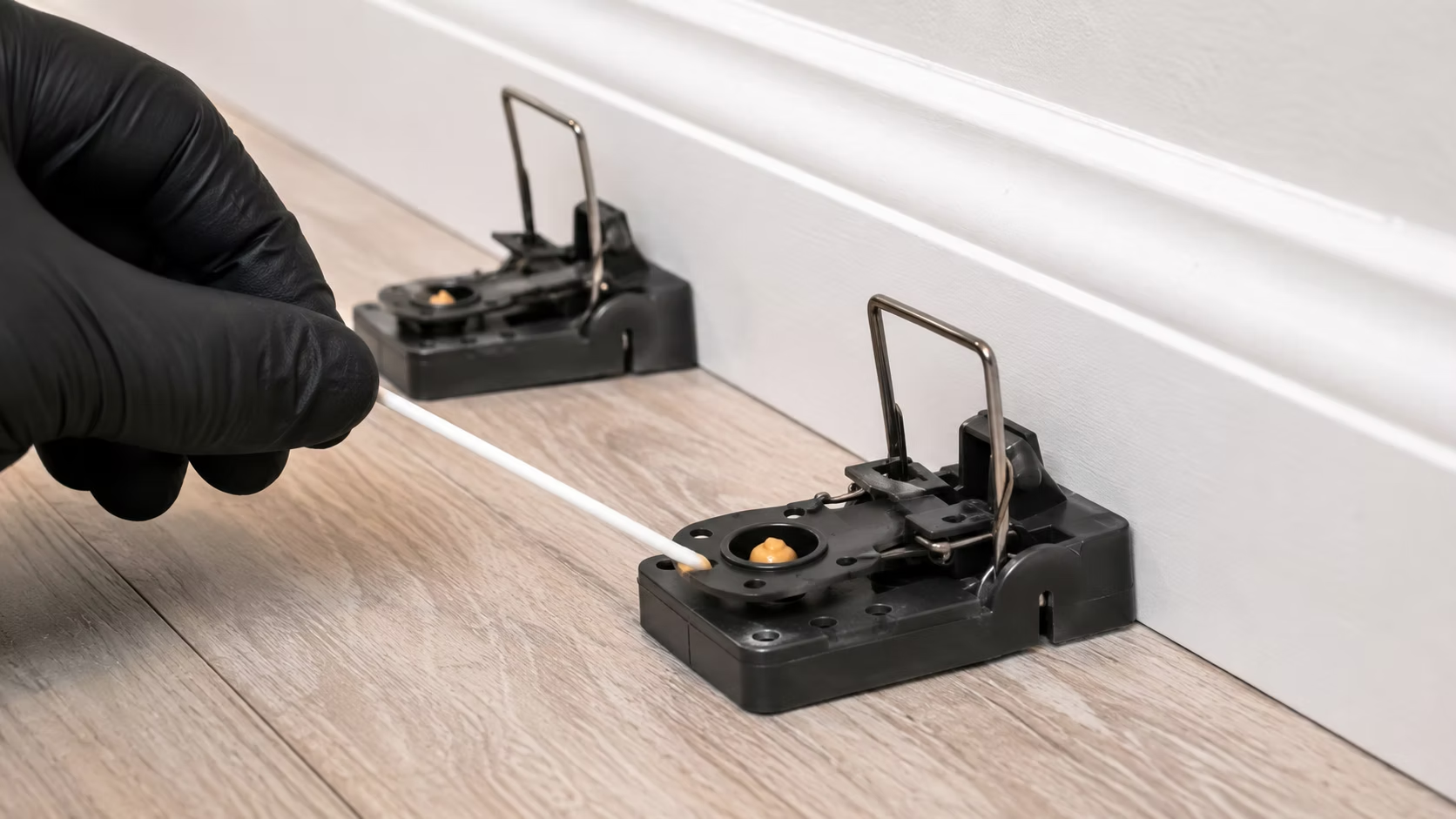
For the best chance of a clean, quick catch, position the trap at a right angle to the wall with the trigger end touching the wall. This intercepts mice as they follow the edge of the room. In narrow areas, two traps placed side by side can cover movement from either direction.
Set snap traps only where children and pets cannot reach them. If the active route is in a shared area, place the trap inside a compatible tamper-resistant enclosure rather than leaving it exposed.
2. Electronic Mouse Traps
Electronic traps use a high-voltage shock inside an enclosed chamber. They can be a good option for homeowners who want a contained trap with a visible status indicator and less direct contact during disposal.
These traps cost more than standard snap traps and must stay dry. They also need clean contact plates and functioning batteries, so check the device according to its instructions. An electronic trap is not automatically more effective than a snap trap; accurate placement still determines whether the mouse encounters it.
3. Enclosed Mouse Traps
Enclosed traps hide the capture mechanism inside a plastic housing. Some contain a snap mechanism, while others use a different internal system. Their covered design can make them more suitable for discreet locations and may reduce accidental contact.
“Enclosed” does not mean childproof or pet-proof. Check the product label carefully and keep every trap inaccessible to children and animals. Place the opening flush with a wall or directly in a known mouse runway, not several inches away from the edge.
4. Live-Catch Traps
Live-catch traps appeal to people who do not want to use lethal traps, but they require considerably more management. They must be checked frequently so an animal is not left without food or water, and releasing a mouse may simply move the problem elsewhere or allow it to return. Local wildlife rules and appropriate release practices should also be considered.
There is a health concern as well. The CDC advises against live traps because frightened rodents may urinate inside them, increasing exposure to contaminated material. If humane treatment is your priority, a correctly selected and properly placed quick-action trap may cause less prolonged distress than a poorly monitored live trap.
Glue boards are not included among the recommended options here. They may cause prolonged suffering, can catch non-target animals and create difficult handling situations in a home.
How to Catch Mice Successfully
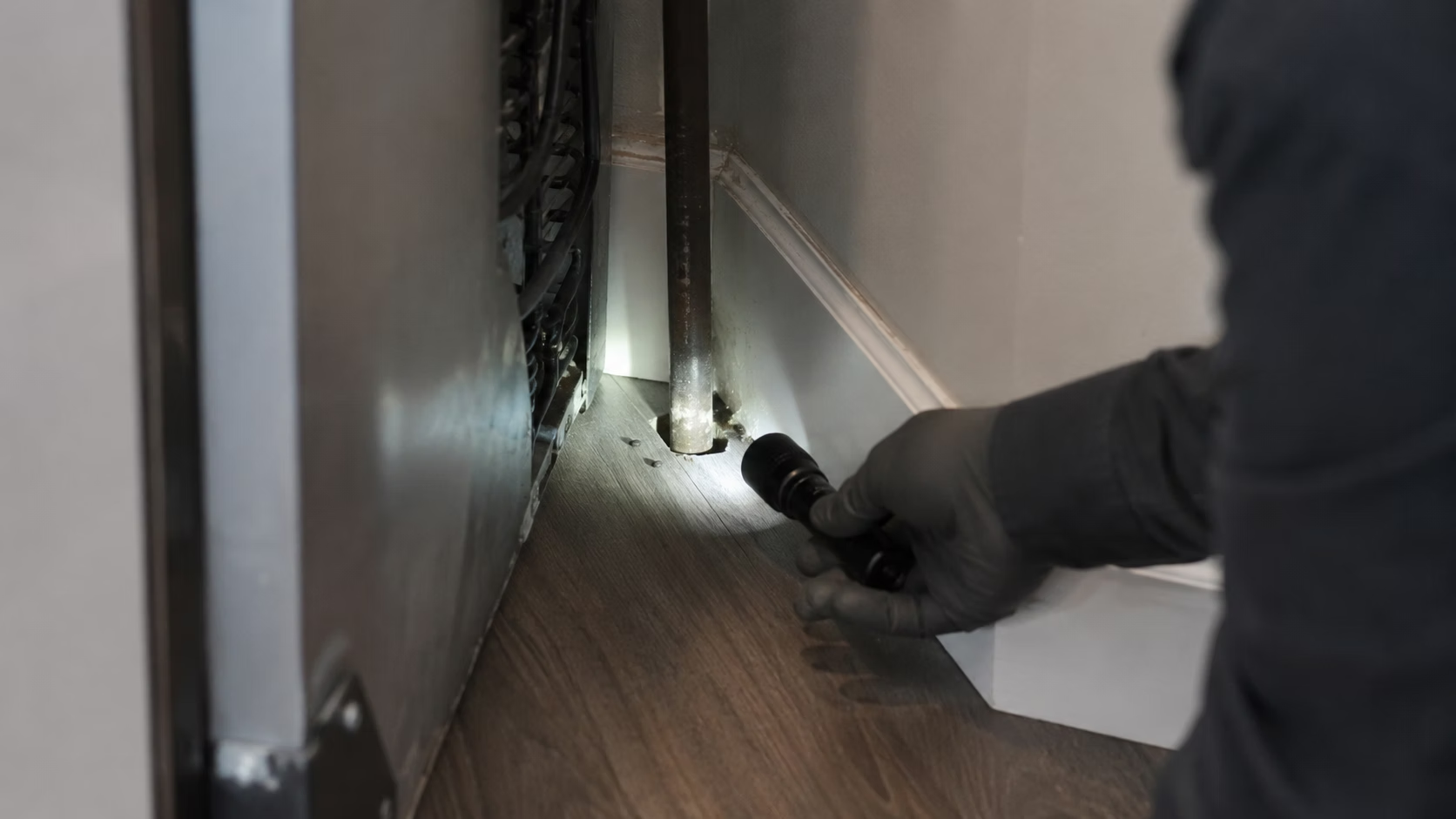
Catching mice is less about finding a “magic” bait and more about reading the room correctly. Before setting anything, spend a few minutes looking for patterns.
Find Where the Mice Are Active
Start behind appliances, inside the cabinet beneath the sink, along pantry walls, beside the refrigerator, and around the furnace room, garage, attic or crawl space. Look for:
- Small, dark droppings
- Gnawed food packaging or wood
- Shredded paper, fabric or insulation
- Greasy rub marks along repeated travel paths
- Scratching or movement after dark
- Gaps around pipes, doors, vents and utility lines
If you are not sure which rodent you are dealing with, this guide to mouse vs. rat droppings explains the visual differences and why correct identification affects trap choice.
Do not sweep or vacuum dry droppings. That can disturb contaminated particles and move them into the air. Wear gloves, thoroughly wet the material with an appropriate disinfectant, allow the required contact time on the product label, and wipe it up with disposable towels. For widespread contamination or inaccessible nesting areas, stop and seek professional help.
Once an area is safely cleaned, check it again the following day. New droppings, fresh gnawing or disturbed bait can reveal an active route and help you place traps with much greater precision.
Choose the Best Bait for Mouse Traps
Peanut butter is a practical mouse-trap bait because it has a strong scent and sticks to the trigger. Seed or nut butter, oats, soft candy, nesting material, or a small piece of food the mice are already taking may also work.
Use only a pea-sized amount. A large blob may let a mouse nibble from the edge without applying enough pressure to trigger the trap. Press the bait securely onto or into the bait cup rather than leaving it loose.
If food bait is ignored, competing food may be the real problem. Seal cereal, grains and pet food in rigid containers; wipe crumbs and grease from hidden edges; repair drips; and do not leave pet bowls out overnight. A trap becomes more attractive when it is one of the few available food sources.
In some cases, mice are more interested in nesting than eating. A small amount of cotton or soft thread secured to the trigger can work, but avoid long loose fibres that could allow the mouse to pull material away without activating the trap.
Place and Set the Traps Correctly
Use several traps at once. A lone trap cannot effectively cover a kitchen, garage and basement, and catching one mouse does not confirm that the activity is over.
Focus on high-evidence locations rather than spreading traps evenly throughout the house. Place them:
- Against walls with the trigger end facing the wall
- Behind or beside appliances
- At the back of lower cabinets
- Near fresh droppings, gnaw marks or nesting material
- On ledges or covered routes where activity is visible
Wear gloves while handling traps and bait, both for hygiene and to keep the process clean. Although human scent is not usually the main reason a trap fails, food residue, a poorly positioned trigger or an unstable trap can reduce success.
Check traps every morning and reset or relocate untouched traps after two or three nights if evidence suggests mice are using a different route. Continue monitoring after the last catch. When no fresh signs appear for at least a week, move from active trapping to prevention and periodic inspection.
For a broader seasonal checklist, see how to identify and eliminate early rodent activity before a small issue spreads into multiple parts of the building.
Mouse-Trapping Mistakes to Avoid
Many unsuccessful trapping attempts fail for predictable reasons. Avoid these common mistakes:
- Using only one trap: There may be several mice or more than one active route.
- Placing traps in open spaces: Mice usually travel along protected edges.
- Using too much bait: Excess bait can be stolen without triggering the trap.
- Ignoring food and water: Crumbs, open pantry goods and pet food compete with your bait.
- Moving traps too quickly: Give a well-placed trap a short monitoring period unless fresh evidence points elsewhere.
- Using the wrong trap size: A rat trap is not an appropriate substitute for a mouse trap.
- Setting accessible traps: Every device must be kept away from children, pets and non-target wildlife.
- Relying on repellents alone: Strong smells and ultrasonic devices do not replace trapping and exclusion.
- Sealing too soon: Closing an entry point while mice remain inside may force them deeper into walls or living areas.
- Stopping after one catch: Continue checking for new droppings, noises and food damage.
Another serious mistake is cleaning rodent waste while it is dry. Follow public-health guidance for wet disinfection, and do not handle a captured rodent with bare hands.
When Should You Call a Mouse Control Professional?
DIY trapping may be reasonable when signs are limited to one accessible area and activity stops quickly. Professional help becomes the safer, more efficient choice when:
- You continue finding fresh droppings after several days of correctly placed traps.
- Scratching comes from walls, ceilings, an attic or another inaccessible void.
- More than one room or floor shows activity.
- You notice damaged wiring, heavy contamination or a strong persistent odour.
- Children, pets or vulnerable family members make trap placement difficult.
- Mice return after previous trapping attempts.
- You cannot find or safely seal the entry points.
A complete inspection should do more than remove a mouse. It should identify the rodent, map active routes, locate likely access points, assess sanitation and nesting conditions, and establish follow-up monitoring. Phantom Pest Control provides professional rodent control in Vancouver for homes and businesses that need a more complete solution.
The goal is not simply to catch the mouse you happened to see. It is to understand how it entered, determine whether others are present and reduce the chance of the problem returning.
Frequently Asked Questions
1. How Long Does It Take to Catch a Mouse?
A mouse may be caught on the first night when a trap is placed directly on an active route. In other cases, it can take several nights. If there is no result after two or three nights, reassess the location, reduce competing food, confirm that the trigger works and move the trap closer to fresh evidence. Do not assume the mouse has left simply because the trap remains empty.
2. Why Is the Mouse Avoiding the Trap?
The trap may not be on the mouse’s regular path, or food elsewhere may be more appealing. Too much bait, an unstable trap, an insensitive trigger or the wrong trap size can also cause failure. Place multiple mouse-sized traps flush with walls, use a small amount of secure bait and focus on locations with recent droppings or gnawing.
3. Does One Mouse Mean There Are More?
Not always, but one sighting should be treated as evidence of possible additional activity. Mice are secretive, and the animal you see may not be the only one using the space. Inspect nearby rooms, clean droppings safely, set several traps and monitor for at least a week after the last sign. Repeated droppings, noises in different areas or multiple captures strongly suggest that the problem is larger than a single stray mouse.