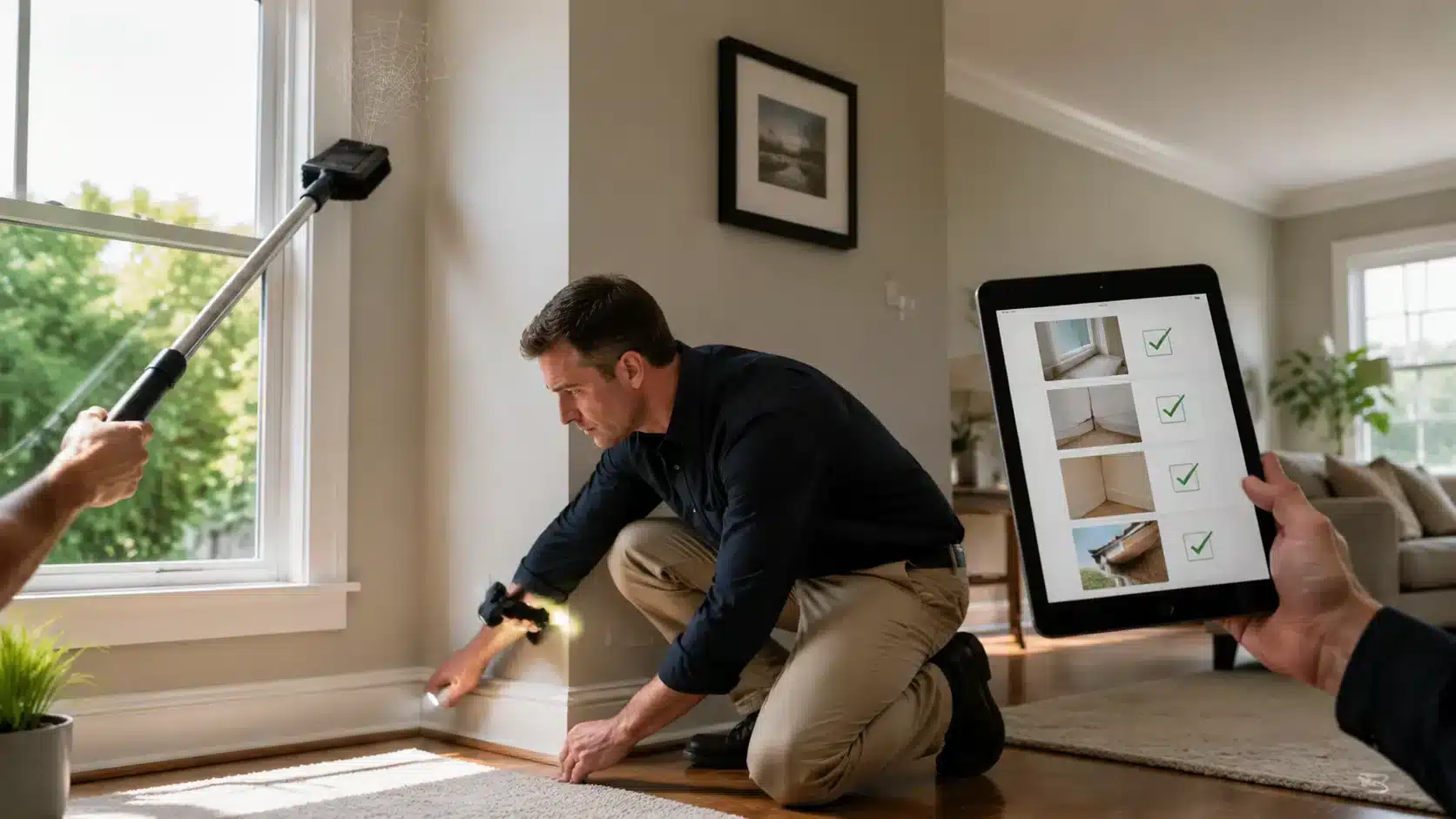
Finding spiders inside your home can be frustrating. Whether you see them in corners, basements, garages, or near windows, spiders usually enter because they find the right conditions for survival.
Understanding how to keep spiders out of your home starts with knowing what attracts them and removing the things that make your property comfortable for them. With regular cleaning, proper sealing, and smart prevention methods, you can significantly reduce spider activity.
This guide explains why spiders enter homes, where they hide, how to remove them, and the best long-term methods to prevent spiders in house environments.
On this page9 sections
- Why Are There Spiders in My Home?
- Common Places Where Spiders Enter Your Home
- How to Get Rid of Spiders Inside Your Home
- How to Prevent Spiders in Your House Long Term
- Natural Spider Repellents: Are They Effective?
- Natural Solutions vs Chemical Spider Treatments
- When Should You Call Pest Control for Spiders?
- Step-by-Step Guide to Keep Spiders Out of Your Home
- Frequently Asked Questions
Why Are There Spiders in My Home?
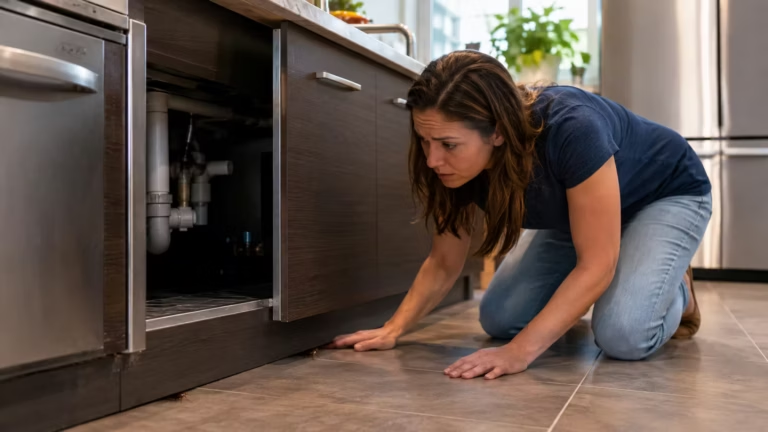
Many homeowners ask, “why are there spiders in my home?” The answer is usually connected to food, shelter, and easy access points.
Spiders are predators that feed on insects. If your home has flies, ants, mosquitoes, or other small pests, spiders may enter because they have a reliable food source.
Common reasons spiders enter homes include:
- Food availability: Insects inside your home attract spiders looking for prey.
- Shelter: Dark and quiet spaces provide safe areas for spiders to hide.
- Weather changes: Spiders often move indoors during cold temperatures, rain, or extreme heat.
- Entry points: Small cracks, gaps, and openings allow spiders to enter easily.
- Clutter: Storage boxes, unused items, and messy areas create hiding locations.
Since spiders often follow insect activity, reducing other pests is one of the most effective ways to control spider problems. Professional pest control services can help address the underlying pest issues that attract spiders into your home.
Common Places Where Spiders Enter Your Home
Spiders do not need large openings to enter a house. Small gaps around your home’s exterior can provide enough space for them to get inside.
Doors and Windows
Doors and windows are among the most common spider entry points. Damaged screens, gaps under doors, and worn weather stripping can create easy access.
Cracks Around Walls and Foundations
Small cracks around foundations, siding, and exterior walls can allow spiders and other pests to enter your home.
Vents and Utility Openings
Areas around pipes, cables, air vents, and other openings should be checked because they can create hidden pathways for spiders.
Garages, Basements, and Attics
These areas are often attractive to spiders because they are quiet, dark, and usually disturbed less often than living spaces.
How to Get Rid of Spiders Inside Your Home
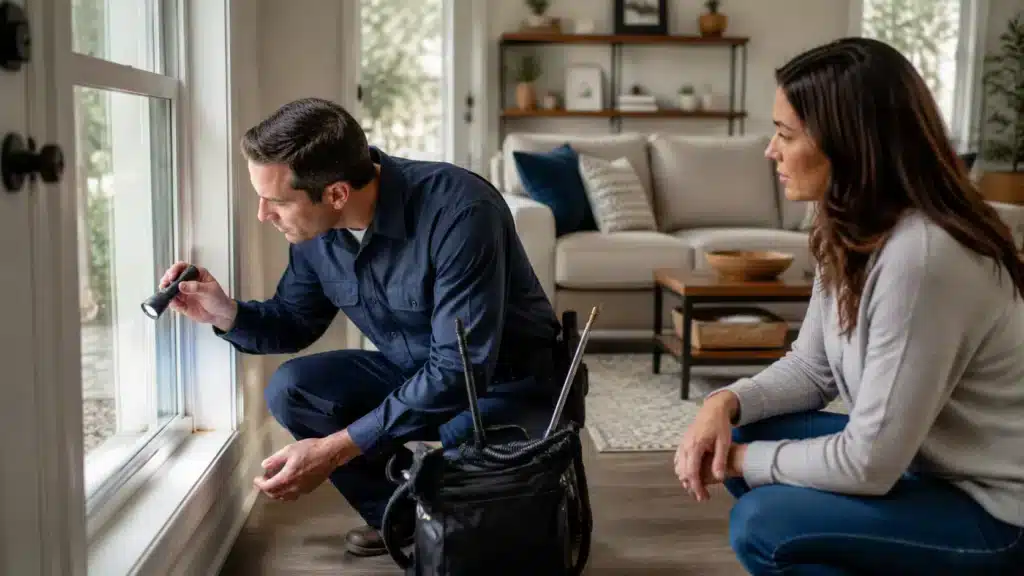
If you already have spiders inside your home, there are several practical steps you can take to remove them and reduce future activity.
Remove Spider Webs Regularly
Use a vacuum cleaner to remove spider webs, egg sacs, and spiders from corners, ceilings, windows, and storage areas.
Regular removal prevents spiders from building established webs and makes your home less attractive.
Reduce Insects Around Your Home
Because spiders depend on insects for food, controlling other pests can naturally reduce spider activity.
- Keep food stored properly
- Clean crumbs and spills quickly
- Remove standing water sources
- Repair areas where insects enter
Declutter Storage Areas
Boxes, old newspapers, and unused items create ideal hiding spaces. Keep garages, basements, and closets organized to remove spider-friendly environments.
Use Professional Spider Control When Needed
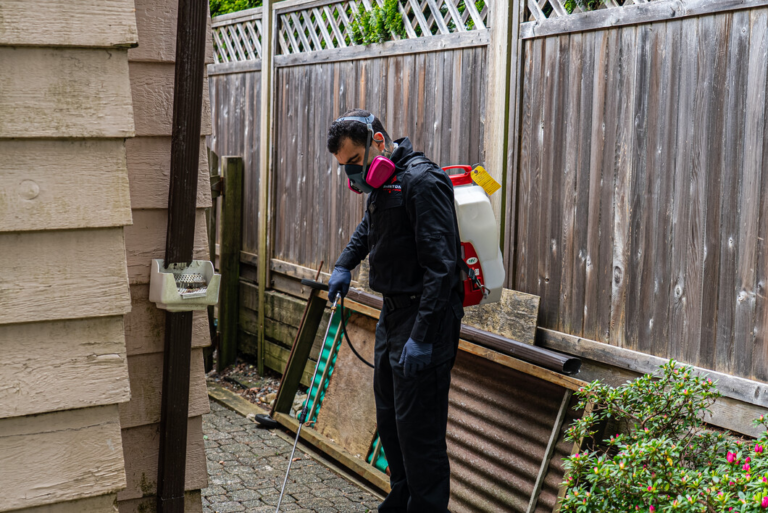
For repeated spider problems, removing individual spiders may not solve the issue. Professional spider control services can help locate spider activity, treat problem areas, and provide a more complete solution.
How to Prevent Spiders in Your House Long Term
The best way to keep spiders away is to make your home less attractive to them. Long-term prevention focuses on removing access points, reducing hiding spaces, and limiting food sources.
1. Seal Cracks and Openings
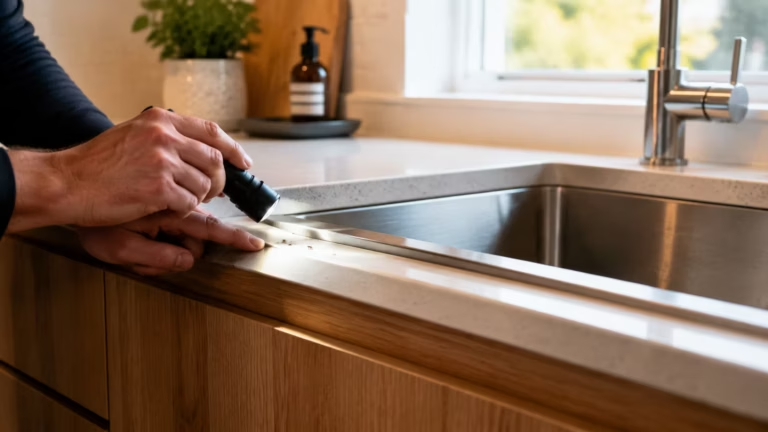
Inspect your home regularly and seal gaps around:
- Windows and doors
- Foundation walls
- Pipes and cables
- Exterior vents
- Garage entrances
2. Keep Your Home Clean
Regular cleaning removes spider webs and reduces hiding areas.
- Vacuum corners and ceilings
- Clean behind furniture
- Remove unused storage items
- Keep basements and garages organized
3. Manage Outdoor Areas
The area around your home can influence spider activity indoors.
- Keep firewood away from exterior walls
- Trim plants away from your home
- Remove leaves and debris near entrances
- Reduce outdoor insect activity
4. Install Screens and Door Sweeps
Well-maintained screens and door sweeps create a physical barrier that prevents spiders from entering through common access points.
Natural Spider Repellents: Are They Effective?
Many homeowners search for natural spider repellents because they prefer simple, chemical-free options. Some natural methods may discourage spiders in specific areas, but they usually work best when combined with proper cleaning and prevention.
Popular natural options include:
- Peppermint oil: Some homeowners use diluted peppermint oil near possible entry points.
- Vinegar solution: Vinegar-based cleaners may help clean areas where spiders appear.
- Citrus scents: Citrus cleaners are sometimes used around windows and doors.
- Regular vacuuming: Removing webs and hiding areas remains one of the most reliable natural methods.
Natural solutions may help with occasional spiders, but they are not always enough for ongoing infestations or larger pest problems.
Natural Solutions vs Chemical Spider Treatments
The best solution depends on the severity of your spider problem.
Natural Prevention Methods
- Useful for occasional spider sightings
- Affordable and easy to maintain
- Works best with cleaning and sealing methods
Chemical Treatments
- Can provide stronger control for active spider problems
- Can target areas where spiders hide
- Should always be applied according to safety instructions
A combination of prevention and professional treatment often provides the best long-term results.
When Should You Call Pest Control for Spiders?
Seeing an occasional spider is common. However, professional help may be needed when spider activity becomes frequent or difficult to control.
Consider contacting a pest control professional if:
- You regularly find spiders in different areas of your home
- Spider webs appear repeatedly after cleaning
- You notice spider egg sacs
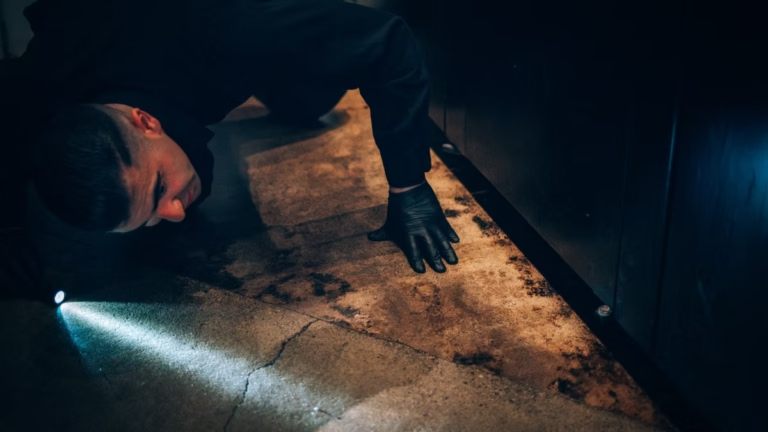
- You cannot find where spiders are entering
- Other insects are creating a food source for spiders
If spider activity continues despite prevention efforts, contacting professional pest control in Vancouver can provide a long-term solution for your home.
Step-by-Step Guide to Keep Spiders Out of Your Home
- Inspect your home: Look for cracks, gaps, and possible entry points.
- Seal openings: Close spaces around doors, windows, and foundations.
- Remove webs: Clean spider webs regularly.
- Reduce insects: Control the pests that attract spiders.
- Organize storage: Remove clutter where spiders hide.
- Use prevention methods: Apply natural or professional treatments when necessary.
- Schedule inspections: Get professional help if the problem continues.
Frequently Asked Questions
Why do spiders keep coming into my house?
Spiders usually enter homes because they find food, shelter, and easy access points. Other insects inside your home often attract them.
What is the best way to keep spiders out of my home?
The most effective approach is sealing entry points, reducing insects, removing clutter, and maintaining regular cleaning habits.
Do natural spider repellents work?
Natural repellents may help reduce spider activity in certain areas, but they work best when combined with other prevention methods.
How often should I remove spider webs?
Cleaning spider webs every few weeks can help prevent spiders from creating permanent hiding areas.
Are spiders dangerous inside homes?
Most household spiders are harmless and avoid people. If you are concerned about spider species in your area, a pest professional can help with identification and prevention.