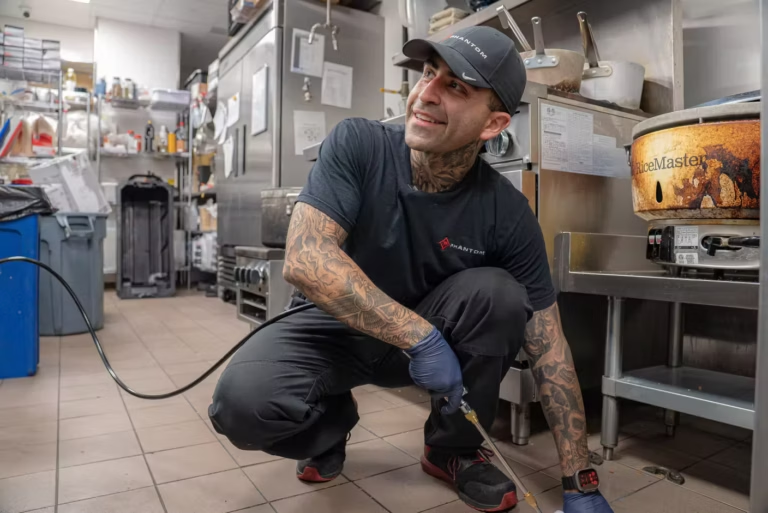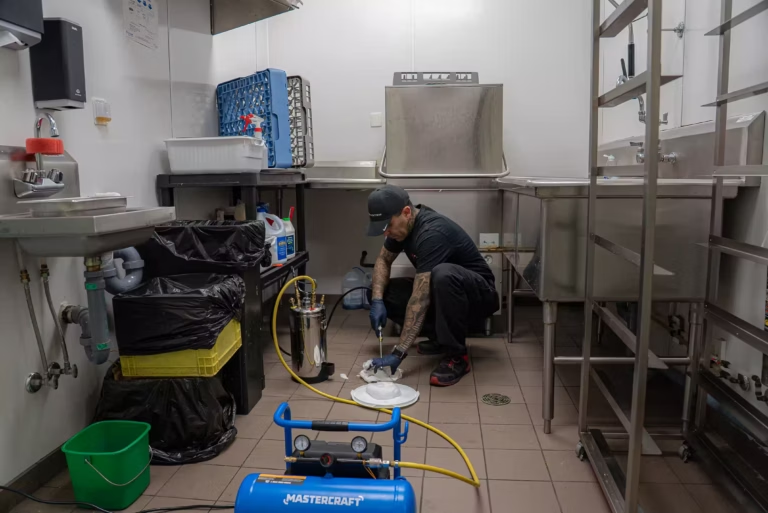
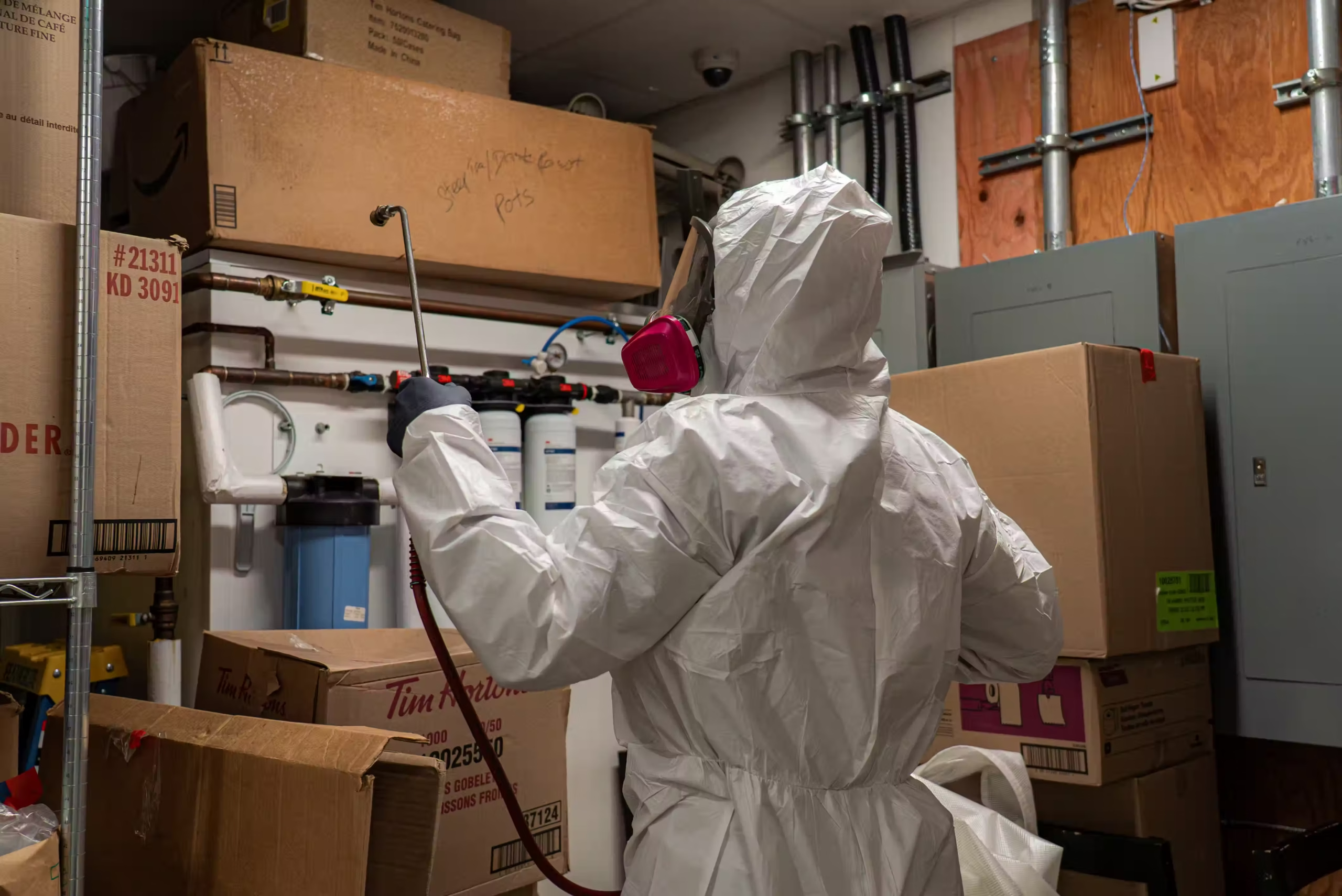
To answer how to get rid of mice in a restaurant, act on four fronts: protect food, remove mice with correctly placed protected traps, eliminate food and shelter, and repair entry points. Clean contamination safely and monitor the results. In a Vancouver food business, involve a pest-control professional promptly and seek Vancouver Coastal Health advice when food safety may be affected.
If you find droppings beside ingredients or see a mouse near preparation equipment, stop using the affected area. Keep staff away from contaminated materials, discard contaminated food, and inform the manager. Do not continue preparing food on surfaces that may be contaminated while waiting for treatment.
On this page10 sections
- Why Mice Keep Getting Into Vancouver Restaurants
- Signs of a Mouse Problem in Your Restaurant
- Where Mice Hide and Enter in a Restaurant
- How to Get Rid of Mice in a Restaurant: Step by Step
- Common Mistakes That Make Mouse Problems Worse
- Mice and Vancouver Health Regulations
- Restaurant Mouse Prevention Checklist
- When to Call a Professional Pest Control Company
- FAQs About Mice in Restaurants
- Conclusion
Why Mice Keep Getting Into Vancouver Restaurants
A restaurant offers dependable meals and hiding places: crumbs beneath equipment, leaking plumbing, discarded packaging, and quiet spaces behind walls. Cleaning visible counters will not solve an infestation if these resources remain available.
For Vancouver operators, inspect the connection between the kitchen and the surrounding property. A restaurant sharing walls, service corridors, or waste facilities with other tenants may need building-wide coordination. A repaired kitchen opening does little if mice can still travel through a shared utility chase.
Check the building throughout the year rather than waiting for colder weather. Include receiving doors, exterior penetrations, and shared waste areas in the inspection. Phantom’s Vancouver rat and mouse control services address rodent problems in homes and businesses, including restaurants.
Signs of a Mouse Problem in Your Restaurant
Look for a pattern of evidence, rather than relying on a single sighting. Common warning signs include:
- Small droppings beside shelving, behind appliances, or in cupboards.
- Gnawed bags, cartons, container lids, or building materials.
- Shredded paper or other nesting material in undisturbed spaces.
- Scratching or movement sounds around walls and service voids.
- Live mice, dead mice, or repeated activity recorded by monitoring devices.
Photograph evidence without handling it and record where it appeared. Dropping size can help identify the pest, but appearance alone cannot reliably establish when contamination occurred. After safe cleanup, newly appearing evidence is a clearer indication of continuing activity.
Where Mice Hide and Enter in a Restaurant
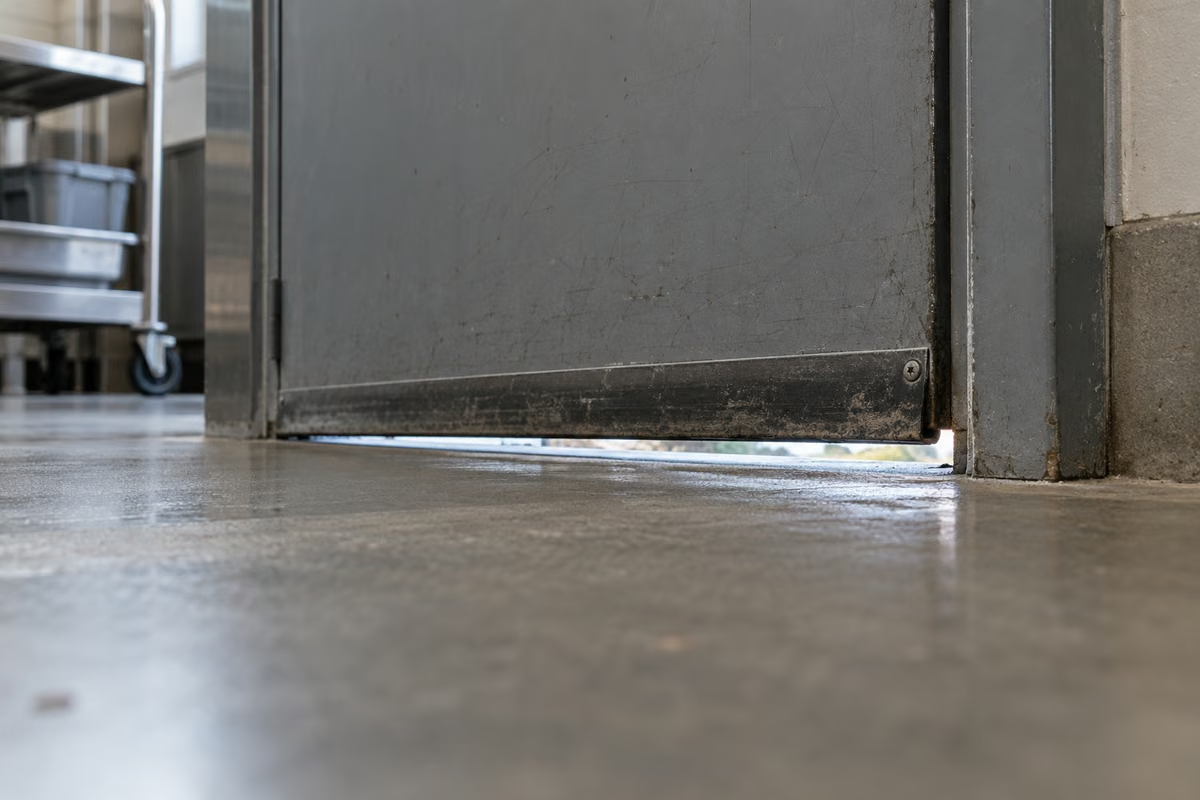
Follow the building perimeter and then inspect routes connecting storage, equipment, and utilities. Use a flashlight without disturbing droppings or opening electrical equipment.
Back Door and Receiving Area
Check the door when it is fully closed. Examine the threshold, bottom sweep, lower corners, and frame. Daylight beneath a door signals a sealing defect worth investigating.
Observe deliveries too. A well-fitted door offers little protection when it stays propped open. Organize receiving so staff bring goods inside promptly and close the entrance between trips. Inspect incoming packaging for damage or pest evidence before moving it into storage.
Dry Storage and Walk-In Cooler
Inspect behind shelving, under pallets, and around cooler panels and door seals. The machinery and spaces surrounding a walk-in deserve attention as well as its interior.
Keep goods raised on shelving and leave sufficient access to inspect and clean underneath. Avoid stacking supplies so tightly against walls that staff cannot see the perimeter. Cover stored food and replace damaged containers or seals.
Pipes, Vents and Shared Walls
Trace openings around plumbing, cables, and ventilation penetrations. Ask the property manager to investigate inaccessible routes connecting neighbouring units.
Arrange repairs through qualified trades where necessary. Do not block ventilation, equipment clearances, drainage, or fire-protection systems while pest-proofing. Openings through fire-rated construction require an appropriate repair system.
Bins and the Back Lane
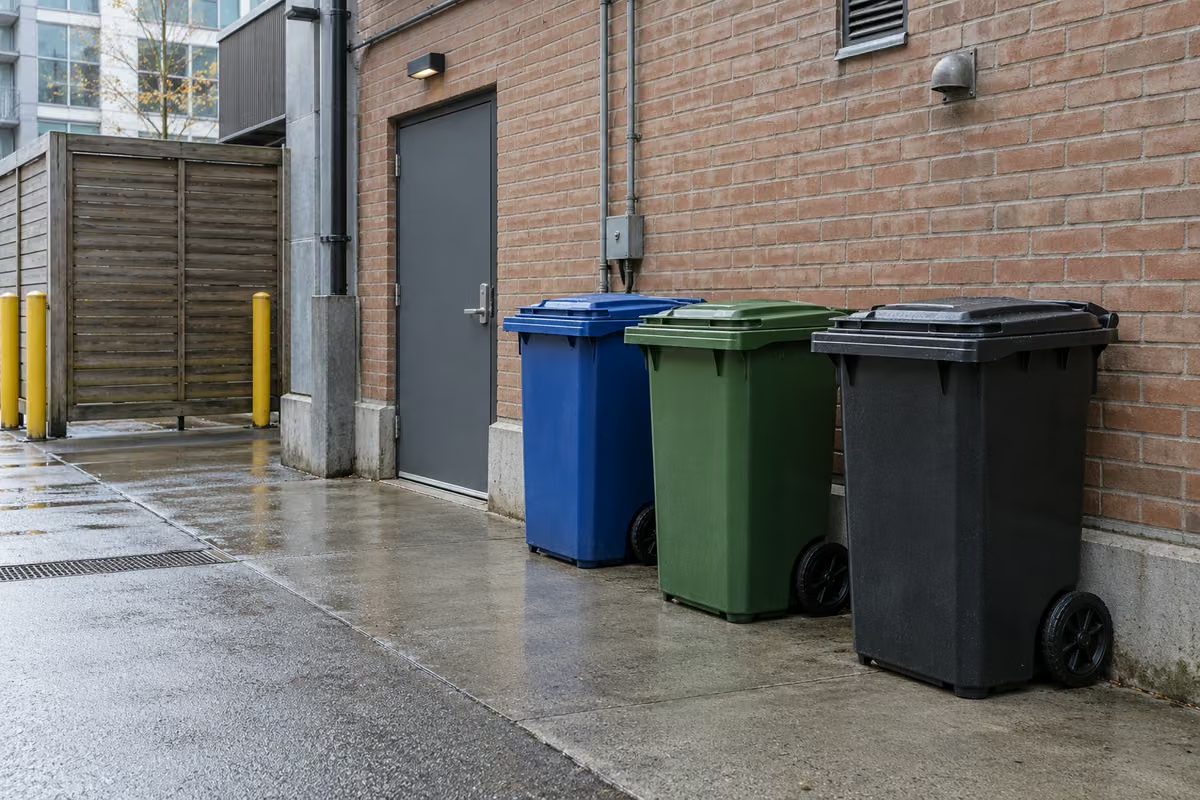
Inspect waste, organics, recycling, and grease-storage areas. Look for broken lids, overflowing containers, spilled food, and clutter against the building.
When several businesses share bins, agree who cleans the area, reports damage, and arranges collections. A shared problem needs named responsibilities; otherwise every tenant may assume someone else has dealt with it.
How to Get Rid of Mice in a Restaurant: Step by Step
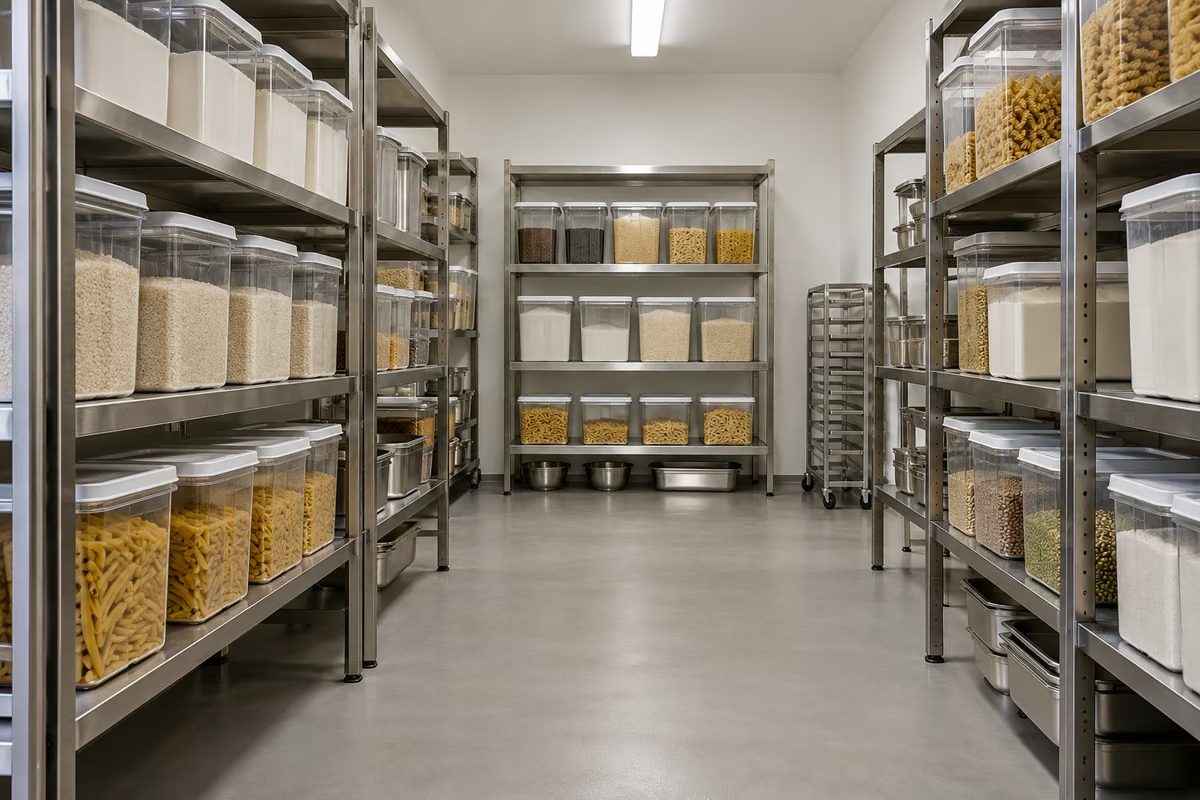
Begin food protection, safe cleanup, and professional assessment immediately. The steps below form a coordinated programme; you do not need to finish trapping before removing food sources or arranging repairs.
Step 1: Confirm Activity and Map Hot Spots
Create a simple floor plan marking sightings, contamination, suspected openings, and monitoring locations. Record the date, shift, and person reporting each observation.
Give the technician access to receiving, storage, dishwashing, utility rooms, and the exterior. Explain which equipment can be moved safely and where landlord permission is needed. Share previous service reports and recent repairs so the assessment starts with useful evidence.
Assign one manager to coordinate the response. Staff should report activity immediately, but changes to traps and repair plans should pass through that manager and the technician.
Step 2: Remove Food, Water and Shelter
Find what remains available after closing. A clean dining room does not compensate for food residue beneath a fryer or an open ingredient bag in storage.
- Transfer suitable dry ingredients into food-grade, pest-resistant containers with tight lids.
- Remove spills beneath accessible equipment and around shelving feet.
- Clear dirty dishes and food residue before staff leave.
- Repair leaks and investigate persistent condensation.
- Remove unnecessary cardboard and unused supplies.
- Keep waste contained and close bin lids after every use.
Maintain ingredient identification, allergen information, and stock rotation when transferring products. Do not combine unknown leftovers or lose traceability while reorganizing storage. Give each closing task an owner so it happens on busy nights too.
Step 3: Trap Correctly
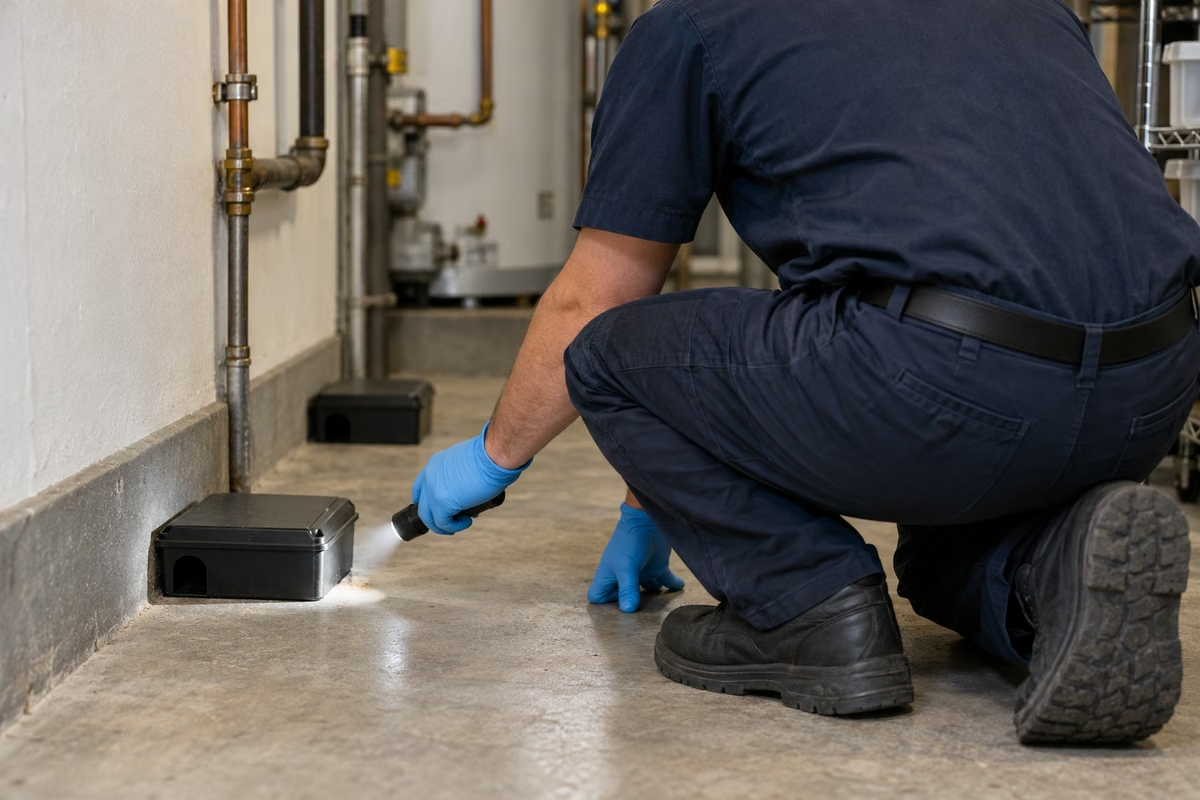
Use mouse-sized mechanical traps selected for the site. Position them on identified travel routes, commonly along walls and behind accessible equipment, rather than in the middle of open floor space. Health Canada’s rodent-control guidance describes placing uncovered snap traps perpendicular to a wall, with the baited end nearest it.
In a working restaurant, protect traps inside suitable secured, tamper-resistant housings. Place station entrances along the travel route according to the equipment instructions. Keep devices away from food-contact surfaces, exposed ingredients, customers, and places where staff could disturb them.
Number stations, mark them on the plan, and assign trained personnel to check them at least daily during active control. Remove captures promptly using the cleanup precautions below. Tell staff to report disturbed stations instead of relocating them.
Do not scatter loose poison bait near food or preparation surfaces. Any proposed rodenticide use should be assessed by a qualified professional against current B.C. restrictions and the product label. Trapping, sanitation, and exclusion remain essential.
Step 4: Seal Entry Points
Fit durable door sweeps, repair thresholds, and close identified gaps with materials suitable for the building. Foam alone is not a dependable barrier against gnawing rodents.
Inspect small openings carefully; HealthLink BC recommends addressing exterior entry points larger than approximately 6 mm. Let the technician coordinate exclusion with removal so repairs do not simply leave animals trapped in inaccessible spaces.
For structural gaps or difficult penetrations, Phantom offers pest exclusion and entry-point sealing. Confirm the scope of repairs and identify any work requiring a landlord or building contractor.
Step 5: Clean and Sanitize
Never dry sweep or vacuum mouse droppings. Keep food and uninvolved staff out of the cleanup area. Obtain professional advice for extensive contamination or inaccessible spaces.
Follow HealthLink BC’s safe rodent-cleanup guidance: ventilate enclosed spaces for 30 minutes before starting; wear rubber gloves, goggles, and an appropriate well-fitting filter mask or respirator. Seek advice on respiratory protection and its limitations.
- Carefully pour suitable disinfectant onto debris without spraying or stirring dust. Allow it to soak for 10 minutes, following product safety instructions.
- Lift droppings and nesting material with disposable towels.
- Seal waste in double bags and dispose of it according to local requirements.
- Disinfect affected surfaces and clean gloves before removal; then wash hands.
For food-contact equipment, complete the restaurant’s approved washing and sanitizing procedure before reuse, including any required rinsing. Use products appropriate for the surface and follow label directions. Never mix cleaning chemicals.
Discard contaminated ingredients and gnawed food packages. Do not remove the damaged portion and serve the rest. Ask the Environmental Health Officer about uncertain stock or contamination affecting equipment that cannot be cleaned fully.
Step 6: Monitor and Follow Up
Compare daily observations with the original map. Record captures, new droppings after cleanup, station condition, and completed repairs. No catches alone do not prove control if other evidence continues.
Persistent activity should trigger a reassessment of device placement, hidden food, and unsealed routes. Check whether a shared building area is supplying new mice.
Continue inspections after visible activity stops. Phantom’s regular pest maintenance programmes include monitoring and restaurant preventive services. Agree a follow-up schedule based on the premises and findings.
Common Mistakes That Make Mouse Problems Worse
Small operational shortcuts can undermine an otherwise sensible control plan:
- Cleaning only visible surfaces: assign deep-cleaning access beneath and behind equipment.
- Stopping after one capture: use monitoring evidence to judge progress.
- Moving stations during mopping: maintain their mapped locations and report obstructions.
- Ignoring shared spaces: involve the landlord when routes extend beyond the unit.
- Using repellents as the solution: ultrasonic devices and essential oils should not replace removal, sanitation, and exclusion.
- Leaving repairs unresolved: give each defect a responsible person and completion date.
Also review handovers. A daytime manager may approve repairs while the evening shift continues propping open the same door. Explain the practical reason behind each change so the entire team follows it.
Mice and Vancouver Health Regulations
Restaurant rodent control is a food-safety responsibility. Vancouver Coastal Health’s food-safety programme includes inspections and guidance for operators.
B.C. Food Premises Regulation Requirements
The B.C. Food Premises Regulation establishes these relevant duties:
- Section 26: premises must be free of pests, pest-harbouring or breeding conditions, and protected against pest entry.
- Sections 12 and 13: protect food from contamination; contaminated food must not be stored, displayed, offered for sale, or sold.
- Section 17: maintain sanitary premises and wash and sanitize equipment to remove contamination.
- Section 24: maintain written sanitation procedures identifying cleaning agents and any pesticides, their uses, and storage requirements.
- Section 7: immediately notify a health officer of circumstances that may cause a health hazard.
For activity that may compromise food safety, contact your Environmental Health Officer promptly. A pest-control appointment does not replace that notification duty.
Fines, Closure Orders and Reopening
A mouse sighting does not automatically mean a fixed fine or closure. Enforcement depends on the circumstances and applicable powers. The B.C. Public Health Act provides powers to address hazards and contraventions, including orders restricting activities or closing premises, and penalties for applicable offences.
If an order is issued, comply with its terms and ask the issuing officer what is required before reopening. A contractor’s treatment report alone does not override an order. Do not assume that reopening is permitted after a particular number of days or captures.
Prepare an organized record of disposal, cleanup, repairs, and monitoring for the officer’s review. Confirm any required inspection or authorization directly with the health authority.
Restaurant Mouse Prevention Checklist
Use this checklist as a starting point for your operating routine. Increase inspections where activity has occurred and assign a supervisor to review completion.
Daily tasks
- Check receiving and storage areas for new pest evidence.
- Inspect deliveries and close receiving doors promptly.
- Contain ingredients, clear food residue, and complete closing cleanup.
- Empty indoor waste as needed and keep exterior bin lids closed.
- Report leaks, damaged seals, and disturbed monitoring stations.
- Complete assigned trap checks during active control and record findings.
Weekly tasks
- Inspect behind shelving and safely movable equipment.
- Check door sweeps, frames, cooler seals, and accessible penetrations.
- Remove accumulated cardboard and unnecessary stored items.
- Inspect waste containers for damage and clean the surrounding area.
- Review the pest log and outstanding repair requests.
Ongoing tasks
- Maintain scheduled professional inspections and monitoring.
- Recheck exclusion after plumbing work, renovations, or equipment changes.
- Train new staff in reporting, waste handling, and safe cleanup escalation.
- Coordinate shared-space repairs and collections with the property manager.
- Keep sanitation procedures and service records accessible to supervisors.
When to Call a Professional Pest Control Company
Arrange professional assessment promptly when you confirm mouse activity in a restaurant. Escalate particularly quickly for contaminated food, repeated sightings, inaccessible nests, multiple affected rooms, or activity continuing despite initial measures.
Ask the provider how it will identify travel routes, protect trapping devices, document findings, coordinate exclusion, and follow up. Explain your opening hours and food-handling areas so the proposed work suits the operation.
Phantom provides commercial pest control for restaurants and food-service businesses. Request a site-specific plan rather than assuming every premises needs identical equipment or visit intervals. Consult Vancouver Coastal Health separately when contamination, safe operation, or an inspection order needs clarification.
FAQs About Mice in Restaurants
Does one mouse mean the restaurant has an infestation?
One sighting confirms activity, but not its extent. Inspect promptly for additional evidence and arrange assessment rather than assuming the mouse was an isolated visitor.
Can we stay open while dealing with mice?
Do not use contaminated food or affected preparation areas. Whether operations can continue depends on the food-safety circumstances and any health-authority direction. Seek Environmental Health Officer advice promptly.
How long does restaurant mouse removal take?
There is no dependable universal timeline. Access, hidden nesting, food availability, repairs, and shared-building routes affect progress. Use follow-up evidence rather than a promised number of days.
Are covered traps safe around a commercial kitchen?
Suitable protected traps can form part of a control plan when correctly positioned and serviced. They belong away from exposed food and food-contact surfaces, with access controlled and locations documented.
Will peppermint oil or ultrasonic devices solve the problem?
Do not rely on them to remove an infestation. They do not replace a programme that removes mice, limits available food, closes access routes, and verifies results.
What if mice return after treatment?
Report the new evidence and request reassessment. Review open repair items, altered station locations, receiving practices, and neighbouring spaces. Recurring activity needs investigation, not simply more devices.
Conclusion
Successful restaurant mouse control combines an immediate food-safety response with protected trapping, thorough sanitation, durable exclusion, and documented follow-up. Make the closing routine and repair plan specific enough that every shift can carry them out.
Phantom Pest Control offers rodent control, commercial services, exclusion work, and regular maintenance in Vancouver and surrounding service areas. To discuss your restaurant’s situation, contact Phantom Pest Control about an inspection or call 604-771-0404.