Professional wildlife control, wildlife removal, and wildlife exclusion for homes, businesses, and managed properties across Vancouver and the Lower Mainland.
Wildlife Control Services in Vancouver
- WHAT ARE PEST WILDLIFE
Pest wildlife refers to wild animal species that cause damage, health risks, or disruption when they access, occupy, or nest on residential, commercial, or managed properties. In Vancouver and the Lower Mainland, the most commonly encountered pest wildlife species include raccoons, squirrels, skunks, opossums, and birds nesting in structural cavities. These animals have adapted well to urban and suburban environments and are found throughout Metro Vancouver, Burnaby, Richmond, Surrey, Coquitlam, North Vancouver, Langley, and the Fraser Valley. While wildlife is a natural part of the local environment, animals accessing buildings and properties create damage, hygiene risks, and safety concerns that require professional attention.
- WHY PEST WILDLIFE ARE A SERIOUS PROBLEM
Wildlife accessing a property causes a range of problems that extend well beyond the initial intrusion. Animals nesting inside attics, crawl spaces, roof voids, and wall cavities cause direct damage to insulation, vapour barriers, wiring, and structural components. Raccoons and squirrels in particular are capable of causing significant damage in a short period of time, and chewed electrical wiring creates a genuine fire hazard. Wildlife droppings and nesting materials introduce bacteria, parasites, and pathogens into the building, creating serious hygiene and health risks for occupants, employees, and tenants. For commercial properties, food facilities, warehouses, and managed buildings, wildlife activity can result in failed inspections, product contamination, and significant liability.
- WHAT ATTRACTS PEST WILDLIFE
Wildlife is attracted to properties that offer reliable food sources, water, and sheltered locations to nest and raise young. Unsecured garbage and recycling bins, compost, accessible pet food, bird feeders, and food waste around restaurants and commercial facilities are among the most common attractants. Gaps in rooflines, soffits, fascia, and foundation vents provide entry points that allow wildlife to access attics, crawl spaces, and wall voids. Overgrown vegetation, wood piles, and cluttered outdoor areas provide additional shelter and cover. Properties adjacent to green spaces, parks, ravines, and natural areas throughout the Lower Mainland experience consistently higher wildlife pressure due to the proximity of natural habitat.
General Information About Wildlife
WILDLIFE ACTIVITY IN VANCOUVER & THE LOWER MAINLAND
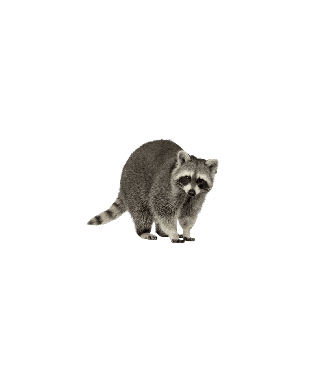
Vancouver and the Lower Mainland have some of the highest urban wildlife populations in Canada, driven by the region’s mild climate, abundant green spaces, and the proximity of natural habitat to densely populated residential and commercial areas. Raccoons are among the most commonly reported wildlife pests across the region, found in virtually every neighbourhood from downtown Vancouver to the suburbs of Langley, Abbotsford, and Maple Ridge. Their intelligence, adaptability, and dexterity make them particularly difficult to manage without a systematic exclusion approach.
Squirrels are a persistent and frequently underestimated wildlife pest throughout Metro Vancouver and the Fraser Valley. Grey squirrels and red squirrels are both present in the region and are known to access attics, roof voids, and wall cavities through small gaps in the building envelope. Once inside, squirrels gnaw on structural timber, insulation, and electrical wiring, and establish nesting sites that attract further activity. Squirrel infestations in residential and strata buildings are a common and recurring issue, particularly in properties surrounded by mature trees.
Skunks and opossums are regular visitors to residential neighbourhoods, commercial properties, and managed sites across the Lower Mainland. Skunks den under decks, porches, sheds, and building foundations, and their presence near a property creates obvious odour risks as well as concerns for pets and residents. Opossums are opportunistic feeders that access garbage, compost, and outdoor food sources and can establish denning sites in sheltered areas under structures. For property managers and strata councils, wildlife activity across shared grounds and building exteriors requires a coordinated and consistent management approach to address effectively.
PROFESSIONAL WILDLIFE CONTROL, REMOVAL & EXCLUSION
Effective wildlife control requires more than simply removing the animal. Without identifying and sealing the entry points that allowed access, and addressing the attractants that drew wildlife to the property in the first place, the same problem will return. Phantom Pest Control provides professional wildlife inspections, humane wildlife removal, and comprehensive exclusion services for residential properties, commercial facilities, strata complexes, and managed portfolios across Vancouver and the Lower Mainland. Our team assesses the full extent of wildlife activity on the property, identifies all entry points and vulnerable areas, and develops a removal and exclusion plan tailored to the species and the building.
Wildlife removal is carried out humanely and in compliance with all applicable British Columbia wildlife regulations. Following removal, Phantom Pest Control performs thorough exclusion work to seal the entry points and structural gaps that allowed wildlife to access the building. Exclusion is the most critical component of long-term wildlife control — without it, new animals will locate and use the same entry points repeatedly. Our exclusion work addresses rooflines, soffits, fascia, foundation vents, crawl space entries, and any other vulnerable areas identified during the inspection, using professional-grade materials suited to the species and the building type.
For commercial properties, strata buildings, property managers, and managed portfolios, ongoing wildlife management programs are available to provide consistent monitoring, exclusion maintenance, and rapid response to new wildlife activity across the property. Wildlife pressure in urban and suburban areas of the Lower Mainland does not diminish on its own, and a proactive management approach is the most cost-effective way to protect buildings, reduce liability, and maintain safe and hygienic conditions for occupants, employees, and tenants year-round.
WILDLIFE IDENTIFICATION
COMMON TYPES: Raccoon, grey squirrel, red squirrel, skunk, opossum, and various nesting bird species
APPEARANCE: Varies significantly by species — raccoons are stocky with a distinctive masked face, squirrels are slender with bushy tails, skunks are black and white with a stocky build, opossums are grey with a pointed snout and hairless tail
SIZE: Squirrels 25cm to 35cm, opossums 35cm to 55cm, skunks 40cm to 70cm, raccoons 40cm to 70cm plus tail
COLOUR: Grey and black (raccoon), grey or reddish-brown (squirrel), black and white (skunk), grey and white (opossum)
NESTING AREAS: Attics, roof voids, crawl spaces, wall cavities, under decks and porches, shed foundations, and dense vegetation
ACTIVITY: Raccoons and opossums are primarily nocturnal, squirrels are active during the day, skunks are most active at dusk and dawn
LIFECYCLE: Most species produce one to two litters per year, with young remaining dependent on the mother for several months
REPRODUCTION: Raccoons typically produce litters of two to five young in spring, squirrels produce two litters per year, skunks and opossums produce one to two litters annually
PRIMARY RISKS: Structural damage, chewed wiring, insulation contamination, droppings and associated pathogens, odour, pet safety risks, and liability for property owners and managers
SIGNS OF A WILDLIFE PROBLEM
Scratching, thumping, or movement sounds in the attic, ceiling, or walls
Droppings found in the attic, crawl space, or around the building exterior
Damaged soffits, fascia, or roof vents around the roofline
Disturbed garbage bins, compost, or outdoor food sources overnight
Strong odour indicating skunk activity near the foundation or under structures
Chewed wiring, insulation, or structural timber in the attic or crawl space
Visible wildlife entering or exiting the building at dawn, dusk, or night
Tracks, smear marks, or damage around entry points on the building exterior
WHERE WILDLIFE ARE COMMONLY FOUND
Attics, roof voids, and ceiling spaces in residential and commercial buildings
Crawl spaces and basement areas with accessible entry points
Under decks, porches, sheds, and building foundations
Soffits, fascia, and roof vent areas with gaps or damage
Garbage and recycling areas on residential, commercial, and strata properties
Overgrown gardens, wood piles, and cluttered outdoor areas
Properties adjacent to parks, ravines, and green belts throughout the Lower Mainland
PRICING - RESIDENTIAL
Service / Treatment
House (residential)
Condo / Apt / Townhouse
2 traps setup + 2 visits (1 week)
$350 + GST
—
Rebait / reset traps
$78 + GST
—
Relocate animal
$125 + GST
—
Additional traps (beyond 2)
+$50 / trap + GST
—
Second week — 2 visits
No guarantees for catching the animal
$125 / week + GST
—
INSPECTION FEES
Property Type
Fee
Notes
Residential (House)
$150 + GST
+$50 attic/crawlspace (waived if service booked same day)
Condo / Apt / Townhouse
$125 + GST
+$50 attic/crawlspace (waived if service booked same day)
Commercial
Complimentary - Free
Contact us to schedule a free site inspection
DISCOUNTS & SPECIAL OFFERS
SERVICE
DISCOUNT / OFFER
Bundle discount
15% off when combining 2 or more services
Senior discount
5% off for senior clients
Referral discount
$25 off for both the referring client and the new client
Prices are subject to change based on property size, severity of infestation, and specific treatment requirements. All prices are in CAD and exclude GST unless otherwise noted. Standard pricing applies to residential properties in the Greater Vancouver / Lower Mainland area. Commercial clients require a complimentary inspection for a customized quote.
STOP WILDLIFE PROBLEMS TODAY. CONTACT PHANTOM PEST CONTROL.
Professional wildlife inspections, humane removal, and comprehensive exclusion services designed to protect your property from wildlife damage and prevent future intrusions across Vancouver and the Lower Mainland.