You spot a tiny brown insect on the bed. Then you notice an itchy patch on your arm. It is easy to connect the two, but that does not tell you which pest you have—or whether the insect caused the irritation.
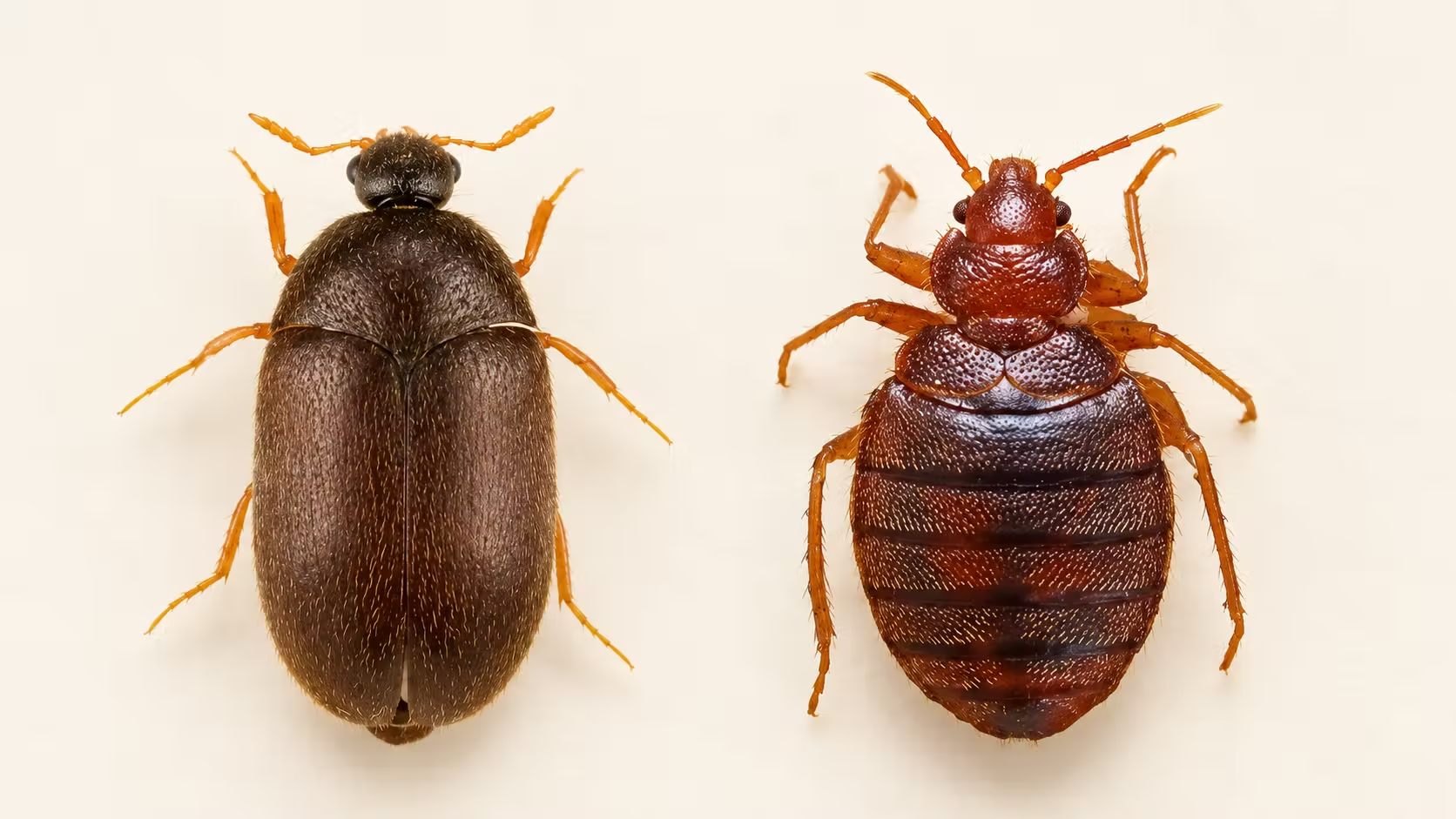
Bed bugs feed on blood. Carpet beetle larvae feed on materials such as wool, hair, and feathers, and their bristles can irritate sensitive skin. Adult bed bugs have flat, oval bodies; carpet beetles have hard wing covers, while their larvae look like small, hairy worms.
When comparing bed bugs vs carpet beetles, start with the insect itself and the evidence around it. A careful look now can save you from treating the wrong pest.
On this page8 sections
Bed Bugs and Carpet Beetles: Key Differences at a Glance
| What to compare | Bed bugs | Carpet beetles |
|---|---|---|
| Adult body | Flat and oval before feeding | Rounded or oval, with hard wing covers |
| Adult colour | Brown; more reddish after feeding | Mottled white, brown, yellow, or orange; some species are solid dark |
| Typical adult size | About 5–7 mm | Common species roughly 2–5 mm |
| Young stage | Small, pale nymph with an adult-like shape | Elongated larva with hairs or bristles |
| Flight | Cannot fly | Adults can fly; larvae cannot |
| Food | Blood | Larvae eat animal materials and some stored foods; adults feed on pollen and nectar |
| Useful evidence | Live bugs, dark fecal spots, eggs, shed skins | Hairy larvae, bristly cast skins, damaged fabrics |
| Skin effects | Bites may cause itchy reactions | No bites; larval hairs may cause irritation |
These are clues, not a diagnosis from one feature. A small dark insect could be either pest—or something else entirely. Body shape and life stage are more useful than colour alone.
How to Identify Bed Bugs and Carpet Beetles
Adult Appearance: Size, Shape, Color, and Wings
An unfed adult bed bug looks a little like a flattened apple seed. After a blood meal, its body becomes fuller, longer, and more reddish. It has six legs and antennae, but cannot fly.
Adult carpet beetles have a firmer, more rounded profile. Some have a speckled pattern; black carpet beetles are darker and more elongated. Patterned scales can wear off as beetles age, so the absence of spots does not rule them out.
If the insect flies, it is not a bed bug. If it crawls, you still need to check its body and other features. Phantom’s bed bug identification guide offers more detail for checking a suspected specimen.
Carpet Beetle Larvae vs. Bed Bug Nymphs
This is often the easiest comparison. Carpet beetle larvae have elongated bodies with visible hairs or bristles. Depending on the species, they may look striped or have a tuft of longer hairs at the rear.
Bed bug nymphs look like smaller versions of adult bed bugs. They are flat and oval, with legs clearly extending from the body. Young, unfed nymphs are pale enough to be difficult to see; after feeding, blood may be visible through the abdomen.
A fuzzy, wormlike insect is more consistent with a carpet beetle larva than a bed bug nymph. Keep a specimen if you can, especially when the insect is too small to examine clearly.
Feeding Habits, Activity Patterns, and Hiding Places
Bed bugs stay near places where people sleep or rest. Mattress seams, headboard joints, box springs, and sofa crevices offer shelter close to a host. They usually feed at night, although they can feed during the day.
Carpet beetle larvae gather where food is available: wool garments, rugs, feathers, pet hair, dead insects, and neglected debris. Adults often appear near windows. A beetle on a windowsill and larvae beneath a wool rug can be parts of the same problem.
Bed Bug Bites vs. Carpet Beetle Rash
How Bites and Larval Hairs Affect the Skin
Bed bugs pierce the skin to feed. Some people develop itchy bumps; others show no obvious reaction. The appearance of a mark does not reliably reveal when or where the bite happened.
Carpet beetles do not bite people. Their larvae have hairs that can cause irritation or an allergic reaction in susceptible people. Those hairs may remain in fabrics or shed skins, so contact can occur without seeing a larva on your skin.
Why Skin Reactions Alone Cannot Identify the Pest
Neither a line of bumps nor an itchy patch confirms bed bugs. The US EPA explains that skin reactions are a poor indicator of a bed bug infestation because other insect bites and skin conditions can look similar. Some people do not react to bed bug bites at all.
Check for insects and physical evidence instead of choosing a spray based on your rash. If symptoms persist or worsen, seek medical advice while you investigate the home.
How to Check Your Home for Each Pest
Bed Bug Evidence: Live Bugs, Dark Spots, Eggs, and Shed Skins
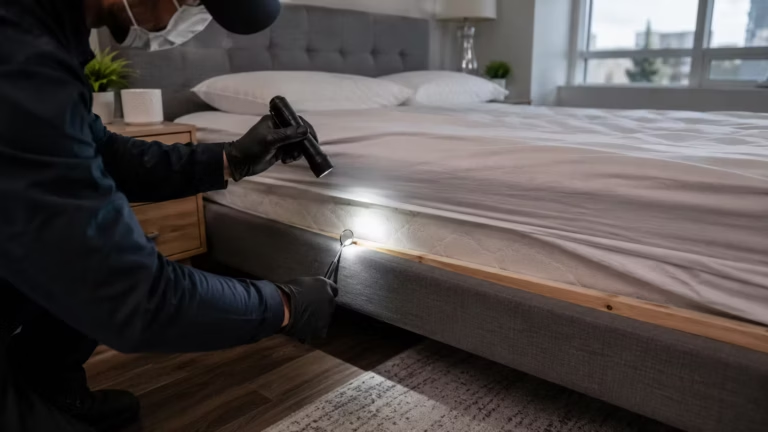
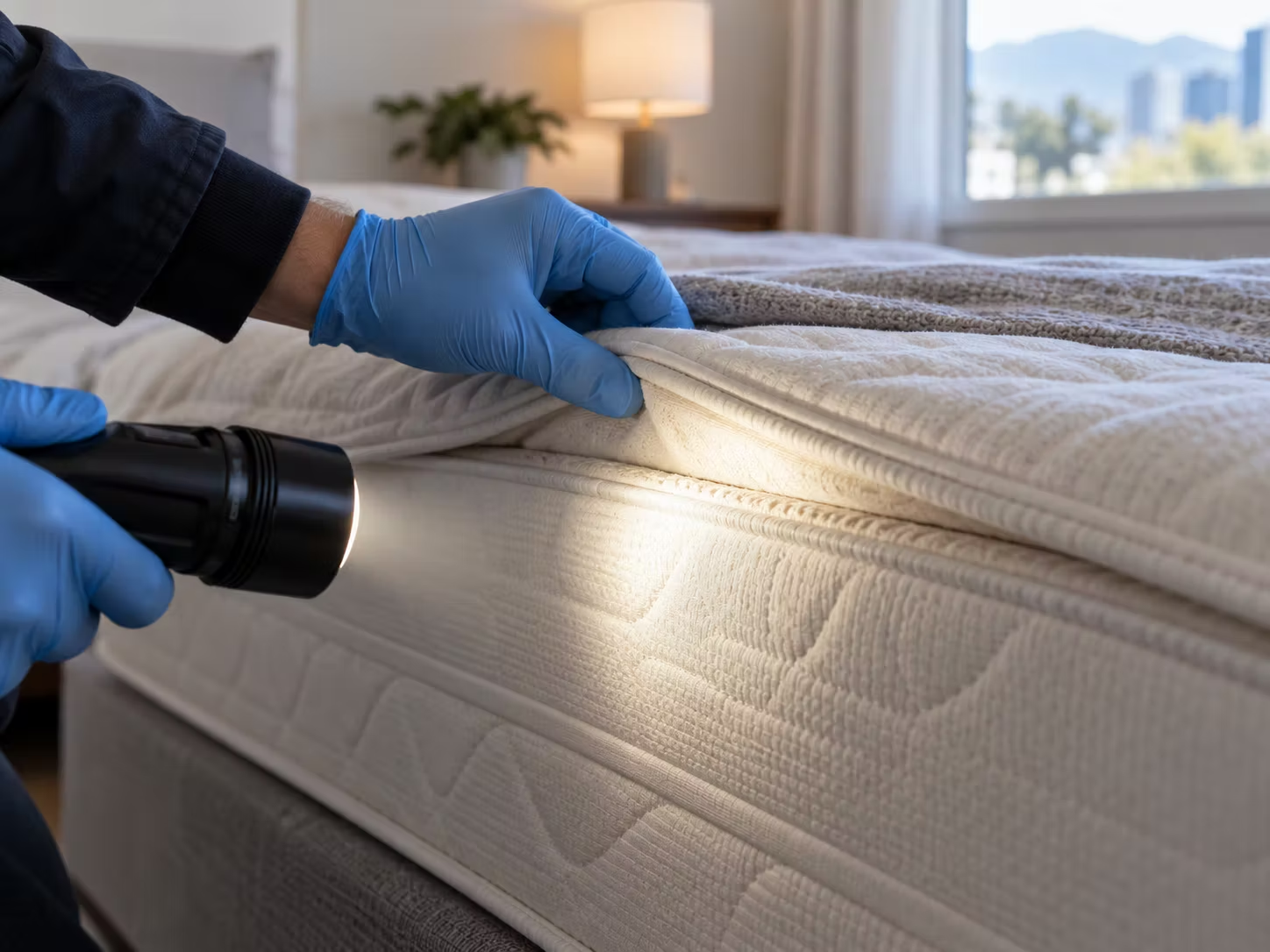
Take a flashlight and work slowly around the bed. Examine mattress piping and tags, box spring edges, bed frame joints, and the back of the headboard. Check nearby upholstered seating too.
- Live bugs: Flat brown adults or smaller pale nymphs.
- Dark spots: Fecal marks that can resemble small ink dots.
- Eggs and eggshells: Tiny pale objects, with eggs about 1 mm long.
- Shed skins: Empty shells that retain the insect’s shape.
One stain can have an ordinary explanation. Several clues in the same hiding place deserve closer attention. Our guide to early signs of bed bugs explains what to look for during a wider inspection.
Carpet Beetle Evidence: Hairy Larvae, Cast Skins, and Fabric Damage
Start with vulnerable fabrics and quiet corners. Check stored woolens, blankets, rug edges, pet bedding, and the space beneath furniture that rarely moves.
Look for hairy larvae, bristly brown cast skins, and irregular holes or worn patches. Inspect the surrounding debris as well. A rug may attract attention while a nearby accumulation of pet hair or dead insects is helping sustain the larvae.
Fabric damage alone is not enough: clothes moths and other causes can leave holes too. Finding larvae or identifiable skins makes the evidence more useful.
How to Collect a Specimen for Reliable Identification
Place the insect in a small, securely closed container without crushing it. Take clear photographs from above and the side, with a ruler nearby for scale. Note the room, exact location, and date.
Keep cast skins separately and photograph the discovery site before cleaning. A pest professional can often learn more from an intact specimen than from a blurry close-up. There is no need to decide on treatment before you know what you found.
What to Do After Identifying the Pest
Carpet Beetle Control: Locate the Source, Vacuum, and Clean Infested Fabrics
The important question is where the larvae are developing. Removing an adult from the window will not resolve a source hidden in a closet or beneath furniture.
- Find the source. Examine nearby fabrics, stored belongings, lint, pet hair, and dead insects.
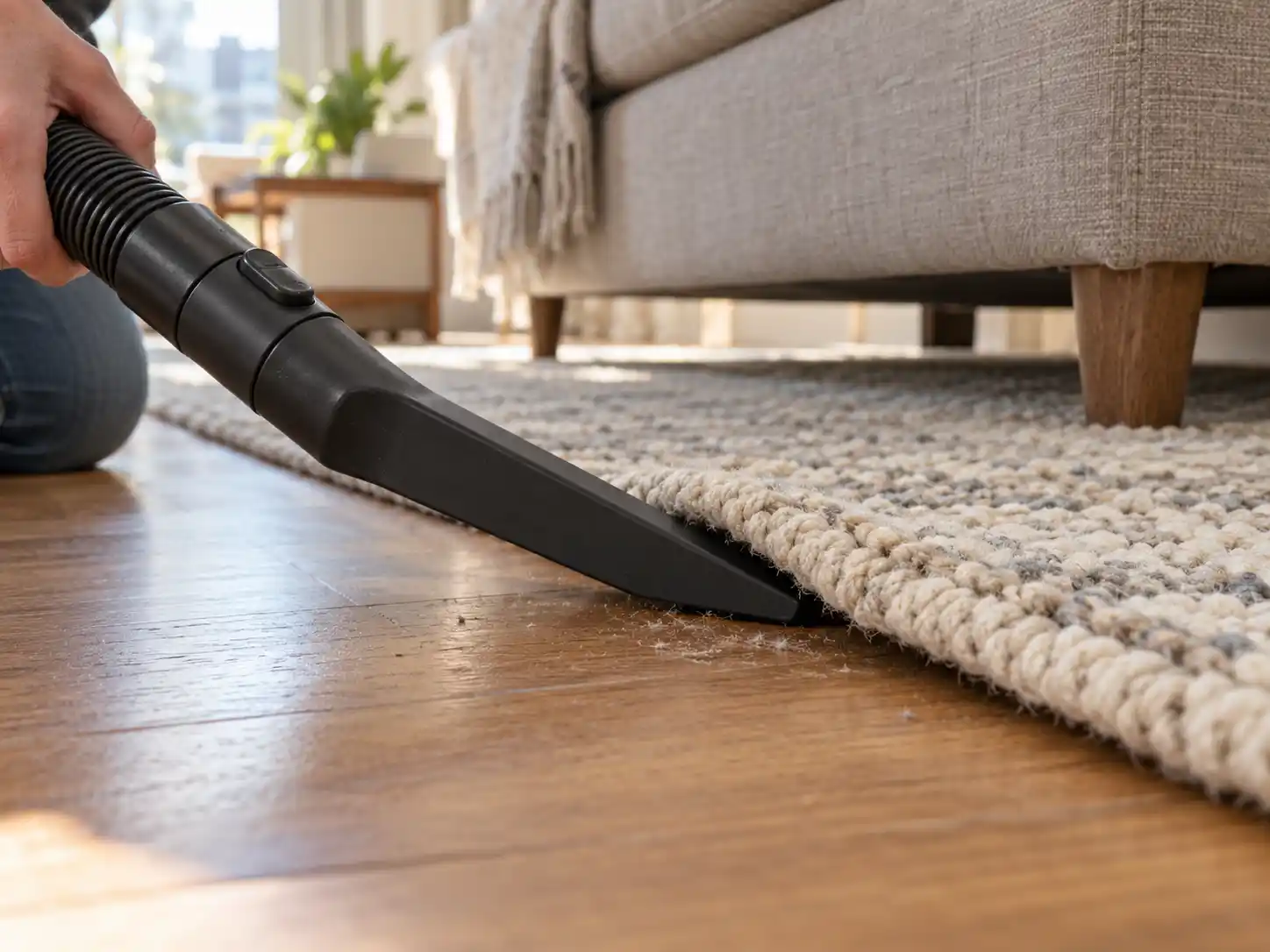
- Vacuum thoroughly. Work along edges, beneath furniture, and into accessible crevices. Seal and discard collected debris outside.
- Clean affected items. Launder or dry-clean fabrics according to their care instructions.
- Protect clean belongings. Put pest-free items in sealed containers and inspect for fresh activity.
If larvae keep returning, the source may be somewhere you cannot easily reach. Phantom’s beetle control service in Vancouver can help with identifying the species and investigating persistent activity.
Bed Bug Control: Containment, Monitoring, and Targeted Treatment
Bag suspect textiles before carrying them through the home, and keep treated belongings separate. For fabrics that tolerate it, appropriate dryer heat is a useful control step. Washing or sealing an item in a bag should not be treated as proof that every bug is dead.
If clothing is involved, follow our guide to handling bed bugs in clothes for containment and clean storage.
Vacuuming, bed bug interceptors, and purpose-made mattress encasements can support a treatment plan. They will not necessarily reach bugs hidden elsewhere. Avoid foggers and improvised room heating.
Arrange professional bed bug control for confirmed activity. Before a scheduled visit, use the technician’s instructions and the relevant treatment preparation and aftercare sheets.
When to Contact a Pest Control Professional
Get help when identification remains uncertain, bed bugs are confirmed, larvae return after cleaning, or evidence appears in several rooms. A professional inspection can establish the extent of the problem and guide the next steps.
Tenants should notify their landlord promptly about suspected or confirmed bed bug evidence. In apartments and condos, coordinated inspection may be needed. Phantom’s pest control for managed properties supports that building-level approach.
If a pesticide is part of the plan, it must be registered in Canada for the intended use and applied according to its label. Never assume a product is suitable for bedding or clothing.
How to Prevent Bed Bugs and Carpet Beetles

Bed Bug Prevention During Travel and Secondhand Furniture Purchases
Check the sleeping area before unpacking at accommodation. Look along mattress seams and around the headboard, and inspect the luggage stand. Keep bags off beds and upholstered furniture. Report suspicious evidence to the accommodation provider.
When you return, inspect luggage on a hard surface and clean suitable clothing and fabric items. Before buying secondhand furniture, examine seams, joints, and undersides. Avoid taking discarded mattresses or sofas from the curb.
These habits address common ways insects travel with belongings. Read more about how bed bugs enter and spread through homes if you are trying to trace a possible exposure. Cleanliness alone does not prevent them.
Carpet Beetle Prevention Through Fabric Storage, Cleaning, and Entry Point Sealing
Clean susceptible fabrics before putting them away, then store pest-free woolens and similar items in tightly closed containers. Check stored belongings periodically rather than leaving them untouched for long stretches.
Vacuum pet hair, lint, and dead insects from rug edges and beneath furniture. Repair damaged window screens and gaps around doors, and check cut flowers before bringing them inside. Reducing entry points and food sources makes it harder for larvae to establish themselves.
Conclusion
A bug on the bed is a reason to inspect, not a diagnosis. Compare its shape and life stage, then look for the evidence that fits: fecal spots and flat insects for bed bugs, or bristly larvae and damaged materials for carpet beetles.
Once you have identified the pest, you can focus your effort where it matters. If you need help in Vancouver, the Lower Mainland, or the Fraser Valley, contact Phantom Pest Control with your photographs and inspection notes.
FAQ
1. Can Carpet Beetles Live in Your Bed or Mattress?
Yes. Larvae can occur around beds where hair, lint, feathers, or other suitable food is present. Some can infest animal-based stuffing. Finding one on a sheet does not prove that the mattress is infested.
2. Does Finding One Carpet Beetle Mean You Have an Infestation?
No. An adult may simply have flown indoors. Look for larvae, cast skins, and fresh fabric damage before concluding that carpet beetles are breeding inside your home.
3. Can Bed Bugs and Carpet Beetles Infest the Same Home?
Yes. They use different food sources, so finding one does not rule out the other. Identify each specimen and check whether the surrounding evidence points to one pest or both.
4. can the Same Treatment Eliminate Both Pests?
Some methods, including vacuuming and appropriate fabric heat treatment, can affect both. Their sources and hiding places differ, however, so the overall plan must address each pest. Any pesticide must be labelled for the pest and application site.