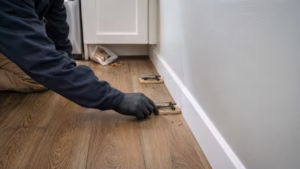
Finding bugs near your food, inside kitchen cabinets or around the sink can be frustrating. Removing the insects you can see may provide temporary relief, but it will not solve the problem if eggs, larvae, nests or breeding sources remain hidden.
Learning how to get rid of kitchen bugs begins with identifying the insect and understanding why it is entering or breeding in the kitchen. Ants may be following a food trail, drain flies may be developing inside plumbing, and pantry beetles may already be living inside a food package.
At Phantom Pest Control, we regularly inspect kitchens where persistent insect activity is connected to hidden food sources, moisture problems or unnoticed entry points. Addressing these underlying conditions is essential for effective, long-term control.
What Causes Bugs in the Kitchen?
Kitchens provide food, water, warmth and shelter—all the basic conditions many household pests need to survive. Even a well-maintained kitchen can develop a pest problem when insects find a concealed food source or suitable breeding area.
Common causes of kitchen bugs include:
- Crumbs and food residue beneath appliances
- Grease around stoves, cabinets and preparation surfaces
- Open or damaged food packages
- Overripe fruit and vegetables
- Food residue inside garbage or recycling containers
- Organic buildup inside drains
- Plumbing leaks beneath sinks or dishwashers
- Pet food left uncovered
- Gaps around pipes, doors and windows
- Infested flour, rice, cereal, spices or dried food products
Some bugs enter from outdoors through cracks, screens and utility openings. Others are brought into the kitchen inside packaged food, cardboard boxes, reusable shopping bags or secondhand appliances.
In apartments, condominiums and other multi-unit buildings, insects may also travel between units through shared plumbing, wall voids and service openings. In these situations, cleaning one kitchen may not eliminate the wider source of the infestation.
The location and timing of the activity can provide useful clues. Bugs that gather near drains are likely to have a different source from insects found inside dry food packages. Cockroaches are often more active at night, while ants may form visible trails during the day.
How to Identify Common Kitchen Bugs
“Kitchen bugs” is a general term that can refer to several different insects. Correct identification is important because each pest has different food preferences, breeding habits and treatment requirements.
| What you notice | Possible pest | Common location |
|---|---|---|
| Tiny flies hovering around produce | Fruit flies | Fruit bowls, counters and recycling |
| Small, fuzzy flies near a sink | Drain flies | Drains, sinks and damp areas |
| Tiny beetles inside flour or cereal | Pantry beetles or weevils | Food packages and cupboards |
| Small moths flying near cabinets | Pantry moths | Dry-food storage areas |
| Insects moving in organized trails | Ants | Counters, walls and cabinet edges |
| Flat brown insects active at night | Cockroaches | Beneath sinks and appliances |
| Fast, silver-coloured insects | Silverfish | Damp cabinets and plumbing areas |
Fruit flies are usually found around fermenting produce, food spills, empty beverage containers and recycling. Drain flies tend to remain close to drains or other damp areas containing organic buildup.
Pantry beetles, weevils and moths are commonly discovered inside flour, rice, pasta, cereal, nuts, seeds, spices, dried fruit and pet food. Evidence may include live insects, larvae, webbing, damaged packaging or grains clumped together.
Ants generally travel along organized routes between a food source and their colony. Cockroaches are more likely to hide beneath appliances, inside cracks or around warm and damp areas during the day.
Do not rely on colour alone when identifying tiny bugs in the kitchen. Several species may appear brown or black from a distance. Instead, consider their size, movement, location and the type of material they are feeding on.
6 Ways to Get Rid of Kitchen Bugs
- Find the Source of the Bugs
- Remove Infested Food and Packaging
- Deep-Clean the Kitchen
- ٰEliminate Moisture and Clean Drains
- Seal Food and Entry Points
- Use the Appropriate Pest Treatment
1. Find the Source of the Bugs
Start your inspection where the greatest amount of activity is occurring. The insects you see may be several feet away from the place where they are feeding, hiding or breeding.
Inspect:
- Beneath and behind the refrigerator
- Under the stove and dishwasher
- Inside cabinet corners and shelf holes
- Around plumbing and utility openings
- Beneath the kitchen sink
- Inside garbage and recycling containers
- Around drains and sink overflows
- Behind baseboards and loose trim
- Inside opened food packages
- Around pet feeding areas
Follow visible ant trails to determine where the ants are entering. If small flies gather around a sink, check the drain, garbage disposal and nearby moisture sources. When insects are found inside one food package, inspect every product stored nearby.
A flashlight can help reveal droppings, shed skins, larvae or insects hiding in cabinet gaps. Sticky monitoring traps may also help show where crawling insects are most active, but they should not be treated as a complete solution.
Finding and eliminating the source is more effective than repeatedly killing individual insects. If food, water or a breeding site remains available, the kitchen bugs will likely return.
2. Remove Infested Food and Packaging
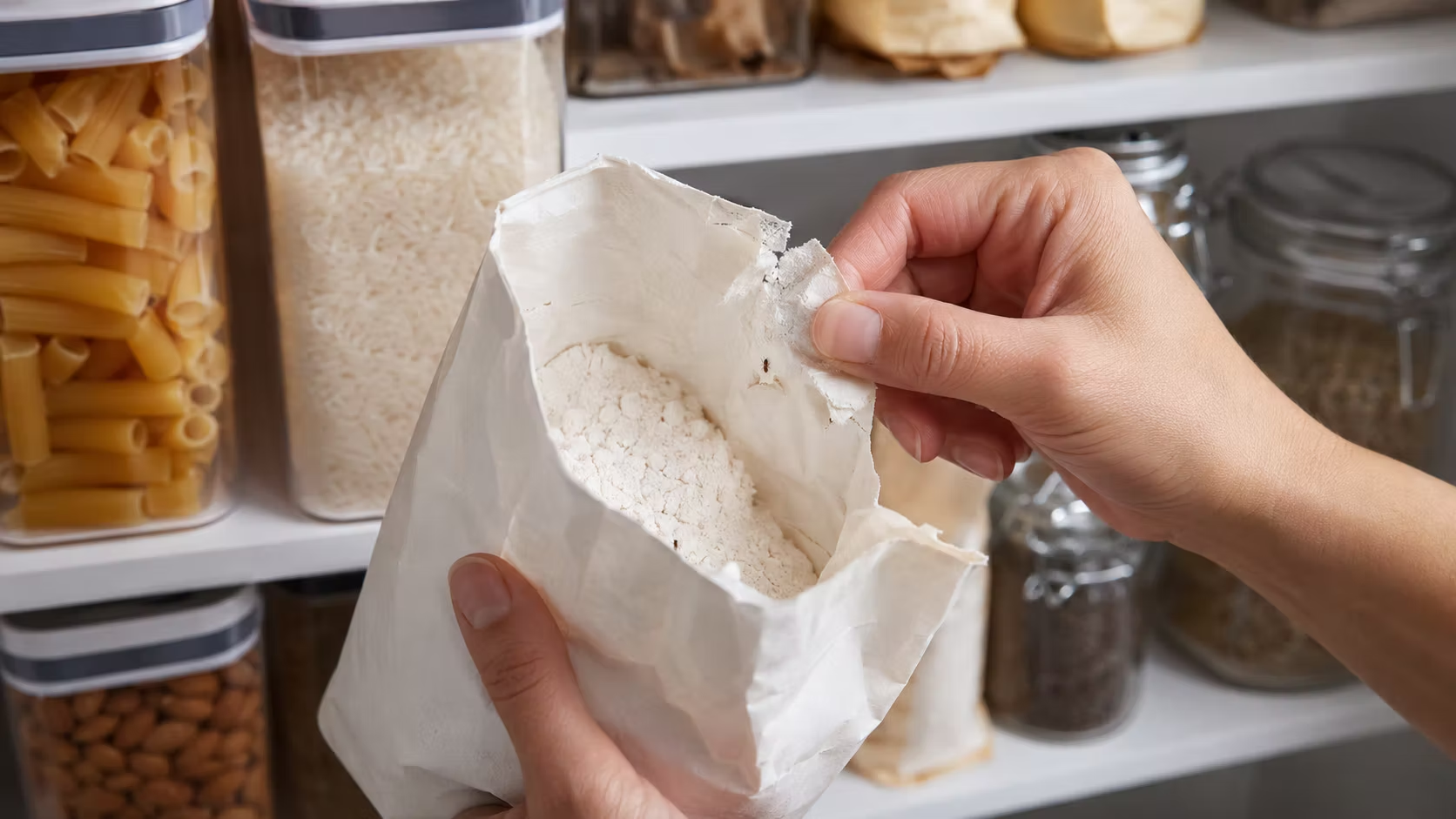
Inspect flour, rice, cereal, pasta, baking ingredients, spices, nuts, seeds, dried fruit, tea and pet food. Pay particular attention to products that have been stored for a long time or are kept in paper and cardboard packaging.
Signs of an infested product may include:
- Live insects or larvae
- Fine webbing
- Small holes in packaging
- Unusual powder or debris
- Grains sticking together
- Shed skins
- Damaged seals
Place confirmed infested products in a durable bag, seal it and move it directly to an outdoor garbage container. Do not leave the bag in the kitchen bin because insects may escape and spread to other cabinets.
Inspect nearby packages even if they appear unopened. Pantry insects can hide beneath labels, inside cardboard folds and around imperfect seals. Vacuum cabinet corners and shelf holes before cleaning the surfaces and returning unaffected products.
If insects repeatedly appear in stored food, professional pantry pest control in Vancouver may be needed to identify the affected products and prevent the infestation from spreading.
3. Deep-Clean the Kitchen
Thorough cleaning removes food residue, insect eggs and materials that may support continued activity.
Begin by vacuuming cabinet corners, shelf holes, cracks and gaps. Empty the vacuum outdoors immediately after cleaning. Wash food-storage surfaces with an appropriate cleaner and allow them to dry completely before replacing any products.
Move appliances when it is safe to do so. Crumbs, cooking oil and spilled liquids often accumulate beneath refrigerators, stoves, microwaves and dishwashers without being noticed.
Focus on:
- Counter edges and backsplashes
- Cabinet handles and hinges
- Areas behind small appliances
- Toasters and crumb trays
- Garbage and recycling containers
- Baseboards and floor edges
- Pet feeding areas
- Reusable grocery bags
Clean food and beverage containers before placing them in recycling. Use a bin with a secure lid and empty it regularly.
Cleaning alone may not eliminate insects nesting inside walls or appliances, but it removes competing food sources and makes continued activity easier to detect.
4. Eliminate Moisture and Clean Drains
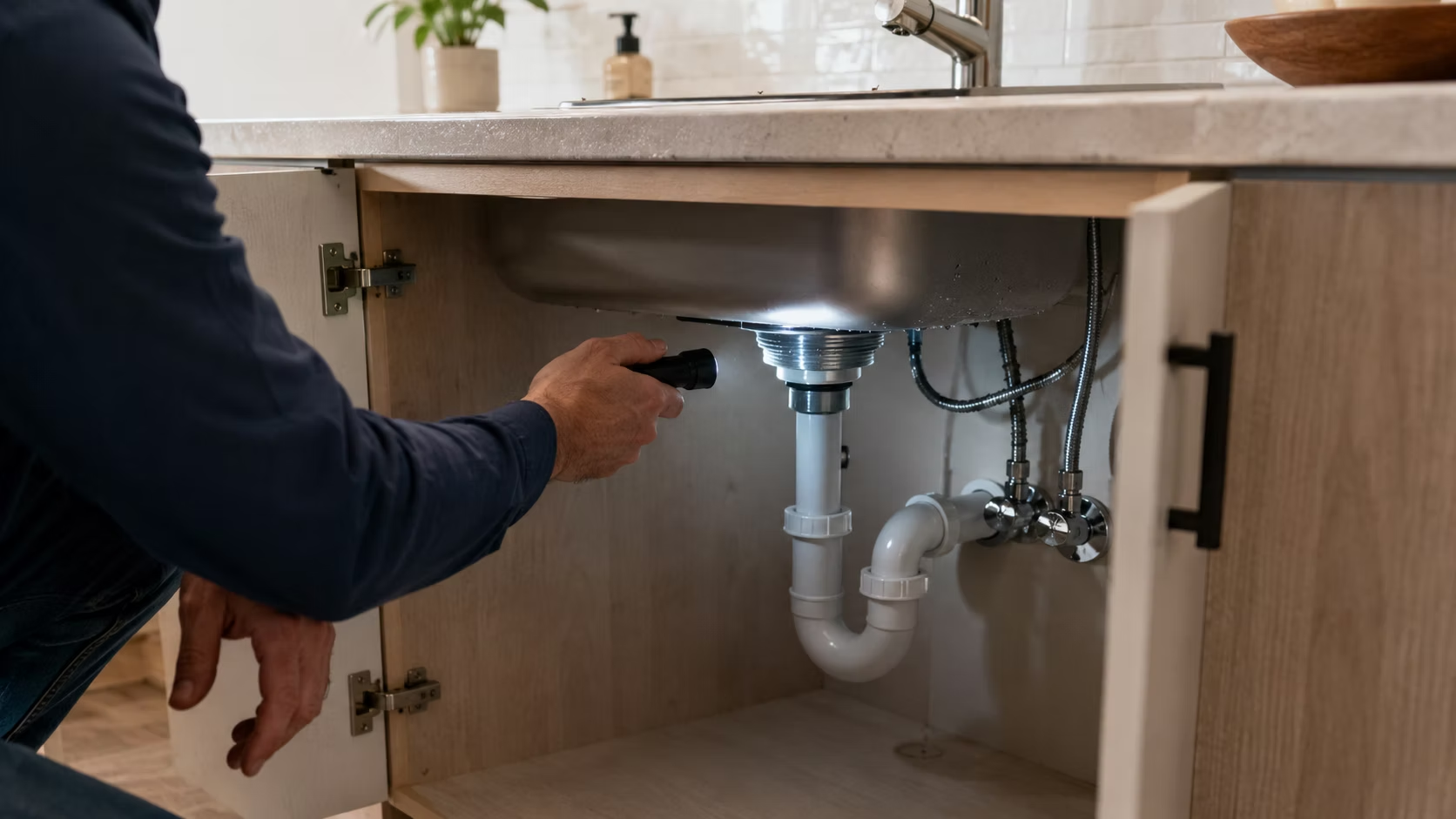
Many common kitchen pests rely on moisture. A leaking pipe, wet cabinet or slow drain can sustain insect activity even when food is stored correctly.
Check beneath the sink and around:
- Dishwasher connections
- Refrigerator water lines
- Garbage disposals
- Sink overflows
- Floor drains
- Plumbing penetrations
- Damp cabinet materials
Repair leaks and dry affected areas. Replace shelf liners or damaged materials that remain wet, and avoid leaving damp cloths, sponges or mop heads in dark spaces.
When small flies are concentrated around a drain, organic buildup inside the pipe may be providing a breeding site. Cleaning only the visible sink surface will not remove material coating the inside of the drain. Mechanical cleaning may be required to remove the buildup.
Fruit flies, drain flies and fungus gnats can appear similar from a distance but develop in different environments. Persistent activity around sinks, drains and food-preparation areas may require professional flying insect control in Vancouver to locate and eliminate the breeding source.
5. Seal Food and Entry Points
Transfer opened dry food into durable containers with tight-fitting lids. Proper storage limits access to food and can contain an infestation if a newly purchased product already carries pantry pests.
Consider sealed containers for:
- Flour and baking ingredients
- Rice, pasta and grains
- Cereal and snacks
- Nuts and seeds
- Dried fruit
- Pet food and birdseed
- Opened spices and tea
- Bulk food products
Avoid topping up containers without cleaning them first. Use the remaining older product before adding a new supply so hidden pantry pests are easier to detect.
Next, inspect for possible entry points. Seal appropriate gaps around plumbing, utility lines, cabinets, baseboards, windows and doors. Repair damaged window screens and install door sweeps where necessary.
Do not seal a suspected active nest inside a wall without first identifying the pest. Blocking one opening may cause insects to emerge somewhere else instead of eliminating the infestation.
6. Use the Appropriate Pest Treatment
The correct treatment depends on the species and the severity of the infestation. A product intended for flying insects may not control pantry beetles, cockroaches or an established ant colony.
Monitoring traps can help locate activity but may not remove the source. Ant treatment often needs to target the colony rather than only the workers visible on the counter. Cockroach management must address hiding areas and multiple life stages. Pantry pest control depends primarily on finding and removing infested products.
When using any pest-control product:
- Read and follow the label.
- Confirm that it is intended for the identified pest.
- Do not apply it directly to food or food-contact surfaces.
- Keep it away from children and pets.
- Follow all ventilation and re-entry instructions.
- Never mix pesticides or household chemicals.
Avoid spraying visible ants before identifying the species and source. Repellent sprays may scatter some ant colonies or move their activity to another part of the property.
When trails continue returning after food sources and entry points have been addressed, professional ant control in Vancouver can help target the colony rather than only the visible ants.
How to Prevent Kitchen Bugs From Coming Back
Prevention requires reducing access to food, water, shelter and entry points. A regular maintenance routine is more effective than waiting until insects become visible again.
Use the following kitchen pest prevention checklist:
- Store opened food in sealed containers.
- Inspect dry products before placing them in cupboards.
- Rotate pantry products and use older items first.
- Avoid storing unnecessary food for extended periods.
- Clean spills and crumbs promptly.
- Wipe grease from cooking surfaces.
- Empty garbage and recycling regularly.
- Rinse containers before recycling them.
- Avoid leaving dirty dishes overnight.
- Store pet food securely.
- Clean pet bowls and feeding areas.
- Repair plumbing leaks promptly.
- Keep drains free of organic buildup.
- Clean beneath appliances periodically.
- Seal appropriate gaps around pipes and cabinets.
- Monitor areas where bugs were previously found.
Check bulk food and products packaged in paper or thin cardboard before adding them to the pantry. If possible, keep newly purchased dry goods separate from older items until they have been inspected.
In restaurants and commercial kitchens, prevention should also include documented inspections, routine drain maintenance, waste-management procedures and employee reporting. Early identification can prevent a minor problem from spreading through storage and food-preparation areas.
When to Call a Pest Control Professional
A minor fruit fly issue caused by forgotten produce may improve once the source is removed and the area is cleaned. Other infestations are more difficult to resolve without professional identification and treatment.
Consider arranging an inspection when:
- Bugs continue appearing after cleaning.
- Food and moisture sources have been removed without improvement.
- Insects are present in multiple cabinets or rooms.
- You find egg cases, larvae, droppings or shed skins.
- Ant trails return repeatedly.
- Bugs appear to be emerging from walls or appliances.
- Cockroaches are seen during daylight hours.
- Several units in a building are affected.
- The problem involves a restaurant or food facility.
- You cannot confidently identify the insect.
Nighttime sightings, droppings, shed skins and egg cases are common signs of a cockroach infestation in Vancouver homes and should not be ignored. Cockroaches can remain hidden in narrow spaces and may spread beyond the kitchen if the infestation is not addressed.
A professional inspection can identify the species, locate breeding or nesting areas and determine the most appropriate treatment. This helps avoid repeated application of products that do not match the pest or source.
Frequently Asked Questions
1. What Kills Kitchen Bugs?
There is no single treatment that kills every type of kitchen bug. Effective control depends on identifying the insect and eliminating its food, moisture, breeding source or nesting area.
Some infestations can be managed through cleaning and source removal. Others may require targeted bait, trapping or professional treatment. Avoid selecting a product until you know what type of bug is present.
2. Why Do Kitchen Bugs Keep Coming Back?
Kitchen bugs usually return because an attractant, breeding source, nest or entry point remains. Hidden causes may include food beneath appliances, infested pantry products, buildup inside drains, plumbing leaks or gaps around utility lines.
In multi-unit buildings, recurring activity may also originate from a neighbouring unit or shared service area.
3. Can Kitchen Bugs Come Through Drains?
Some insects can breed inside drains or move through gaps around plumbing. Drain flies commonly develop in organic material coating the inside of a drain. Cockroaches may use openings around pipes and other utility penetrations to move through a building.
Finding bugs near a sink does not automatically prove they came through the drain. The species and source should be identified before treatment begins.
4. Can Kitchen Bugs Contaminate Food?
Yes. Flies, cockroaches, ants and stored-product pests can contact food, packaging and preparation surfaces. Pantry insects can also damage dry food products and spread between packages.
Food containing insects, larvae, webbing, droppings or damaged packaging should be isolated and discarded. Inspect neighbouring products before returning them to the cabinet.
5. How Long Does It Take to Get Rid of Kitchen Bugs?
The timeline depends on the pest, breeding source and extent of the infestation. A small fruit fly problem may improve quickly after the source is removed. Pantry pest control may require inspection of every stored product, while established ant or cockroach infestations may need targeted treatment and follow-up monitoring.
If activity does not decrease after cleaning, removing contaminated food and correcting moisture problems, schedule a professional inspection to determine what is sustaining the infestation.