What attracts cockroaches? Accessible food, water, suitable temperatures and sheltered hiding places help them survive indoors. Crumbs, grease, leaking plumbing and clutter can support activity in Vancouver homes and businesses. Cockroaches may arrive in deliveries or belongings, or move through connected building spaces, even when a property looks clean.
Removing attractants makes a building less hospitable, but it may not eliminate an established infestation. The useful distinction is between what brings cockroaches inside and what allows them to stay.
On this page10 sections
- Why Cockroaches Move Into Homes and Businesses
- The Main Things That Attract Cockroaches
- How Cockroaches Get Inside
- Types of Cockroaches Found in Vancouver
- Signs You Have Cockroaches
- How to Make Your Space Less Attractive to Cockroaches
- Do Clean Homes Get Cockroaches?
- When to Call a Professional Pest Control Company
- Conclusion
- FAQs About What Attracts Cockroaches
Why Cockroaches Move Into Homes and Businesses
Indoor spaces can provide dependable resources: a warm appliance, a small water leak and a protected cabinet gap may meet several needs in one place. A staff kitchenette can offer these conditions just as a household kitchen can.
Introduction does not always begin with an insect seeking out your property. A cockroach can travel inside a used appliance or shipping carton before encountering suitable conditions. Once introduced, access to resources and concealed shelter helps it establish itself. Vancouver’s weather alone does not explain an indoor infestation; the building and introduction route matter.
The Main Things That Attract Cockroaches
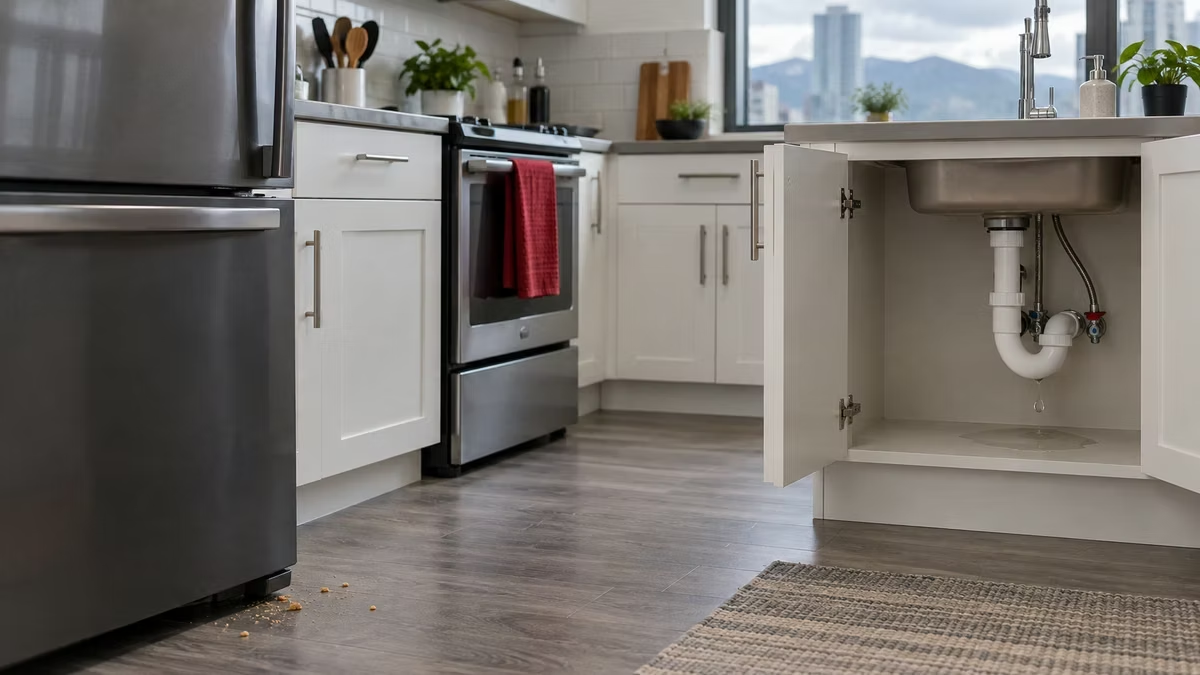
Food, Grease and Crumbs
Cockroaches eat a wide range of materials, including human food and pet food. Small residues can remain available after the main surfaces have been cleaned. Think of toast crumbs beside the refrigerator, cooking grease along a stove edge or spilled snacks beneath a workplace shelf.
Inspect cupboard corners, appliance edges, food-storage shelves and pet-feeding areas. Remove accessible residue with an appropriate cleaner, and store opened dry foods in containers with tight-fitting lids. Clean pet bowls and feeding mats, and manage uneaten food according to your pet’s feeding needs.
Water and Humidity
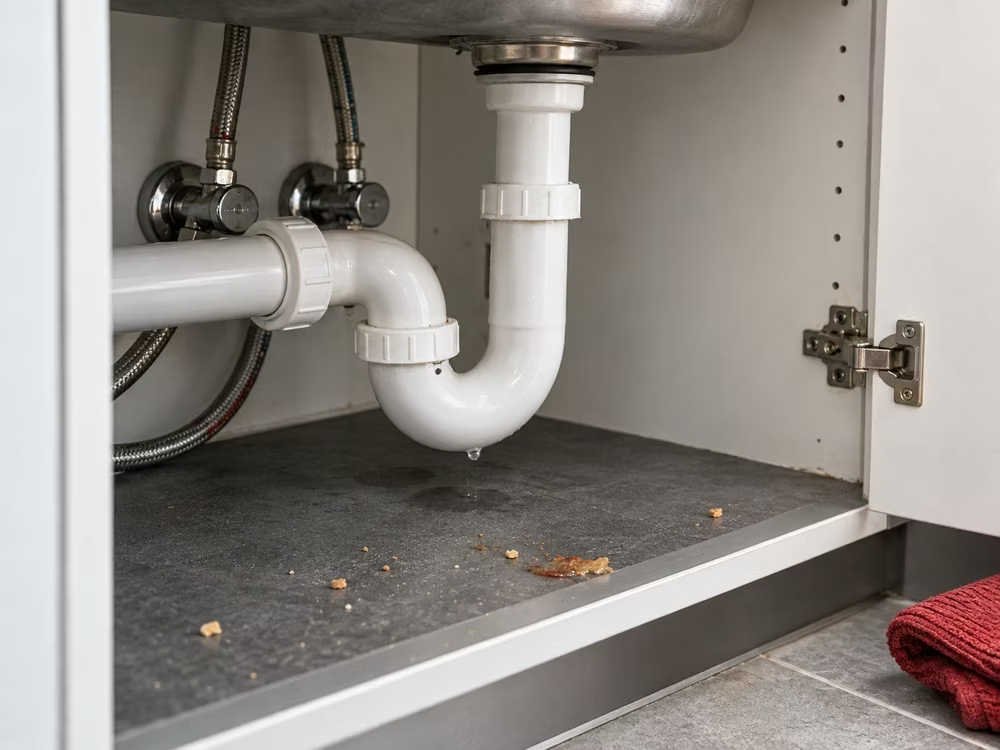
Water supports survival, while damp hiding places can provide favourable conditions. A slow pipe leak beneath a bathroom basin may be less noticeable than a kitchen spill, but it deserves attention. Condensation on plumbing and persistent moisture around a dishwasher are other places to inspect.
Look for fresh droplets, damp cabinet bases and moisture that returns after drying. Arrange repairs rather than repeatedly wiping up the same leak. Address condensation with suitable ventilation or plumbing advice. Keep pets supplied with drinking water; clean their bowls and dry splashes around them instead of withholding water.
Warmth, Clutter and Hiding Spots
German cockroaches favour warm indoor areas with nearby food and moisture. Narrow gaps around cabinets or appliances offer shelter from disturbance. Other species can occupy different spaces, so an inspection should follow the evidence rather than stop at the sink.
Stacks of corrugated cardboard and crowded cupboards can create concealed spaces and make inspection difficult. Check stored packaging, shelf corners and accessible furniture joints. Recycle unnecessary boxes and organize retained items so you can see behind them. Preserve appliance ventilation and required clearances when reorganizing storage.
Garbage and Dirty Drains
Food waste, sticky recycling containers and residue beneath bin liners can provide food. Moisture and organic buildup around drains may also support activity. A covered bin still needs attention if food has collected on its rim or underneath it.
Inspect bin lids, surrounding floors and accessible drain fittings. Empty waste regularly and clean the containers themselves. Maintain drains using methods appropriate to the plumbing. Buildup and moisture are potential resources; entry through a drainage system is a separate issue that depends on the species and plumbing condition.
| Attractant | Common Location | Preventive Action |
|---|---|---|
| Crumbs and grease | Stove edges and beneath appliances | Remove accessible residue and include overlooked edges in cleaning. |
| Pet-food residue | Bowls, feeding mats and storage bags | Clean feeding areas and seal stored food. |
| Leaks and condensation | Under sinks and around plumbing | Repair leaks and address recurring moisture. |
| Sheltered clutter | Cardboard stacks and crowded cupboards | Reduce unnecessary packaging and keep storage inspectable. |
| Waste and organic buildup | Bins, recycling areas and drain fittings | Maintain collection routines and clean accessible buildup. |
How Cockroaches Get Inside
Cockroaches and egg cases can hitchhike in packaging, furniture, used appliances, luggage and other belongings. This does not mean every delivery or second-hand item is infested. It means inspecting incoming items is useful, especially when they have been stored in a location with known pest activity.
Before bringing an appliance into service, examine accessible seams and its surrounding packaging. Unpack deliveries where inspection is easy and remove unnecessary cartons promptly. If you find a suspected insect or egg case, photograph it and seek identification rather than moving the item through several rooms.
In apartments and commercial buildings, cockroaches can travel through gaps around utility penetrations and openings in shared walls. A plumbing penetration is the space around a pipe where it passes through a wall; it is not the same as the inside of the pipe.
Recurring activity may require coordination with a landlord, strata council or property manager so connected spaces can be assessed. Phantom’s property management pest control services cover managed buildings and common-area assessment. Report locations and dates to help guide that assessment.
Types of Cockroaches Found in Vancouver
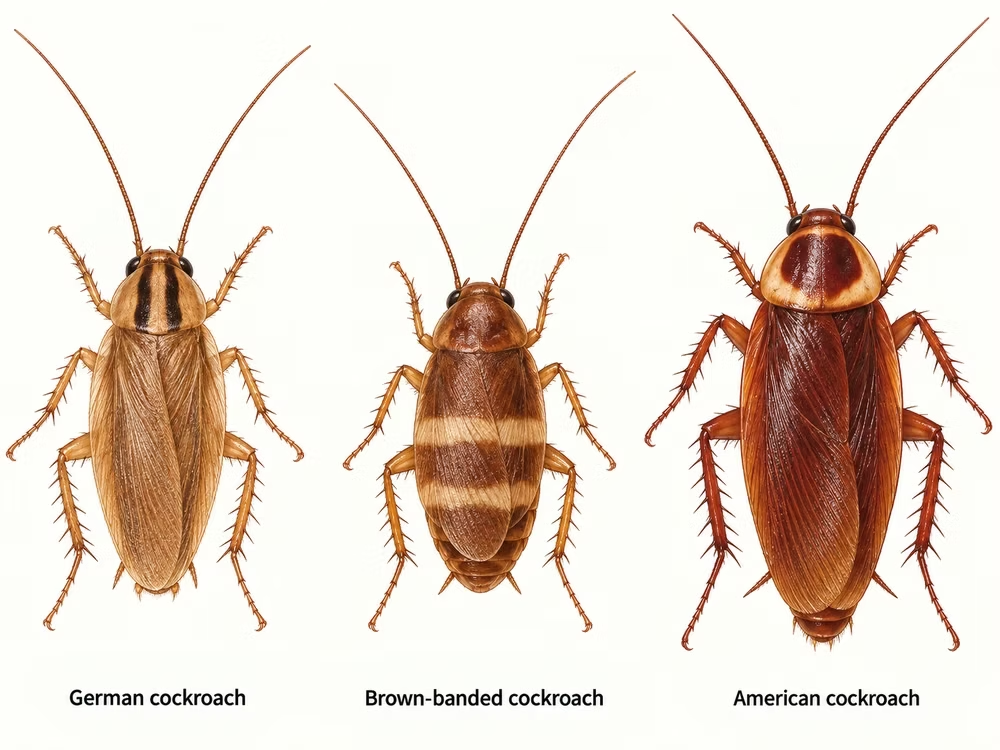
Local evidence needs geographic context. UBC’s E-Fauna BC reference documents German cockroaches in southern British Columbia, brown-banded cockroaches in the Lower Mainland and a historical American cockroach record on Vancouver’s waterfront. These records establish regional relevance, not current neighbourhood prevalence.
- German cockroach: Adults are usually about 13–16 mm long, with a tan to brown body and two dark parallel stripes on the shield behind the head. They commonly occupy kitchen and bathroom crevices close to resources.
- Brown-banded cockroach: A small cockroach with pale bands across the wings or abdomen. It favours warm shelter and can occur around furniture, wall decorations and appliances away from wet kitchen areas. The cited local record is Lower Mainland-wide, not confirmation for every Vancouver property.
- American cockroach: A larger, reddish-brown species with a pale border around the shield behind the head. It favours warm, humid areas and can be associated with utility spaces and sewers. Its documented Vancouver record is historical, dating to 1922; this does not establish its present frequency.
Colour alone is insufficient for identification, especially for immature insects. Have a clear photograph or specimen assessed before deciding where to focus control efforts.
Signs You Have Cockroaches
Look for physical evidence rather than assuming that an untidy or damp area is infested. Useful indicators include:
- Live sightings: Note where insects appear and whether sightings repeat. Many cockroaches forage at night.
- Droppings: Small dark specks or smears may appear near shelter, but debris can look similar.
- Egg cases: These capsules contain eggs. Their appearance and placement vary by species.
- Shed skins: Immature cockroaches shed their outer covering as they grow, leaving remains near hiding places.
Photograph suspected signs and record the room, date and exact location. A musty odour alone cannot confirm cockroaches. Likewise, a leak, crumbs or clutter indicates a supportive condition, not proof of infestation. One sighting cannot be converted into a reliable estimate of a hidden population.
For a closer look at evidence and identification limits, see how to detect signs of a cockroach infestation.
How to Make Your Space Less Attractive to Cockroaches
Use this checklist to address resources, access and monitoring together:
- Remove food residue: Clean spills promptly and include cupboard edges and safely accessible spaces beneath equipment.
- Store food securely: Close pantry containers and protect workplace snacks and ingredients.
- Manage pet-food residue: Clean feeding areas, seal stored food and keep drinking water available without surrounding puddles.
- Correct moisture problems: Repair leaking plumbing and investigate persistent condensation or dampness.
- Reduce unnecessary clutter: Recycle spare cartons and leave stored items accessible for inspection.
- Maintain waste areas: Use covered containers, clean spills around them and follow a dependable collection routine.
- Inspect incoming items: Check accessible packaging and second-hand equipment before storage or use.
- Seal appropriate gaps: Address cabinet cracks and suitable openings around pipes. Have maintenance staff assess penetrations involving electrical services or fire separations.
- Monitor recurring activity: Use cockroach sticky monitors as directed in protected locations along edges, away from children and pets. Record catches and locations.
Do not block ventilation, drainage, fire-safety features or equipment clearances. Do not dismantle connected appliances simply to reach a suspected hiding place.
Cleaning and sanitizing have different purposes. Cleaning removes food residue and debris; sanitizing reduces microorganisms on an appropriately cleaned surface. Follow product directions for food-contact surfaces. Sanitizer alone does not remove every attractant or eliminate hidden cockroaches.
In a workplace, assign responsibility for checking storage, reporting leaks and emptying bins. At home, build the same tasks into an achievable routine. Monitoring helps show whether activity continues despite those improvements.
Do Clean Homes Get Cockroaches?
Yes. A clean home can receive cockroaches through belongings or connected building spaces. Concealed moisture and shelter may remain even when visible surfaces are spotless. A leak behind cabinetry, for example, may require a maintenance repair rather than more surface cleaning.
Sanitation still matters because it reduces accessible resources and supports control. An infestation is not a judgement about the occupants. If cleaning cannot reach the affected areas, Phantom’s residential pest control services include inspection of pest activity and potential entry points.
When to Call a Professional Pest Control Company
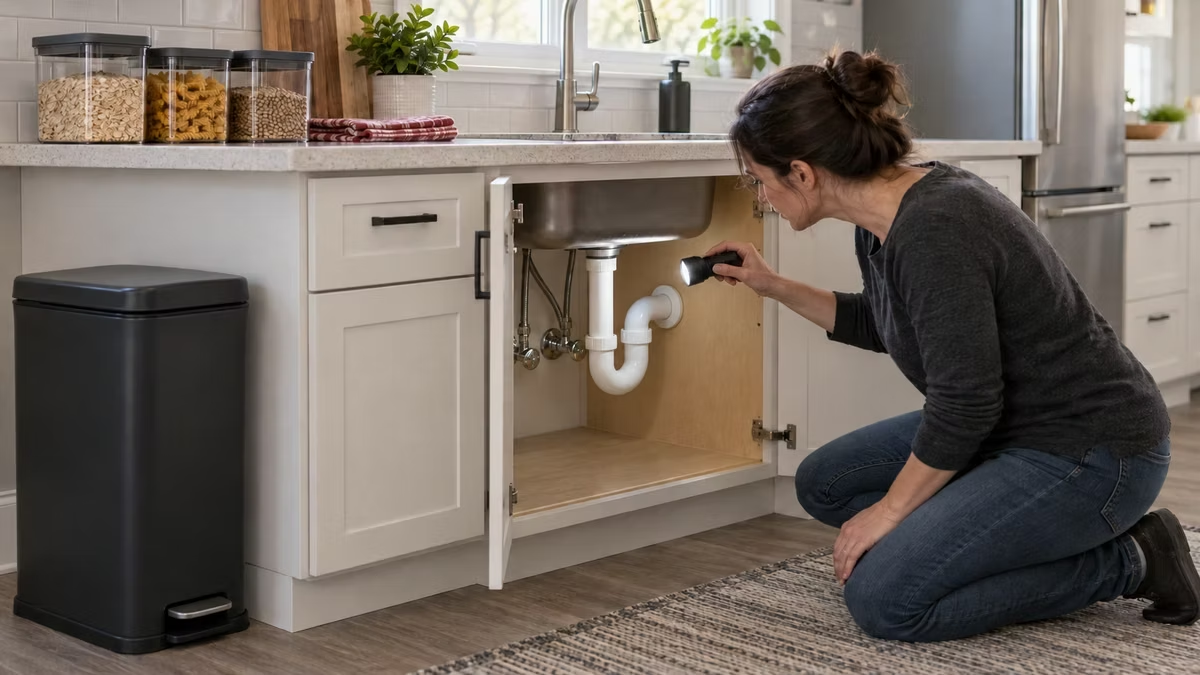
Arrange an assessment for repeated sightings, multiple physical signs, activity in several areas or recurrence after preventive changes. Inaccessible shelter inside equipment or building voids is another reason to seek help. Businesses should act promptly when activity affects food storage or preparation.
Cockroaches can contaminate food and surfaces, and their waste and body material can trigger allergies or asthma in susceptible people. Protect potentially affected food and seek appropriate cleaning guidance.
Integrated pest management combines inspection, species identification, monitoring, sanitation, exclusion and suitable treatment. Exclusion means reducing access through appropriate openings. Monitoring and follow-up help determine whether the plan is working. Cleaning alone may leave established activity; treatment alone does not repair leaks or prevent new introductions.
Phantom Pest Control provides cockroach control in Vancouver for residential and commercial properties. Its service page describes inspection of hiding areas, targeted treatment, monitoring and recommendations for reducing supportive conditions.
If using any pesticide, follow its Canadian label and check for a Pest Control Products registration number. Do not mix products or apply them to food-contact surfaces unless the label expressly permits that use. Health Canada’s cockroach guidance explains prevention and pesticide precautions.
Conclusion
Accessible food, moisture, suitable temperatures and shelter help cockroaches establish themselves. Reduce those conditions, inspect incoming items and record physical evidence. Persistent activity deserves an assessment that considers both the affected space and any connected building areas.
For residential or commercial cockroach concerns, contact Phantom Pest Control. Describe your Vancouver-area location, property type, observed signs and affected rooms so the team can advise on an appropriate next step.
FAQs About What Attracts Cockroaches
1. Does Cardboard Attract Cockroaches?
Cardboard can provide concealed shelter, and boxes can transport cockroaches or egg cases from an affected location. Food-soiled packaging can also offer residue. Cardboard is not a universal cause of infestation. Inspect incoming boxes, recycle unnecessary packaging and use suitable sealed containers for food rather than relying on opened cartons.
2. Do Cockroaches Come Through Drains?
Some species, including American cockroaches, can be associated with sewers and drainage systems. However, a cockroach beside a sink may have travelled through a nearby wall gap or sheltered in cabinetry. Inspect moisture, buildup and plumbing defects separately. Ask maintenance staff or a plumber about suspected drainage faults; avoid assuming every sighting originates underground.
3. Can Cockroaches Stay Active During Vancouver Winters?
Yes. Heated buildings can maintain suitable indoor conditions even when outdoor temperatures fall. German cockroaches are sensitive to cold, but cold weather outside does not remove an infestation inside warm rooms or protected equipment spaces. Continue inspecting, correcting leaks and monitoring indoor activity during winter rather than waiting for a seasonal disappearance.
4. Will Removing Food and Water Get Rid of Cockroaches?
Reducing food and moisture supports prevention and makes control more effective, but it does not guarantee elimination. Hidden resources, inaccessible shelter and continuing movement from connected spaces may sustain activity. Use monitoring to assess progress, and arrange professional identification and assessment if sightings or other physical evidence continue after practical improvements.
5. Do Household Repellents Prevent Cockroach Infestations?
Do not rely on strong smells, essential oils or household remedies as dependable infestation prevention. Some essential-oil sprays act mainly through direct contact and provide little lasting effect. A repellent does not necessarily remove sheltered insects or their resources. Focus on inspection, sanitation, moisture repairs, appropriate sealing and a management plan supported by monitoring.