Finding a mouse in your home is unsettling, but the good news is that most mouse problems are preventable. Mice get indoors through gaps you can find and close, and they stay because something inside is giving them food, water, or shelter. This guide walks you through exactly how to prevent mice from entering your home, from inspecting the outside of your house to sealing entry points with the right materials and removing the things that attract mice in the first place. You will also learn which do-it-yourself steps are worth your time, which popular products fall short, and when it makes sense to bring in a professional.
By the end, you will have a clear, wall-by-wall plan for keeping mice out of the house and a realistic sense of what mouse-proofing can and cannot do on its own.
How Mice Get Into Your Home and What Attracts Them
Find the Most Common Mouse Entry Points
Before you seal anything, you need to know where mice are actually getting in. A calm, systematic inspection is the most valuable hour you can spend. Work your way around the house slowly, ideally with a flashlight, and look for daylight, drafts, stains, or gnaw marks that reveal an opening. Pay attention to any spot where two different materials meet, because those seams are where gaps tend to form.
Check Doors, Windows, Foundations, and Exterior Walls
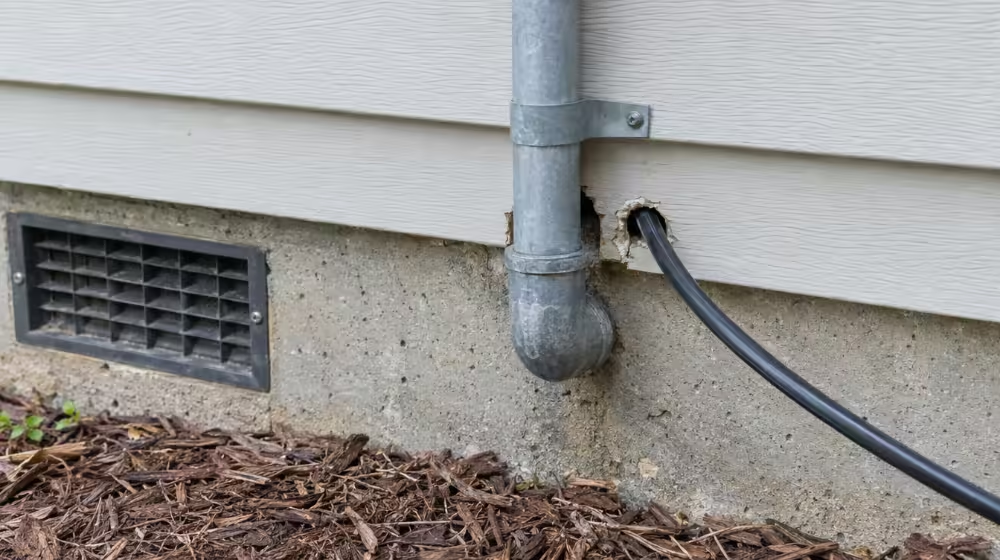
Start at ground level and move up. Garage doors and entry doors are among the most common weak points, so check whether light shows under or around them and whether weather stripping and door sweeps are worn or missing. Inspect window frames and screens for gaps, tears, and loose seals. Follow the foundation and look closely where it meets the siding, as settling and age often create thin cracks along this line. Examine the exterior walls for holes, damaged siding, missing mortar, and any opening that has been chewed or widened.
Inspect Pipes, Vents, Rooflines, and Utility Openings
Mice frequently enter where utilities pass through the wall. Check around water pipes, gas lines, electrical conduit, cable and internet lines, and the openings behind exterior faucets, because installers often leave a gap around these penetrations. Look at dryer vents, kitchen and bathroom exhaust vents, and foundation or crawl space vents to confirm the covers and screens are intact. Do not forget to look up: rooflines, soffits, fascia boards, gable vents, and the gaps where the roof meets the walls are all realistic entry points, especially for mice that climb nearby trees, downspouts, or utility lines.
Seal Gaps and Holes to Keep Mice Out
Once you have found the openings, sealing them is the single most effective way to keep mice out of your home for good. Clean each gap first, then fill it with a material mice cannot easily chew through. Small openings around a quarter inch or larger all deserve attention, since even a modest gap can admit a mouse. For a lasting result, choose materials by location rather than reaching for the same product everywhere.
Best Materials for Sealing Mouse Entry Points
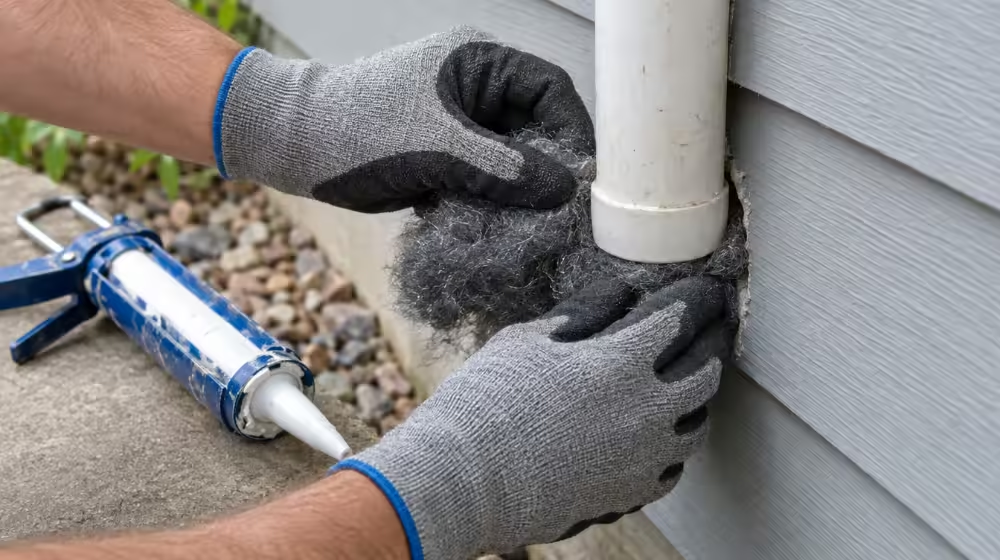
The right material depends on the size of the gap and how much a mouse is likely to gnaw at it. Because rodents can chew through many soft materials when they have a rough edge to bite into, the most reliable repairs combine a gnaw-resistant barrier with a sealant that finishes the job. The comparison below reflects widely recommended rodent exclusion methods from wildlife management specialists.
| Material | Best for | Keep in mind |
|---|---|---|
| Copper or stainless steel mesh | Packing into small to medium gaps around pipes and wiring | Rust resistant and hard to chew; pair with caulk to hold it in place |
| Steel wool | A quick temporary plug for small holes | Effective as a stopgap but can rust and stain; secure it with sealant |
| Hardware cloth (quarter-inch, 24-gauge) | Covering vents, weep holes, and larger openings | Holds its shape when cut; lets air flow while blocking mice |
| Sheet metal or metal flashing | Gnaw-prone edges such as door bottoms and thresholds | Durable barrier where mice tend to chew persistently |
| Cement, mortar, or concrete patch | Foundation cracks and masonry gaps | Best for permanent repairs on solid surfaces |
| Caulk and expanding foam | Finishing and sealing small seams | Convenient, but not gnaw-proof on their own; use with metal for anything mice may work at |
Areas That Need Extra Protection From Gnawing
Some spots take more abuse than others and benefit from a tougher barrier. Door corners, the bottom edges of garage and shed doors, and thresholds are frequent targets because mice can start on an exposed edge. Reinforce these with metal door sweeps or flashing rather than relying on foam or weather stripping alone. Where pipes enter the building, pack the gap with copper mesh and finish it with a sealant so there is no loose edge to chew. For vents and crawl space openings, use metal hardware cloth so you keep the airflow those openings are meant to provide while still blocking rodents. Because sealing an entire home properly can be detailed and physical work, many homeowners choose to have it handled through professional exclusion work, especially for hard-to-reach rooflines and crawl spaces.
Remove Food and Water Sources That Attract Mice
Sealing the building keeps mice out, but removing what draws them makes your home far less appealing in the first place. Even a well-sealed house stays more attractive to rodents if food and water are easy to find, so treat sanitation as the second half of mouse-proofing rather than an afterthought.
Store Food, Pet Food, and Trash Properly
Mice are drawn to easy calories. Keep pantry staples such as grains, cereal, flour, rice, and dry snacks in sealed hard plastic, glass, or metal containers rather than in the cardboard or thin bags they arrive in. Store pet food the same way, and avoid leaving pet bowls full overnight. Keep indoor and outdoor trash in bins with tight-fitting lids, and empty them regularly so odors do not build up. Compost bins should be enclosed and kept away from the walls of the house when possible.
Clean Up Crumbs, Spills, and Standing Water
Daily habits matter more than the occasional deep clean. Wipe counters, sweep under appliances and furniture, and clean up spills and crumbs promptly, paying special attention to the gap beneath the stove and refrigerator where food tends to collect. Mice also need water, so fix dripping faucets and leaking pipes, dry out sinks at night, and address damp areas in basements and crawl spaces. Reducing clutter in storage rooms, closets, and garages removes the quiet nesting spots mice look for and makes any activity easier to spot early.
Make Your Yard and Exterior Less Attractive to Mice
Mouse-proofing starts before mice ever reach the wall. What happens in your yard determines how close rodents get to the building and how much cover they have while looking for a way inside. A tidy, open perimeter gives mice fewer reasons to approach and fewer places to hide.
Trim Vegetation and Remove Yard Debris
Cut back shrubs, tall grass, and ground cover so they are not touching the foundation, since dense plantings against the house give mice shelter and a hidden path to entry points. Trim tree branches that overhang or touch the roof, because they act as bridges for mice that climb. Clear leaf piles, tall weeds, and general yard debris, and keep a clean strip of gravel or bare ground along the foundation if you can, which makes the base of the house easier to inspect and less inviting.
Manage Woodpiles, Bird Feeders, and Outdoor Food Sources
Firewood, lumber, and stacked materials are classic nesting sites, so store woodpiles off the ground and well away from the house rather than against an exterior wall. Bird feeders are a common and often overlooked attractant, since spilled seed feeds mice as readily as birds; use catch trays, clean up fallen seed, and consider moving feeders farther from the building. Fallen fruit from trees, unsecured garbage, and outdoor pet food should all be cleared for the same reason. These outdoor steps matter year-round, and they are especially worthwhile before the cooler months, when rodents become more active and look for warm shelter. A little seasonal attention now supports your broader efforts at winter rodent prevention.
Do Mouse Repellents and Ultrasonic Devices Work?
It is tempting to look for a single product that solves the problem, and store shelves are full of repellents that promise to keep mice out of the house. The evidence for many of them is weak. Ultrasonic devices, which claim to drive rodents away with high-frequency sound, are a good example. Independent reviews have found little reliable proof that they keep mice out of a home over time, animals tend to grow used to the sound, and the Federal Trade Commission has warned manufacturers about unsubstantiated claims. Treat these devices as, at best, a minor supplement, not a substitute for sealing and sanitation.
Natural repellents such as peppermint oil, along with mothballs and similar products, are also popular. At most they may make a specific spot temporarily less appealing, but they do not seal an opening or remove a food source, so mice simply route around them. The dependable approach remains the same: close the entry points, remove the attractants, and keep the exterior tidy. Products can play a small role, but they cannot carry the work.
What to Do If Mice Are Already Inside Your Home
Prevention and active removal are different tasks, and it helps to be honest about which one you are facing. If you are seeing fresh droppings, hearing activity at night, or noticing gnaw marks appear day after day, mice are likely already inside, and sealing alone will not solve it. In that case, combine two efforts: continue closing entry points so no new mice arrive, and remove the ones already present.
For a small, recent problem, snap traps placed along walls where mice travel are a proven option, and it is worth understanding the most effective ways to trap mice before you begin. When you clean up after rodents, safety matters. Public health guidance from the CDC on cleaning up after rodents advises airing out the space for about 30 minutes, wearing rubber or plastic gloves, and spraying droppings, urine, and nesting material with a disinfectant or a bleach solution before wiping them up with paper towels. Importantly, do not sweep or vacuum droppings, because that can send tiny particles into the air. Bag the waste, seal it, and dispose of it in a covered bin. Keep children and pets away from traps, bait, and contaminated areas.
If the activity is persistent, spread across the home, coming from spaces you cannot safely reach such as attics or crawl spaces, or simply more than you want to manage, that is the point to call a professional. A trained technician can locate hidden entry points, confirm the extent of the problem, and set up a control and prevention plan. Phantom Pest Control offers dedicated rodent control for Vancouver homes as part of its broader residential pest control services.
Common Mouse-Proofing Mistakes to Avoid
A few recurring mistakes undo otherwise good efforts. Avoiding them will save you time and repeat visits from mice.
- Sealing only the obvious holes and missing the small ones. A quarter-inch gap is enough, so the openings you overlook are usually the ones that matter.
- Relying on foam or caulk alone in spots where mice gnaw. Without a metal barrier underneath, a determined mouse can chew back through.
- Treating repellents as a complete solution. They do not close a gap or remove food, so on their own they rarely keep mice out.
- Skipping sanitation. A perfectly sealed home still draws rodents if food and water are easy to reach nearby.
- Ignoring the exterior and yard. Overgrown plantings, woodpiles, and spilled bird seed lead mice straight to the wall.
- Only reacting after mice appear. Prevention is far easier and cheaper than removal, and the best time to seal up is before you have a problem.
Conclusion
Preventing mice from entering your home comes down to a straightforward, repeatable routine: inspect the outside of the house, seal every gap larger than a quarter inch with materials mice cannot chew through, cut off the food and water that draw them in, and keep the yard and perimeter tidy. Repellents and gadgets can play a minor role at most, so the real results come from sealing and sanitation done consistently. If mice are already inside, or if the openings are in places that are difficult or unsafe to reach, that is the right time to bring in help. To have your home inspected and mouse-proofed by an experienced local team, you can request a rodent inspection with Phantom Pest Control.
FAQ About Preventing Mice From Entering Your Home
1. How small a gap can a mouse fit through?
An adult house mouse can pass through an opening only about a quarter inch across, roughly the width of a pencil or the size of a dime. That is why small, easily overlooked gaps around pipes, doors, and the foundation are worth taking seriously.
2. What is the fastest way to keep mice out of my house?
There is no single instant fix, but the fastest reliable approach is to inspect the exterior, seal the entry points you find with gnaw-resistant materials, and remove indoor and outdoor food sources at the same time. Doing both together produces much better results than either one alone.
3. Do peppermint oil and ultrasonic devices keep mice away?
Neither is a dependable solution. Ultrasonic devices have little reliable evidence supporting long-term effectiveness, and scent-based repellents like peppermint oil may only make a spot briefly less appealing. They do not seal openings or remove attractants, so mice work around them.
4. What time of year are mice most likely to get in?
Mice can enter any time, but activity often increases as the weather cools and rodents seek warmth and shelter. Sealing and yard cleanup done in late summer and fall help you get ahead of that seasonal push.
5. Is it safe to clean up mouse droppings myself?
For small amounts, yes, if you take precautions. Ventilate the area, wear gloves, dampen the droppings with disinfectant rather than sweeping or vacuuming, and bag and seal the waste. For heavy contamination or hard-to-reach areas, professional help is the safer choice.
6. When should I call a professional instead of handling it myself?
Call a professional when activity is persistent or widespread, when entry points are in spaces you cannot safely access, when repeated do-it-yourself attempts have not worked, or when you simply want the home inspected and sealed thoroughly the first time.