
A cockroach infestation is not always obvious at first. Cockroaches often remain hidden in cracks, cabinets, wall voids, plumbing areas, and spaces around appliances, so activity may be present before occupants begin seeing them regularly. One cockroach does not automatically reveal the size of the problem. A more useful approach is to look for a pattern: repeated sightings, droppings, egg cases, shed skins, or evidence appearing in several locations.
Common signs of a cockroach infestation are often found in kitchens, bathrooms, utility areas, basements, and other places that provide food, moisture, warmth, or shelter. In apartments and multi-unit buildings, activity may also extend beyond a single unit. When pest activity is affecting more than one area of a home, professional Residential Pest in Vancouver can help assess the extent of the problem and determine the appropriate next steps.
Recognizing these signs can help you determine whether a sighting is likely to be isolated or part of a more established cockroach problem.
On this page12 sections
- What Are the First Signs of a Cockroach Infestation?
- Does Seeing One Cockroach Mean You Have an Infestation?
- 5 Common Signs of a Cockroach Infestation
- Why Am I Seeing Cockroaches During the Day?
- Where Do Cockroaches Hide in a House?
- What Conditions Are Associated With Cockroach Activity?
- Signs Cockroach Activity May Be More Widespread
- Are Cockroaches a Health or Sanitation Concern?
- Cockroach Infestations in Vancouver Apartments and Multi-Unit Buildings
- When Should You Contact a Pest Control Professional?
- Frequently Asked Questions About Cockroach Infestations
- Detecting a Cockroach Infestation Early
What Are the First Signs of a Cockroach Infestation?
The first signs of a cockroach infestation often include repeated live sightings, small droppings near hiding areas, shed skins, or cockroach egg cases. Activity around kitchens, sinks, appliances, plumbing, or cabinets can also be significant. One sign alone may be inconclusive, but several recurring signs provide stronger evidence of established activity.
Early clues commonly include:
- Cockroaches appearing more than once
- Droppings around cabinets, appliances, or plumbing
- Shed skins in protected spaces
- Egg cases, also called oothecae
- Evidence appearing in more than one part of the property
Cockroach presence can be indicated by live or dead insects, cast skins, egg cases, and fecal material.
Does Seeing One Cockroach Mean You Have an Infestation?
No. Seeing one cockroach does not necessarily mean an established infestation is present. An individual cockroach may occasionally enter a property through deliveries, utility openings, shared building areas, or other access points. The situation becomes more significant when sightings repeat or additional evidence appears.
Repeated sightings in the same location may suggest a nearby hiding or harbourage area. Sightings in several rooms, combined with droppings, egg cases, or shed skins, provide stronger evidence that cockroaches are living within the property.
The key is the pattern rather than a single encounter.
5 Common Signs of a Cockroach Infestation
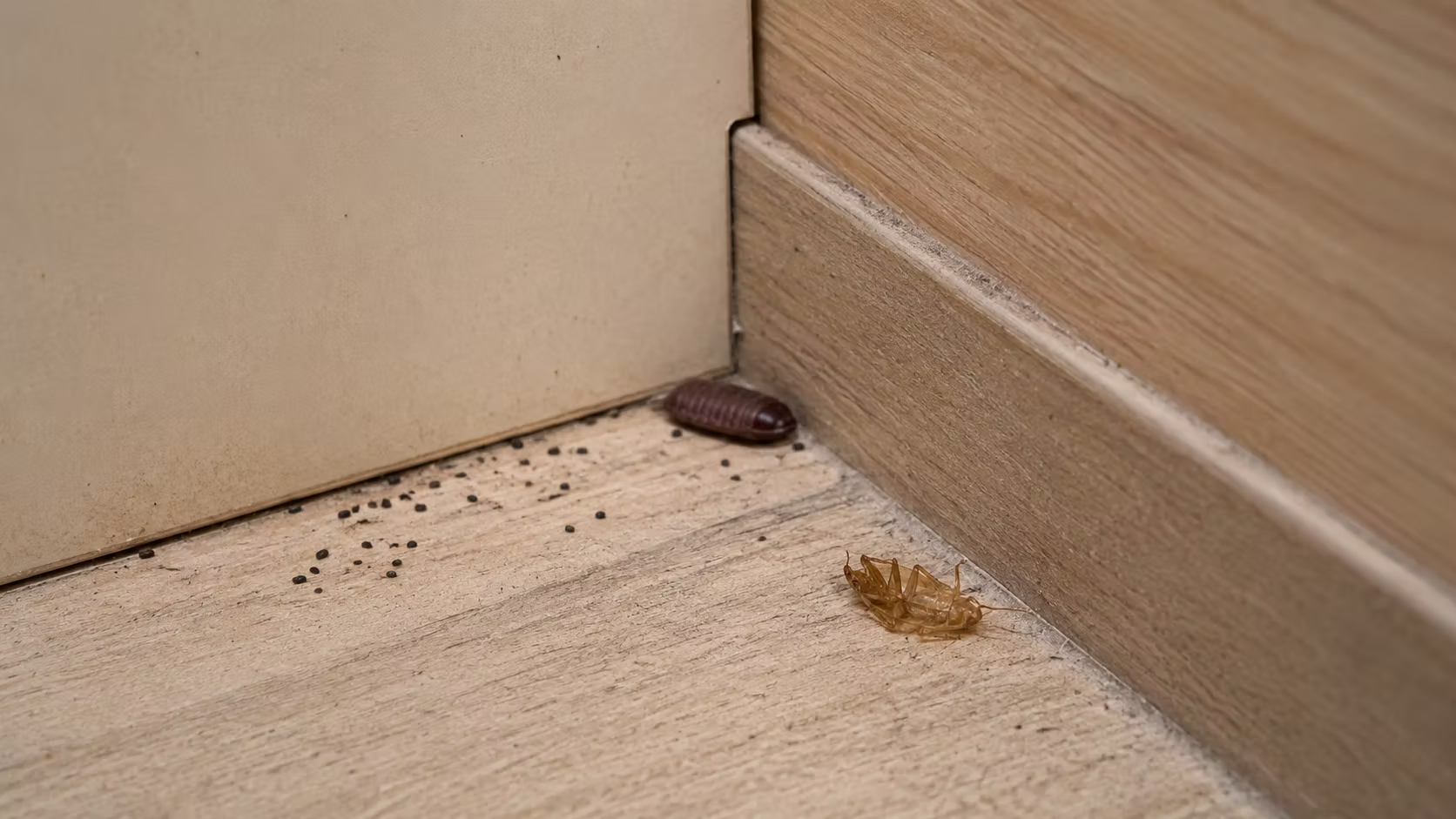
- Repeated Live Cockroach Sightings
- Cockroach Droppings
- Cockroach Egg Cases
- Shed Skins
- Persistent Unusual Odours
1. Repeated Live Cockroach Sightings
Seeing live cockroaches repeatedly is one of the clearest reasons to investigate further. Pay attention not only to how often they appear but also to where they appear. Repeated activity around sinks, refrigerators, dishwashers, cabinets, plumbing, or utility areas may point toward nearby shelter or travel routes.
Activity that begins appearing in several areas can be more significant than an isolated sighting confined to one location.
2. Cockroach Droppings
Cockroach droppings can provide evidence even when live insects are rarely visible.
They may be found:
- Inside or around cabinets
- Beneath sinks
- Near appliances
- Along protected wall edges
- Around plumbing or utility areas
- Near cockroach hiding places
Their appearance varies with species and size, so droppings should not be identified solely from an online description.
Location and repetition are usually more useful diagnostically. Material appearing repeatedly around likely hiding areas deserves closer inspection.
3. Cockroach Egg Cases
Cockroach egg cases are called oothecae; the plural is oothecae. Finding an egg case can be significant because it provides evidence related to reproduction rather than simply confirming that one cockroach entered the property. Egg-case behaviour varies by species. Some species deposit oothecae in sheltered locations, while German cockroach females typically carry the egg capsule until close to hatching.
Egg cases or remains may be encountered around cracks, cabinets, appliances, storage areas, and other protected locations.
4. Shed Skins
Cockroaches pass through several developmental stages and shed their outer covering as they grow. Cast or shed skins may remain around harbourage areas such as cabinets, appliance gaps, plumbing spaces, storage areas, and concealed crevices. Cast skins are recognized as one of the physical signs used when assessing cockroach activity.
A shed skin cannot tell you the exact size of an infestation, but it becomes more meaningful when found alongside other evidence.
5. Persistent Unusual Odours
A persistent or unusual musty smell can sometimes occur where cockroach activity is established, but odour is not a reliable standalone diagnostic sign. Kitchens, drains, damp areas, garbage, basements, and plumbing problems can all produce unusual smells. Treat odour as supporting evidence only when physical signs of cockroaches are also present.
Why Am I Seeing Cockroaches During the Day?
Seeing a cockroach during the day does not automatically mean an infestation is severe. Frequent daytime sightings, especially when combined with droppings, egg cases, shed skins, or sightings in several locations, may indicate increased activity or a nearby harbourage area. Many household cockroaches tend to remain concealed in cracks and protected spaces during daylight hours.
For that reason, frequency matters more than a single daytime encounter.
One cockroach seen in daylight provides limited information. Cockroaches appearing repeatedly during normal daytime activity deserve closer investigation, particularly if evidence is also increasing elsewhere.
Where Do Cockroaches Hide in a House?
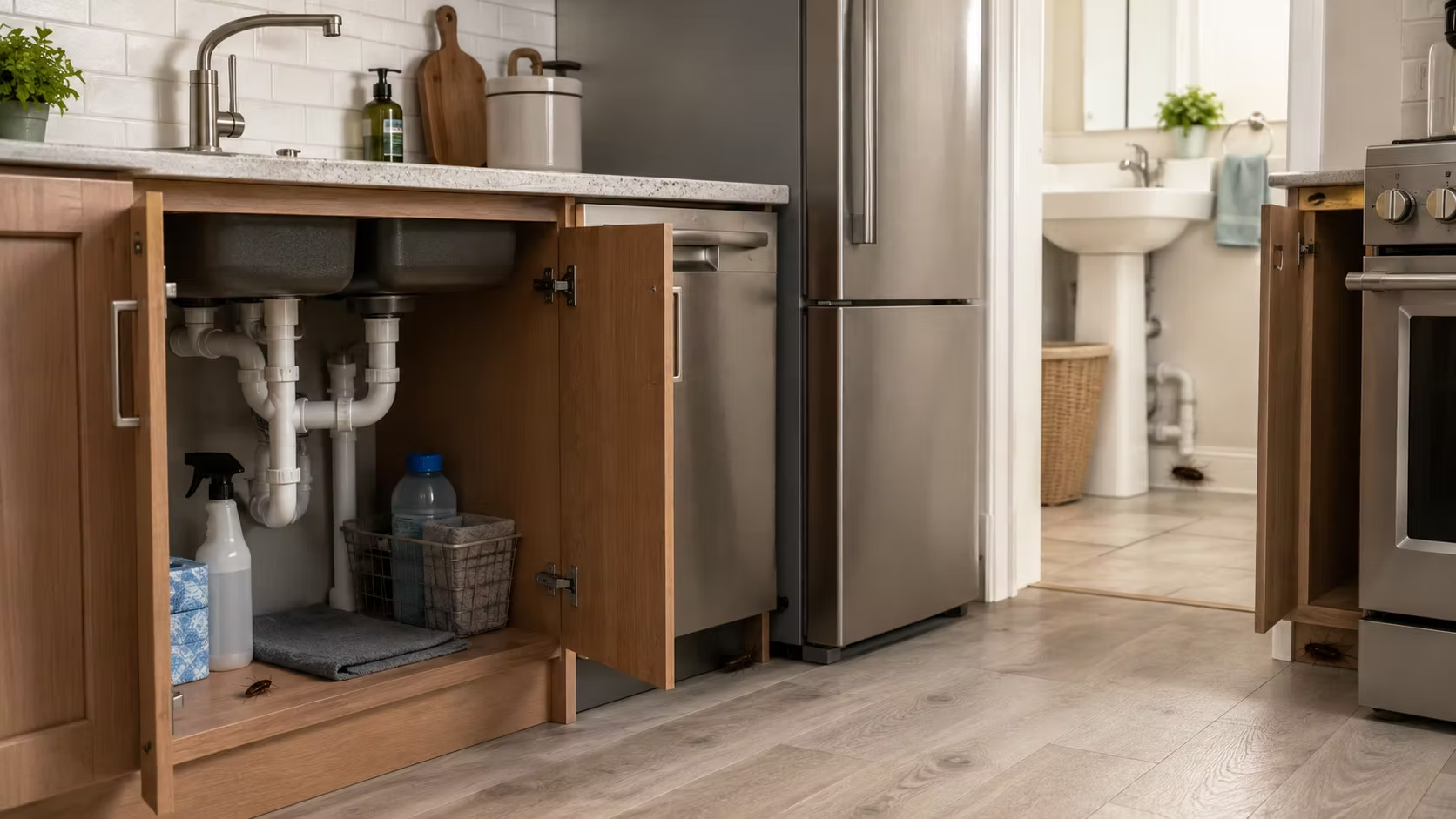
Cockroaches commonly hide in narrow, protected spaces close to food, moisture, or warmth. Important locations to check include kitchen cabinets, areas beneath sinks, spaces behind appliances, plumbing penetrations, utility areas, wall voids, and other cracks or crevices that remain relatively undisturbed.
Not every pest problem leaves the same warning signs. If you are also noticing small ants around kitchens, bathrooms, or other indoor areas, our guide on How to Get Rid of Pharaoh Ants in Vancouver explains how to identify Pharaoh ant activity and why these infestations require careful management.
Kitchens
Kitchens combine several conditions that can support cockroach activity.
Look for evidence around:
- Sink plumbing
- Lower cabinets
- Food storage areas
- Refrigerators
- Dishwashers
- Stoves
- Gaps between appliances and cabinets
The spaces behind and beneath appliances are particularly important because they can be difficult to see during normal cleaning.
Bathrooms
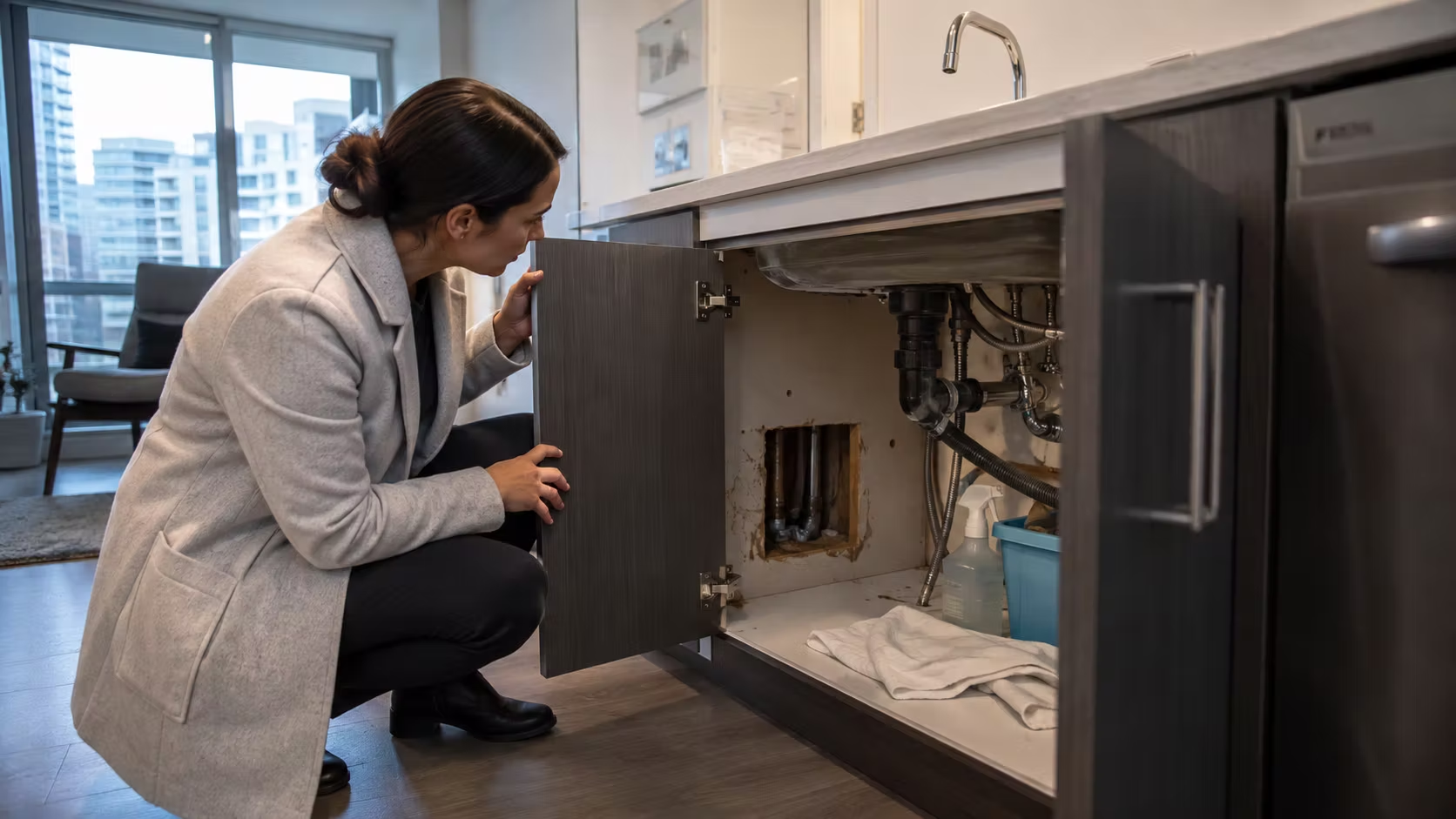
Bathrooms offer moisture, plumbing access, cabinets, and concealed gaps. Evidence may appear around vanities, pipe penetrations, sink plumbing, utility openings, cabinets, or wall cavities.
A cockroach found in a bathroom does not necessarily mean the main harbourage is located there. Connected plumbing and structural spaces can provide routes through other parts of a building.
Basements, Laundry Rooms, and Utility Areas
Low-traffic spaces such as basements, mechanical rooms, laundry rooms, and storage areas may also contain suitable hiding locations. Pay particular attention where plumbing, stored materials, warmth, moisture, and limited disturbance occur together.
What Conditions Are Associated With Cockroach Activity?
Cockroaches are more likely to remain in areas where food, water, shelter, and favourable temperatures are available. Food residue, spills, waste, pet food, moisture, leaking plumbing, condensation, narrow gaps, and protected spaces can all influence where activity becomes concentrated.
These conditions do not prove that an infestation exists. Instead, they help explain why kitchens, bathrooms, food-handling areas, plumbing spaces, and utility areas are important places to check when other signs have already been noticed.
Signs Cockroach Activity May Be More Widespread
No single sign accurately measures the size of a cockroach infestation. Patterns across time and location are more useful.
Activity may deserve closer investigation when:
- Sightings become noticeably more frequent
- Evidence expands from one room into several
- Cockroaches appear regularly during the day
- Egg cases or multiple shed skins are found
- Droppings appear in several separate areas
- Activity disappears temporarily and then returns
- Nearby units begin reporting similar signs
The combination of frequency, distribution, and reproductive evidence gives a clearer picture than any one observation alone.
Are Cockroaches a Health or Sanitation Concern?
Cockroach activity can create sanitation concerns, especially around kitchens, food storage, restaurants, and other food-handling environments. Cockroach feces, saliva, eggs, and shed body material can also contain allergens. For people who are sensitive, cockroach allergens may contribute to allergic reactions or trigger asthma symptoms.
The presence of cockroaches should therefore be assessed carefully without assuming that every sighting represents an immediate health emergency. The primary concern is determining whether the insects are established, where the activity is concentrated, and whether it is spreading.
Cockroach Infestations in Vancouver Apartments and Multi-Unit Buildings
Cockroach activity can be more complicated in Vancouver apartments, condominiums, strata properties, and other multi-unit buildings because individual units are connected through shared structural and utility systems. Plumbing penetrations, utility routes, wall cavities, shared service areas, and other connected spaces can potentially provide movement pathways between units.
That means cockroach activity inside one apartment does not necessarily originate entirely within that apartment. For landlords, strata councils, and property managers, reports from neighbouring units are especially useful information. Similar activity in connected units, common areas, or nearby kitchens and bathrooms may suggest that the issue extends beyond one isolated space.
A clean unit can therefore still experience cockroach activity when insects are moving through other parts of the building. This building-level context is one reason the location and distribution of signs matter as much as the number of cockroaches someone happens to see. In these situations, working with a local pest control Vancouver provider can help assess whether the activity is limited to one unit or connected to a broader building-level issue.
When Should You Contact a Pest Control Professional?
A professional inspection is most useful when repeated evidence suggests cockroach activity but the source or extent of the problem remains unclear. Consider an inspection when cockroaches are appearing repeatedly, egg cases are found, evidence occurs in several rooms, daytime sightings become frequent, activity repeatedly returns, or multiple units report similar problems.
An inspection can help identify the cockroach species involved, locate likely harbourage areas, and determine how widely the activity is distributed.
For properties in Vancouver, Phantom Pest Control provides professional cockroach control in Vancouver for residential, commercial, and managed properties. Its cockroach control service includes inspection and treatment for homes, apartments, restaurants, commercial spaces, and multi-unit buildings.
Frequently Asked Questions About Cockroach Infestations
What are the first signs of a cockroach infestation?
Early signs may include repeated cockroach sightings, droppings around hiding areas, shed skins, or egg cases. Activity concentrated near cabinets, sinks, appliances, or plumbing can also be significant. A combination of recurring signs provides stronger evidence of an infestation than one isolated observation.
Does seeing one cockroach mean you have an infestation?
Not necessarily. One cockroach may have entered accidentally or moved from another part of a building. Repeated sightings, egg cases, droppings, shed skins, or evidence in several locations make an established infestation more likely.
Where do cockroaches usually hide in a home?
Cockroaches commonly hide in narrow, protected locations near food, moisture, or warmth. Typical hiding places include cabinets, areas beneath sinks, gaps behind appliances, plumbing penetrations, utility spaces, wall voids, and other cracks and crevices.
Why am I seeing cockroaches during the day?
One daytime sighting does not automatically indicate a severe infestation. Frequent daytime sightings may indicate increased cockroach activity or nearby harbourage, especially when other signs such as droppings, egg cases, or repeated sightings are also present.
Can cockroaches spread between apartments?
Yes. Cockroaches can move between connected areas of multi-unit buildings through plumbing openings, utility routes, wall voids, shared service spaces, and other structural pathways. As a result, activity inside one apartment may sometimes be connected to activity elsewhere in the building.
How quickly can a cockroach infestation grow?
There is no single growth rate for every infestation. Reproduction varies by cockroach species and depends on factors such as temperature, food, moisture, shelter, and other environmental conditions. Because much of the activity can remain concealed, a population may become established before occupants recognize the extent of the problem.
Detecting a Cockroach Infestation Early
Detecting a cockroach infestation is less about one isolated sighting and more about recognizing a consistent pattern. Repeated cockroach sightings, droppings, egg cases, shed skins, daytime activity, and evidence spreading into multiple areas are more informative when considered together.
In Vancouver homes, apartments, businesses, and multi-unit properties, also consider where signs are appearing and whether neighbouring or connected spaces are reporting similar activity. Identifying those patterns early can make it easier to determine whether the cockroach activity is isolated or part of a more established problem.