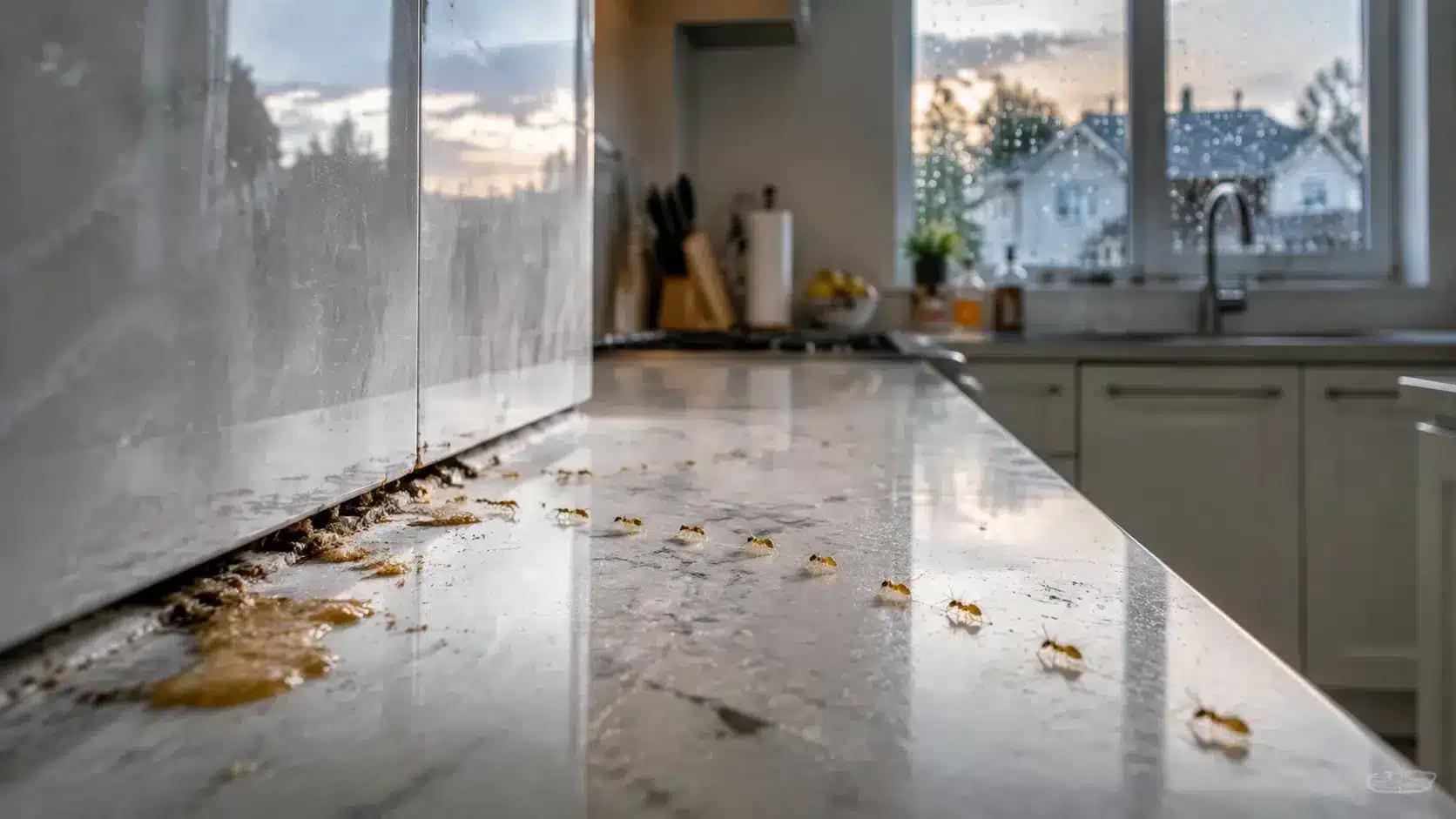
Pharaoh ants are among the most difficult household ants to eliminate. These tiny yellow or light-brown ants can establish several connected nests inside walls, cabinets, appliances, and other warm areas of a building.
The safest and most effective way to get rid of Pharaoh ants is to remove competing food sources, use appropriate ant baits, avoid repellent sprays, and allow worker ants to carry the bait back to the colony. For homeowners dealing with persistent infestations, professional residential pest control services can help identify hidden nesting areas and apply targeted treatments. In apartments and large buildings, professional treatment is often necessary because the infestation may extend across several units.
On this page9 sections
- How to Identify Pharaoh Ants
- Why Are Pharaoh Ants Common in Vancouver Homes?
- How to Get Rid of Pharaoh Ants Safely
- Why You Should Not Spray Pharaoh Ants
- How Long Does It Take to Eliminate Pharaoh Ants?
- When to Call a Pharaoh Ant Exterminator in Vancouver
- How to Prevent Pharaoh Ants from Coming Back
- Conclusion
- Frequently Asked Questions
How to Identify Pharaoh Ants
Correct identification is important because Pharaoh ants require a different treatment approach from many other ant species.
Common identifying features include:
- Very small bodies, usually around 1.5 to 2 millimetres long
- Yellow, golden, or light-brown colouring
- A slightly darker abdomen
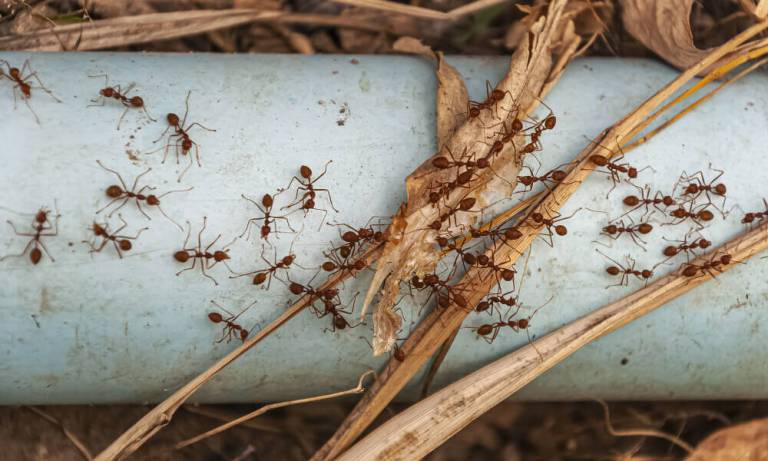
- Long trails containing many worker ants
- Activity around kitchens, bathrooms, sinks, cupboards, and appliances
Pharaoh ants can look similar to thief ants and other small indoor species. If you are unsure which ant is present, collect a sample or ask a pest control professional to identify it before beginning treatment.
Why Are Pharaoh Ants Common in Vancouver Homes?
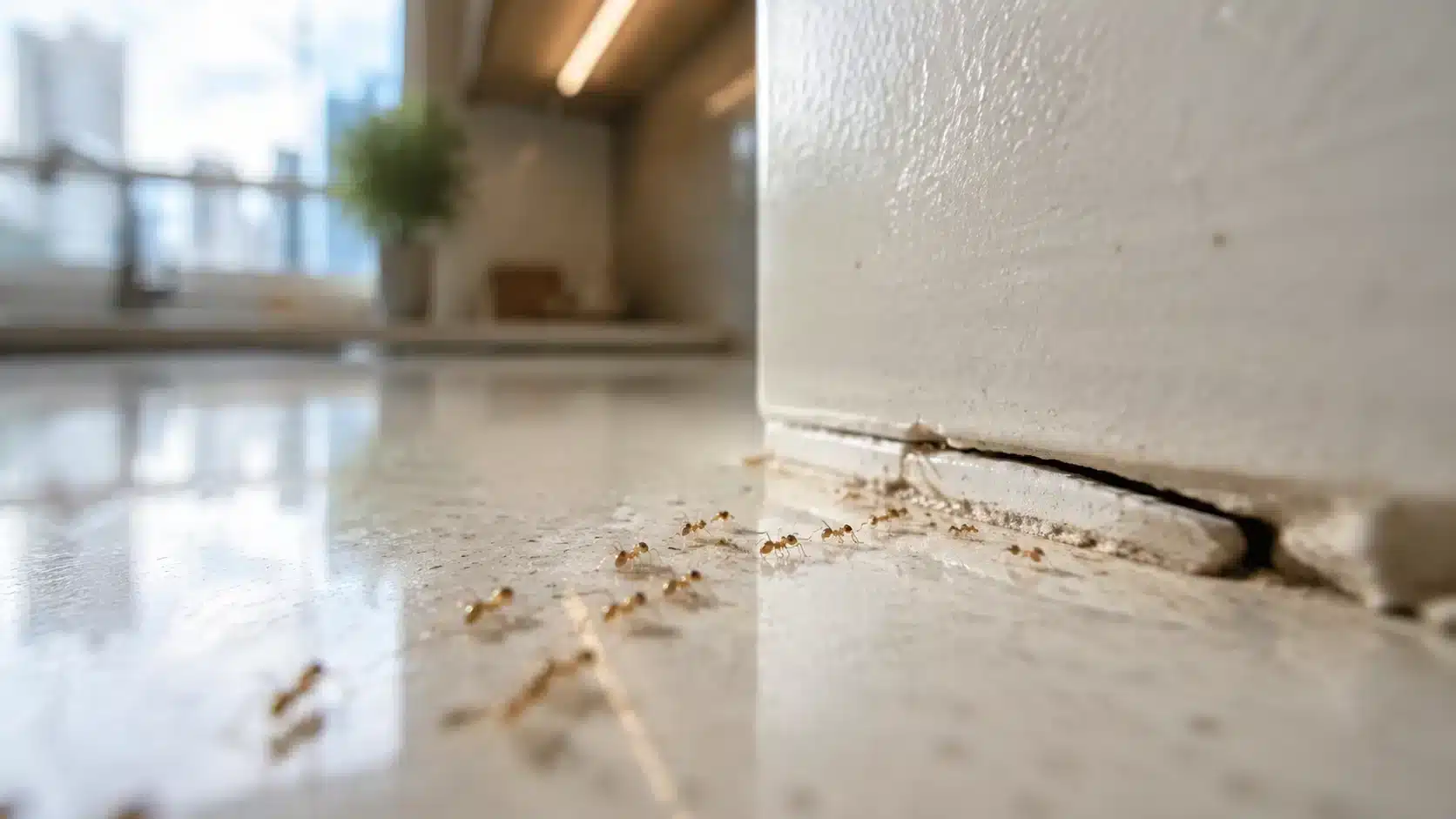
Vancouver’s mild, damp climate can create favourable conditions for ants. However, Pharaoh ants usually live indoors because they depend on consistently warm environments.
They are commonly found in:
- Apartment buildings and condominiums
- Heated houses and basements
- Restaurants and commercial kitchens
- Hospitals and care facilities
- Hotels and other multi-unit buildings
Inside a home, Pharaoh ants may nest behind walls, under floors, inside cabinets, near heating systems, or around warm appliances. They are attracted to moisture and a wide range of foods, including sugar, grease, protein, crumbs, pet food, and food residue.
Multi-unit buildings are particularly vulnerable because ants can travel between units through wall gaps, pipes, wiring, and shared utility areas. Treating only one apartment may therefore fail to eliminate the entire infestation.
How to Get Rid of Pharaoh Ants Safely
Pharaoh ant control should focus on sanitation, baiting, monitoring, and exclusion. While dealing with different ant species requires specific methods, understanding approaches like How to Get Rid of Carpenter Ants in Your House can also help homeowners learn more about effective ant management strategies. Baits are especially important because worker ants collect the bait and distribute it among other workers, larvae, and queens inside hidden nests.
Find and Remove Food and Water Sources
Start by reducing the food and moisture available to the colony. Cleaning alone will not eliminate Pharaoh ants, but it encourages them to feed on the bait rather than competing food sources.
- Wipe kitchen counters and dining areas regularly.
- Clean grease and food residue around stoves and appliances.
- Store sugar, cereal, baked goods, and pet food in sealed containers.
- Empty garbage and recycling containers frequently.
- Do not leave dirty dishes in the sink overnight.
- Repair leaking taps, pipes, and drains.
- Remove standing water around sinks and bathrooms.
- Vacuum crumbs from cabinets, floors, and furniture.
Pay close attention to hidden areas such as the spaces beneath refrigerators, dishwashers, microwaves, and kitchen cabinets.
Use Pharaoh Ant Baits Instead of Sprays
Ant bait is generally more effective than a contact spray because it targets the colony rather than only the visible workers. An extensive baiting program combined with sanitation and exclusion is considered essential for controlling Pharaoh ants.
Choose a bait product registered for indoor ant control in Canada and follow all label directions. Pharaoh ants may feed on both sweet and protein-based foods, so pest control professionals may use different bait formulations depending on the colony’s current feeding preference.
Do not apply cleaning chemicals, insect sprays, or strongly scented products directly beside bait stations. These substances may repel the ants and reduce bait consumption.
Place Ant Baits Near Active Trails
Place enclosed bait stations close to areas where ants are actively travelling, such as:
- Along cabinet edges
- Under sinks
- Behind kitchen appliances
- Near plumbing and pipe openings
- Beside wall cracks and baseboards
- Near bathroom vanities
Avoid placing bait directly on food-preparation surfaces or anywhere accessible to children or pets. Always follow the safety instructions on the product label.
Do not disturb active trails unnecessarily. The goal is to allow worker ants to locate the bait and carry it back to their nests. Check bait stations regularly and replace them according to the label if they become empty, contaminated, or dry.
Seal Cracks and Entry Points
After ant activity begins to decline, seal potential travel routes and entry points. Look for gaps around:
- Baseboards and flooring
- Water pipes and drains
- Electrical outlets
- Windows and door frames
- Kitchen cabinets
- Shared walls and utility lines
Use suitable caulking or another appropriate sealant. Sealing should support the baiting program, not replace it. Closing gaps too early may simply redirect ants to another part of the building.
Why You Should Not Spray Pharaoh Ants
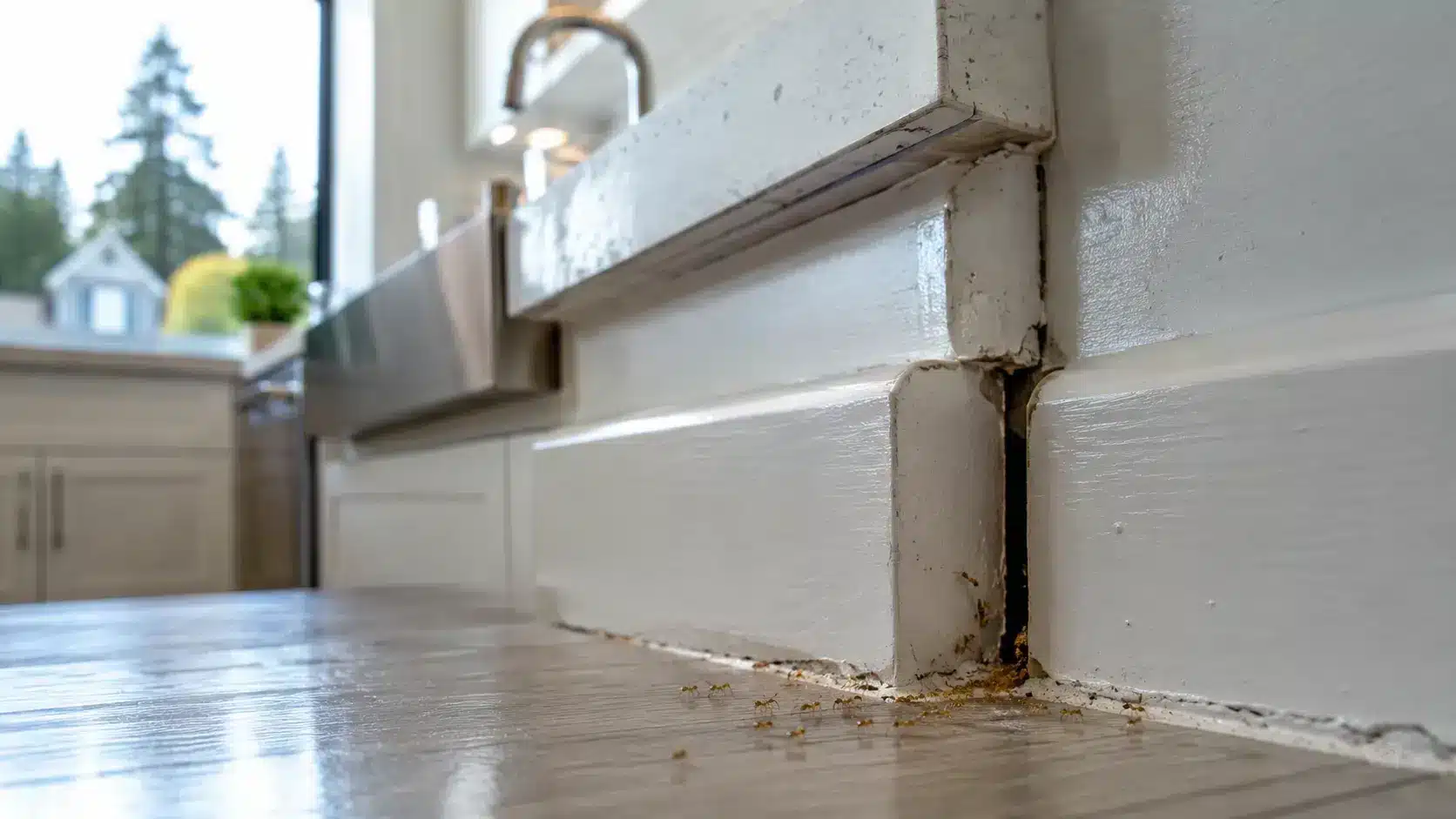
Spraying visible Pharaoh ants can make the infestation more difficult to control. When a colony is disturbed or placed under stress, groups of workers and queens may leave and establish additional nests. This process is known as budding.
A repellent spray may kill some exposed workers, but it usually does not reach the queens and hidden nests. The remaining colony can split into several smaller colonies and spread into new rooms or neighbouring apartments.
Sprays can also interfere with bait treatment by killing or repelling the workers before they carry the bait back to the colony. University of Minnesota Extension specifically advises against spraying insecticide while using ant bait.
Avoid spraying ant trails with household insecticides or homemade mixtures. Instead, use a coordinated baiting strategy that targets the complete colony.
How Long Does It Take to Eliminate Pharaoh Ants?
Pharaoh ants are rarely eliminated overnight. A small, localized infestation may begin to decline within one or two weeks, but complete control can take several weeks or longer.
The treatment timeline depends on:
- The number and location of nests
- The size of the colony
- Whether the infestation affects multiple units
- How consistently the ants feed on the bait
- The availability of competing food and water
- Whether sprays were previously used
You may temporarily notice more ants around bait stations after treatment begins. This can mean that workers have discovered the bait. Avoid removing the stations or spraying the ants.
Continue monitoring until activity has completely stopped. Removing bait too early may allow surviving nests to rebuild the infestation.
When to Call a Pharaoh Ant Exterminator in Vancouver
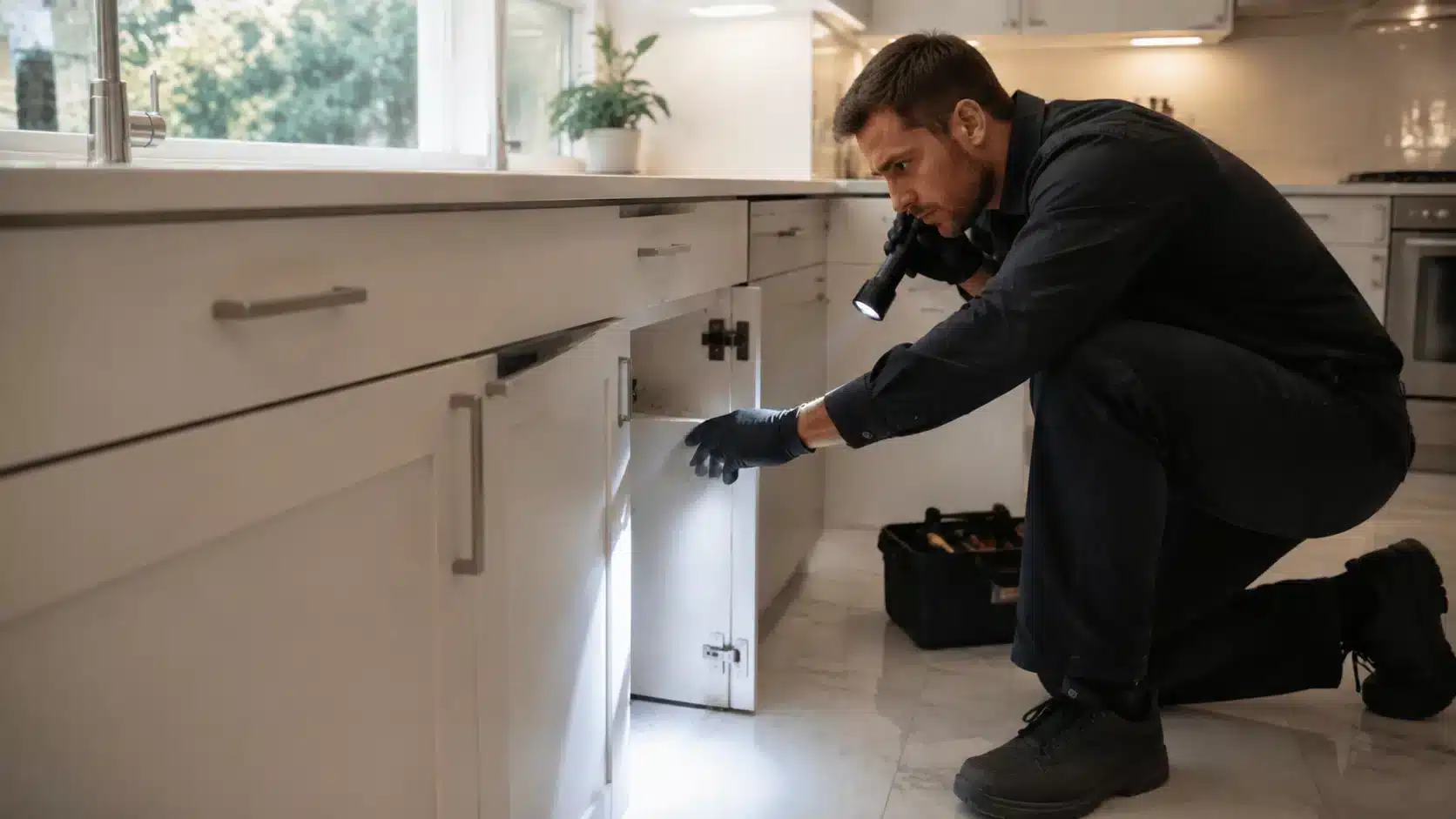
Professional pest control is recommended when:
- Ant activity continues after careful baiting
- Ants appear in several rooms
- The infestation repeatedly returns
- You live in an apartment or condominium
- Several neighbouring units are affected
- Ants are appearing around electrical systems or inaccessible wall voids
- You cannot confidently identify the ant species
A Pharaoh ant exterminator can inspect the property, identify active trails, locate likely nesting zones, and develop a baiting plan for the entire affected area.
In apartment buildings, coordinated treatment is especially important. Treating one unit while ignoring connected units can cause the infestation to continue moving through the structure. Property managers may need to arrange inspections and treatment across multiple apartments and shared spaces.
How to Prevent Pharaoh Ants from Coming Back
Once the infestation is controlled, use the following steps to reduce the risk of another problem:
- Keep food in tightly sealed containers.
- Clean spills and crumbs as soon as possible.
- Do not leave pet food out overnight.
- Rinse recyclable food containers before storing them.
- Repair plumbing leaks and reduce indoor moisture.
- Clean beneath kitchen appliances regularly.
- Seal gaps around pipes, cabinets, windows, and baseboards.
- Inspect grocery bags, boxes, and used items before bringing them indoors.
- Report ant activity quickly in multi-unit buildings.
Continue checking kitchens, bathrooms, and utility areas for new trails. Early detection makes Pharaoh ant infestations easier to manage.
Conclusion
Getting rid of Pharaoh ants in Vancouver requires the right approach because these ants can hide in multiple locations and rebuild their colonies if they are not treated correctly. The most effective solution is to remove food and moisture sources, use targeted ant baits, avoid repellent sprays, and seal possible entry points after ant activity decreases.
While small infestations may be managed with proper baiting and prevention methods, persistent Pharaoh ant problems often require professional help. Working with a trusted pest control Vancouver service can help identify hidden nesting areas and apply an effective treatment plan to eliminate the colony completely.
Taking action early is essential. The sooner you identify Pharaoh ants and use the correct control methods, the easier it is to prevent the infestation from spreading and protect your Vancouver home from future ant problems.
Frequently Asked Questions
What Is the Fastest Way to Get Rid of Pharaoh Ants?
The fastest reliable method is a properly managed baiting program combined with sanitation. Remove competing food and water, place registered ant baits near active trails, and avoid spraying the ants. For a large or multi-unit infestation, professional treatment is usually the quickest path to complete control.
Can You Get Rid of Pharaoh Ants Without Professional Treatment?
A small and localized infestation may respond to careful baiting and improved sanitation. However, Pharaoh ants often maintain several hidden nests. Professional treatment is recommended when ants appear in multiple rooms, return after treatment, or spread between apartments.
Are Pharaoh Ants Dangerous?
Pharaoh ants do not normally damage a building, and their bites are not usually a concern. However, they can travel through contaminated areas and then move across food, dishes, and preparation surfaces. Some research and public-health guidance associate Pharaoh ants with the possible movement of disease-causing organisms, making them a greater concern in kitchens, hospitals, and care facilities.
Why Do Pharaoh Ants Keep Coming Back?
Pharaoh ants often return because hidden nests or queens remain untreated. Other common causes include removing bait too early, leaving food available, failing to treat connected units, or using repellent sprays that cause the colony to split. A coordinated baiting and prevention plan is needed to achieve lasting control.