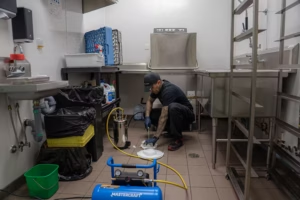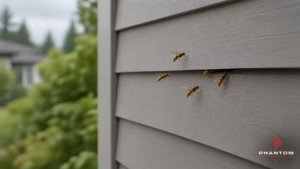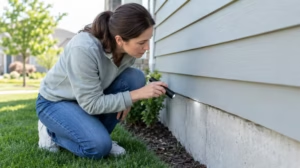
A restaurant can look spotless to customers while pests are already active behind equipment, inside floor drains, near waste areas, or around delivery entrances.
That is why effective restaurant pest control depends on more than reacting when someone sees a cockroach or mouse. Restaurant staff need a repeatable daily, weekly, and monthly pest prevention routine that removes food, water, shelter, and entry points before pests can establish themselves.
For restaurants in British Columbia, pest prevention is also part of food-safety compliance. The BC Food Premises Regulation requires operators to keep premises free of pests, eliminate conditions that encourage pests to harbour or breed, and protect the premises against pest entry.
Use this restaurant pest control checklist to organize the tasks your kitchen, management, maintenance, and professional pest control teams should perform.
Why Pest Control Is Essential in Restaurants
Restaurants provide many of the conditions pests need: food residue, water, warmth, grease, cardboard, waste, and sheltered spaces.
A small sanitation or maintenance problem can therefore become a pest problem quickly. A leaking pipe creates moisture for cockroaches. An open delivery door gives rodents an entry route. Food debris underneath cooking equipment can support pest activity long after the visible surfaces have been cleaned.
Pest prevention matters for three main reasons:
- Food safety: pests can contaminate food, packaging, preparation surfaces, and storage areas.
- Regulatory compliance: BC food premises must remain free of pests and pest-harbourage conditions.
- Business protection: visible pest activity can disrupt operations and damage customer confidence.
Vancouver Coastal Health also notes that Environmental Health Officer inspections can examine cleanliness, food storage, waste management, and pest-control measures.
Restaurants that want ongoing monitoring rather than purely reactive treatments can also consider a structured commercial pest control program.
Daily Restaurant Pest Control Checklist
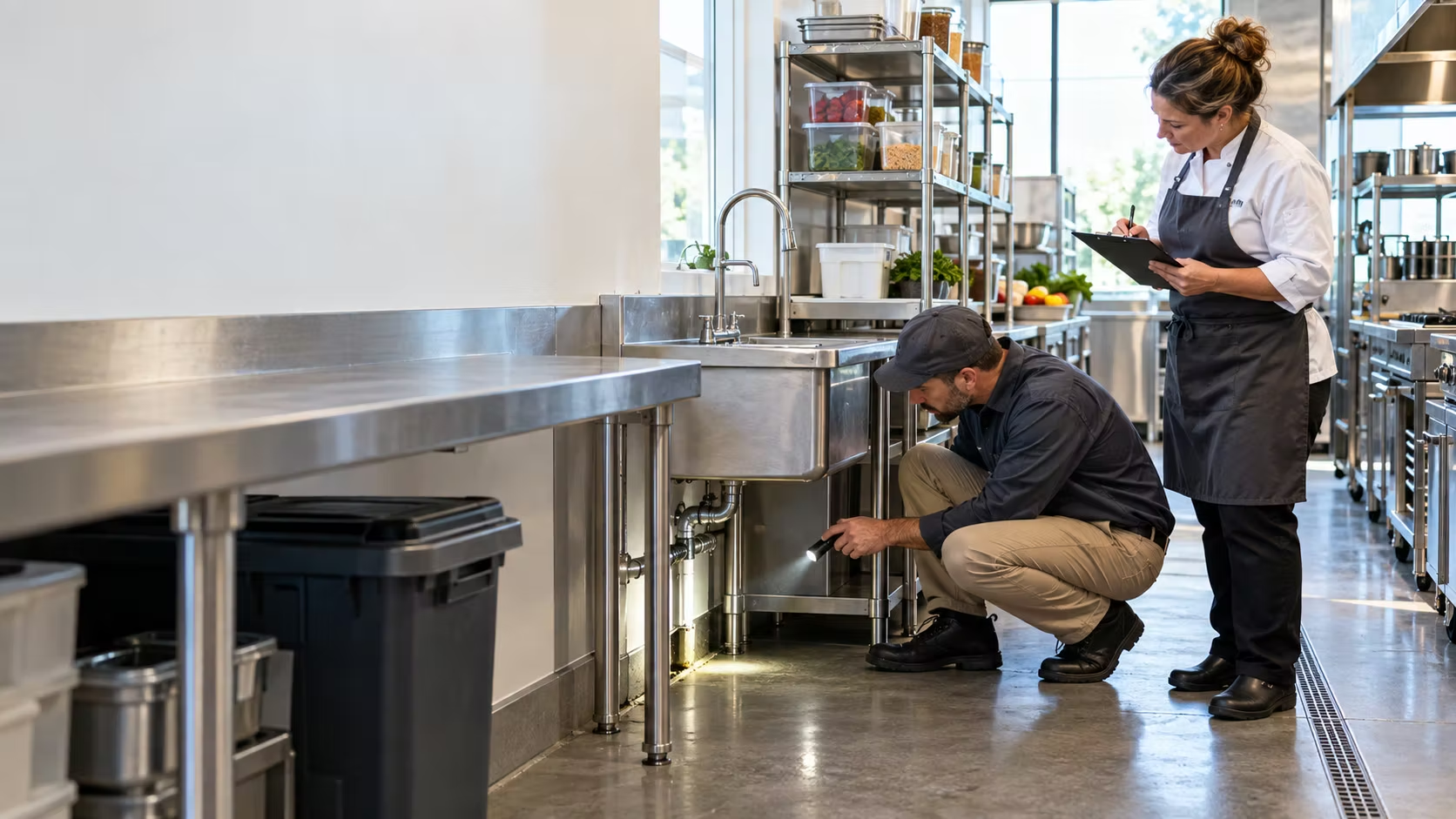
Daily prevention should focus on the conditions that allow pests to survive: food, moisture, hiding places, and easy access to the building.
Ideally, responsibility for each task should be assigned to a specific role and incorporated into opening or closing procedures.
Clean Food Preparation Areas and Equipment
At the end of each shift:
- Wipe and sanitize food preparation surfaces according to your sanitation procedures.
- Remove crumbs, grease, and food residue from floors.
- Clean underneath movable equipment.
- Check underneath counters, shelving, refrigerators, and cooking stations.
- Clean beverage stations and drip trays.
- Do not allow dirty dishes or food residue to remain overnight.
- Remove unnecessary cardboard and packaging from kitchen areas.
Pay particular attention to places employees may not see during normal cleaning. Cockroaches and other insects often remain hidden in cracks, plumbing areas, cabinets, wall voids, and spaces surrounding appliances.
Repeated sightings, droppings, egg cases, and shed skins can indicate established activity rather than an isolated pest. See Phantom Pest Control’s guide to signs of a cockroach infestation for more warning signs.
Store Food and Inspect Deliveries
Incoming deliveries can introduce insects or contaminated packaging into an otherwise well-managed kitchen.
During receiving:
- Examine cartons, produce boxes, bags, and pallets for insects or damage.
- Look for holes, gnaw marks, webbing, droppings, or live insects.
- Reject or isolate suspicious deliveries.
- Transfer vulnerable dry ingredients into suitable sealed containers.
- Keep food protected from contamination.
- Rotate inventory so older stock is used first.
- Avoid leaving opened food packages exposed overnight.
BC regulations require food to be protected from contamination and stored and handled in a sanitary manner.
Dry goods deserve particular attention because flour, grains, cereals, spices, nuts, pet foods, and similar products can be affected by pantry and stored-product pests.
Manage Waste and Standing Water
Waste and moisture are two of the strongest pest attractants around commercial kitchens.
Every day:
- Empty indoor garbage bins regularly.
- Keep waste containers covered when appropriate.
- Remove spilled food around bins.
- Keep dumpster and recycling areas clean.
- Prevent grease and organic residue from accumulating.
- Repair or report leaking faucets and pipes.
- Empty mop buckets after use.
- Dry persistent wet areas where possible.
- Check underneath sinks, refrigerators, dishwashing stations, and ice machines for leaks.
- Make sure drains are flowing properly.
A clean dining room will not compensate for neglected waste or moisture areas behind the kitchen.
Check for Signs of Pest Activity
Staff should know what evidence requires attention.
During opening and closing checks, look for:
- Rodent droppings
- Gnawed packaging
- Grease or rub marks along walls
- Scratching sounds
- Live or dead cockroaches
- Cockroach droppings or egg cases
- Small flies around drains
- Flies around garbage or food preparation areas
- Webbing or insects inside dry food
- Unusual pest-related odours
- Damaged packaging
- Pest sightings during daylight hours
Record the date, location, pest or evidence found, and action taken rather than relying on staff to remember sightings later.
Weekly Pest Prevention Checklist
Weekly inspections should cover areas that are easy to miss during busy daily operations.
Inspect Entry Points and Hidden Areas
Walk both the interior and exterior perimeter of the restaurant.
Check:
- Exterior doors and door sweeps
- Loading and delivery entrances
- Windows and screens
- Gaps around pipes and utility lines
- Cracks around walls and foundations
- Floor-wall junctions
- Ceiling voids where accessible
- Spaces behind refrigeration equipment
- Storage-room corners
- Areas underneath shelving
- Exterior vegetation and clutter near the building
Watch for visible gaps underneath doors or around utility penetrations.
Pest exclusion matters because killing individual pests does not solve the problem if new rodents or insects can continually enter the building.
Clean Drains, Storage Areas, and Waste Zones
Once a week, perform a deeper inspection of high-risk areas.
Include:
- Floor drains
- Sink areas
- Grease and food residue around equipment
- Dry-storage shelving
- Back corners of storage rooms
- Waste collection areas
- Recycling areas
- Areas behind refrigerators and freezers
Move accessible stock and equipment rather than cleaning only the visible edges.
In dry storage, inspect flour, grains, cereals, nuts, spices, and packaged ingredients for insects, damaged packaging, webbing, larvae, or other unusual material.
Restaurants can also use Phantom’s spring pest control checklist for Vancouver food facilities when seasonal pest pressure begins increasing.
Check Traps and Monitoring Devices
Monitoring devices can help detect activity before pests become obvious to customers or staff.
If your restaurant uses professionally installed monitoring equipment:
- Confirm devices remain in their designated locations.
- Look for damage or interference.
- Review recorded pest activity.
- Compare activity with previous checks.
- Report changes to your pest control provider.
Do not casually relocate, replace, or apply products to professional monitoring or bait equipment without coordinating with the pest control provider.
The important information is not only whether a pest was captured. A change in activity over time can help identify a developing hotspot or entry route.
Monthly Pest Control Tasks
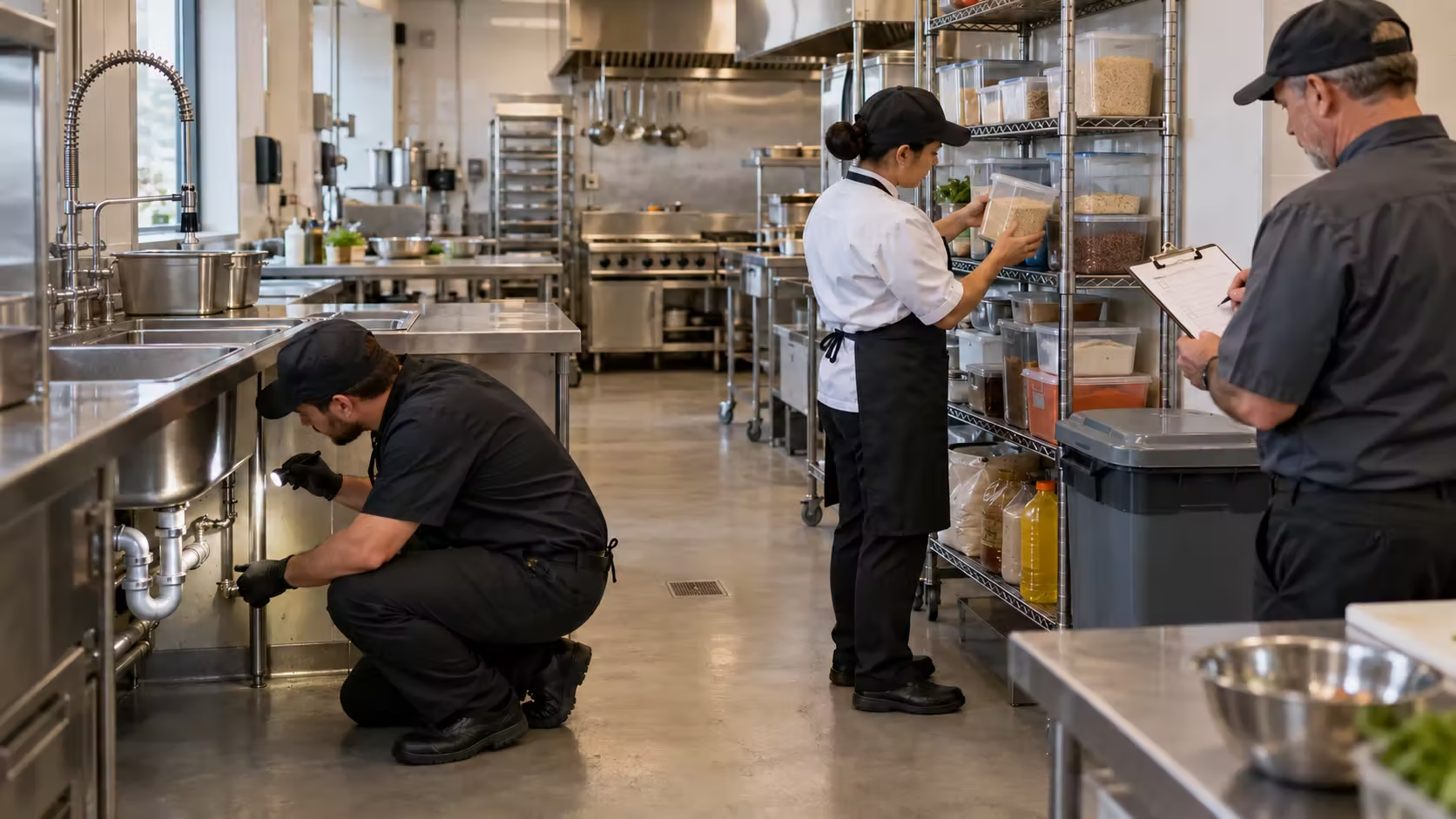
Monthly reviews should focus less on routine cleaning and more on identifying trends that daily checks may miss.
Schedule a Professional Inspection
Restaurants should use a professional service schedule appropriate to the building, pest pressure, operating conditions, history of activity, and local requirements.
During a professional inspection, technicians may assess areas such as:
- Food storage rooms
- Cooking and preparation areas
- Plumbing and drains
- Waste zones
- Mechanical and utility areas
- Exterior entry points
- Monitoring devices
- Previous pest hotspots
There is no single service interval that is appropriate for every restaurant. A busy food facility with recurring rodent or cockroach pressure may need more frequent monitoring than a lower-risk location.
Phantom Pest Control offers regular pest control maintenance and prevention for businesses requiring ongoing inspections, monitoring, and preventative service.
Review Pest Control Records and Recurring Problems
At least monthly, management should review pest records instead of simply filing service reports away.
Look for patterns such as:
- Repeated activity in the same drain
- Rodent signs near one delivery entrance
- Recurring flies around one waste zone
- Repeated cockroach activity underneath the same equipment
- Damaged door sweeps that have not been repaired
- Persistent plumbing leaks
- The same sanitation issue appearing on multiple reports
When the same issue appears repeatedly, treating individual pests is unlikely to provide lasting control.
Assign corrective actions to a specific person and record when the issue has been completed.
Written documentation is particularly valuable because BC regulations require food service establishments to maintain written sanitation procedures, including information about pesticides used in the establishment.
Common Restaurant Pests and Warning Signs
Restaurant pest problems typically involve a small group of pests attracted to food, moisture, warmth, waste, or protected nesting areas.
Knowing their warning signs helps staff report problems earlier.
Cockroaches and Flies
Cockroaches frequently hide near moisture, heat, plumbing, food residue, and narrow cracks.
Possible warning signs include:
- Live cockroaches, particularly repeated sightings
- Small droppings
- Egg cases
- Shed skins
- Activity around sinks, appliances, cabinets, and drains
- Unusual musty odours in heavier infestations
Finding one cockroach does not by itself establish the size of an infestation. Multiple signs or recurring activity provide more useful evidence.
Flies may indicate problems involving food waste, drains, organic buildup, spoiled produce, garbage, or entry from outside.
Pay attention when flies repeatedly appear around one drain, bar area, garbage zone, or food preparation area. The source is often more important than simply killing the visible adult flies.
Rodents and Stored-Product Pests
Rats and mice may enter restaurants through structural openings, loading areas, utility penetrations, or doors.
Warning signs can include:
- Droppings
- Gnaw marks
- Torn food packaging
- Rub or grease marks
- Scratching sounds
- Nesting material
- Repeated trap activity
Rodent risks are especially important for food businesses because kitchens offer concentrated sources of food, warmth, water, and shelter. Phantom’s guide to rodent risks for Vancouver restaurants and food businesses explains the issue in more detail.
Stored-product pests may appear directly inside dry ingredients or packaging. Signs can include beetles or moths, larvae, webbing, damaged packaging, or insects gathering near pantry shelves.
What to Do If You Find Pests
Do not ignore a pest sighting or simply clean away the evidence. Document it, protect potentially affected food, identify the source where possible, and escalate the problem.
If staff discover pest activity:
- Record what was found. Note the pest, evidence, location, date, and time.
- Protect food. Separate food or packaging that may have been contaminated or damaged.
- Clean the affected area appropriately. Remove food residue, waste, and other attractants without erasing information your pest professional may need.
- Look for the underlying condition. Check for moisture, open food, waste, damaged doors, structural gaps, or other likely causes.
- Notify management. Repeated sightings or evidence should not remain an informal staff issue.
- Contact your pest control provider when necessary. Active cockroach infestations, rodent evidence, recurring fly problems, or unexplained pest activity generally warrant professional assessment.
- Document corrective actions. Record repairs, sanitation improvements, treatments, and follow-up inspections.
Avoid indiscriminate pesticide use around food preparation or storage areas. Pesticide selection, placement, and application in food facilities require particular care, and BC sanitation procedures must identify pesticides used and their storage requirements.
Make Pest Prevention Part of the Restaurant Routine
The most effective restaurant pest control checklist is the one employees actually follow.
Daily cleaning prevents food and moisture from accumulating. Weekly inspections expose hidden sanitation and entry-point problems. Monthly reviews reveal recurring trends. Professional monitoring adds another layer of inspection and control when restaurant staff cannot safely or effectively address the issue themselves.
The goal is not merely to avoid seeing pests in the dining room. It is to remove the conditions that allow pests to enter, feed, hide, and reproduce throughout the property.
For restaurants, cafés, commercial kitchens, and other food businesses across Vancouver and the Lower Mainland, Phantom Pest Control provides preventative commercial pest management, inspections, monitoring, and targeted treatment programs. Explore Phantom’s commercial pest control services.
Restaurant Pest Control FAQs
1. How Often Should a Restaurant Schedule Pest Control?
There is no single professional pest control frequency that fits every restaurant. The appropriate schedule depends on pest history, building conditions, food handling operations, surrounding pest pressure, monitoring results, and recommendations from the pest control provider.
Restaurants with active or recurring pest problems may require more frequent inspections than businesses with consistently low activity.
2. Who Is Responsible for Pest Prevention?
Restaurant management is responsible for maintaining safe and sanitary premises, while employees, maintenance teams, suppliers, and pest control professionals may all contribute to prevention.
In British Columbia, the operator of a food premises must ensure that the property remains free of pests, free of conditions that encourage pest harbourage or breeding, and protected against pest entry.
3. When Should a Restaurant Call an Exterminator?
Contact a pest control professional when you find recurring pest activity, rodent droppings or gnawing, multiple cockroaches or cockroach evidence, unexplained stored-food insects, persistent fly activity, or signs suggesting pests are established inside the building.
Early investigation is usually more manageable than waiting until pests become visible throughout the restaurant.