Finding a cockroach in a restaurant requires immediate action. The priority is not simply killing the insect you can see—it is protecting food, identifying where the cockroaches are coming from, removing the conditions supporting them, and determining whether professional treatment is needed.
Cockroaches can contaminate food and food-preparation areas after travelling through garbage, drains, and other contaminated environments. Restaurants are particularly vulnerable because kitchens provide the food, moisture, warmth, and hiding spaces cockroaches need. They can also enter in cardboard boxes, food shipments, equipment, and other deliveries.
For restaurants in Vancouver and the surrounding Lower Mainland, Phantom Pest Control provides professional pest management for commercial food-service environments.
Here is what to do if you find cockroaches in your restaurant and how to reduce the chance of them returning.
What to Do When You Find a Cockroach
When you spot a cockroach, protect exposed food first, clean and sanitize the affected area, document the sighting, and inspect nearby hiding places. Avoid treating the problem as an isolated insect until you have checked for further activity.
A single visible cockroach may be only part of the problem because these pests spend much of their time concealed inside cracks, equipment, cabinets, plumbing areas, and wall voids.
Protect Food and Sanitize Affected Areas
Immediately check any exposed food, ingredients, utensils, preparation surfaces, or packaging close to the sighting.
Food that may have been contaminated should not be served. Clean and sanitize affected food-contact surfaces according to your restaurant’s approved sanitation procedures before they are used again.
In British Columbia, food-premises operators are required to protect food from contamination, maintain sanitary food handling conditions, and keep their premises free of pests and conditions that encourage pests to harbour or breed.
Pay particular attention to:
- Prep counters and cutting areas
- Open ingredient containers
- Shelves beneath the affected area
- Floors and wall edges
- Equipment handles and exterior surfaces
- Garbage and recycling stations
- Areas beneath sinks or dishwashing equipment
Do not simply wipe away visible debris. Remove grease, crumbs, spills, and other residue that could continue feeding hidden cockroaches.
Record the Sighting and Check Nearby Hiding Spots
Document where and when the cockroach was found. Record whether it was alive or dead, its approximate size, and whether other evidence was visible nearby.
These details help identify activity patterns and can make a professional inspection more effective.
Check dark, protected areas around the sighting, including:
- Under and behind refrigerators
- Beneath ovens, fryers, and preparation equipment
- Inside cabinets
- Along wall-floor junctions
- Around plumbing penetrations
- Near floor drains
- Around garbage storage areas
- Inside cardboard storage
- Behind shelving and equipment motors
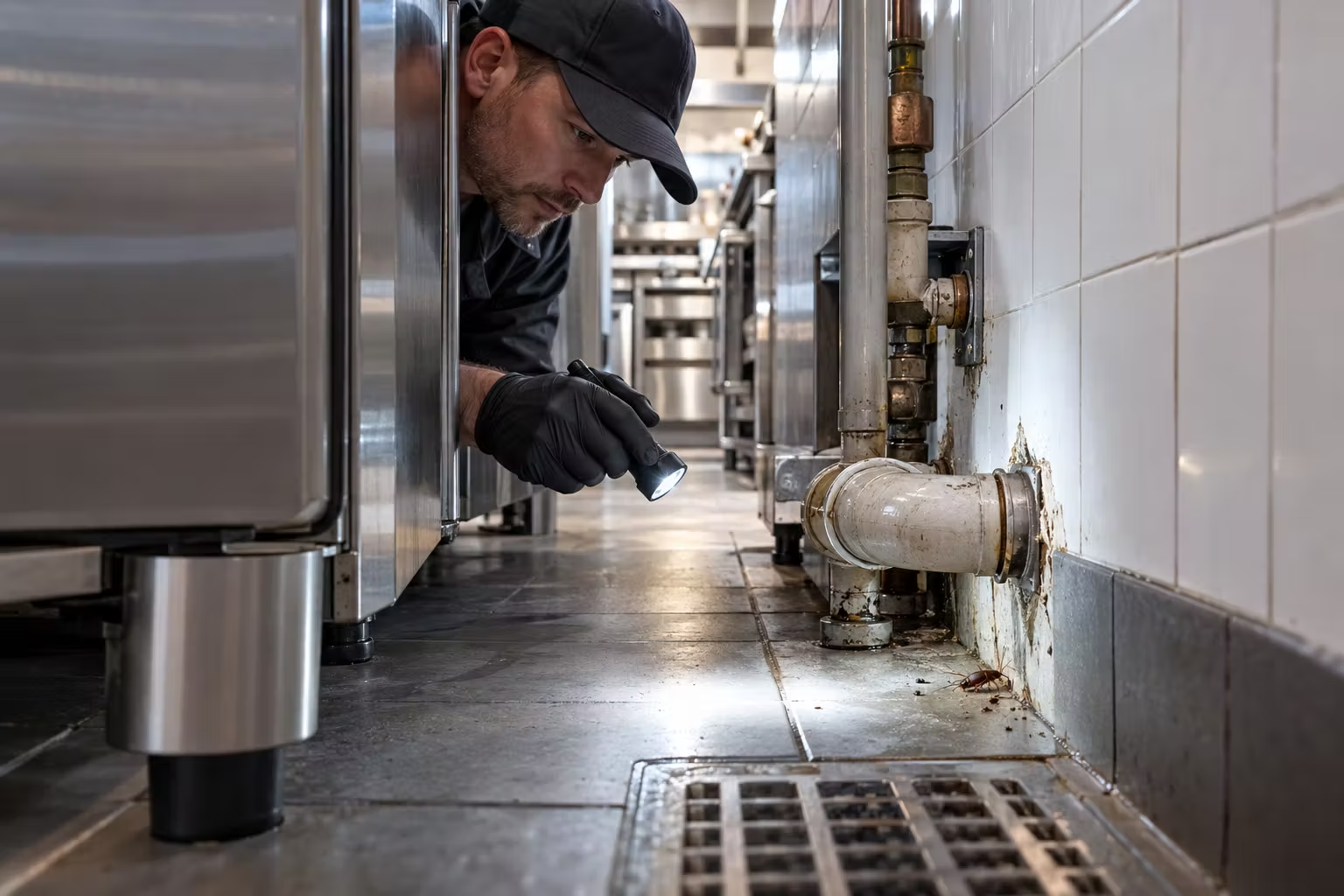
Finding several cockroaches, egg cases, droppings, or cockroaches during daylight hours can justify a broader inspection rather than treating the sighting as an isolated event.
Find the Source of the Infestation
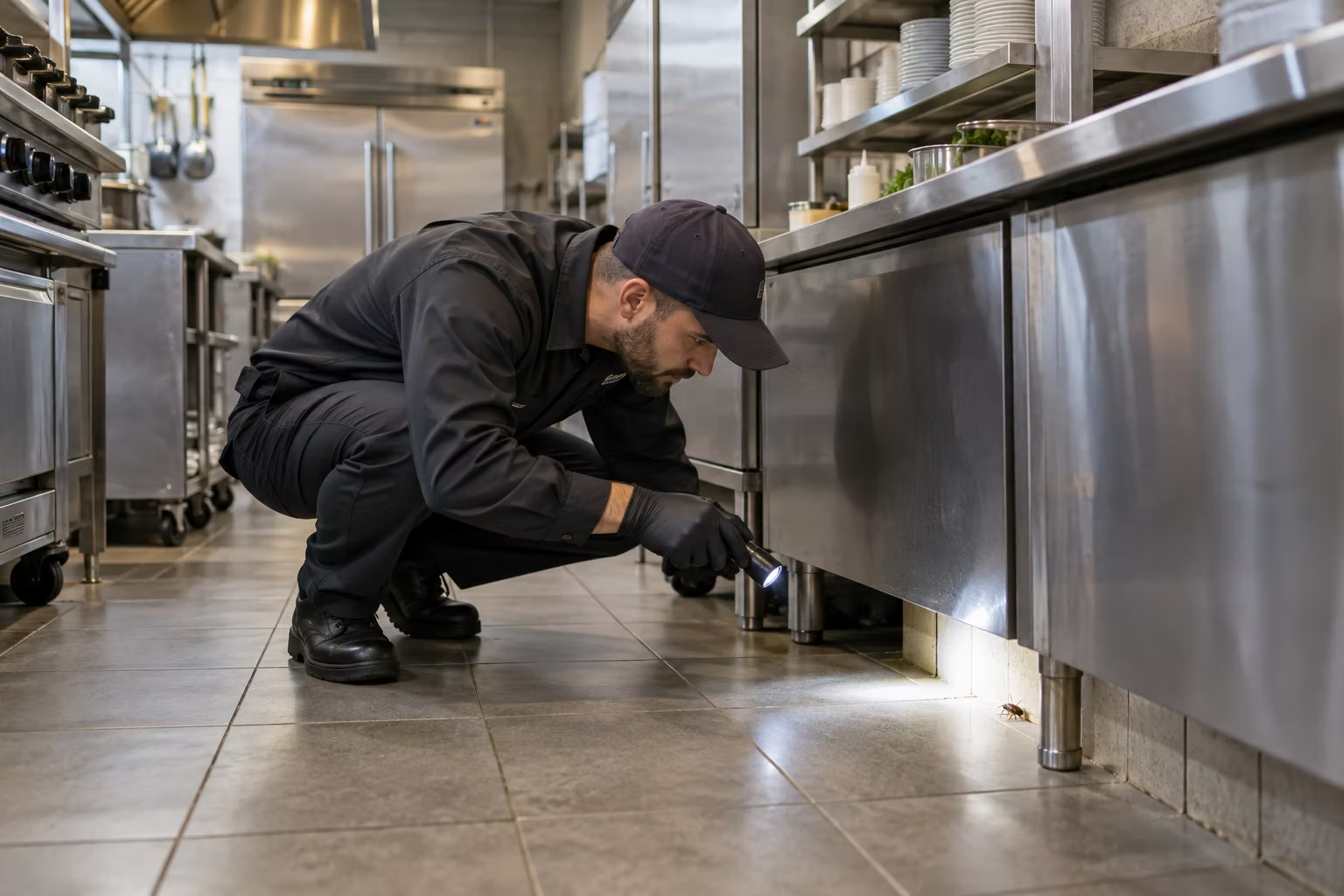
Successful restaurant cockroach control depends on finding where the insects are hiding and what is providing food, water, and shelter.
Cockroaches can survive in narrow spaces that are rarely disturbed during routine cleaning. Simply treating the area where one cockroach was seen may leave the main harbourage untouched.
Look for Droppings, Egg Cases, and Live Roaches
Cockroach evidence is often easier to locate than the insects themselves.
Depending on the species and level of activity, signs can include:
- Small dark droppings or specks
- Egg cases
- Shed skins
- Live or dead cockroaches
- Persistent activity around warm equipment
- Unusual musty odours associated with heavier infestations
Inspect at different times where possible. Because many cockroach species are primarily active at night, areas that appear pest-free during normal business hours can still contain hidden activity. Health Canada notes that cockroaches may go unnoticed for some time because of their nocturnal behaviour.
If multiple signs are present, consider arranging professional cockroach control services rather than relying on surface-level treatment.
Inspect Equipment, Drains, Storage, and Deliveries
Restaurant kitchens contain numerous protected spaces where cockroaches can hide.
Move accessible equipment where it can be done safely and inspect underneath and behind it. Pay particular attention to warm motors, compressor areas, plumbing, sinks, drains, dishwashing stations, storage shelving, and gaps around utility lines.
Deliveries are another potential source. Cockroaches and egg cases can be transported inside cardboard boxes, cartons, used equipment, beverage containers, and other incoming materials.
Create a receiving procedure that checks shipments before they are moved into dry storage or the kitchen. Damaged, wet, heavily soiled, or pest-contaminated packaging should be handled according to your food-safety procedures rather than being placed directly into storage.
For restaurants dealing with recurring pest activity, professional Restaurant Pest Control in Vancouver can provide ongoing inspections, monitoring, targeted treatment, and preventive measures tailored to food-service environments.
Remove Cockroaches Safely
Restaurant cockroach control works best when sanitation, moisture reduction, monitoring, exclusion, and targeted pest treatment are used together.
Spraying every visible cockroach does not address the food, water, shelter, and hidden harbourage that allow the population to persist.
Deep-Clean Food Residue and Fix Leaks
Remove the resources cockroaches depend on.
Deep-clean areas that may be missed during normal closing procedures, including:
- Under cooking equipment
- Behind refrigerators and freezers
- Around grease traps and waste areas
- Beneath shelving
- Inside cabinet corners
- Around floor drains
- Along wall edges
- Around beverage and coffee stations
Grease deposits and small amounts of food residue can provide ongoing food sources.
Moisture is equally important. Repair leaking faucets, pipes, drain connections, refrigeration lines, and other plumbing problems. Address condensation and standing water around sinks, dishwashing stations, refrigerators, and floor drains.
Cleaning alone may not eliminate an established infestation, but it makes other control measures more effective by reducing competing food sources and hiding conditions.
Use Traps to Monitor Activity
Sticky monitoring traps can help determine where cockroaches are moving and whether activity is decreasing.
Place monitors in appropriate non-food-contact locations near suspected harbourage, such as behind equipment, against walls, underneath sinks, and near utility penetrations. Follow the product’s directions and avoid locations where traps could contaminate food or interfere with food preparation.
Date and number the monitors so your team can compare results over time.
A useful monitoring record includes:
- Trap location
- Installation date
- Number of cockroaches found
- Approximate size or life stage
- Corrective action taken
- Date the trap was replaced
Monitoring is particularly valuable after treatment because seeing fewer cockroaches over time provides better information than relying only on occasional visual sightings.
Arrange Targeted Treatment with a Pest Control Professional
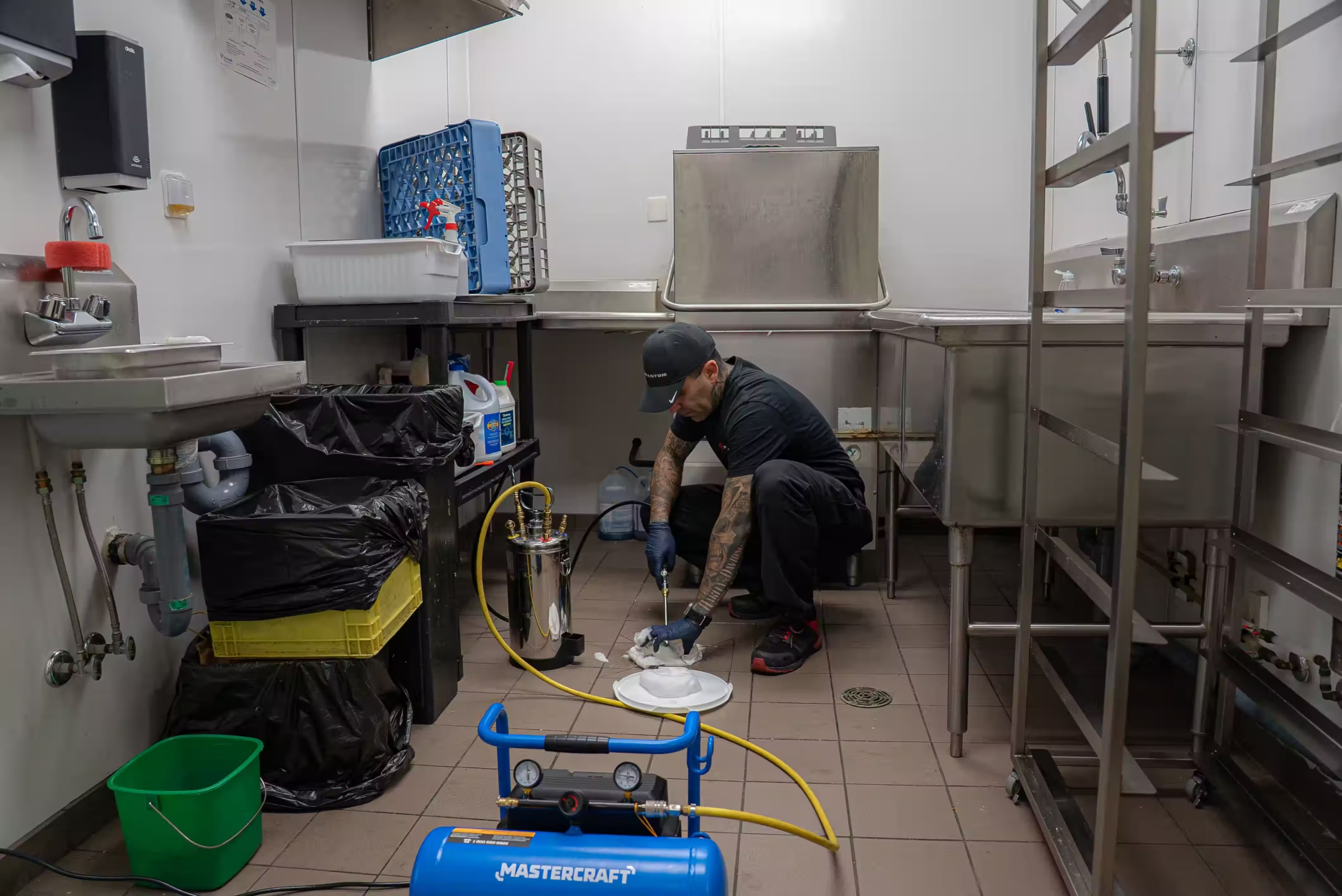
If activity is confirmed across multiple areas, keeps returning after sanitation improvements, or involves a food-preparation environment, professional treatment is usually the safer and more effective approach.
A pest control professional can identify the cockroach species, determine the extent of activity, locate likely harbourage, and select treatment methods appropriate for the restaurant environment.
Pesticides used in food establishments in Canada must be registered for their intended use and applied according to their label. British Columbia food-service establishments must also include information about pesticides, their uses, and storage requirements in their written sanitation procedures.
This is one reason indiscriminate spraying is a poor restaurant pest-control strategy. Treatment should be targeted and coordinated with food-safety procedures.
Keep Cockroaches from Returning
Long-term prevention requires making the restaurant harder for cockroaches to enter, hide, feed, and reproduce in.
Once immediate activity has been addressed, focus on exclusion, storage, sanitation, incoming deliveries, and routine monitoring.
Seal Gaps and Remove Clutter
Cockroaches exploit small cracks and protected voids around walls, pipes, cabinets, equipment, and utilities.
Inspect and seal appropriate gaps around:
- Plumbing penetrations
- Electrical conduits
- Baseboards
- Wall-floor junctions
- Cabinets
- Doors and frames
- Utility lines
Repair damaged surfaces and eliminate unnecessary cardboard, paper, and stored materials that provide hiding spaces.
Restaurants dealing with several types of crawling pests may also benefit from broader crawling insect control focused on inspection, treatment, and exclusion.
Store Food Properly and Inspect Deliveries
Keep ingredients in suitable containers and maintain clean, organized storage areas.
Dry goods should be stored in ways that make shelves, floors, and wall edges accessible for inspection and cleaning. Rotate inventory regularly and deal promptly with spills or damaged packages.
When deliveries arrive:
- Inspect cartons and packaging for insects, droppings, egg cases, and damage.
- Avoid keeping unnecessary shipping cardboard in food-storage areas.
- Check used appliances or equipment before bringing them into the kitchen.
- Report recurring pest evidence associated with particular shipments or suppliers.
- Keep receiving and storage areas clean and dry.
These procedures reduce the chance that cockroaches will be introduced unnoticed and establish themselves behind stored goods.
Keep a Cleaning and Pest Monitoring Log
Documentation helps restaurant managers spot recurring problems before they become major infestations.
Maintain records of:
- Cockroach sightings
- Monitoring-trap results
- Cleaning schedules
- Plumbing or moisture problems
- Repairs and exclusion work
- Pest control visits
- Treatments performed
- Corrective actions
- Follow-up inspection results
British Columbia regulations require food-service establishments to maintain written sanitation procedures, including cleaning and sanitizing requirements and information about pesticides used on the premises.
For restaurants where pest pressure is ongoing, scheduled regular pest maintenance can help identify changes in activity before they develop into larger problems.
Keep Your Restaurant Protected After Treatment
Getting rid of restaurant cockroaches requires more than removing the insects you can see. Protect food immediately, locate the source, eliminate food and moisture, monitor activity, seal potential hiding and entry points, and use targeted professional treatment when necessary.
A consistent prevention program is especially important for restaurants because deliveries, constant food handling, plumbing, waste, heat, and high traffic can continually create new opportunities for pest activity.
If your restaurant is in Vancouver, the Lower Mainland, or the Fraser Valley and you are seeing cockroaches or signs of an infestation, arranging an inspection early can help determine how widespread the activity is and what corrective steps are appropriate.
FAQ
1. Can a Restaurant Be Closed for Cockroaches?
Yes. A serious cockroach infestation or food-safety risk can lead to enforcement action or temporary closure by local health authorities.
2. How Long Does Restaurant Cockroach Treatment Take?
It depends on the size of the infestation. Some activity may decrease quickly, but established infestations often require follow-up treatments and monitoring.
3. Does One Cockroach Mean There Is an Infestation?
Not always, but it should be investigated. One cockroach may indicate hidden activity nearby, especially in kitchens and storage areas.
4. Can You Use Cockroach Spray in a Restaurant Kitchen?
Only if the product is approved for that environment and used exactly as directed on the label. Avoid spraying near exposed food or food-contact surfaces.